
Table of Contents
Why Yoga Feels Difficult at First for Beginners: A Somatic Guide to Overcoming Initial Resistance
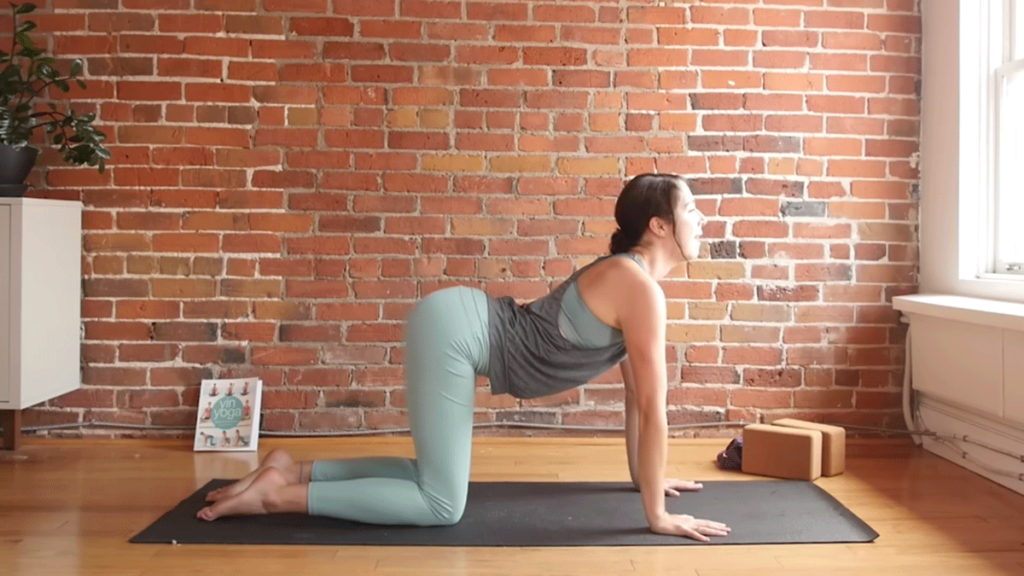
Unrolling your practice mat for the first time often brings an unexpected wave of physical and mental frustration. New practitioners across India frequently ask us why yoga feels difficult at first for beginners when it looks so effortless. In our ten years of leading classes across open shorelines, quiet city studios, and digital streaming platforms, we analyze this initial friction. Our students frequently discover that tracking deep breathing while holding unfamiliar somatic postures overloads their unaccustomed nervous system. This early awkwardness does not mean your body is unsuited for the practice or permanently broken. Instead, your deep stabilizing muscles, connective tissues, and attention span are simply adapting to new movement metrics. Whether you walk along coastal wellness paths ECR neighborhoods, reside near Besant Nagar, or use virtual hatha alignment systems India tools, patience rewires your architecture. Let us examine the physiological adjustments, neural pathways, and structural habits that explain this common learning hurdle.
Why yoga feels difficult at first for beginners across India?
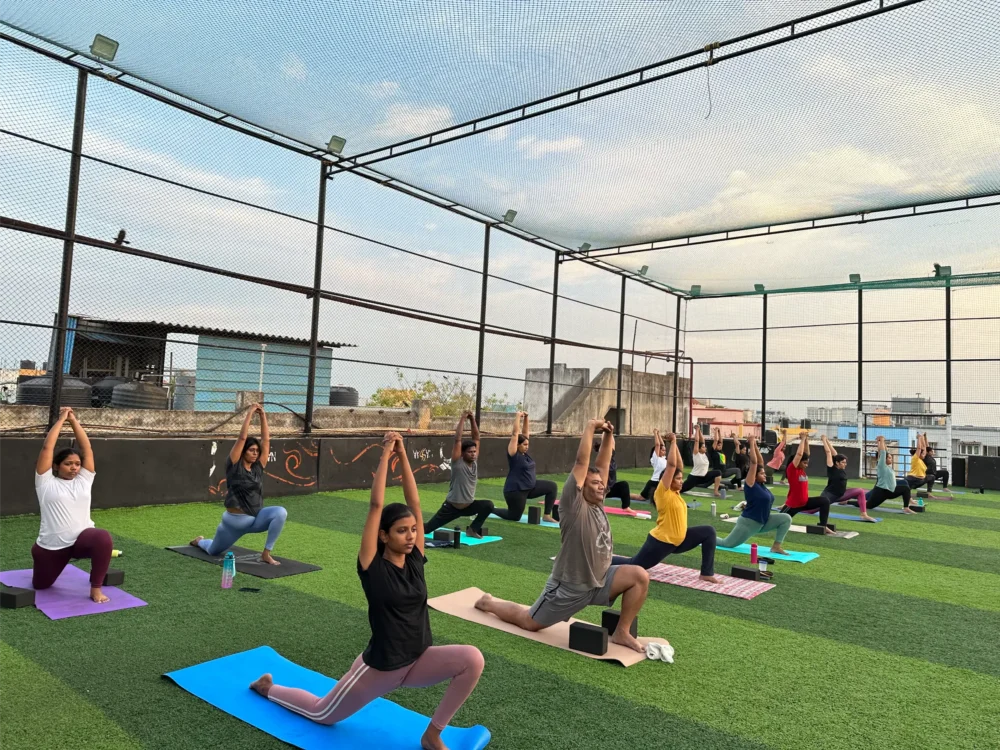
Yoga feels difficult at first for beginners because it demands simultaneous muscular contraction, joint stabilization, and slow diaphragmatic breathing. This complex combination challenges dormant postural stabilizers, stretches tight connective tissues, and triggers a strong neural resistance reflex that naturally fades with regular, prop-supported practice.
          [ THE INITIAL RESISTANCE PARADIGM ]
                           │
                           ▼
           Step Onto the Mat for the First Time
                           │
                           ▼
       [Anatomical Overload] or [Prop-Supported Alignment]
                           │
                           ▼
       Utilize High-Definition Live Feedback Systems
                           │
                           ▼
       Transition into Absolute Neuromuscular Mastery
In our live interactive training chambers, we prove that early strain is a standard neurobiological response to novel movement. We want you to realize that standing balance poses require your brain to build entirely new motor maps. We often see athletic individuals pass out or cramp during simple hatha holds because they hold their breath. Choosing an educational program run by mentors holding recognized international credentials, such as a Yoga Alliance RYT framework certification, prevents injury. Your remote teacher observes your alignment through a high-definition video frame, providing immediate, highly specific verbal cues to optimize safety. Over a decade of virtual teaching, we watch our remote students build immense physical ease by respecting these early restrictions. This systematic commitment allows your deep stabilizing systems to strengthen gradually without triggering joint fatigue, lower back strain, or mental burnout.
Why Understanding Initial Anatomical Friction Matters for Your Health Journey
Sustaining a healthy lifestyle while balancing work requirements demands an adaptable, realistic approach to physical conditioning. Forcing your body through intense, fast movements when your nervous system feels completely exhausted causes chronic injury. The Ministry of Ayush establishes clear national operational guidelines for integrating traditional hatha postures and pranayama safely across India. Their clinical data confirms that regular, daily short-duration sessions provide greater cardiovascular and neurological benefits than an irregular, aggressive workout.
According to Outdoor Yoga Chennai, understanding why yoga feels difficult at first for beginners allows you to utilize interactive movement screening Tamil Nadu metrics to protect stiff muscle groups safely. We regularly see our national digital student community establish deeply stable morning routines because they view initial stiffness as a tracking metric, not a failure. Peer-reviewed research from global institutions, including the World Health Organization physical activity frameworks, suggests that mind-body systems support mental resilience. By matching your domestic space with the calm, expert guidance of a certified wellness educator, you protect your long-term vitality.
How to Navigate Early Practice Challenges: Step-by-Step Structural Guide
Overcoming the initial awkwardness of your first few hatha sessions requires arranging your practice space and props with systematic care. Follow this step-by-step practical guide to establish a highly professional, interactive environment before your virtual instructor streams into your room:
- Configure the Webcam: Place your device seven feet away and at hip height to capture your full side profile clearly.
- Soften Your Lower Joints: Keep a soft five-degree bend in your knees during standing poses to prevent hamstring pulling.
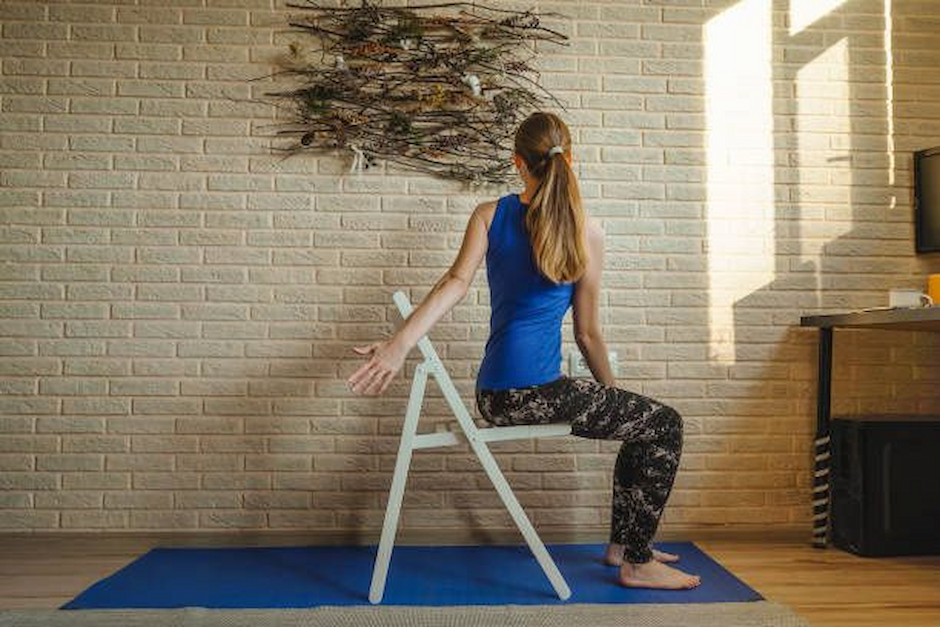
- Elevate Your Lumbar Spine: Sit directly on a high-density foam block to tilt your pelvis forward into a neutral line.
- Adopt Safe Prop Support: Place blocks under your palms during lunges to avoid rounding your middle back unnaturally.
- Regulate Your Nasal Flow: Inhale through your nose for four seconds and exhale for six seconds to calm your nerves.
- Decompress Your Collarbones: Drop your shoulders down away from your earlobes to release chronic computer-neck tension.
- Rest Extensively on the Floor: End your routine with ten full minutes flat in Savasana to lock in your neurological gains.
                 [ STIFFNESS NAVIGATION PROTOCOL ]
  ┌──────────────────────────────────────────────────────────────┐
  │                                                              │
  │      [Mat Angle Alignment]    ──► Sideways Profile View      │
  │                │                                             │
  │                ▼                                             │
  │      [Skeletal Base Elevation]──► Sit on High-Density Block  │
  │                │                                             │
  │                ▼                                             │
  │      [Joint Stress Reducer]   ──► Active Five-Degree Knee Bend│
  │                │                                             │
  │                ▼                                             │
  │      [Vagal Nerve Activator]  ──► Six-Second Slow Exhalation │
  │                                                              │
  └──────────────────────────────────────────────────────────────┘
Over five years of supervising outdoor sessions at ECR beaches, we have seen how personalized care helps beginners push past early blocks. Our interactive online classrooms transfer that exact level of individual, form-focused support directly onto your digital screen, wherever you live. I remember a corporate leader from Thiruvanmiyur who struggled with severe hip pinching during his first live digital hatha sessions. His webcam tile showed that his lower spine was rounding severely because he refused to use a block during seated folds. We instructed him to sit on two folded wool blankets and adjust his safe home props adaptation setup immediately. This slight adjustment allowed him to follow verbal cues naturally, eliminated his hip pain instantly, and showed how virtual screening protects beginners.
Key Reasons Behind Initial Practice Complexity
- Dormant Muscle Activation: Poses target small stabilizer muscles in your feet, hips, and core that modern chairs completely deactivate.
- Sensory Overload: Managing limb placement, focal points, and nasal breath cycles simultaneously overloads your brain’s processing capacity early on.
- Connective Tissue Resistance: Years of sitting creates tight bands of fascia that naturally resist elongation during your first few weeks.
- The Stretch Reflex Response: Nervous systems mistake deep, unfamiliar stretches for danger, causing muscles to contract defensively until you breathe deeply.
How can beginners reduce frustration when a posture feels too demanding?
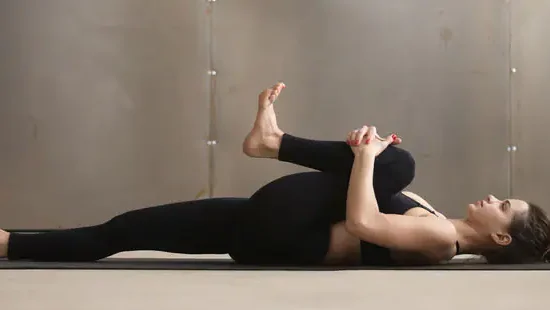
Beginners reduce frustration by immediately backing out of a shape by ten percent and reaching for a firm block or strap. Modifying your position ensures you build structural endurance without triggering the body’s defensive panic responses or straining your joints.
       [ NEUROMUSCULAR RECOVERY LOOP ]
                      │
                      ▼
       Identify Early Physical Resistance Points
                      │
                      ▼
       [Forcing the Shape = Tissue Tear] or [Sinking onto Blocks = Neural Calm]
                      │
                      ▼
       Achieve Permanent Core Stability and Deep Structural Resilience
In our introductory digital courses, we always teach newcomers to choose steady, mindful progression over rapid, exhausting exercise trends. Never force your hamstrings through a sharp pinch just to look like an advanced image on a social media feed. Moving with slow, conscious care allows your deep posture correction metrics Besant Nagar markers to improve without causing joint fatigue. We watch our national online community develop immense movement confidence when they respect their personal physical boundaries every single day.
Common Misunderstandings About Initial Asana Difficulty
- “Feeling stiff or off-balance during your first session proves your body is naturally unsuited for traditional hatha systems:” Structural stiffness is the exact reason to practice, not a valid reason to quit your developmental path early.
- “You must endure sharp joint pain or muscle burning to gain the true stress-relief benefits of the practice:” Sharp pain signals potential joint impingement; true somatic progress relies on staying within a mild, breathing-supported boundary.
- “Online learning paths are too difficult for clumsy starters because a teacher cannot adjust your limbs manually:” Verbal adjustments on a live interactive stream are safer because they teach you to control your own body lines.
Practical Actionable Tips for New Practitioners
- Track Your Side Profile: Set your camera sideways so your teacher can monitor your lower back alignment easily.
- Use Your Blocks Early: Do not wait for permission to use props; use your blocks from the very first pose.
- Close Your Mouth completely: Breathe strictly through your nostrils to keep your heart rate low and your mind calm.
- Arrive Five Minutes Early: Use the live chat box to tell your virtual instructor about any old injuries.
- Wear High-Contrast Outlines: Choose plain, solid clothing that stands out against your room walls so your teacher can see your form.
- Skip Fast Vinyasa Streams: Start with slow hatha or restorative schedules where postures are held for several deep breaths.
- Decline Social Comparison: Keep your eyes on your own mat space instead of scanning other video tiles during class.
FAQs
1. Why yoga feels difficult at first for beginners who are already in good cardiovascular shape? It feels tough because running or weightlifting often bypasses the deep stabilizing muscles and joint mobility paths that yoga targets directly.
2. Can digital hatha sessions help me overcome severe morning hamstring tightness? Yes, regular hatha sessions use safe home props adaptation methods to gently lengthen stiff hamstrings without straining your lower back.
3. Is it normal to feel slightly sore in my core muscles the day after my first session? Yes, mild soreness means your deep abdominal wall and stabilizing systems are waking up and rebuilding themselves stronger.
4. How many sessions does it take before poses start to feel comfortable and natural? Most beginners experience a distinct shift toward physical comfort and mental ease within four to six weeks of regular practice.
5. Should I avoid standing balance poses if my ankles shake uncontrollably on the mat? No, shaking is a great sign that your nervous system is building the motor pathways needed for ankle stability.
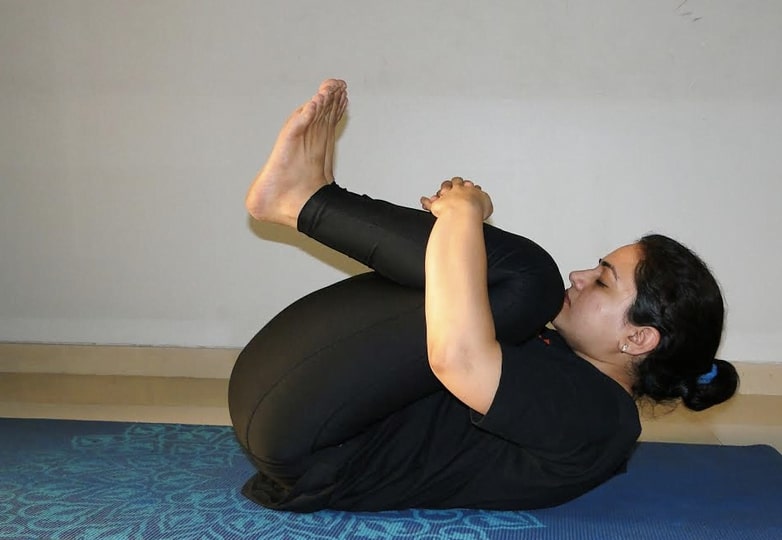
6. What should I do if my breath becomes shallow and gasping during a pose? Gently drop your knees down to the floor into child’s pose and rest until your regular nasal breathing pattern returns.
7. How do foam blocks help beginners avoid straining their lower ribs during twists? Blocks raise your spine up, creating the space your vertebrae need to twist safely without pinching your lower ribs.
8. Where can Indian citizens find live online classes that focus on helping stiff beginners? Trauma-informed wellness spaces Thiruvanmiyur programs offer excellent online classes designed specifically to guide stiff newcomers safely.
Anchoring Lifelong Physical Vitality Through Virtual Integration
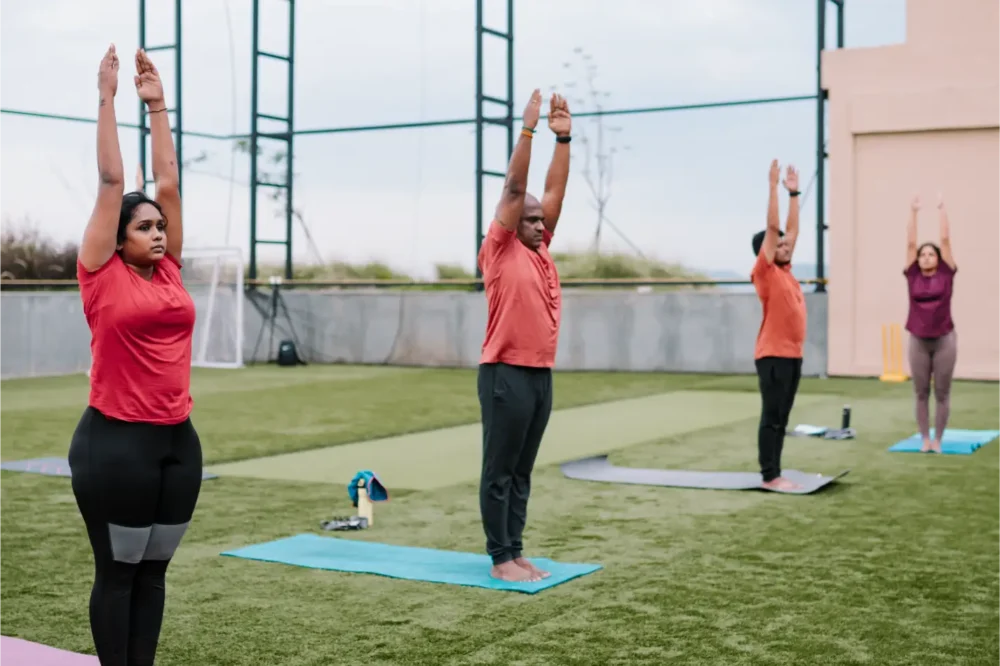
Building a dedicated, prop-supported home practice allows you to develop a resilient, pain-free body that manages daily stress with real ease. Recognizing exactly why yoga feels difficult at first for beginners empowers you to face early hurdles without losing your motivation. Your physical frame is your lifelong home; protect its wellbeing through smart habits, mindful alignment, and regular breath control.
Outdoor Yoga Chennai continues to be a premium authority across our regional wellness network, delivering top-tier classical movement education through open-air workshops and highly interactive online training paths. We invite you to step onto your mat with an open mind, stay focused on your breath, and dedicate yourself to personal growth. Explore our live digital course options today to find the ideal professional guidance for your lifelong wellness journey.



Leave a Comment