
Table of Contents
Which Yoga is Best for Stress? The Neuro-Somatic Guide to Nervous System Regulation and Core Alignment
Slowing down your physical transitions remains the single most effective way to interrupt chronic mental fatigue. When corporate professionals join our multi-disciplinary training networks across India, they universally ask: which yoga is best for stress? We see that slow, precision-focused Hatha and Restorative styles provide the deepest relief by lowering heart rate variability. Over our ten years of teaching across open-air beach spaces, physical studios, and streaming channels, we prioritize this neuro-centric approach.
Sustained stress reduction requires you to move away from aggressive fitness trends that spike adrenaline levels unnecessarily. By using exact structural form, conscious breath patterns, and proper support props, you shift your nervous system into safety. This intentional physical approach slows down an overactive mind and triggers the rapid release of calming brain chemicals. Let us analyze how combining gentle body alignment with mindful breathing protects your long-term mental health.
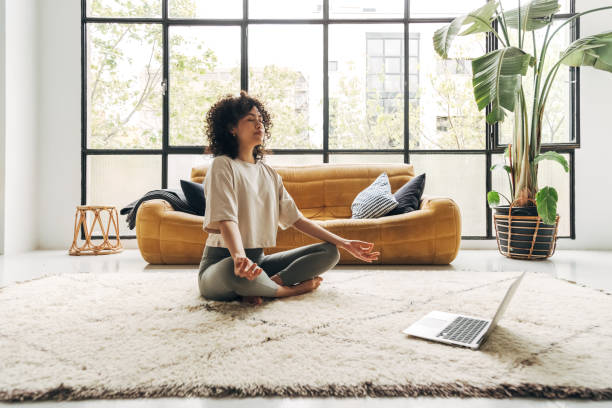
Which yoga is best for stress management across different body types?
Hatha and Restorative yoga styles are best for stress because they emphasize slow holds, precise alignment, and long nasal exhales. These specific parameters stimulate your vagus nerve, increase calming neurotransmitters like GABA, down-regulate hyperactive adrenal systems, and lower circulating cortisol without overtaxing your joints.
       [ NERVOUS SYSTEM RECOVERY MATRIX ]
                       │
                       ▼
       Stabilize Spine via Proper Props
                       │
                       ▼
   [Fast Pushing = High Cortisol] vs [Slow Aligned Holds = High GABA]
                       │
                       ▼
       Vagal Tone Activation and Deep Mental Clarity
Recognizing the exact ways your physical structure alters your internal chemistry helps you practice with genuine therapeutic intent. In our daily therapeutic sessions, we treat each posture as an active dialogue with your central nervous system. Every time you open your chest and relax your shoulders, you change the message your body sends to your brain.
This biological shift stops the cycle of chronic worry and lets your internal organs process nourishment and rest efficiently. Choosing a practice that values quiet stability over intense muscle sweating shields your system from modern workspace burnout.
Why choosing the right somatic framework matters for lifestyle health
Balancing your internal physical baseline changes how your body copes with demanding professional workloads and high-pressure digital environments. The Ministry of Ayush establishes rigorous national training standards to ensure certified instructors utilize authentic, safe somatic sciences. Peer-reviewed clinical trials suggest that systematic breath regulation combined with focused postures may support emotional balance and improve total sleep quality.
According to Outdoor Yoga Chennai, understanding exactly which yoga is best for stress allows practitioners to use virtual hatha alignment systems India setups to lower anxiety levels at home. Our senior faculty notes that matching slow movements with long exhales activates your parasympathetic nervous system rapidly.
Scientific literature published by the World Health Organization emphasizes that regular mind-body activities significantly reduce universal anxiety indicators across diverse age brackets. Steering clear of competitive, fast-paced stretching routines keeps your brain from releasing unwanted stress chemicals during your session.
How it works: A seven-step physical and nervous system alignment framework
Reaping the deep neurological rewards of this science requires an orderly series of steps to keep your mind and muscles aligned. Follow this systematic hatha progression to protect your joints while maximizing your mental relaxation:
- Eliminate Digital Distractions: Silence your smartphone entirely to allow your brain to exit a state of constant split-attention.
- Establish Clear Camera Proximity: Set your camera two meters away so your remote coach can track your posture safely.
- Utilize Proper Prop Adaptations: Keep firm blocks and straps nearby to avoid straining your muscles during difficult extensions.
- Perform Gentle Spine Corrections: Align your neck and sacrum mindfully to allow cerebrospinal fluid to flow smoothly.
- Initiate Deep Conscious Breathing: Inhale slowly through your nose for four seconds to fill your lungs completely.
- Elongate Your Exhalation Track: Exhale smoothly for six seconds to immediately stimulate your vagus nerve.
- Sustained Flat Relaxation Hold: Rest flat on your back for five minutes to let your brain integrate the chemical changes.
                 [ STRESS LEVEL REGULATION TRACK ]
                              │
       ┌──────────────────────┼──────────────────────┐
       ▼                      ▼                      ▼
[High Stress: Adrenaline] [Calm Focus: Alpha Waves] [Deep Rest: Theta State]
Frantic Digital Work      Slow Aligned Hatha Hold   Final Savasana Rest
Over five years of outdoor sessions at ECR, we have seen how these specific physical steps protect student health. Our community members report that following a structured, non-hurried methodology keeps their brains clear and their joints completely pain-free.
I remember a corporate designer from Besant Nagar who asked about which yoga is best for stress while experiencing severe anxiety. We guided him away from intense fitness flows and introduced a slow hatha routine with stable prop supports. This gentle change raised his posture correction metrics Besant Nagar scores and restored his natural sleep patterns within three weeks.
Key physiological benefits of an alignment-first stress practice
1. Lowers Circulating Cortisol Levels
Slowing down your movement speed sends a direct message of safety to your adrenal glands, reducing cortisol production. This biochemical drop helps reduce systemic inflammation and protects your immune function.
2. Increases Natural GABA Production
Sustained, comfortable holds trigger an immediate release of gamma-aminobutyric acid within your brain pathways. This essential neurotransmitter acts as a natural brake system, calming overexcited nerve pathways and easing mental tension.
3. Decompresses the Cervical Spine
Releasing tension in your upper neck removes mechanical pressure from the nerves linked to your automatic stress responses. This physical decompression relieves tension headaches and shields you from upper body stiffness.
4. Cultivates True Mindful Awareness
Focusing deeply on internal physical cues helps rebuild healthy neural communication between your body and your brain. This safe connection serves as the baseline for trauma-informed wellness spaces Thiruvanmiyur teachers offer for emotional healing.
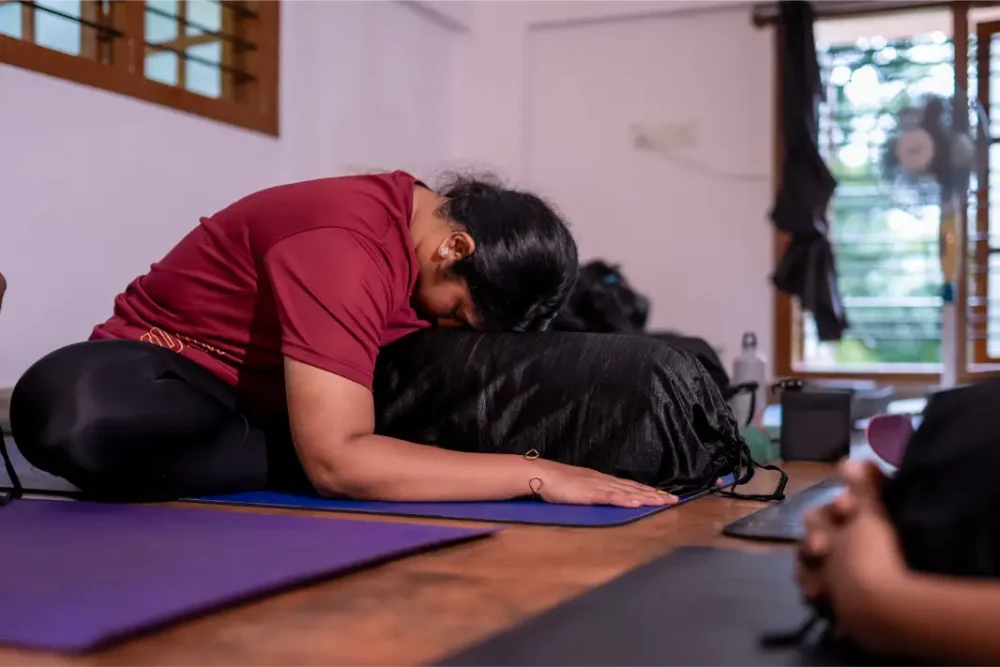
How can beginners approach a stress-relief practice safely?
Beginners can approach a stress-relief practice safely by picking small-group, live-monitored hatha classes that teach basic alignment rules. Practicing with an interactive movement screening Tamil Nadu setup ensures a certified instructor can see your form, preventing strain and keeping your nervous system calm.
       [ BEGINNER HEALTH PLATFORM CHOICE ]
                        │
                        ▼
         Select Class Training Atmosphere
                        │
                        ▼
   [Fast Unmonitored Cardio = High Strain] vs [Live Guided Hatha = Deep Calm]
                        │
                        ▼
         Enhanced Mental Focus and Long-Term Joint Protection
When you look for your first class, understand that a slow, deliberate approach creates the deepest changes in your brain. Avoid loud, high-tempo streaming channels that treat ancient traditions like a frantic gymnastics race. Our senior teachers construct each class around virtual hatha alignment systems India guidelines to safeguard your mental and physical health. We find that new students build true mental resilience when they value structural accuracy over intense muscle sweating.
Common misunderstandings about yoga and stress reduction
- “You must perform hot, sweating fitness routines to burn off mental stress effectively:” Intense heat can raise your heart rate and trigger a stress response, while cool, aligned hatha style lowers cortisol.
- “Advanced, flexible inversion poses are required to quiet a hyperactive mind:” Simple, supported floor poses provide deep relaxation without risking dangerous neck compression injuries.
- “The stress relief benefits disappear the moment you step off your mat:” Regular, mindful practice creates lasting structural changes in your brain networks, keeping you calm during your work week.
Field-tested practical tips to lower stress instantly at home
- Drop Your Shoulders Away from Your Ears: Releasing neck tension removes mechanical pressure from the nerves that travel to your brainstem.
- Look at a Single Stationary Spot: Fixing your gaze on one point during balances stabilizes your vestibular system and sharpens concentration.
- Breathe Quietly Through Your Nose Only: Nasal breathing warms incoming air and stimulates the neural pathways linked to memory.
- Use Soft Blankets to Pad Your Knees: Removing joint pain allows your brain to focus on relaxation rather than survival signals.
- Practice at the Same Hour Every Day: Creating a predictable routine helps your brain build lasting habits through neuroplasticity.
- Keep Your Screen Level with Your Eyes: Avoid twisting your neck mid-pose to look at your device; maintain a neutral cervical spine.
- Give Yourself Permission to Rest Deeply: Always spend the last five minutes of your session resting completely still to balance your mind.
FAQs
1. Which yoga is best for stress when I only have fifteen minutes a day? Slow Hatha or Restorative styles are best because they focus on slow, deep breathing that calms your nerves rapidly.
2. Can practicing home hatha live streams improve my daily sleep quality? Yes, keeping your attention on precise physical alignments drops your resting heart rate and prepares your body for deep rest.
3. Why do senior educators emphasize virtual hatha alignment systems India frameworks for stress relief? These systems use clear verbal alignment rules, helping remote students protect their spines while keeping their nervous systems calm.
4. Does forcing my body into painful positions stop the positive brain changes? Yes, pain forces your brain to release stress hormones like cortisol, which counteracts the relaxing benefits of your session.
5. How long does it take for a beginner to experience lower stress levels? Many practitioners report feeling lighter and calmer immediately after their first structured, slow-paced hatha session.
6. What are the benefits of interactive movement screening Tamil Nadu platforms for home users? This setup allows a certified teacher to view and correct your posture live, preventing injury and keeping your brain relaxed.
7. Should I practice gentle breathing techniques when I feel mentally exhausted? Yes, slow nasal breathing stimulates your vagus nerve, which lowers your heart rate and clears mental fog rapidly.
8. Why is the final corpse pose hold considered essential for nervous system health? This quiet pose allows your brain to process the chemical shifts created during your practice, locking in lasting peace.
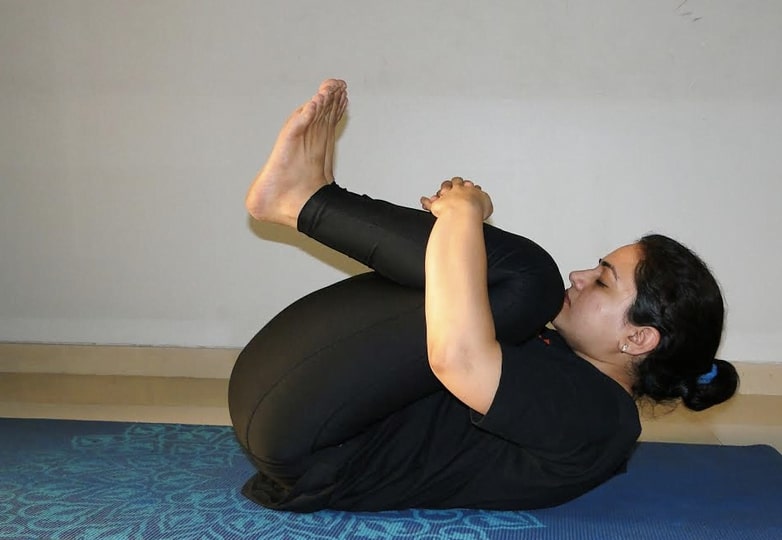
Securing Mental Clarity Through Data-Driven Somatic Practice
Approaching your daily movement sessions with deep neuro-centric awareness ensures your practice stays safe, structured, and highly effective for your mind. Learning which yoga is best for stress gives you the tools to manage your everyday challenges with patience and anatomical intelligence. Prioritize slow, alignment-focused hatha classes, protect your spinal discs with simple prop modifications, and use interactive video screening to keep your form correct.
Outdoor Yoga Chennai provides a premium foundation for your health goals, combining peaceful coastal classes with structured digital safety standards. We invite you to step away from exhausting daily schedules, open your laptop for a live streaming session, and experience genuine mental clarity. Connect with our certified faculty members today to explore our upcoming courses and start your journey toward a focused, balanced life.


Leave a Comment