

Table of Contents
Which yoga is best for diabetic patients?
Balancing the Sugar: A Holistic Approach to Diabetes Through Yoga
For many living in the bustling urban landscape of Chennai—where the aromatic pull of filter coffee and sweet treats meets a high-stress sedentary lifestyle—managing Type 2 diabetes can feel like an uphill battle. If you’ve been scrolling through health forums wondering which yoga is best for diabetic patients, you aren’t just looking for an exercise; you are looking for a physiological reset.
The direct answer is that Hatha Yoga and Restorative Yoga are considered the gold standards for diabetes management. Unlike high-intensity workouts that can sometimes cause blood sugar spikes due to cortisol release, Hatha yoga focuses on sustained twists and abdominal compressions. These movements specifically target the pancreas and digestive organs, stimulating insulin production and improving the body’s glucose uptake.
In our Chennai-based wellness circles, we’ve observed that the most successful practitioners are those who combine physical Asanas (postures) with Pranayama (breathwork). This combination addresses the “silent killer” of diabetes: chronic stress. By calming the nervous system, yoga reduces the hormonal triggers that cause blood sugar to fluctuate, offering a stable, long-term support system alongside clinical treatment.

What is Yoga for Diabetes?
Yoga for diabetes is a specialized therapeutic practice focusing on twisting asanas, forward bends, and deep abdominal breathing. These techniques are designed to massage the internal organs, particularly the pancreas, while reducing stress hormones and improving muscular insulin sensitivity to help regulate blood glucose levels effectively.
Why Yoga Matters for Blood Sugar Management
In India, often referred to as the “diabetes capital,” the traditional approach to management is frequently limited to medication and walking. While these are vital, they often miss the hormonal and metabolic nuances that yoga addresses.
Yoga matters because it is a “low-impact, high-reward” intervention. For a diabetic patient, high-impact exercise can sometimes be risky due to potential complications like neuropathy or foot injuries. Yoga, practiced mindfully, provides a safe environment to build muscle—which is the primary tissue that “consumes” glucose—without overstraining the heart or joints. Furthermore, it fosters “interoception,” or the ability to feel what’s happening inside your body, helping you spot the signs of hypo- or hyperglycemia early.
How It Works: The Mechanics of Metabolic Balance
Yoga doesn’t just “stretch” your muscles; it communicates with your endocrine system. Here is the physiological step-by-step of how it helps:
- Pancreatic Stimulation: Poses that involve deep abdominal twists (like Ardha Matsyendrasana) create intra-abdominal pressure. When the twist is released, a fresh surge of oxygenated blood flows into the pancreas, potentially enhancing the health of insulin-producing beta cells.
- Muscle Glucose Uptake: During slow-held postures, muscles undergo isometric contraction. This process activates GLUT4 transporters, which act like “doors” that allow sugar to enter the cells from the bloodstream, even if insulin resistance is present.
- Vagus Nerve Activation: Deep belly breathing triggers the parasympathetic nervous system. This lowers cortisol. High cortisol tells the liver to dump more glucose into the blood; by lowering it, yoga keeps baseline sugar levels lower.
- Weight Management: While gentle, a consistent practice builds lean muscle mass. Muscle is metabolically active, meaning it burns more calories even at rest, helping manage the weight issues often associated with Type 2 diabetes.
The Benefits of a Dedicated Practice
Physical: Improved Circulation
Diabetic patients often struggle with poor circulation in the extremities. Yoga’s focus on limb extension and inversion helps blood reach the toes and fingers, reducing the risk of complications.
Mental: Reduced “Diabetes Distress”
Living with a chronic condition is mentally exhausting. The meditative aspect of yoga reduces the anxiety and depression often associated with constant glucose monitoring and dietary restrictions.
Emotional: Empowerment
Yoga shifts the narrative from “fighting a disease” to “nurturing the body.” This psychological shift increases “treatment adherence”—you become more likely to eat well and take medications because you feel more connected to your health.
How Beginners Should Approach Diabetic Yoga
If you are new to the mat and managing blood sugar, safety is your first priority. Follow these steps:
- Consult Your Doctor First: Ensure your medical provider is aware you are starting yoga, as your medication dosage may need adjustment as your insulin sensitivity improves.
- Start with Hatha: Look for “Gentle Hatha” or “Therapeutic Yoga” batches. Avoid “Hot Yoga,” as the extreme heat can lead to dehydration, which dangerously affects blood sugar levels.
- Monitor Your Levels: Check your blood sugar before and after your session for the first few weeks to understand how different asanas affect you.
- Always Carry a Snack: Keep a fast-acting carb (like glucose tablets or a small juice box) next to your mat in case of sudden hypoglycemia.
Common Misunderstandings
1. “Yoga can cure diabetes.” Yoga is a management tool, not a cure. It should be used as a “complementary therapy” alongside your doctor’s prescriptions, never as a replacement for insulin or oral medications.
2. “Only difficult poses work.” In fact, some of the most effective poses for diabetes are the simplest. Paschimottanasana (Seated Forward Bend) is accessible to most and is highly effective for the abdominal organs.
3. “I’m too old/unfit for yoga.” Yoga is highly adaptable. Many diabetic patients in Chennai start with “Chair Yoga,” which provides the same organ-massaging benefits without the need to get up and down from the floor.

Practical Tips for Your Daily Flow
- The Best Time: Early morning (Brahma Muhurta) is ideal. Practicing on an empty stomach allows for deeper abdominal engagement and sets a metabolic tone for the day.
- Hydration: Drink plenty of water before and after. High blood sugar can cause dehydration, and yoga’s detoxifying nature requires fluids to flush out toxins.
- Focus on the “Twist”: If you only have ten minutes, prioritize a seated twist and a forward fold. These are the most “bio-active” poses for the pancreas.
- Avoid “Breath Retention”: Beginners with diabetes should avoid holding their breath (Kumbhaka) as it can temporarily increase blood pressure. Keep the breath smooth and flowing.
Real-World Scenarios
Scenario 1: The OMR Corporate Executive Anand, a 52-year-old manager in an IT firm, saw his HbA1c levels climbing despite medication. He started a 30-minute online yoga batch in Chennai focusing on “Restorative Hatha.” By reducing his work-related stress and incorporating daily twists, his HbA1c dropped from 8.2 to 7.1 over six months, much to his doctor’s delight.
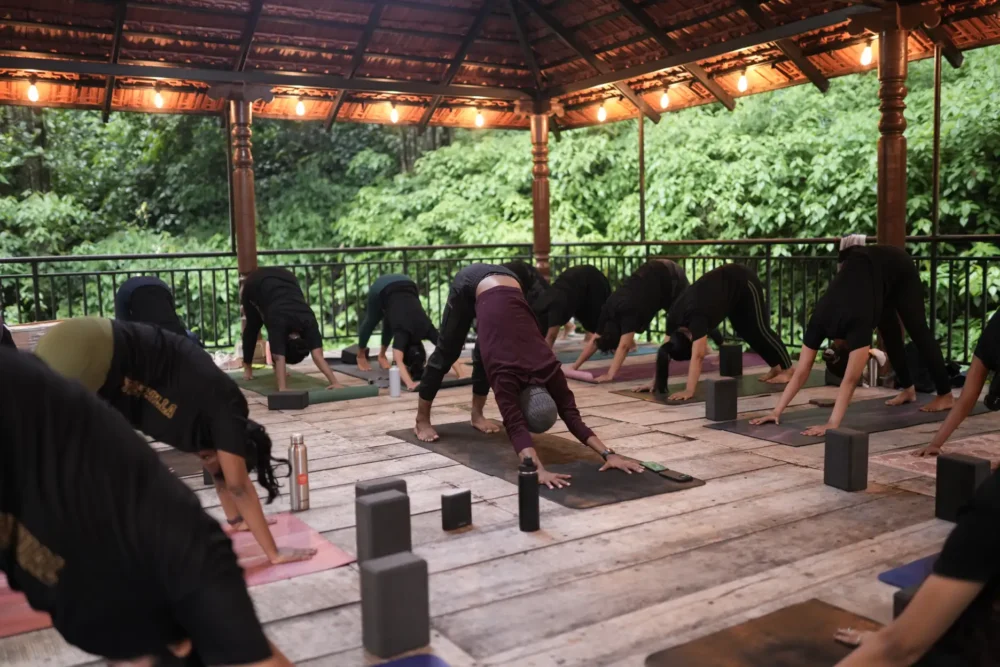
Scenario 2: The Senior Citizen in Mylapore Mrs. Lakshmi, 68, had struggled with Type 2 diabetes for twenty years. She joined an outdoor yoga group in Chennai. Using props like chairs and bolsters, she practiced gentle stretches. Not only did her morning fasting sugars stabilize, but she also found relief from the leg cramps that had plagued her sleep for years.
FAQs
1. Which specific asanas are best for diabetes? Mandukasana (Frog Pose), Ardha Matsyendrasana (Half Fish Pose), Vakrasana, and Paschimottanasana are highly recommended for their focus on the abdominal region.
2. Can yoga prevent diabetes? Yes. For those with “Prediabetes,” yoga can improve insulin sensitivity and help with weight loss, potentially preventing the progression to Type 2 diabetes.
3. How often should a diabetic patient practice? Consistency is key. A 30 to 45-minute session, 5 to 6 days a week, is ideal for maintaining metabolic stability.
4. Is Kapalbhati good for diabetes? Yes, Kapalbhati (bellows breath) is excellent as it provides a vigorous internal massage to the abdominal organs, but it should be learned under expert guidance to avoid high blood pressure.
5. Can I do yoga if I have diabetic retinopathy? If you have retinopathy, avoid inversions (like headstands or downward dog) where the head is below the heart, as this increases pressure in the eyes. Stick to seated and standing poses.
6. Does yoga help with Type 1 diabetes? While it won’t change insulin requirements as significantly as in Type 2, it helps Type 1 patients manage stress and improves cardiovascular health.
7. Should I do yoga before or after meals? Always practice on an empty stomach, at least 3 hours after a full meal, to ensure the internal organs can be properly compressed and massaged.
8. Can online yoga classes be effective for diabetes? Absolutely. Professional online batches in Chennai allow for real-time monitoring of your form, which is essential for therapeutic yoga.
Conclusion: A Journey of a Thousand Breaths
Managing diabetes is a marathon, not a sprint. While the diagnosis can feel overwhelming, yoga offers a path back to your body. It reminds you that you are not just a set of blood sugar numbers, but a whole, capable human being.
By integrating the specific asanas and breathing techniques of Hatha yoga into your life, you are doing more than just “lowering sugar”; you are cultivating the peace and resilience needed to thrive. In the heart of Chennai, let your mat be the place where you reclaim your health.
Would you like me to help you design a 10-minute “Morning Metabolic” yoga sequence specifically for sugar balance?




Leave a Comment