
Table of Contents
Which type of yoga is best for beginners?
Your First Step on the Mat: Finding the Right Start
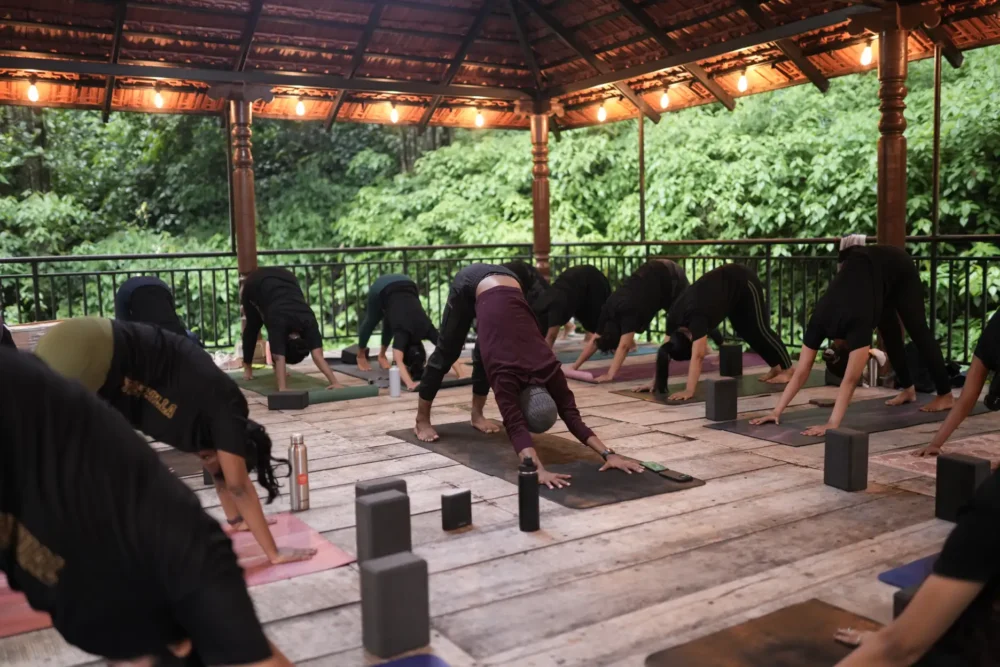
Walking into your first yoga session can feel a bit like arriving in a new city without a map. In a place like Chennai, where the yoga culture is as deep as the Bay of Bengal, the sheer variety of styles—from the vigorous flows of Vinyasa to the disciplined holds of Iyengar—can be overwhelming. You might find yourself asking: “Which type of yoga is best for beginners?“
The honest answer is that the “best” style depends entirely on what your body and mind need today. However, for most people starting out, Hatha Yoga stands as the golden standard. It is the foundational root from which most modern styles grow. Hatha moves at a pace that respects the beginner’s learning curve, focusing on basic postures, breathing, and alignment without the pressure of fast-paced transitions.
Choosing the right style early on ensures that you build a sustainable habit rather than burning out from a class that is too intense. Whether you are looking to ease the “desk-neck” from a long day at an OMR tech park or seeking mental calm amidst the bustle of T Nagar, there is a specific style designed to welcome you home to your body.
What is Beginner-Friendly Yoga?
Beginner-friendly yoga refers to styles that prioritize foundational postures (asanas), proper physical alignment, and conscious breathing (pranayama). These classes move at a slower tempo, allowing students to learn the mechanics of each movement safely while building the necessary strength and flexibility for more advanced practices.
Why It Matters: Building a Foundation for Life
Yoga is far more than a physical workout; it is a nervous system intervention. For a beginner, choosing the right style matters because it dictates your relationship with your body. If you jump into an advanced “Power Yoga” class too soon, you risk injury and frustration.
A gentle start allows your connective tissues and joints to adapt to new ranges of motion. Beyond the physical, the right beginner style helps manage the high-stress environment of urban life. It teaches you how to breathe through discomfort, a skill that is just as useful in Chennai traffic as it is during a challenging balance pose. By starting correctly, you aren’t just exercising; you are rewiring your stress response.
How It Works: Navigating the Top Beginner Styles
While Hatha is the primary recommendation, several other styles offer unique entry points depending on your goals.
1. Hatha Yoga: The Classic Foundation
Hatha is perfect for learning the “alphabet” of yoga. Each pose is held for several breaths, giving you time to adjust your feet, engage your core, and find your balance. It is the most common style found in Chennai’s traditional centers.
2. Yin Yoga: The Path of Stillness
If you are looking for deep flexibility and stress relief, Yin is an excellent choice. You spend 3 to 5 minutes in seated or reclining poses. It targets the fascia and joints rather than muscles, making it deeply meditative.
3. Iyengar Yoga: The Precision Approach
Known for the use of props like blocks, straps, and bolsters, Iyengar is ideal for those with limited mobility or a desire for perfect alignment. It is highly therapeutic and educational.
4. Restorative Yoga: The Art of Relaxation
This style uses props to fully support the body, allowing for total relaxation. It is less about “doing” and more about “being.” It is the ultimate antidote to burnout.
The Benefits of a Beginner-Specific Practice
- Physical: Improved spinal mobility, reduced joint stiffness, and increased functional strength.
- Mental: Enhanced focus, reduced “brain fog,” and a greater sense of presence.
- Emotional: A significant reduction in cortisol (stress hormone) levels and improved emotional resilience.
- Safety: Learning proper alignment from day one prevents the development of “compensatory movements” that lead to chronic pain.
How Beginners Can Approach Their First Class
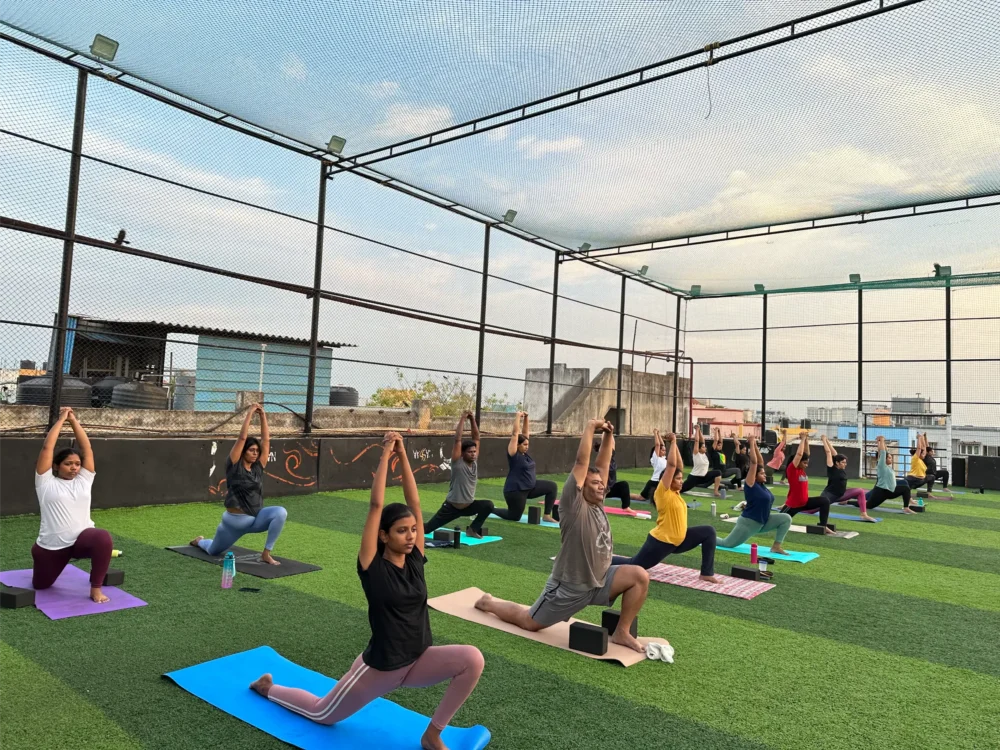
Starting a practice in Chennai doesn’t require a boutique wardrobe or a “bendy” body. Here is how to approach it:
- Lower the Stakes: Tell yourself the first three classes are just an experiment. You are there to observe, not to perform.
- Communicate with the Instructor: Arrive 10 minutes early. Tell the teacher you are a beginner and mention any old injuries, like a sensitive lower back or a weak wrist.
- Focus on the Breath: If a pose feels too complicated, just sit and breathe. The breath is the most advanced part of yoga anyway.
Real-World Scenarios
Scenario 1: The Corporate Professional in Adyar
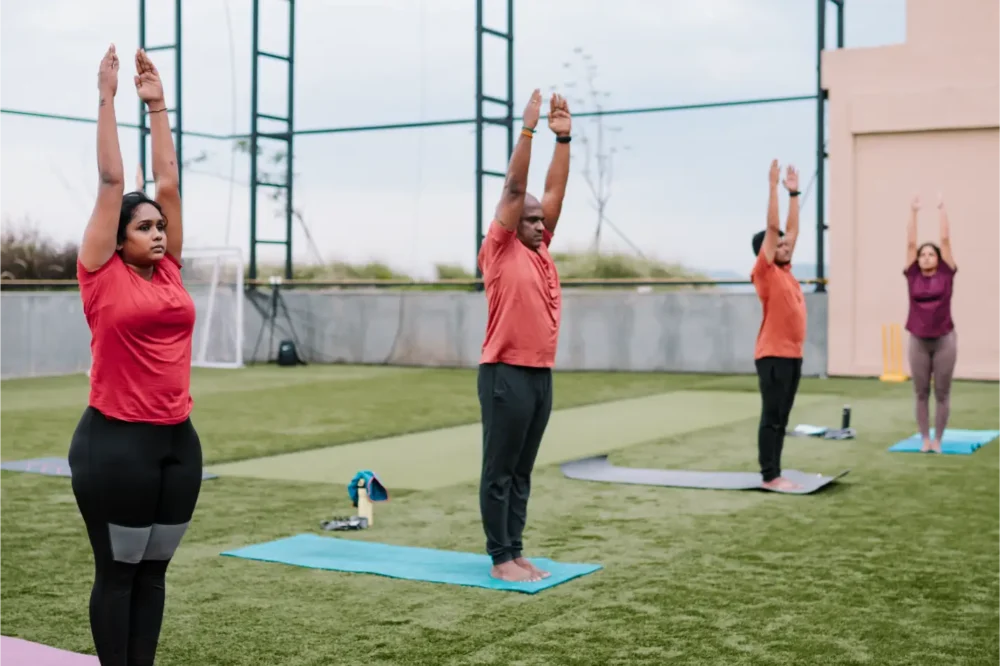
Suresh, a 40-year-old manager, felt “stiff as a board” from years of sitting. He was intimidated by the “Instagram version” of yoga. He joined a beginner Hatha class at an outdoor park. By focusing on simple movements like Cat-Cow and downward-facing dog, he regained his range of motion within six weeks without ever feeling “out of place.”
Scenario 2: The Stressed Student in Anna Nagar
Priya was dealing with exam anxiety and poor sleep. She tried a Vinyasa class but found it too fast. When she switched to a Yin Yoga class, the long holds and quiet environment gave her the mental space she needed. The slow pace allowed her to actually feel her body relax, leading to better sleep and focus.
Common Misunderstandings
- “I’m not flexible enough for yoga”: Saying you’re too stiff for yoga is like saying you’re too dirty for a bath. Flexibility is the result, not the requirement.
- “Yoga is just stretching”: Yoga is neuromuscular training. It involves strength, balance, and intense mental discipline.
- “I need to do it every day”: Even two days a week of consistent beginner yoga can create profound changes in your health.
Practical Tips for Your Yoga Journey
- Mat Quality Matters: Invest in a good anti-skid mat. Slipping during a pose is the easiest way to lose confidence.
- Hydrate, but not during: Drink water before and after, but try to keep your stomach relatively empty during the actual practice to avoid discomfort during twists.
- The “24-Hour Rule”: Notice how your body feels the day after class. A little muscle soreness is fine, but sharp joint pain means you should modify your poses next time.
- Local Context: In Chennai’s humidity, cotton clothing is often more comfortable than synthetic “activewear” for traditional Hatha sessions.
Frequently Asked Questions (FAQs)
1. Can I learn yoga online as a beginner? Yes, but it is highly recommended to attend a few live sessions (online or in-person) where a teacher can see you and provide real-time verbal corrections to ensure safety.
2. How many times a week should a beginner practice? Starting with 2 to 3 sessions a week is ideal. It gives your body time to recover while building the “muscle memory” needed for progress.
3. Is Hatha yoga better than Vinyasa for beginners? Usually, yes. Hatha is slower and focuses on one pose at a time, whereas Vinyasa “flows” quickly between poses, which can be confusing and risky for someone who hasn’t learned the alignment yet.
4. What should I wear to my first class in Chennai? Comfortable, breathable cotton leggings or track pants and a T-shirt. Avoid overly baggy clothes that might get in your way during inversions.
5. I have back pain; can I still start yoga? Absolutely. Many people start yoga specifically to manage back pain. Just ensure you choose a “Gentle” or “Therapeutic” class and inform your instructor beforehand.
6. Do I need to follow a vegetarian diet to do yoga? No. While yoga philosophy encourages mindful eating, there are no dietary “requirements” to start the physical practice of yoga.
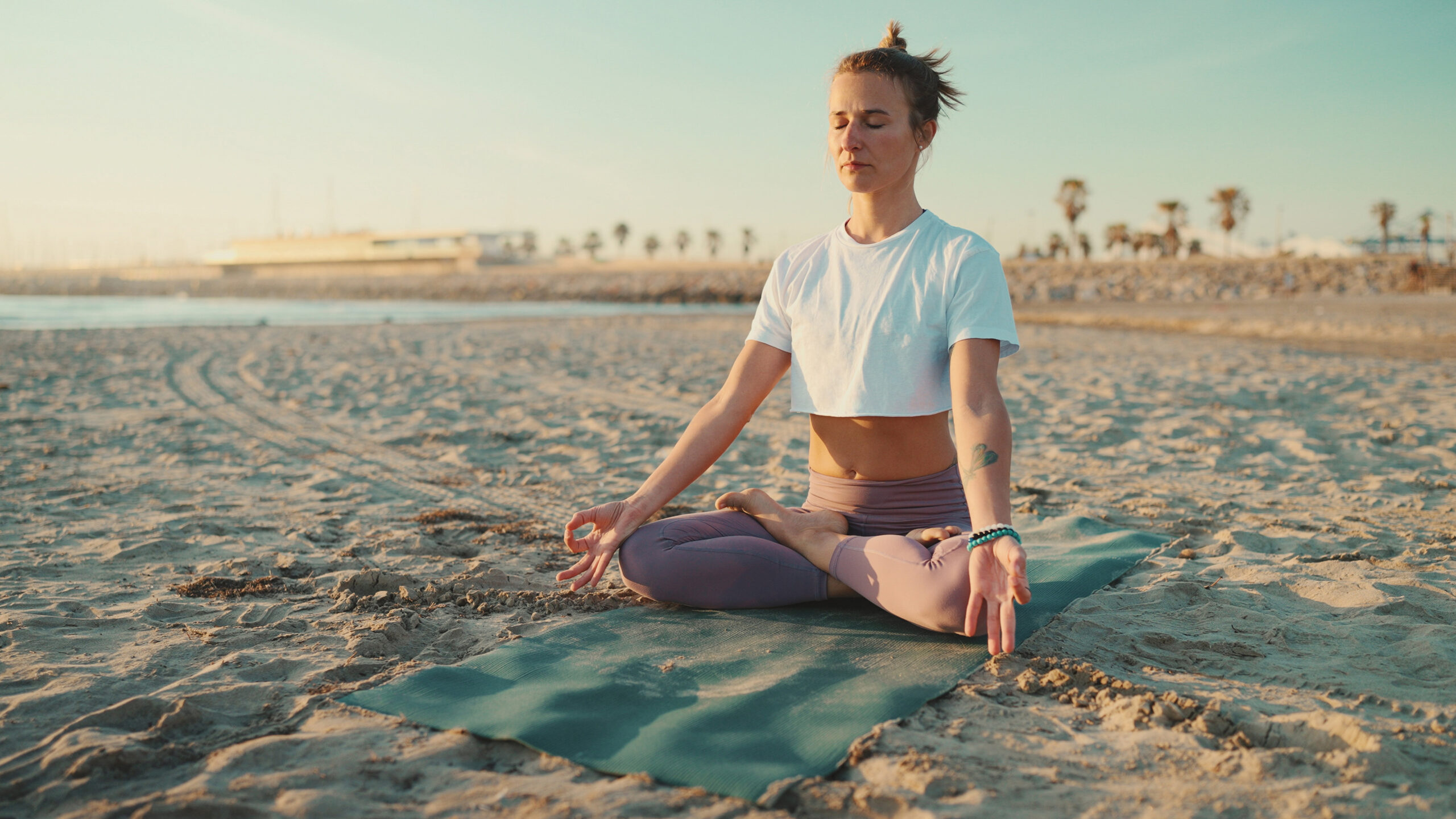
7. Is outdoor yoga good for beginners? Outdoor yoga is excellent as it provides fresh air and a grounded environment. However, ensure the surface is flat to protect your wrists and ankles.
8. How long until I see results? You will likely feel a “mental shift” and better sleep after the very first class. Physical flexibility and strength typically show noticeable improvement after 4 to 8 weeks of consistent practice.
Conclusion: Honor Your Pace
The journey of a thousand miles begins with a single, mindful breath. Yoga is not a race, and there is no “perfect” version of a pose—only the version that serves your body today. In Chennai, a city that respects both tradition and progress, your yoga practice can be your anchor.
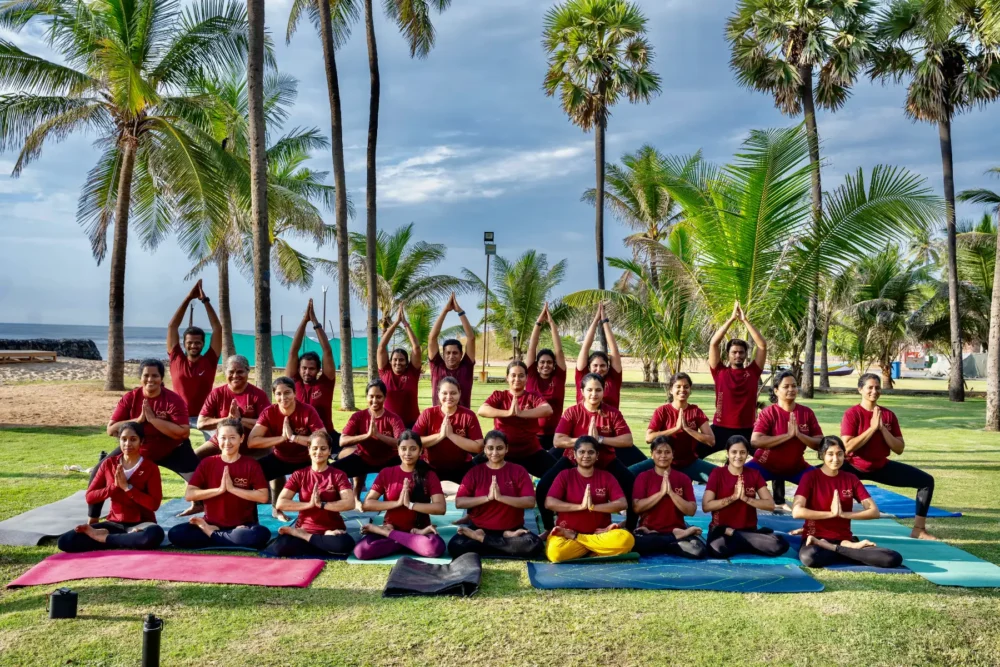
Choose a style that makes you feel safe and encouraged. Whether you find yourself in a quiet studio or under the trees in a local park, remember that the most important part of yoga is simply showing up for yourself.
Would you like me to help you find a beginner-friendly outdoor yoga group in your neighborhood in Chennai or perhaps suggest a 10-minute home routine to get you started?


Leave a Comment