
Table of Contents
What Should You Eat Before Yoga?
Fueling Your Flow: The Pre-Yoga Nutrition Guide
The golden rule of yoga is simple: listen to your body. Yet, when it comes to nutrition, many practitioners feel conflicted. Should you eat to avoid feeling faint, or fast to avoid feeling sluggish?
The reality is that your pre-yoga fuel significantly impacts your comfort, focus, and energy levels on the mat. Eating the wrong foods—or eating at the wrong time—can turn a restorative flow into a struggle against bloating and lethargy.
In this guide, we explore how to time your meals and choose ingredients that support your practice, whether you are attending a sunrise session in Chennai or an evening restorative class.

What is Pre-Yoga Nutrition?
Pre-yoga nutrition is the strategic intake of light, easily digestible food consumed 1 to 3 hours before your practice. Its purpose is to provide sufficient blood glucose for energy without taxing the digestive system, allowing the body to prioritize movement and breath rather than processing a heavy meal.
Why Timing and Quality Matter
Yoga involves twists, inversions, and deep breathing, all of which place mechanical pressure on the abdomen. If your stomach is full, these movements become uncomfortable and physically restrictive.
Beyond comfort, your brain requires steady energy to maintain the mindfulness that defines yoga. When you choose foods that lead to a “sugar crash,” you lose the mental clarity that is essential for your asana (posture) practice.
Proper pre-yoga fuel ensures your body is neither starving nor burdened, allowing you to enter your practice with a sense of lightness and vitality.
How It Works: The Digestion Timeline
To optimize your practice, consider the “digestion window” for your body:
- 3+ Hours Before: You can have a balanced meal with complex carbohydrates and light protein.
- 1–2 Hours Before: Stick to a small snack, like a piece of fruit or a handful of nuts.
- Less than 60 Minutes: Ideally, consume nothing but a few sips of water. If you feel faint, a very small piece of fruit (like half a banana) is your best bet.
The Benefits of Mindful Pre-Yoga Eating
Physical Comfort
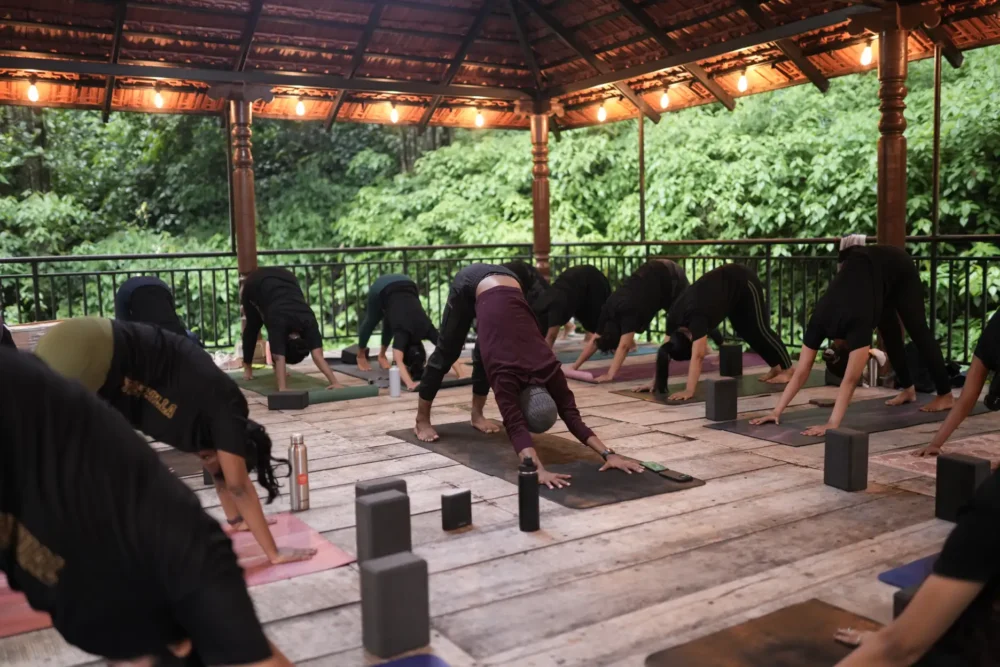
By allowing your food time to digest, you prevent acid reflux and bloating during inversions like Adho Mukha Svanasana (Downward Facing Dog).
Sustained Energy
Choosing low-glycemic foods ensures a slow, steady release of energy, preventing the mid-class fatigue that often comes from processed sugary snacks.
Mental Clarity
When your digestive system isn’t working overtime, your nervous system remains calm. This makes it easier to achieve the state of “flow” that yoga aims to cultivate.

How Beginners Can Approach Nutrition
If you are new to yoga, don’t overcomplicate your diet. Start by observing how you feel after different types of meals.
If you have a morning class, try a light, natural snack upon waking. If you practice in the evening, notice how a heavy lunch impacts your energy during class. Small adjustments are the key to building a sustainable habit.
Common Misunderstandings
- “I should practice completely fasted”: While some practitioners prefer an empty stomach, others feel weak. It is about individual biology, not a rigid rule.
- “Energy drinks are good pre-yoga fuel”: These are often packed with caffeine and synthetic sugars that cause heart palpitations and jitters during the quiet moments of yoga.
- “Protein is the only thing that matters”: Protein is vital for recovery after yoga. Before class, focus on easy-to-digest carbohydrates for immediate energy.
Practical Tips for Your Practice
- Hydration is Key: Drink water throughout the day, but avoid large quantities right before stepping on the mat to prevent a “sloshing” feeling.
- Listen to Your Schedule: Tailor your snacks to the intensity of the class. A gentle Hatha class requires less preparation than an intense Power Vinyasa session.
- Keep a Food Log: Spend one week noting what you ate and how it felt during your class. Your body is the best teacher.
Real-World Examples
Example 1: The Morning Practitioner
Maya attends a 7:00 AM class. She wakes up at 6:00 AM, drinks a glass of warm water with a squeeze of lemon, and eats half a small banana. She arrives at her Chennai studio feeling light, hydrated, and ready to flow without feeling weighed down.
Example 2: The After-Work Yogi
Vikram finishes work at 5:00 PM and goes to a 6:30 PM class. He eats a small bowl of soaked almonds and a dates at 4:30 PM. This provides just enough sustained energy to get through his practice without feeling hungry or bloated by the time he arrives at the studio.
Frequently Asked Questions (FAQs)
1. Is it bad to practice yoga on a full stomach? Yes, it can cause discomfort, bloating, and nausea, especially during twists and inversions. Wait at least 2–3 hours after a full meal.
2. What is the best fruit to eat before yoga? Bananas are excellent because they are rich in potassium and easy to digest. Berries or dates are also great options for quick energy.
3. Can I drink coffee before yoga? Caffeine can increase heart rate and may cause jitters during deep breathing. If you must have coffee, keep it light and consume it at least an hour before.
4. What should I eat if I have a very early morning class? A few sips of water and a small piece of fruit are usually sufficient to bridge the gap without causing stomach upset.
5. How do I know if I ate too much? If you feel sluggish, heavy, or experience indigestion during class, you likely ate too much or too close to your session time.
6. Does the type of yoga change what I should eat? Yes. A high-intensity Power Yoga class may require slightly more sustained energy (like a small portion of nuts), while Yin or Restorative Yoga requires very little fuel.
Embracing a Mindful Approach
Yoga nutrition isn’t about rigid restrictions; it’s about treating your body with the kindness it needs to move freely. By choosing light, whole-food options and honoring your body’s digestion time, you set the stage for a practice that nourishes both your physical and spiritual self.
Remember, the goal of yoga is balance. Bringing that same balance to your relationship with food is a beautiful extension of the practice itself.
Are you ready to deepen your practice? Join us in Chennai for a session where we explore how to align movement, breath, and lifestyle for total well-being.





Leave a Comment