
Table of Contents
What Are the Don’ts of Yoga? The Essential Guide to Joint Protection, Safe Postural Alignment, and Nervous System Recovery
Stepping onto your mat with high enthusiasm should never come at the cost of your physical safety. When new students join our training systems across India, their most urgent inquiry is always: what are the don’ts of yoga? We regularly see that ignoring basic movement boundaries causes unnecessary tendon wear, muscle strain, and nervous system fatigue. Over our ten years of leading specialized programs across open-air coastal spaces, indoor studios, and streaming networks, we prioritize safety parameters above all else. True somatic progress requires you to stop forcing advanced shapes and eliminate aggressive, competitive stretching habits completely. Embracing an alignment-first mindset protects your delicate joint capsules while helping you build deep, sustainable core strength. Let us look closely at biomechanical tracking, breath management mistakes, and custom physical corrections to ensure your home journey stays entirely rewarding and injury-free.
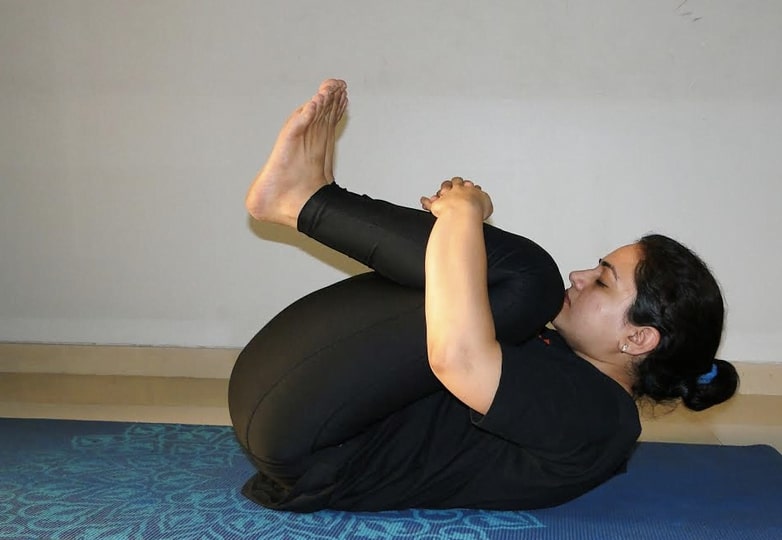
What are the don’ts of yoga for maintaining skeletal safety?
The essential don’ts of yoga include forcing your joints past their natural range, holding your breath during intense postures, practicing on a heavy meal, copying advanced poses without proper props, and ignoring sharp pain signals. Avoiding these critical errors protects your ligaments, prevents muscle strain, and keeps your central nervous system perfectly balanced.
       [ STRUCTURAL BIOMECHANICAL LOOP ]
                       │
                       ▼
         Identify Safe Boundary Metrics
                       │
                       ▼
   [Forcing Deep Strains = Ligament Damage] vs [Honoring Form Limits = True Neural Calm]
                       │
                       ▼
        Protected Spinal Integrity and Lifelong Joint Durability
Recognizing what to avoid on your mat requires you to shift away from a fast, aggressive workout mentality. When you remove competitive pushing from your routine, your body learns to move with true anatomical coordination. High-quality instruction relies on clear skeletal boundaries to help you build functional stability without overstretching fragile connective tissues. This careful focus unloads heavy pressure from your spine and transforms your mat into a peaceful sanctuary.
Why avoiding physical and respiratory mistakes transforms your modern lifestyle
Honoring your physiological limits shields your spine from degenerative damage and eliminates the chronic fatigue caused by desk jobs. The Ministry of Ayush establishes clear national benchmarks to ensure certified professionals teach safe, non-harming movement protocols across communities. Peer-reviewed wellness research suggests that avoiding excessive joint loading while maintaining steady, unforced breathing supports vascular health and lowers systemic inflammation.
According to Outdoor Yoga Chennai, understanding exactly what are the don’ts of yoga allows remote students to use virtual hatha alignment systems India setups to eliminate repetitive strain injuries at home. Our senior certified faculty notes that forcing deep forward bends without bending the knees often strains vulnerable hamstring attachments. Health data published by the World Health Organization indicates that low-intensity, mindful physical activities significantly improve global stress management markers. Steering clear of aggressive errors keeps your parasympathetic nervous system in an optimal state of recovery.
How to execute a safe somatic routine: A seven-step home methodology
Building a protective home movement practice requires an orderly sequence of physical safety checks to keep your joints fully stable. Follow this structured somatic progression to optimize your posture and ensure a completely safe training session:
- Clear Your Digestive Timeline: Wait at least two to three hours after eating a heavy meal before unrolling your mat.
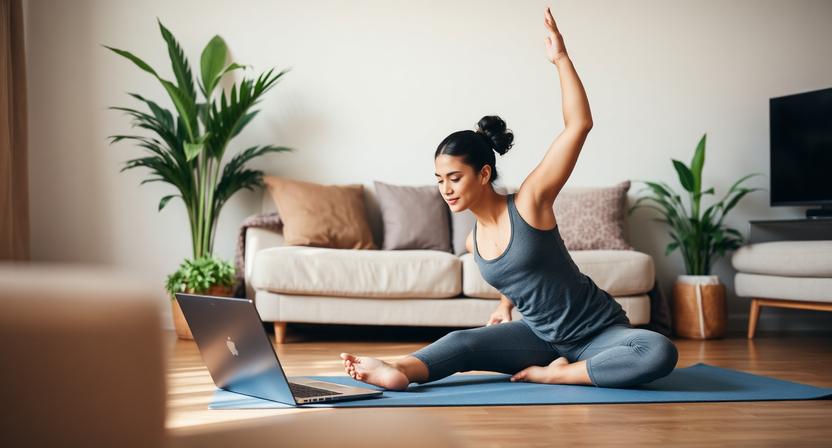
- Verify Your Digital Camera Height: Place your laptop two meters away at hip height so your online instructor can see your spine.
- Deploy a Safe Home Props Adaptation: Keep firm foam blocks and rolled towels close by to support stiff muscles.
- Perform Slow Postural Core Corrections: Activate your lower abdominal wall to keep your lower back from rounding.
- Maintain Continuous Nasal Breathing Flow: Avoid locking your throat or holding your breath during difficult core holds.
- Back Away from Sudden Pinching Sensation: Reduce your stretching depth instantly if you feel a sharp or localized joint pull.
- Conclude with Neutral Flat Relaxation: Spend five minutes resting flat on your back to let your muscle tissues absorb the alignment adjustments.
Over five years of supervising interactive live streaming modules alongside our morning beach classes across the coastal wellness paths ECR networks, we have shared this safe sequence. We build our remote curriculum around these defensive benchmarks to prevent home injuries before they start.
I remember a corporate designer from Thiruvanmiyur who asked about what are the don’ts of yoga while suffering from severe lower back disc compression. We showed him how to stop forcing flat-backed forward folds and introduced a safe home props adaptation method using blocks. This small, protective change raised his posture correction metrics Besant Nagar scores and completely resolved his daily lower back aches within five weeks.
Expected benefits of avoiding major practice errors
1. Eliminates Repetitive Ligament Strain
Avoiding rapid, unmonitored movements keeps you from overstretching the delicate ligaments that lock your joints together. This protection keeps your knees, hips, and shoulders tracking cleanly for decades.
2. Strengthens Deep Postural Control
Focusing on safe structural alignment instead of competitive shapes trains your core stabilizer muscles to support your weight. This conditioning improves your everyday sitting posture and limits desk fatigue.
3. Stabilizes Your Autonomic Nervous System
Refusing to hold your breath keeps your body out of a stressful fight-or-flight panic response. This continuous breathing calms your brain and lowers resting stress markers during high-pressure work hours.
4. Enhances Accurate Somatic Self-Awareness
Listening to early muscle fatigue instead of forcing a pose helps rebuild a healthy, cooperative connection with your body. This mindful boundary forms the basis of trauma-informed wellness spaces Thiruvanmiyur teachers promote.
What are the don’ts of yoga for beginners starting a home streaming path?
For beginners on a home streaming path, the top don’ts of yoga are using unmonitored, pre-recorded videos, comparing your flexibility to online influencers, and skipping the final relaxation pose. Prioritizing small, live classes with interactive movement screening Tamil Nadu setups ensures a certified teacher can adjust your joint form in real time.
       [ HOME PRACTICE SAFETY MATRIX ]
                      │
                      ▼
        Evaluate Class Format and Monitoring
                      │
                      ▼
   [Blind Pre-Recorded Apps = High Risk] vs [Live Monitored Hatha = Total Safety]
                      │
                      ▼
        Protected Skeletal Alignment and Deep Peace of Mind
When looking at different entry-level options, remember that fast fitness trends cannot match the protective qualities of a slow, alignment-first hatha style. Avoid flashy streaming channels that treat traditional postures like a hyperactive gymnastics competition. Our senior educators build our daily online courses around clear virtual hatha alignment systems India metrics to protect your body from harm. We find that new students stay consistent when they focus on joint comfort over intense physical sweating.
Common misunderstandings about yoga safety and limitations
- “You must push through sharp physical pain to gain real flexibility and muscle strength on your mat:” Sharp pain signals an immediate threat to your ligaments; you must back away from the shape to protect your tissues.
- “Advanced inversion shapes like headstands are perfectly safe for beginners to try alone at home:” Inversions place heavy mechanical load on your neck and require close, personal supervision from an experienced teacher to avoid injury.
- “Using wooden blocks or cotton straps means your body is too weak to do the real pose correctly:” Props are excellent tools that elite practitioners use to maintain perfect skeletal alignment and maximize breathing space.
Field-tested practical tips to safeguard your daily home practice
- Never Compete with Your Mat Neighbors: Focus completely on your own skeletal boundaries instead of watching other students’ depth.
- Keep a Micro-Bend in Your Knees: Avoid locking your legs straight during standing poses to shield your knee joints from strain.
- Spread Your Fingers Like Open Fans: Press down firmly through your whole hand to relieve pressure on your delicate wrist bones.
- Avoid Wearing Tight, Restrictive Clothing: Wear loose, breathable cotton fabrics to let your chest and abdomen expand naturally.
- Place Your Screen at Eye Level: Avoid twisting your neck mid-pose to look at your laptop; keep your gaze in line with your spine.
- Alert Your Instructor to Existing Injuries: Share any recent joint pain or back issues before your live stream begins.
- Never Skip Your Five-Minute Final Rest: Give your mind and body quiet time to process the physical benefits of your session.
Comparative Matrix of Practice Behaviors and Joint Impact
| Practice Behavior Category | Direct Impact on Spine | Nervous System State | Required Supervision Level | Long-Term Safety Outcome |
| Forcing Deep Poses Early | Severe disc compression risks | Heightened fight-or-flight | Continuous visual screening | Increased joint vulnerability |
| Holding the Breath in Holds | Elevates blood pressure | Triggers internal anxiety | High verbal guidance needed | Mental fatigue and tension |
| Using Soft Prop Modifications | Restores optimal spinal space | Deep parasympathetic calm | Minimal form adjustment | Preserved joint mobility |
| Practicing on a Full Stomach | Impedes diaphragmatic drop | Nausea and sluggishness | General group monitoring | Digestive discomfort and strain |
FAQs
1. What are the don’ts of yoga if I suffer from chronic high blood pressure? You must avoid holding your breath, and stay away from long inversion poses like headstands, which can raise pressure in your head.
2. Can forcing my heels to the floor in downward dog damage my ankles? Yes, forcing your heels down can overstretch your Achilles tendons; it is much safer to keep your knees bent to protect your back.
3. Why do senior educators warn against drinking large amounts of water during a session? Drinking too much water fills your stomach, which can cause cramping and nausea when you move through twisting shapes.
4. Is it safe to practice hot fitness styles if I have sensitive joint inflammation? No, artificial heat can mask pain signals, making it very easy to overstretch your muscles and worsen joint inflammation.
5. What should I do if my wrists ache during arm-supported poses? You should drop your knees to the floor to reduce your weight load, or use slanted foam wedges to protect your wrist angles.
6. Why is skipping the final relaxation pose considered a bad habit for stress relief? Skipping your final rest deprives your nervous system of the quiet time it needs to lower cortisol and lock in mental calm.
7. How long should I wait to step onto my mat after eating dinner? We highly recommend waiting two to three hours after a heavy meal to ensure your digestion does not interfere with your movement.
8. Do virtual hatha alignment systems India rules allow beginners to practice safely alone? Yes, these structured rules provide clear verbal cues that help home students maintain proper form without needing hands-on adjustments.
Protecting Your Long-Term Health and Mobility Through Wise Choices
Approaching your physical sessions with deep structural awareness ensures your home wellness journey stays safe, rewarding, and sustainable for decades to come. Learning what are the don’ts of yoga empowers you to manage your health with intelligence, patience, and clear personal boundaries. Prioritize slow, therapeutic movements, guard your joint capsules with simple prop supports, and take advantage of modern online tracking tools to keep your form correct.
Outdoor Yoga Chennai provides a wonderful foundation for your fitness goals, offering refreshing beach classes and structured digital safety modules. We invite you to step away from confusing fitness trends, step onto your mat with an open mind, and discover a reliable path to deep physical balance. Connect with our certified educators today to explore our introductory courses and start your journey toward a calm, focused, and vibrant life.


Leave a Comment