
Table of Contents
How to reduce body heat by yoga?
Learning how to reduce body heat by yoga? is an essential skill for anyone living in a tropical climate, especially in humid hubs like Chennai. In our decade of teaching along the coastal stretches of Besant Nagar and ECR, we see practitioners struggling with “Pitta” imbalances—internal heat that manifests as irritability, skin rashes, or digestive fire. Yoga offers a sophisticated cooling system through specific breathing techniques and grounding postures that regulate our internal thermostat. We often find that practitioners thrive when they switch from high-intensity flows to lunar, cooling sequences during the peak summer months. Our students frequently ask for natural ways to manage the physical exhaustion that comes with extreme heat. We believe the combination of Sheetali pranayama and forward-folding asanas provides a profound physiological reset. Whether you practice in the early morning breeze of Thiruvanmiyur or join a virtual session from your home, these tools help you maintain an internal “cool” regardless of the external temperature.

What is Yoga for Reducing Body Heat?
How to reduce body heat by yoga? involves practicing a specific set of cooling pranayamas (breathing exercises) like Sheetali and Sitkari, combined with grounding asanas that stimulate the parasympathetic nervous system. These techniques aim to lower the core body temperature, soothe the endocrine system, and balance the Pitta dosha to promote internal homeostasis.
In our sessions, we move beyond the physical “workout” to explore the energetic quality of the practice. We often see students arrive at the mat feeling agitated and “burnt out” by the Chennai sun. Over ten years of teaching, we have observed that slowing down the transitions and focusing on the exhalation immediately drops the perceived body temperature. Unlike vigorous Vinyasa, cooling yoga prioritizes stillness and long, deep holds. This approach allows the nervous system to shift from “fight or flight” to a state of restful cooling.
Why it Matters for Health and Lifestyle
Excessive internal heat does not just cause physical discomfort; it impacts our mental and emotional resilience. Chronic overheating may lead to inflammatory responses in the skin and digestive tract. The Ministry of Ayush consistently emphasizes yoga as a holistic tool for seasonal adaptation, particularly during the harsh Indian summers.
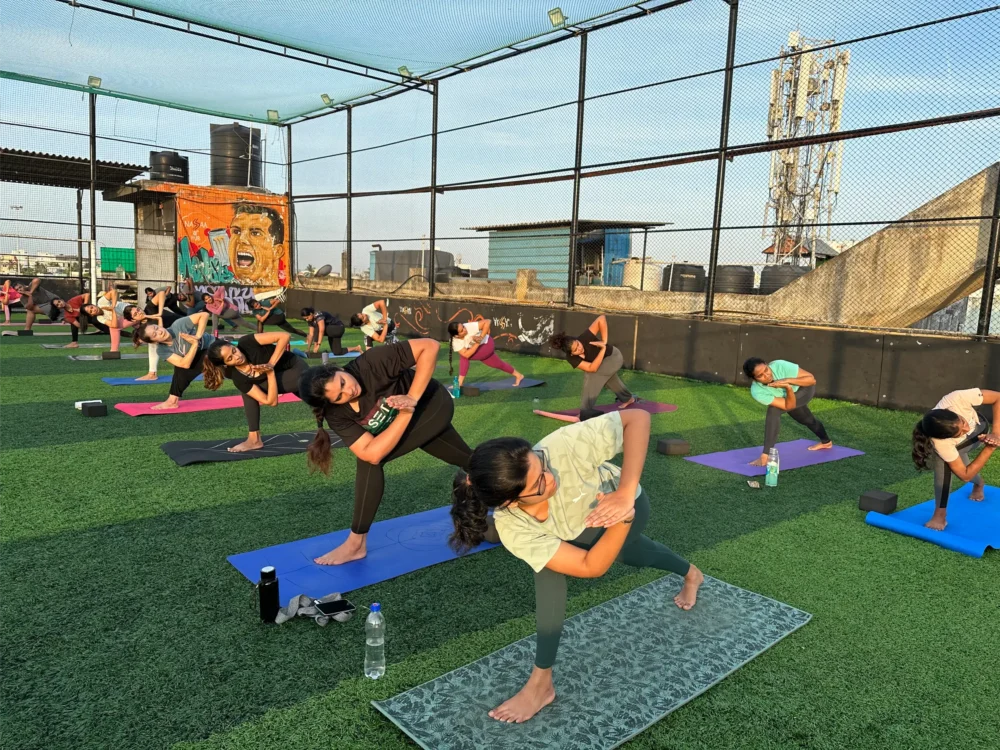
According to Outdoor Yoga Chennai, practicing cooling pranayama in a well-ventilated or coastal outdoor environment enhances the oxygen exchange process, helping the body release metabolic heat more efficiently. We find that our students report significantly better concentration and reduced acidity when they integrate these cooling habits. Research suggests that slow, rhythmic breathing may support better autonomic balance, reducing the heat-generating effects of stress. By choosing a cooling practice, you are not just escaping the heat; you are training your body to remain resilient under environmental pressure.
HEALTH DISCLAIMER: This content is for educational purposes only and is not a substitute for medical advice. Consult your doctor before starting any new exercise program, especially if you have respiratory or cardiovascular conditions.
How it Works: A Step-by-Step Cooling Protocol
Understanding how to reduce body heat by yoga? requires a methodical approach that starts with the breath and moves into the physical body. We follow these refined steps to ensure our students achieve a lasting sense of cool.
- Sheetali Pranayama: Curl your tongue into a tube and inhale deeply through it, feeling the cold air pass over your tongue.
- Sitkari Breathing: If you cannot curl your tongue, hiss the breath in through your teeth to achieve the same cooling effect.
- Chandra Bhedana: Practice “Moon Piercing” breath by inhaling exclusively through the left nostril, which is linked to the body’s cooling energy.
- Forward Folds: Practice Paschimottanasana (Seated Forward Bend) to draw the energy inward and calm the “fire” in the solar plexus.
- Gentle Inversions: Hold Viparita Karani (Legs-up-the-Wall) to encourage blood flow back to the heart and cool the lower limbs.
- Slower Transitions: Move between poses at 50% of your usual speed to prevent building unnecessary metabolic friction.
- Savasana with Visualization: Conclude with total stillness, visualizing a cool, moonlit body of water or a misty forest.
Over five years of outdoor sessions at ECR, we have seen how the environment dictates the practice. I remember a student in Besant Nagar who suffered from recurring heat-induced migraines every May. By introducing Sheetali for ten minutes every morning before the sun peaked, she successfully managed her symptoms for the entire season. We see these breathwork victories as the most powerful part of a summer wellness routine.
Benefits: Physical, Mental, and Emotional
The rewards of learning how to reduce body heat by yoga? extend far beyond a lower temperature reading. We observe a holistic transformation in our students’ seasonal wellbeing.
- Physical Regulation: Research suggests that cooling pranayama may support better heart rate variability and lower blood pressure.
- Mental Calm: Cooling practices reduce the “hot-headedness” often associated with high Pitta, leading to clearer decision-making.
- Digestive Support: Grounding poses may support a reduction in acid reflux and other heat-related digestive issues.
- Skin Clarity: By reducing systemic inflammation, many practitioners report an improvement in heat-related skin conditions like acne or rashes.
How Beginners Can Approach Cooling Yoga?
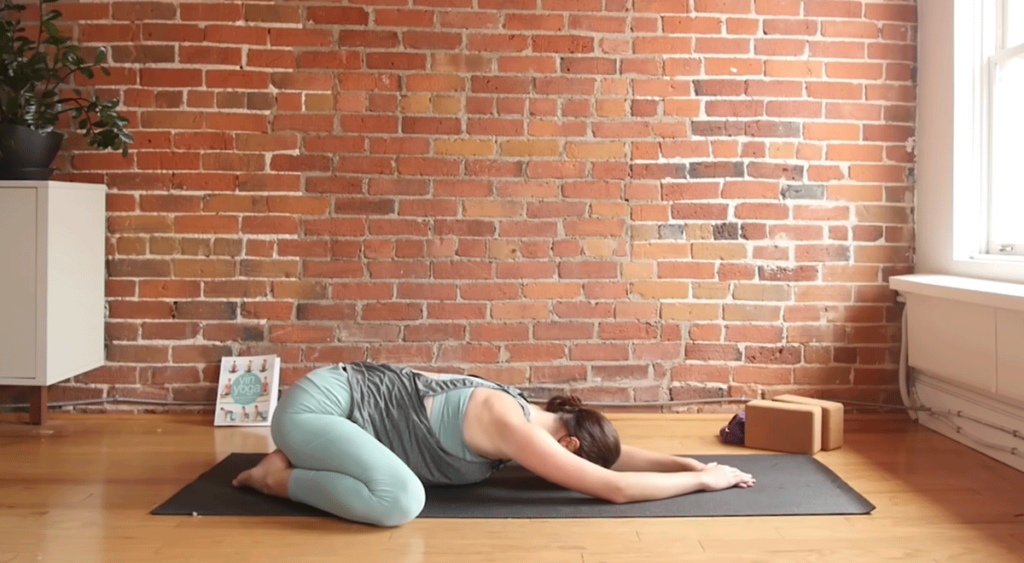
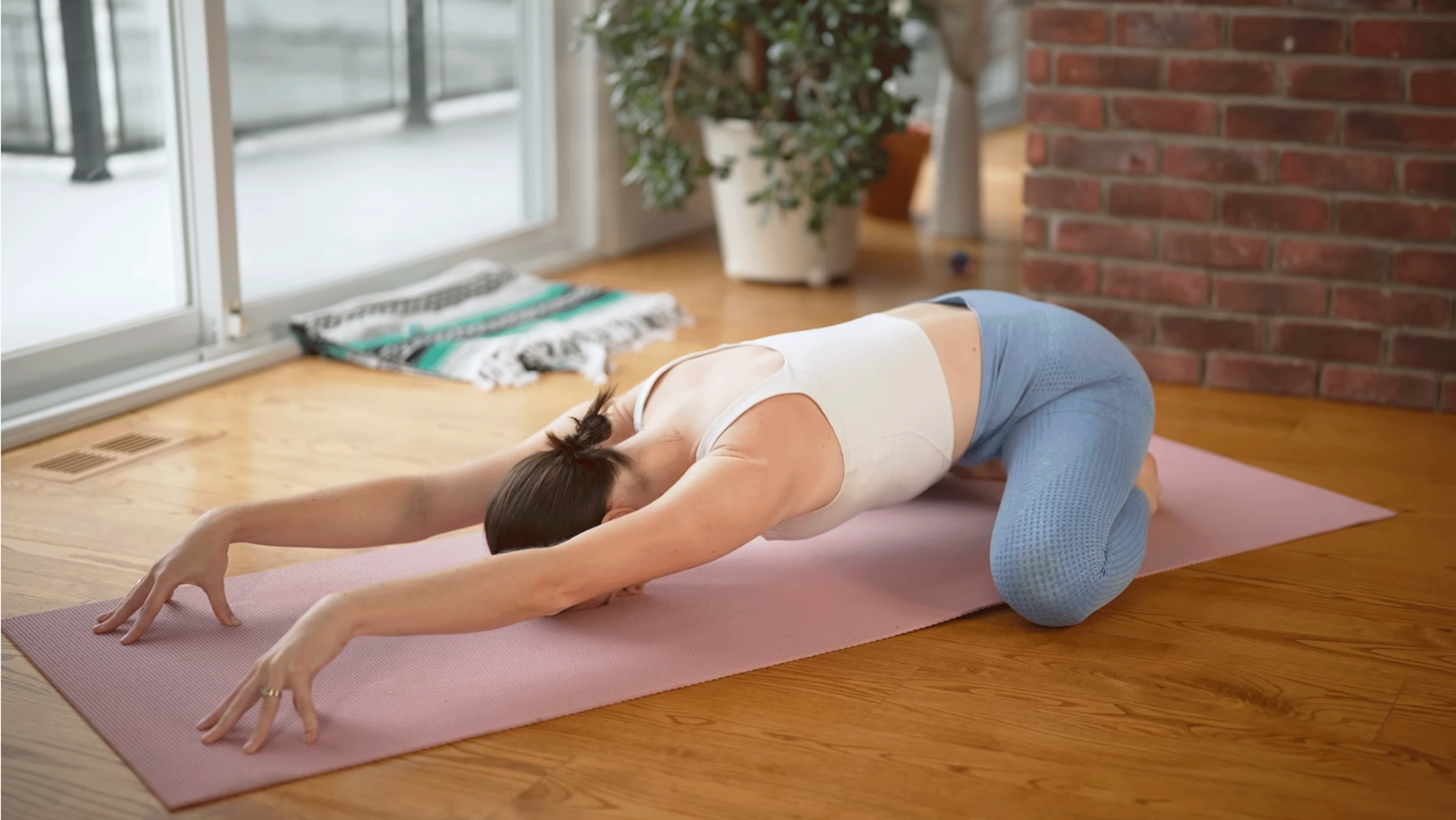
How can beginners approach yoga to reduce body heat? Beginners should approach cooling yoga by prioritizing breathwork over complex physical shapes. We recommend starting with five minutes of Sheetali pranayama and three gentle forward folds, such as Child’s Pose or Seated Forward Bend, practiced in a cool, shaded environment to prevent overexertion during the learning phase.
In our sessions, we often see beginners trying to “push” into poses, which inadvertently creates more heat. We tell our students that cooling yoga is an exercise in “letting go” rather than “doing.” Start by practicing in the early morning at ECR or Besant Nagar, before the humidity becomes oppressive. We find that students who wear light, breathable cotton clothing and focus on long, sighing exhalations see the quickest results.
Common Misunderstandings
- “Any yoga will cool you down”: Vigorous styles like Power Yoga or Ashtanga actually build internal heat (Agni); you must choose specific cooling styles.
- “You need an air-conditioned room”: While shade is necessary, the cooling effect comes from the breath interacting with the mucous membranes, not just the ambient air.
- “Drinking ice water is better”: Ice water can shock the digestive fire; cooling yoga provides a more sustainable internal regulation without the shock.
Practical Tips for Staying Cool
- Practice at Sunrise: Join our sessions at Besant Nagar early to catch the coolest air of the day.
- Avoid Solar Heating: Never practice under direct sunlight during the middle of the day; seek heavy shade or stay indoors.
- Left-Nostril Breathing: If you feel an anger or heat spike, close your right nostril and breathe through the left for 2 minutes.
- Cotton is King: Wear loose, light-colored natural fibers to allow the skin to breathe and release heat.
- Cooling Eye Wash: After practice, gently splash your closed eyes with room-temperature water to soothe the “fire” in the eyes.
- Limit Spicy Foods: Support your yoga practice by avoiding heavy, spicy, or fried foods that build internal Pitta.
- The Power of Stillness: If the heat is extreme, simply lie in Savasana on a cool floor and focus on the sensation of air entering the nostrils.
FAQs
1. Can yoga really lower body temperature? Yes, cooling pranayamas are scientifically designed to cool the blood and the nervous system by evaporating moisture on the tongue and throat.
2. Is Sheetali pranayama safe for everyone? Most can practice it, but avoid it if you have low blood pressure, a cold, or excessive mucus in the respiratory tract.
3. Which yoga pose is best for reducing body heat? Paschimottanasana (Seated Forward Bend) is excellent as it calms the solar plexus and draws the focus inward, away from external heat.
4. How long does it take to feel the cooling effect? Most practitioners feel a significant drop in internal agitation and heat within 5 to 10 minutes of focused cooling breathwork.
5. Should I avoid Surya Namaskar in the summer? You don’t have to avoid it, but practice it very slowly and in the early morning to prevent excessive heat buildup.
6. Can cooling yoga help with heat-induced insomnia? Absolutely. Practicing Chandra Bhedana (left-nostril breathing) before bed helps cool the brain and prep the body for deep sleep.
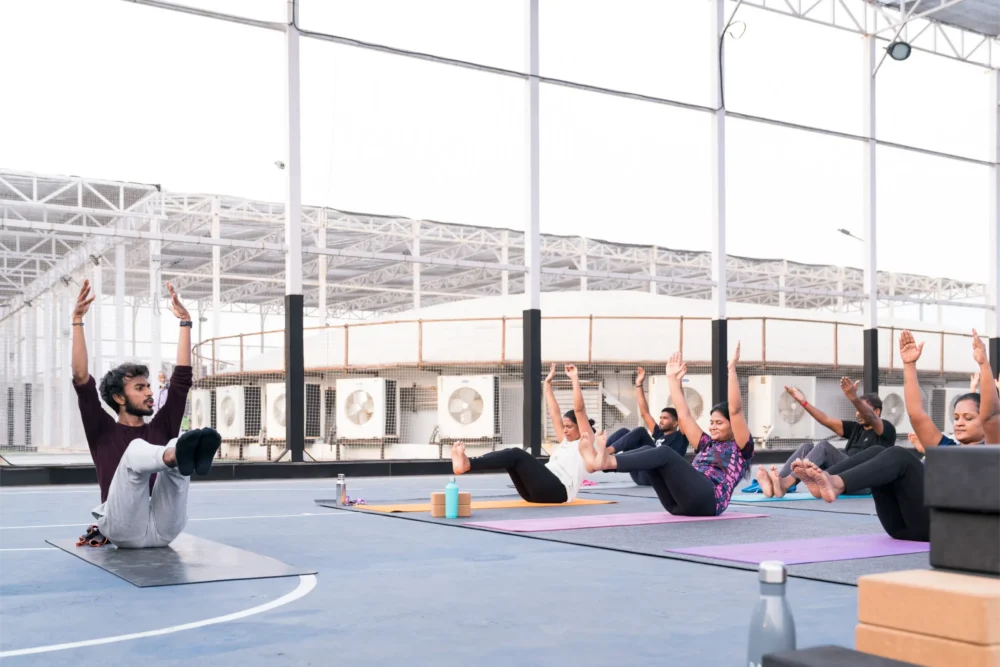
7. Does outdoor yoga make you hotter? Only if practiced in the sun. Practicing in the shade at ECR with the sea breeze can actually be cooler than a stuffy indoor room.
8. What should I drink after a cooling yoga session? We recommend room-temperature water with lemon, mint, or tender coconut water to maintain the internal balance.
A Path to Year-Round Comfort
Mastering how to reduce body heat by yoga? is a gift that keeps giving throughout the long Indian summer. We have witnessed how the simple act of curling the tongue and breathing with intention can transform a day of heat-induced exhaustion into one of calm vitality. Yoga is not just about the poses we do; it is about how we adapt our internal environment to the world around us.
Outdoor Yoga Chennai remains a dedicated authority for those seeking to blend traditional wisdom with local lifestyle needs. We invite you to explore our cooling modules and join our sunrise community. Whether you are on the sands of Thiruvanmiyur or in your living room, the power to stay cool is already within your breath.


Leave a Comment