
Table of Contents
How do live yoga classes work online?
Bringing the Studio to Your Living Room
If you’ve ever felt intimidated by the fast-paced energy of a busy yoga studio or simply couldn’t find the time to navigate Chennai’s commute for a 6:00 AM class, you aren’t alone. The rise of live online yoga has transformed how we approach wellness, turning any quiet corner of your home into a personalized sanctuary.
Many people wonder, “How can a teacher really guide me through a screen?” It is a valid question. The truth is that live online yoga is far more interactive than a static, pre-recorded video. It’s a bridge between the convenience of home and the expert, real-time guidance of a professional instructor.
Whether you are in a quiet apartment in Adyar or a bustling home in OMR, live online yoga allows you to maintain a consistent practice that fits your lifestyle, not the other way around. Let’s explore how these virtual sessions work and how you can get the most out of them.
What is a Live Online Yoga Class?
A live online yoga class is a real-time, interactive virtual session conducted via video conferencing platforms like Zoom or Google Meet. Unlike pre-recorded videos, a live session allows the instructor to see you, offer verbal cues for alignment, and adjust the class intensity based on the group’s energy in the moment.
Why It Matters: Flexibility Meets Accountability
In our fast-paced lives, consistency is the hardest part of any wellness journey. Live online yoga matters because it solves the “access” problem. You eliminate the travel time, the parking stress, and the rigid studio schedules that often clash with work or family commitments.
Beyond convenience, it offers accountability. When you sign up for a live session, you are making an appointment with yourself and your teacher. Knowing that a real person is on the other side of the screen waiting to guide you is a powerful motivator, helping you stay committed to your health goals even on days when motivation is low.
How It Works: A Step-by-Step Guide
The process is designed to be as seamless as possible so you can focus on your practice rather than your tech.
1. Booking and Access
You register for a class through a studio’s portal or app. You’ll receive a secure meeting link via email or WhatsApp.
2. The Setup
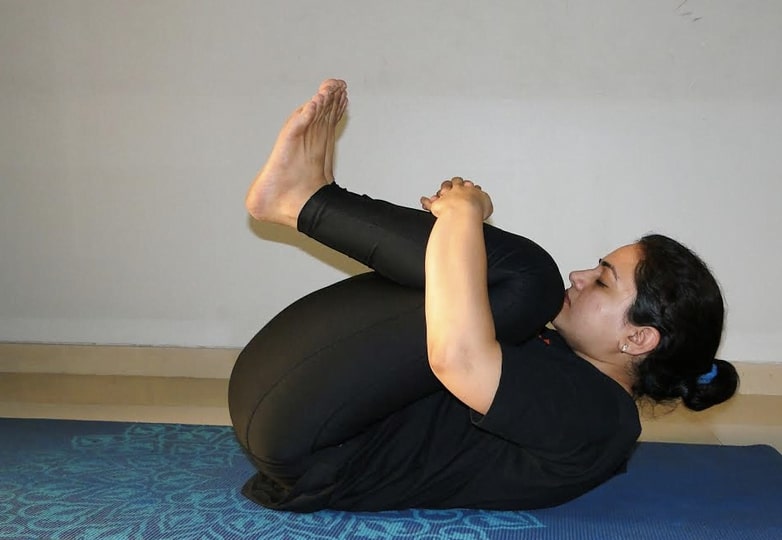
A few minutes before class, roll out your mat in a clutter-free space. Position your device (laptop, tablet, or phone) at an angle—ideally at a 45-degree side view—so the teacher can see your full body length.
3. The Live Connection
Once you join, you’ll be able to see the instructor and, in many group classes, your fellow practitioners. The instructor will start with a brief check-in, asking about any injuries or needs for the day.
4. Guided Practice
The teacher leads the flow in real-time. They provide constant verbal cues, watching your form to offer personalized modifications. If you have questions, you can use the chat feature or unmute your mic before or after the session.
The Benefits of Live Virtual Sessions
- Personalized Cues: Unlike recorded videos, live teachers can spot common mistakes (like knees caving in or rounded shoulders) and provide immediate corrections.
- Safety and Modifications: If you have an injury, a live teacher can suggest specific “prop” usage or alternative poses to keep you safe.
- Community Energy: Seeing others on screen creates a shared intention, helping you feel connected to a wider community of yogis.
- Accessibility: You can join classes led by world-class teachers from across the globe without leaving your home.
How Beginners Can Approach It
If you are just starting out, don’t feel the need to have a “perfect” setup. Focus on these simple steps to ensure a positive experience:
- Communicate Early: When you join, send a quick message in the chat: “Hi, I’m a beginner—thanks for having me!” This alerts the teacher to keep an extra eye on your alignment.
- Keep Props Handy: You don’t need expensive gear. A sturdy belt can act as a strap, and thick books can serve as yoga blocks.
- Focus on the Breath: If the poses get confusing, prioritize your breathing. The physical shapes will come with time, but the breath is the heart of the practice.
Common Misunderstandings
- “The teacher can’t see me properly”: With a bit of practice (placing the camera at a slight angle), most teachers can see your alignment clearly enough to provide expert feedback.
- “It’s not ‘real’ yoga”: Yoga is a practice of awareness. Whether you are in a studio in Rishikesh or your bedroom in Chennai, the intention, focus, and breathwork are exactly the same.
- “I need to be flexible to start”: No! You don’t get flexible to do yoga; you do yoga to gain flexibility. Every expert started exactly where you are.
Practical Tips for Your Home Practice
- Dedicated Space: Even if it’s just a corner, try to practice in the same spot. Over time, your brain will associate that space with focus and calm.
- Sound Quality: Use Bluetooth headphones or a small external speaker if your device’s internal speakers are quiet. Hearing the teacher clearly is key to safety.
- Lighting: Avoid having a bright window directly behind you, as it creates a silhouette. Place your light source in front of you so your teacher can see your posture.
Real-World Examples
Scenario 1: The Corporate Professional
Anjali, a software architect in OMR, used to skip yoga because the traffic to the nearest studio was too exhausting. She started joining a live, 7:00 AM online Hatha class. The teacher knows her history of wrist strain and gives her specific modifications every session. Anjali hasn’t missed a class in three months.
Scenario 2: The New Parent
Vikram, a stay-at-home dad, struggled to find time for his health. He began joining live online “Lunch Break Flow” sessions. Because he is home, he can quickly move from the mat to his daily responsibilities without the added stress of travel. The live connection helps him feel like he is part of a social group, preventing the isolation that can come with being a parent.

Frequently Asked Questions (FAQs)
1. Do I need to keep my camera on? Most teachers encourage it so they can help you with your alignment, but if you feel self-conscious, many studios allow you to turn it off.
2. Is live online yoga as effective as in-person? For most people, yes. The core benefits of movement, breath, and mindfulness remain the same.
3. What if I have a bad internet connection? It happens! Most studios offer a recorded version of the live class if you experience technical glitches.
4. How do I know if the teacher is qualified? Look for “Yoga Alliance” certification on their website. Don’t hesitate to ask about their training background.
5. What equipment do I really need? A good anti-skid mat is the only requirement. Blocks, straps, and bolsters are great but optional for beginners.
6. Can I ask questions during the session? In most group live classes, it’s best to wait until the end, but many teachers stay on the call for a few minutes afterward for Q&A.
7. Are these classes suitable for seniors? Absolutely. Many studios offer “Gentle” or “Restorative” yoga classes that are perfect for all ages and mobility levels.
Finding Your Balance
Live online yoga is more than just a digital version of an old practice—it is an evolution that makes wellness truly accessible. By removing the barriers of time and geography, it invites you to show up exactly as you are, from the comfort of your own home.
Start small. Treat your first few sessions with curiosity rather than judgment. Remember that your yoga practice is yours alone—it is a space for growth, kindness, and quiet reflection in a loud world.
Would you like me to help you find a list of reputable online yoga studios or give you a checklist of items to prepare your home space?


Leave a Comment