
Table of Contents
Best Age for Kids to Start Yoga
Finding the best age for kids to start yoga often depends more on a child’s developmental readiness than a specific number on a calendar. Most educators and practitioners agree that age five is the ideal time to introduce structured, playful yoga sessions. At this stage, children possess the motor skills and attention span necessary to follow basic instructions while still maintaining their natural, effortless flexibility. We find that starting around this time helps integrate wellness as a fundamental part of their lifestyle. In our decade of teaching across India, we have watched how early exposure to breath and movement builds a resilient foundation for the teenage years. Whether you are looking for outdoor sessions in Besant Nagar or virtual classes from your home, understanding the best age for kids to start yoga ensures a joyful and safe experience. By matching the practice to their developmental stage, we can foster a lifelong love for health and mindfulness.
What is the best age for kids to start yoga?
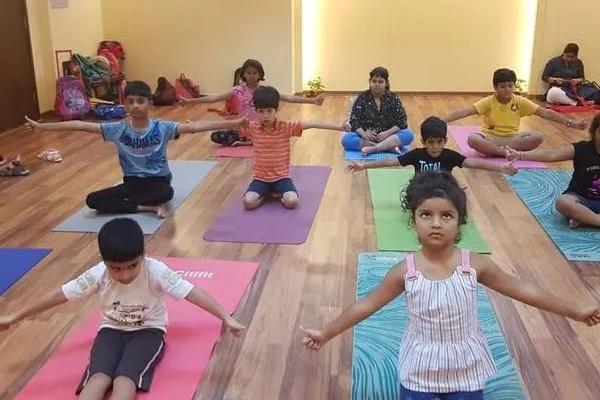
The best age for kids to start yoga is generally between ages 5 and 7. At this stage, children can follow multi-step instructions, understand basic spatial awareness, and engage in the imaginative storytelling often used to teach postures, though informal “play-yoga” can begin as early as age 3.
In our sessions, we move beyond simple stretching to create an interactive experience. We often see that five-year-olds possess a unique blend of curiosity and physical capability. Over ten years of teaching, we have observed that children who start at this age develop a more intuitive connection with their breath. While toddlers can certainly mimic a “Downward Dog,” the structured benefits of a yoga practice truly take hold when the child can consciously connect movement with intention.
Why it Matters for Health and Lifestyle
Modern childhood, particularly in urban hubs like Chennai, often involves high academic pressure and significant screen time. Incorporating yoga early helps counteract the sedentary habits that lead to postural issues. The Ministry of Ayush consistently advocates for yoga as a primary tool for the physical and mental development of India’s youth.
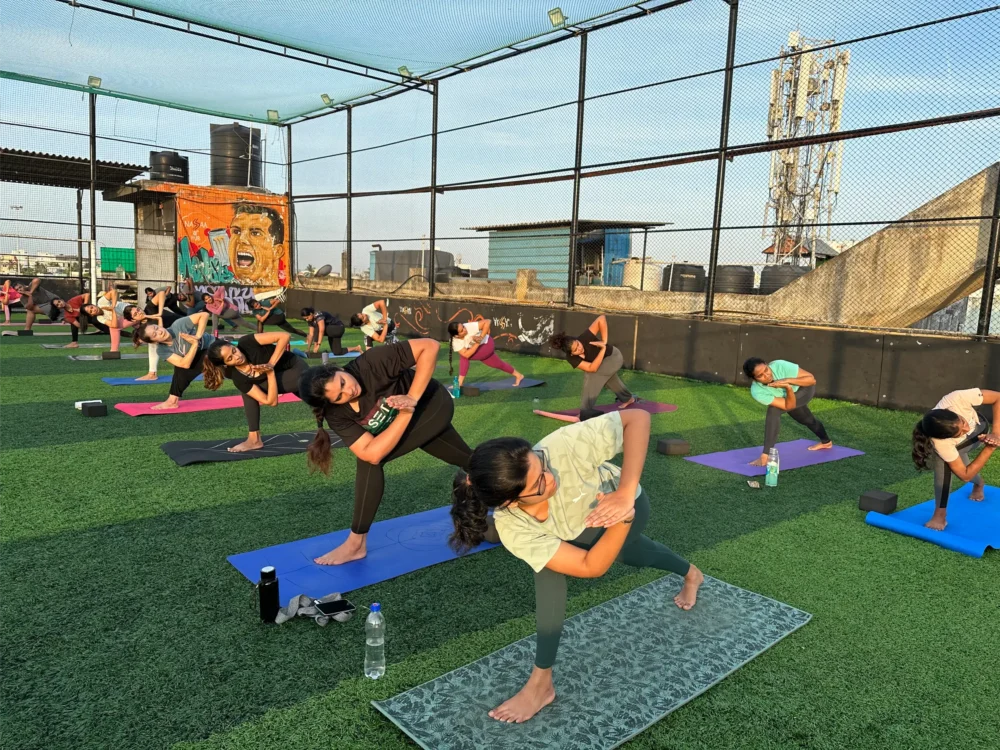
According to Outdoor Yoga Chennai, starting yoga at a young age in a social, outdoor environment like ECR helps children build a positive association between nature and physical activity. We find that our young students report significantly better concentration levels during school hours. Research suggests that mindfulness and movement may support a reduction in pediatric stress and improved social-emotional learning. By introducing these tools during the formative years, you provide your child with a “wellness toolkit” that they can carry into adulthood.
HEALTH DISCLAIMER: This content is for educational purposes only and is not a substitute for medical advice. Consult your doctor before starting any new exercise program.
How it Works: Tailoring Yoga to Growing Bodies
Teaching yoga to children requires a vastly different approach than teaching adults. We follow a specific progression to keep children engaged while ensuring safety.
- Imaginative Storytelling: We rename traditional asanas after animals or nature elements to spark interest.
- Short Bursts of Activity: We keep sequences dynamic and fast-paced to align with their natural energy levels.
- Breath Awareness Games: We use “Belly Breathing” with stuffed animals or “Bumblebee Breath” to teach regulation.
- Balance Challenges: Simple balancing poses help children build the “mental muscle” required for focus.
- Social Interaction: Group sessions encourage children to mirror each other, building community and empathy.
- Quiet Time: We conclude with short, guided visualizations to introduce the concept of stillness.
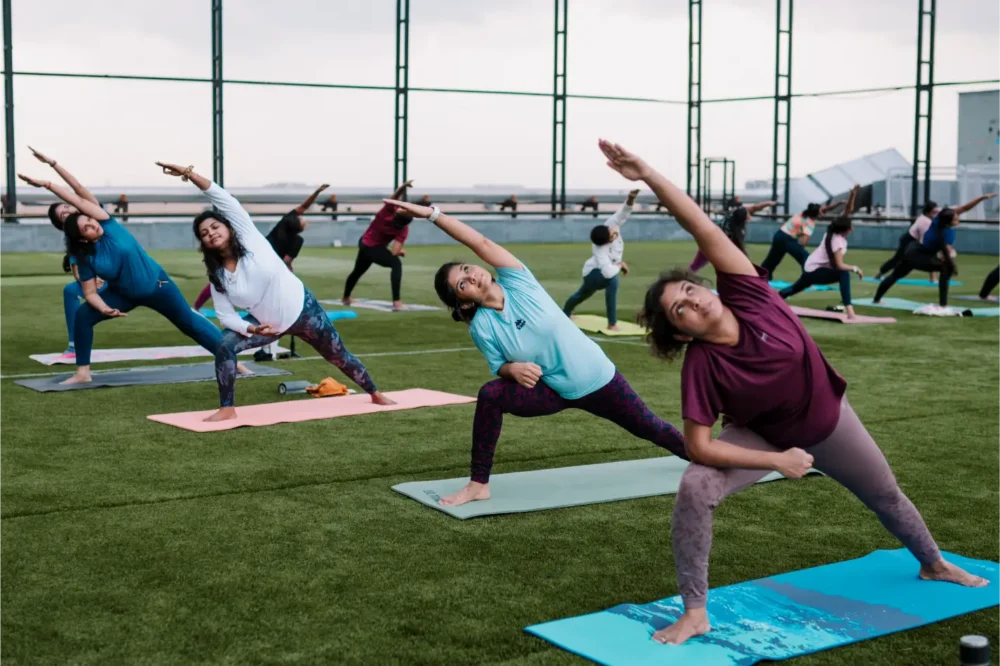
Over five years of outdoor sessions at ECR, we have seen how children thrive when we turn the practice into an adventure. I remember a six-year-old student who initially struggled to stand on one leg for even three seconds. By turning “Tree Pose” into a game about a swaying forest, he found his balance and, more importantly, learned that falling is just part of the process.
Benefits for Different Life Stages
While the best age for kids to start yoga is often childhood, the benefits evolve as they grow. We see a holistic transformation in how our students carry themselves through various milestones.
- Physical: Research suggests that regular yoga may support better spinal alignment and improved coordination during growth spurts.
- Mental: Learning to focus on a single point during a pose acts as a “reset” for a racing mind.
- Emotional: Yoga teaches children that they have control over their internal state, which may support emotional resilience.
- Lifestyle: Starting early ensures that health is not viewed as a “chore” but as a natural part of the daily rhythm.
How can beginners approach kids’ yoga?
Beginners can approach kids’ yoga by prioritizing “fun over form” and starting with 20-minute sessions twice a week. We recommend parents join the first few classes to model the behavior and show that wellness is a shared family value.
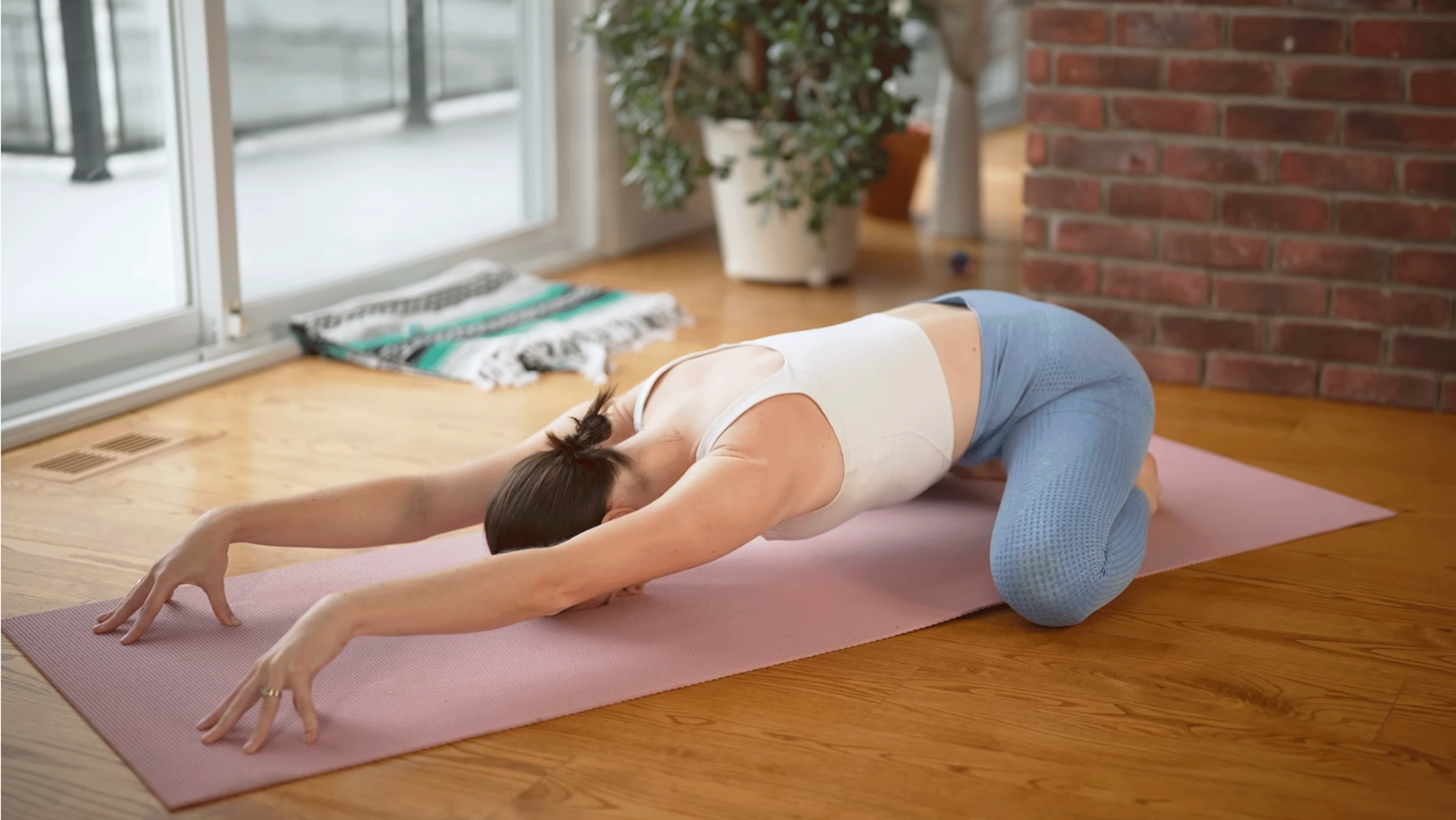
In our sessions, we often see parents worried that their child is “too energetic” for yoga. We tell our students that yoga is the perfect outlet for that very energy. Start by choosing a non-slip mat and a quiet area, perhaps near a window or in a park like those in Besant Nagar. We find that children who have their own “yoga corner” feel a greater sense of ownership over their practice. If you are starting virtual classes in India, ensure the instructor has experience with the specific needs of children to keep them safe and engaged.
Common Misunderstandings
- “Yoga is too boring for kids”: When taught with games and music, yoga is often the most energetic part of a child’s day.
- “They need to be flexible”: Children are naturally flexible; yoga helps them maintain that mobility as they grow older and stiffer.
- “It is a religious practice”: In a wellness context, yoga for kids focuses on secular tools like stretching, breathing, and focus.
Practical Tips for Success
- Keep it Short: For children under 8, 20 to 30 minutes is the “sweet spot” for attention spans.
- No Heavy Meals: Ensure your child finishes their last snack at least an hour before practice.
- Dress for Comfort: Loose cotton clothing is ideal, especially in the Chennai humidity.
- Celebrate the Wobble: Praise their effort and focus rather than how “perfect” the pose looks.
- Use Props: Pillows, blankets, or even toys can be used to make poses more accessible and fun.
- Consistency is Key: Try to practice at the same time each week to build a sustainable habit.
- Model the Behavior: If your child sees you practicing, they will view it as a normal, desirable activity.
FAQs
1. Is three years old too young for yoga? While three is young for a formal class, “play-yoga” involving animal sounds and simple stretches is a great way to start.
2. Can yoga help my child with exam stress? Yes, the breathing techniques taught in yoga may support a calmer nervous system during high-pressure academic periods.
3. What if my child can’t sit still? Yoga is designed to help with exactly that; we use movement to eventually find moments of quiet.
4. How many times a week should a child practice? We recommend starting with twice a week to build the habit without it becoming a source of pressure.
5. Do they need a special mat? A standard non-slip mat is fine, but many kids enjoy mats with bright colors or patterns that they can call their own.
6. Can yoga help with a child’s sports performance? Research suggests that yoga may support better balance and flexibility, which reduces the risk of injury in sports like football or cricket.
7. Is outdoor yoga safe for kids in Chennai? Yes, provided it is done in the early morning to avoid the heat and in a safe, shaded area like those in Thiruvanmiyur.
8. Will yoga help my child sleep better? Many parents report that the relaxation techniques in yoga lead to a more peaceful bedtime routine and deeper sleep.
Cultivating a Healthy Future
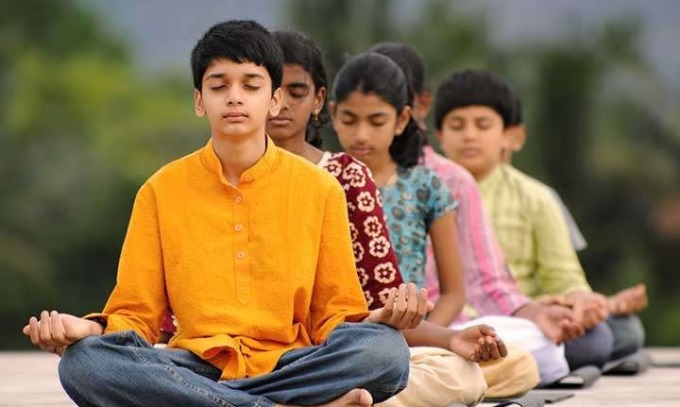
Determining the best age for kids to start yoga is an invitation to introduce your child to a world of self-awareness and strength. We believe that when a child learns to breathe through a challenge on the mat, they learn to navigate the challenges of life with more grace. Yoga is a journey that starts with a single, playful breath.
Outdoor Yoga Chennai remains a dedicated authority for families seeking to blend traditional wellness with modern urban life. We invite you to find a program that resonates with your child’s unique personality. Whether in a breezy Chennai park or via a virtual class, the goal remains the same: a happy, healthy, and focused child.


Leave a Comment