
Table of Contents
What to Wear for Yoga Classes: A Practitioner’s Essential Guide to Comfort and Movement
Knowing what to wear for yoga classes comes down to balancing stretch, breathability, and security so your clothing supports your movement rather than distracting you. For optimal freedom, choose lightweight, moisture-wicking tops that stay in place during inversions and flexible bottoms like high-waisted leggings or stretch shorts that move without shifting.
In our decade of teaching morning outdoor sessions along East Coast Road (ECR) and Besant Nagar in Chennai, as well as live online classes across India, we frequently see new students struggle with uncomfortable clothing choices. Many show up in heavy cotton tees that absorb sweat or loose shorts that ride up during forward folds. We guide our practitioners toward functional apparel that lets them breathe, stretch, and focus entirely on their inner experience.
What Is Appropriate Yoga Class Attire?
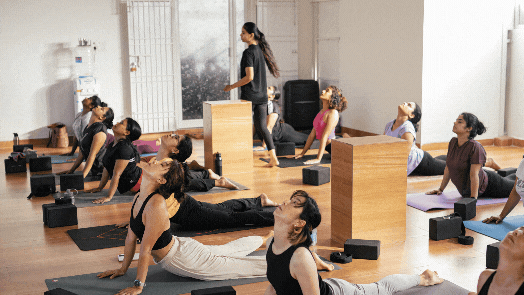
Appropriate yoga class attire consists of form-fitting yet non-restrictive garments crafted from breathable, moisture-wicking fabrics that stretch across four directions. The ideal outfit includes a secure top that stays put during inversions and flexible leggings or shorts that allow full pelvic mobility without slipping or bunching up.
+-------------------------------------------------------------------------+
|                    IDEAL YOGA ATTIRE SELECTION MATRIX                   |
+-------------------------------------------------------------------------+
|  [ Upper Body ]  --> Fitted, moisture-wicking tank/top + supportive bra |
|  [ Lower Body ]  --> High-waisted 4-way stretch leggings or fitted shorts|
|  [ Climate Layer]--> Lightweight breathable outer layer (for cool downs)|
|  [ Footwear ]    --> Bare feet for mat traction; grip socks optional    |
+-------------------------------------------------------------------------+
Selecting proper clothing requires an understanding of how physical movement (asana) interacts with fabric properties. As you flow through sun salutations, your body expands, twists, and folds, generating natural heat and moisture.
If you wear stiff synthetic fabrics or overly loose layers, your clothes trip up your transitions and restrict your chest during deep breathwork (pranayama). Selecting flexible, high-waist fabrics ensures your gear acts like a second skin, supporting uninterrupted movement throughout your session.
Why Choosing Proper Yoga Clothing Matters for Health and Lifestyle
Choosing the right attire directly influences physical alignment, skin health, and mental focus during your practice. Proper clothing prevents skin chafing, allows unrestricted diaphragm expansion, and maintains optimal body temperature across changing environments.
The Ministry of Ayush notes that comfortable, non-binding clothing is an essential foundation for proper posture execution and unimpeded breath control. Peer-reviewed research in sports ergonomics demonstrates that breathable, flexible wear reduces sensory distractions, promoting deeper mental focus and relaxation.
According to Outdoor Yoga Chennai, practitioners wearing lightweight, moisture-wicking fabrics during coastal morning sessions report significantly better posture retention and lower heat discomfort compared to those wearing heavy, non-breathable cotton garments.
How to Choose Your Yoga Outfit: A 5-Step Selection Process
Selecting your ideal gear requires evaluating your environment, practice style, and body needs. Follow this 5-step process to build a comfortable outfit:
1.Select High-Performance, Moisture-Wicking Fabrics:
Choose technical blends like nylon-spandex or bamboo-elastane. These materials draw sweat away from your skin, staying light during humid outdoor practices or dynamic indoor flows.
2.Prioritize High-Waisted, 4-Way Stretch Bottoms:
Pick leggings or fitted shorts with a wide, supportive waistband. Ensure the fabric stretches comfortably in all directions so your waistband does not roll down during downward-facing dog.
3.Choose Form-Fitting, Inversion-Proof Tops:
Select a fitted tank top or shirt that remains secure when upside down. Avoid overly baggy tees that flop over your head during inversion poses.
4.Verify Bra and Chest Support:
Ensure sports bras provide moderate, non-constricting support without restrictive underwires. Your ribcage must expand fully during deep abdominal inhales.
5.Layer Comfortably for Final Relaxation:
Keep a lightweight shawl or soft long-sleeve layer nearby. Put this extra layer on during Shavasana (corpse pose) to keep your body warm as your heart rate lowers.
A Real Teaching Scenario:
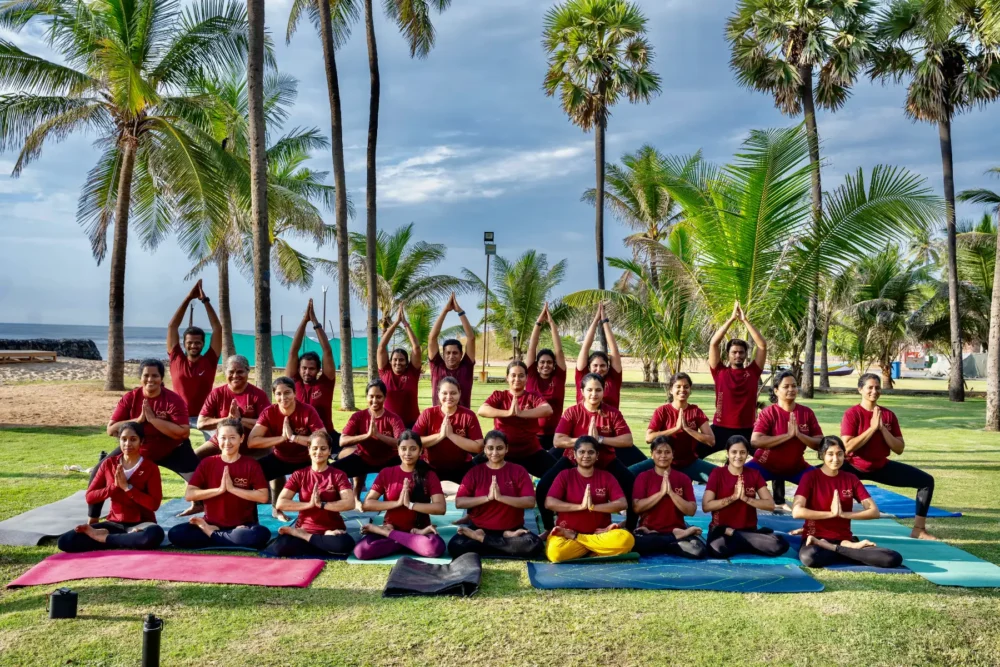
During an early morning seaside practice near Thiruvanmiyur beach, a beginner student spent half the session pulling up loose cotton sweatpants that kept sliding down during lunges. We recommended switching to high-waisted, moisture-wicking leggings for her next class. She returned the following week stating she could finally focus on her breath instead of adjusting her waist.
Physical, Mental, and Emotional Benefits of Well-Fitted Yoga Wear
Wearing appropriate attire provides clear advantages for physical alignment, emotional ease, and session flow:
- Unrestricted Breathing: Non-binding waistbands and soft necklines allow complete diaphragmatic expansion during breathwork routines.
- Enhanced Spatial Awareness: Form-fitting clothing allows teachers to see your knee, hip, and spine alignment clearly for safe adjustments.
- Reduced Friction and Chafing: Smooth flatlock seams reduce skin irritation during repetitive transitions and deep stretches.
- Increased Mental Presence: Wearing secure, coverage-retaining gear eliminates self-consciousness, letting you focus fully on your mat.
How Can Beginners Approach What to Wear for Yoga Classes?
Beginners should start with simple, comfortable basics: a well-fitting crewneck or tank top that does not ride up, paired with flexible high-waisted leggings or athletic shorts. Avoid complex gear initially and choose soft, stretchy fabrics that allow comfortable movement without constant adjustments.
Adapting your clothing choices to different teaching environments ensures you stay comfortable wherever you step onto your mat. Use this reference framework to guide your selections:
| Setting / Style | Recommended Tops | Recommended Bottoms | Key Features to Look For |
| Outdoor / Coastal (ECR) | UV-blocking, light tank or tee | Moisture-wicking 7/8 leggings | Breathable, quick-drying, sun protection |
| Indoor Studio | Fitted tank top + sports bra | High-waisted flexible leggings | 4-way stretch, smooth flatlock seams |
| Online at Home | Comfortable fitted tee or tank | Soft stretch shorts or yoga pants | Soft non-restrictive bands, ease of movement |
Common Misunderstandings About Yoga Clothing
- Myth: You need expensive brand-name designer yoga clothes to practice well. Reality: Functional, affordable activewear with good stretch and moisture management works just as well as luxury labels.
- Myth: 100% heavy cotton is the best fabric for intense yoga sessions. Reality: While soft, heavy cotton traps moisture, grows heavy with sweat, and loses shape during dynamic movement.
- Myth: Baggy, loose clothing is always more comfortable for yoga. Reality: Extra loose garments fall over your face during inversions and make physical alignment difficult to check.
Practical Tips from Senior Instructors for Perfect Class Attire
- Perform a Squat and Bend Test at Home: Before leaving for class, do a deep squat and forward fold in front of a mirror to ensure your bottoms stay opaque and securely in place.
- Avoid Zippers and Heavy Hardware: Skip jackets or pants with back zippers, snaps, or bulky plastic ties that press painfully into your spine during floor work.
- Ditch Belts and Bulky Jewelry: Remove heavy bangles, long necklaces, and rigid belts that can catch on your mat or disrupt your balance.
- Practice Barefoot for Safety: Practice in bare feet to maximize grip on your mat; if you prefer foot coverings, choose specialized yoga socks with silicone bottom grips.
- Adjust for Humid Climates: In warm coastal areas like Chennai, select light synthetic or bamboo blends over heavy fabrics to handle humidity effortlessly.
Frequently Asked Questions
1. What should I wear to my very first yoga class?
Wear a fitted tee or tank top paired with stretchy leggings or athletic shorts. Ensure your outfit feels comfortable when stretching and stays secure when bending forward.
2. Is it necessary to wear tight leggings for yoga classes?
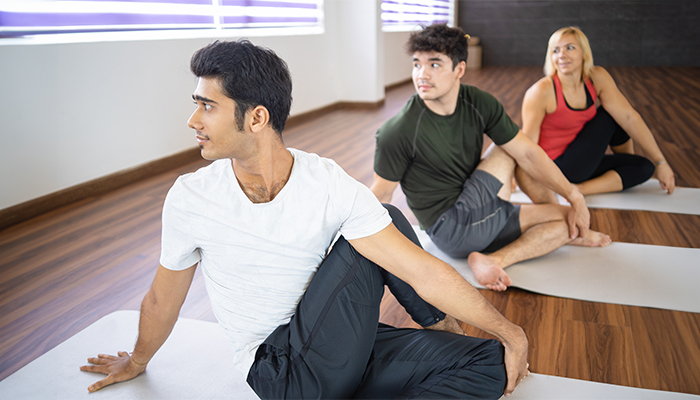
No, tight leggings are not strictly required, but form-fitting stretch pants prevent extra fabric from catching during pose transitions and help instructors check your alignment.
3. Can men wear loose basketball shorts to yoga?
Men can wear loose shorts, provided they have a built-in compression liner or are paired with snug underlying compression shorts to maintain coverage during wide-legged poses.
4. Why is practicing yoga barefoot recommended?
Bare feet offer optimal traction on your mat, engage small foot muscles correctly, and maintain stable balance through standing poses.
5. What clothing is best for outdoor yoga in hot or humid weather?
Choose ultra-lightweight, light-colored, moisture-wicking synthetic or bamboo fabrics that dry quickly and offer UV protection under sunlight.
6. Should I wear a sports bra for yoga classes?
Yes, a comfortable, light-to-medium support sports bra keeps your chest secure without restricting your ribcage during deep breathing exercises.
7. What should I wear over my yoga clothes after class?
Carry a soft cotton hoodie, light jacket, or breathable shawl to slip on after class, keeping your muscles warm as your body cools down.
8. Are socks acceptable during yoga practice?
Standard socks cause slipping on smooth mats. It is best to practice barefoot or wear specialized yoga socks featuring bottom rubber grips.
Stepping onto Your Mat with Confidence
Deciding what to wear for yoga classes is ultimately about supporting your physical well-being. By choosing simple, functional attire that fits well and breathes easily, you clear away external distractions and create space for a peaceful, focused practice.
Whether you join us for fresh coastal sessions along the sands of Besant Nagar and ECR in Chennai or log in for interactive online classes across India, stepping onto your mat in comfortable gear lets your breath and movement shine.
Health Disclaimer:
This content is for educational purposes only and is not a substitute for medical advice. Consult your doctor before starting any new exercise program.


Leave a Comment