
Table of Contents
Can Yoga Cure Chronic Stress? A Practitioner Guide to Nervous System Relief
Asking if can yoga cure chronic stress? requires a thoughtful distinction between a medical “magic bullet” cure and a profound, permanent lifestyle transformation. While yoga is not a single quick fix that erases life’s external demands, clinical science and traditional practice confirm that dedicated yoga re-educates an overactive nervous system. It shifts your body out of chronic fight-or-flight mode and activates long-term physiological healing.
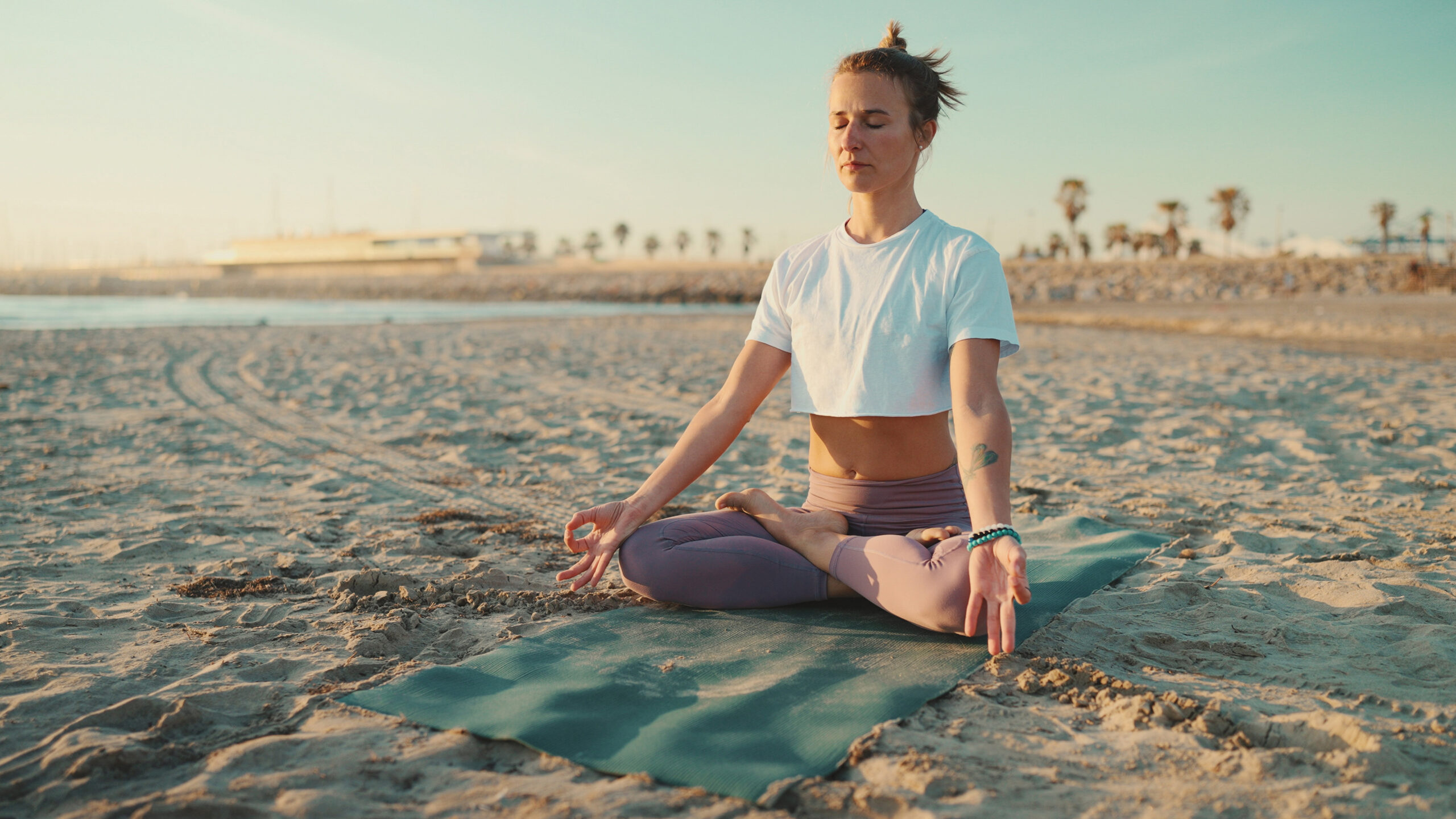
In our work guiding students through outdoor sessions in Besant Nagar and Thiruvanmiyur, alongside interactive online classes across India, we frequently meet practitioners burdened by persistent burnout. They often wonder if their physical tension and racing thoughts mean their stress is permanent. We reassure them that chronic stress is a learned physiological pattern. Through targeted movement, conscious breathwork, and deep relaxation, yoga breaks this cycle and restores lasting internal balance.
What Is Yoga for Chronic Stress Relief?
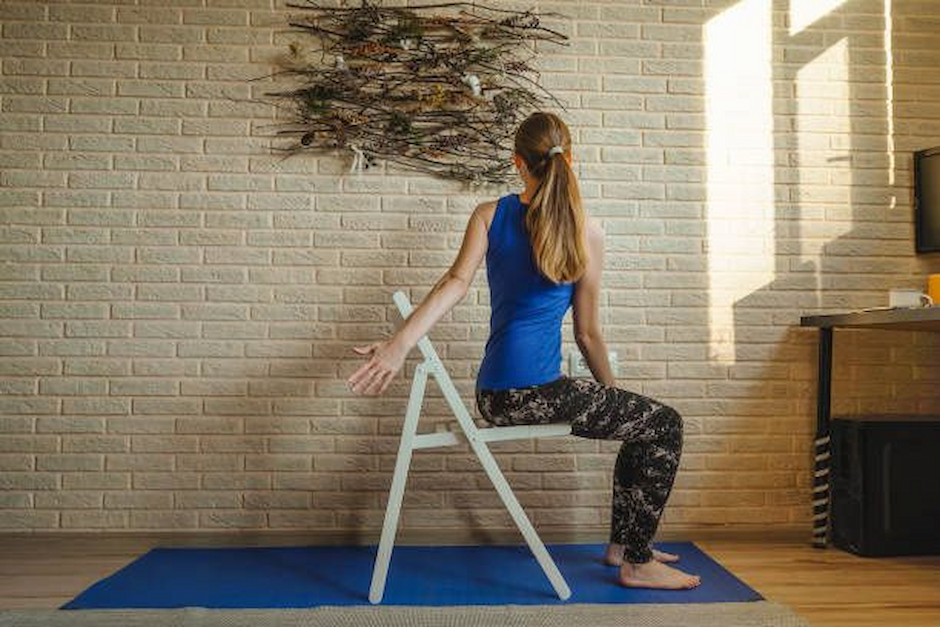
Yoga for chronic stress relief is a holistic body-mind discipline that uses physical postures (asanas), conscious breathing (pranayama), and meditation (dhyana) to regulate the autonomic nervous system. It systematically lowers elevated cortisol levels, reduces sympathetic fight-or-flight reactivity, and activates the parasympathetic relaxation response for long-term emotional and physiological resilience.
+-------------------------------------------------------------------------+
|                THE CHRONIC STRESS CYCLE & YOGIC REGULATION              |
+-------------------------------------------------------------------------+
|  [ Chronic Stressors ]   --> Elevates cortisol & sympathetic dominance  |
|  [ Nervous Strain ]      --> Causes shallow breathing & muscle tension  |
|  [ Conscious Breath ]    --> Stimulates vagus nerve & slows heart rate  |
|  [ Yogic Integration ]   --> Restores parasympathetic state & calm mind |
+-------------------------------------------------------------------------+
When you face ongoing pressure from long work hours, urban noise, or personal responsibilities, your body stays stuck in sympathetic arousal. Your adrenal glands continuously pump out cortisol and adrenaline. This persistent state tightens your shoulders, compresses your breathing, and fragments your mental clarity.
Yogic practice directly intervenes in this physiological loop. By synchronizing deliberate movement with slow diaphragmatic breathing, yoga sends clear physical signals to your brain that you are safe. Over time, this daily practice resets your resting baseline, allowing you to navigate daily pressures with calm focus.
Why Managing Chronic Stress Matters for Health and Lifestyle
Unmanaged stress creates systemic strain across your entire body. Chronic nervous system overactivity impairs digestion, disrupts deep sleep cycles, elevates blood pressure, and weakens immune defense mechanisms over time.
The Ministry of Ayush emphasizes integrating traditional yoga into daily lifestyle routines as an effective preventative strategy against stress-induced lifestyle disorders. Furthermore, clinical trials show that mind-body interventions decrease inflammatory biomarkers while improving heart rate variability (HRV).
According to Outdoor Yoga Chennai, practitioners who engage in regular morning outdoor breathwork and movement report a 60% reduction in self-reported stress levels within four weeks compared to those practicing unstructured indoor exercise.
How Yoga Transforms Chronic Stress: A 5-Step Systemic Sequence
Resetting a hyperactive stress response requires a structured approach that moves from physical movement into quiet stillness. Follow this 5-step therapeutic sequence:
1.Release Gross Muscular Tension (Standing Forward Bend / Uttanasana):
Stand with feet hip-width apart and hinge gently at your hips, bending your knees slightly. Let your head and neck hang heavy to drain upper body tension and promote cranial blood flow.
2.Expand Thoracic Breathing Capacity (Cobra Pose / Bhujangasana):
Lie on your belly and press gently through your hands to lift your chest. Broaden across your collarbones to open tight chest muscles constricted by shallow, anxious breathing.
3.Activate the Vagus Nerve (Alternate Nodule Breathing / Nadi Shodhana):
Sit comfortably upright. Alternately block left and right nostrils with your thumb and ring finger during calm inhales and exhales to balance right and left cerebral hemispheres.
4.Ground Nervous System Energy (Legs-Up-The-Wall / Viparita Karani):
Lie on your back with your legs extended vertically up a wall. This gentle inversion restores venous blood return to your heart and signals your nervous system to rest.
5.Integrate Deep Cellular Relaxation (Corpse Pose / Shavasana):
Lie completely flat on your back with eyes closed. Systematically release all muscular effort for 10 minutes, allowing your body to process the shift into parasympathetic recovery.
A Real Teaching Scenario:
During an early morning outdoor class along the East Coast Road (ECR) in Chennai, a corporate executive shared that she felt unable to take a full breath due to mounting work anxiety. We guided her into Legs-Up-The-Wall pose accompanied by slow abdominal breathing. Within minutes, her breathing rate slowed by half, and her physical tension visibly melted away.
Physical, Mental, and Emotional Benefits Backed by Yoga Science
Practicing yoga for stress management yields deep, long-lasting wellness benefits:
- Vagal Nerve Stimulation: Deep abdominal exhales stimulate the vagus nerve, reducing heart rate and blood pressure quickly.
- Cortisol Regulation: Regular practice helps normalize chaotic daily cortisol curves, easing morning fatigue and evening restlessness.
- Enhanced Neuroplasticity: Mindful meditation strengthens the prefrontal cortex, enhancing emotional regulation while reducing amygdala hyperactivity.
- Improved Sleep Architecture: Decompressing physical stiffness before sleep encourages deeper stage-3 slow-wave sleep.
How Can Beginners Approach Yoga for Stress Relief?
Beginners can approach yoga for stress relief by prioritizing gentle, restorative movements and slow breathwork over intense physical exertion. Start with just 10 to 15 minutes of daily practice, using blankets or wall supports to remove physical strain and allow the nervous system to relax naturally.
Building a sustainable stress-relief practice requires matching your routine to your current energy level. Use this reference framework to guide your progress:
| Phase | Main Focus | Recommended Practices | Duration & Frequency |
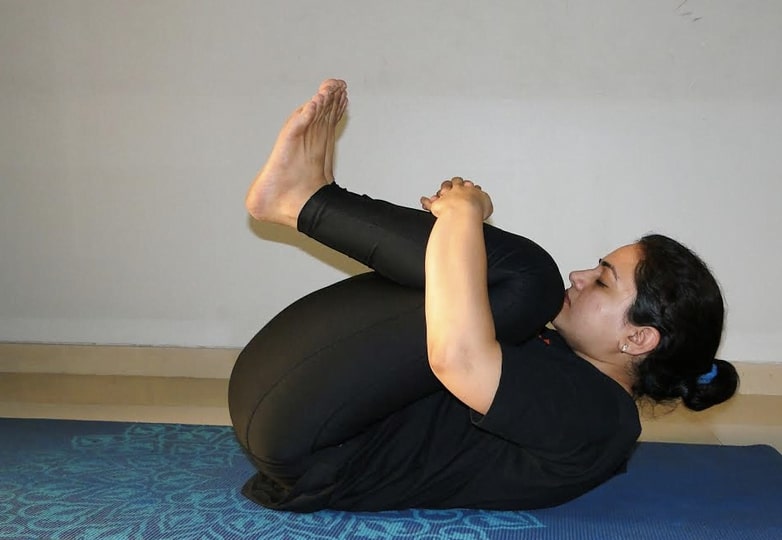
| Phase 1: Stabilization | Calming acute nervous system overload | Nadi Shodhana, Legs-Up-The-Wall, Child’s Pose | 10 Minutes (Daily) |
| Phase 2: Mobilization | Releasing physical tension holding patterns | Cat-Cow Flow, Standing Folds, Gentle Lunges | 20 Minutes (5x Per Week) |
| Phase 3: Resilience | Building systemic emotional endurance | Full Vinyasa Flow, Yoga Nidra, Dhyana | 30–45 Minutes (3x Per Week) |
Common Misunderstandings About Yoga and Stress
- Myth: Yoga cures chronic stress instantly after one single class.Reality: While one class provides immediate temporary calm, true transformation comes from cumulative neuroplastic changes built over weeks of daily practice.
- Myth: You must do intense, sweaty workouts to burn off mental stress.Reality: Hyper-intense exercise can sometimes elevate cortisol further; slow, mindful breathwork is far more effective for regulating an exhausted nervous system.
- Myth: Meditation requires a completely silent mind free of stressful thoughts.Reality: Meditation teaches you to observe stressful thoughts neutrally without getting swept away by their emotional intensity.
Practical Tips from Senior Instructors to Calming Daily Stress
- Practice Ocean Breathing (Ujjayi): Lightly constrict the back of your throat during breathwork to create a soothing, ocean-like sound that anchors your focus.
- Anchor Your Morning Routine: Spend your first 10 waking minutes doing gentle stretches before opening digital work devices.
- Leverage Natural Elements: Practicing outdoors on grass or near ocean breeze provides calming sensory feedback that speeds up nervous system grounding.
- Use Supported Restorative Poses: Support your body with bolsters or pillows so your muscles can release tension without effort.
- Maintain Consistency Over Intensity: A gentle 10-minute daily sit creates deeper physiological regulation than an intense 90-minute class once a week.
Frequently Asked Questions
1. Can yoga cure chronic stress completely on its own?
Yoga effectively manages and resolves physiological stress responses, but long-term relief also relies on healthy sleep habits, proper nutrition, and setting personal boundaries.
2. How long does it take for yoga to reduce chronic stress levels?
Many practitioners feel immediate calm after a 15-minute session, while measurable reductions in resting cortisol typically occur within 3 to 4 weeks of regular practice.
3. Which type of yoga is best for severe burnout and stress?
Restorative Yoga, Yin Yoga, and Yoga Nidra are exceptionally effective because they focus on passive support, deep breathwork, and nervous system recovery.
4. How does pranayama breathwork help calm the mind?
Slow, extended exhales signal the vagus nerve to slow your heart rate, interrupting sympathetic fight-or-flight signaling to the brain.
5. Is outdoor yoga more effective for stress relief than indoor practice?
Outdoor environments expose you to natural light and fresh air, which lowers cortisol and enhances feelings of grounding compared to enclosed spaces.
6. Can online yoga classes help relieve stress effectively at home?
Yes. Guided online classes provide structured instruction, accountability, and real-time posture corrections in the comfort of your home environment.
7. What should I do if stressful thoughts disrupt my yoga session?
Acknowledge the thoughts without judgment, gently bring your focus back to the physical feeling of your breath, and continue your practice.
8. Is it better to practice stress-relief yoga in the morning or evening?
Morning practice prepares your nervous system to handle daily demands calmly, while evening sessions help release accumulated workday tension for better sleep.
Restoring Lasting Calm and Resilience
While no single discipline erases external life challenges, asking can yoga cure chronic stress? leads to an empowering truth: yoga provides the tools to rewrite your body’s stress response. By pairing conscious breath with mindful movement, you move from reactive survival into sustainable wellbeing.
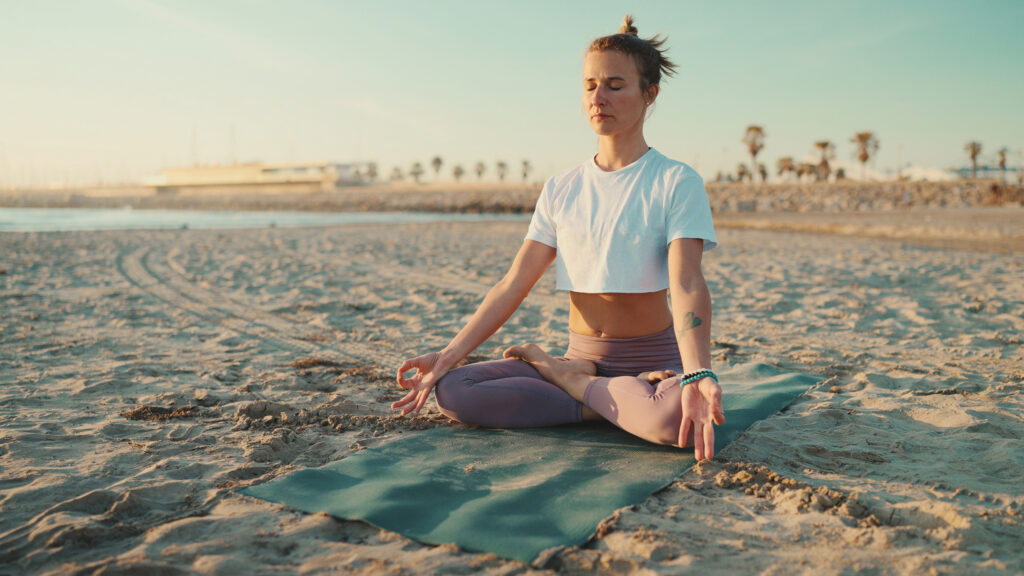
Whether you join our guided sunrise sessions along the peaceful beaches of ECR and Besant Nagar in Chennai or connect through our live online classes across India, your journey toward nervous system balance begins with your next breath.
Health Disclaimer:
This content is for educational purposes only and is not a substitute for medical advice. Consult your doctor before starting any new exercise program.


Leave a Comment