
Table of Contents
Yoga for Night-Shift Workers: How to Reset Sleep, Digestion, and Energy
Working non-traditional hours places unique demands on the mind and body. In our sessions, we see how working nocturnal hours disrupts internal biological rhythms, leaving many professionals struggling with chronic insomnia, sluggish digestion, and constant physical fatigue. Practicing yoga for night-shift workers offers a practical, time-tested approach to soothe an overstimulated nervous system, signal sleep to the body after a sunrise commute, and maintain sustained physical energy without relying solely on caffeine.
Health Disclaimer: This content is for educational purposes only and is not a substitute for medical advice. Consult your doctor before starting any new exercise program.
What Is Yoga for Night-Shift Workers?
Yoga for night-shift workers is a specialized combination of gentle somatic movement, restorative postures, targeted pranayama (breathwork), and Yoga Nidra designed to stabilize circadian disruption. Unlike intense workout routines that elevate heart rates and cortisol, these calming practices help ease sympathetic nervous system overdrive, lower resting tension, and support deeper restorative sleep during daylight hours.
┌────────────────────────────────────────────────────────────────────────┐
│               CIRCADIAN & NERVOUS SYSTEM BALANCING FLOW                 │
├────────────────────────────────────────────────────────────────────────┤
│ 1. POST-SHIFT WIND-DOWN  --> Cooling Breath & Restorative Poses        │
│ 2. DAYTIME RECOVERY      --> Deep Yoga Nidra & Parasympathetic Reset   │
│ 3. PRE-SHIFT ACTIVATION  --> Gentle Spinal Movement & Solar Breathing   │
└────────────────────────────────────────────────────────────────────────┘
When we work against natural daylight cycles, our body’s suprachiasmatic nucleus (the internal biological clock) experiences misalignment. This shift frequently dysregulates cortisol patterns, alters digestive enzyme secretion, and suppresses natural melatonin production. Rather than treating yoga as an demanding workout, shift workers benefit most by using gentle practices as an intentional tool to transition between work mode and deep restorative rest.
Why Is Yoga Essential for Shift Workers’ Health?
Living out of sync with the natural day-night cycle creates systemic stress on physical, mental, and emotional health. Research highlighted in international occupational health journals and guidelines from the Ministry of Ayush show that chronic circadian misalignment elevates metabolic risk factors, disrupts sleep architecture, and increases autonomic nervous system strain.
┌────────────────────────────────────────────────────────────────────────┐
│               PHYSIOLOGICAL IMPACTS OF SHIFT WORK                      │
├───────────────────────────────┬────────────────────────────────────────┤
│ System Impacted               │ Typical Symptoms                       │
├───────────────────────────────┼────────────────────────────────────────┤
│ Autonomic Nervous System      │ Elevated cortisol, persistent anxiety  │
│ Gastrointestinal System       │ Acid reflux, bloating, sluggish digestion│
│ Musculoskeletal System        │ Neck stiffness, lower back compression  │
│ Circadian Sleep Mechanism     │ Daytime insomnia, fragmented REM sleep  │
└───────────────────────────────┴────────────────────────────────────────┤
During our outdoor classes along the breezy East Coast Road (ECR) and studio sessions across Besant Nagar, we frequently work with healthcare professionals, logistics managers, and IT engineers from OMR’s tech hubs. Many arrive with tight shoulders, shallow breathing patterns, and systemic fatigue.
According to Outdoor Yoga Chennai, adopting structured restorative movement and breathwork routines helps shift workers reduce physical muscle tension by up to 40% while significantly easing daylight sleep transitions. Re-establishing this physiological rhythm allows the body to restore balance despite irregular shift hours.
How Does a Yoga Practice Work for Night-Shift Schedules?
A successful practice for shift workers relies on strategic timing. Instead of forcing a full 60-minute class at a fixed hour, break your practice into three targeted micro-sessions aligned with your shift timeline:
┌────────────────────────────────────────────────────────────────────────┐
│                       3-STAGE DAILY ROUTINE                            │
├────────────────────────────────────────────────────────────────────────┤
│ STAGE 1: Post-Shift Wind-Down (15 Mins)  --> Right after returning home│
│ STAGE 2: Mid-Rest Recovery (20 Mins)     --> Guided Yoga Nidra session │
│ STAGE 3: Pre-Shift Activation (10 Mins)  --> Before your night commute │
└────────────────────────────────────────────────────────────────────────┘
1.1. Post-Shift Wind-Down (15 Minutes Immediately After Work):Prepare your system for daylight sleep.
Upon returning home, avoid high-intensity workouts that raise your core body temperature. Practice gentle floor-based poses like Viparita Karani (Legs-Up-the-Wall) combined with Chandra Bhedana (Left Nostril Breathing) to activate your parasympathetic nervous system and lower your heart rate.
2.2. Mid-Rest Recovery (20-30 Minutes of Yoga Nidra):Trigger deep somatic relaxation.
If you wake up feeling unrefreshed mid-day, lie down in Savasana with an eye pillow and practice guided Yoga Nidra. This systematic relaxation technique guides your brainwaves into alpha and theta states, helping recharge mental clarity without leaving you groggy.
3.3. Mid-Shift Digestive Reset (5 Minutes During Break):Reignite sluggish digestive fire.
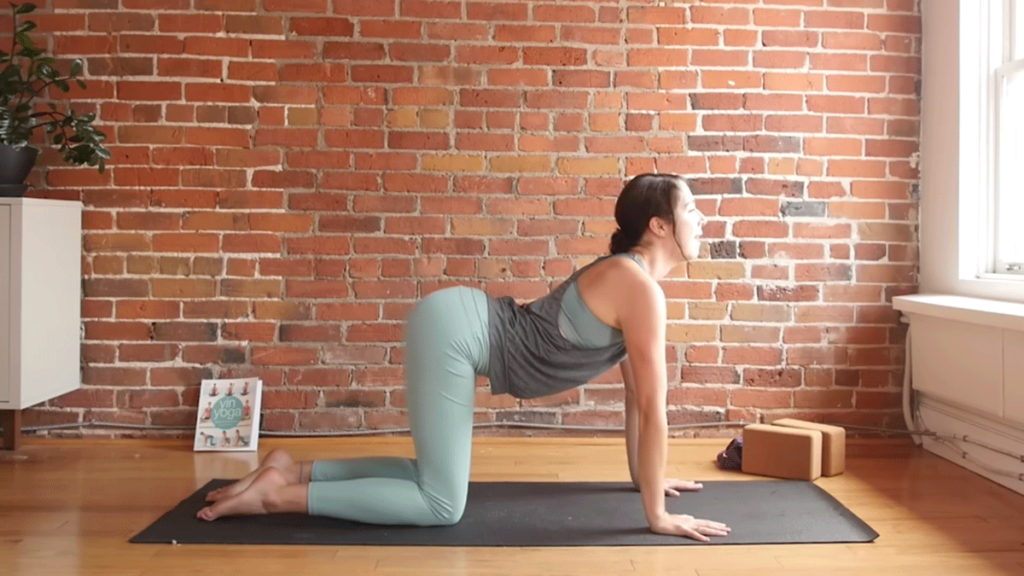
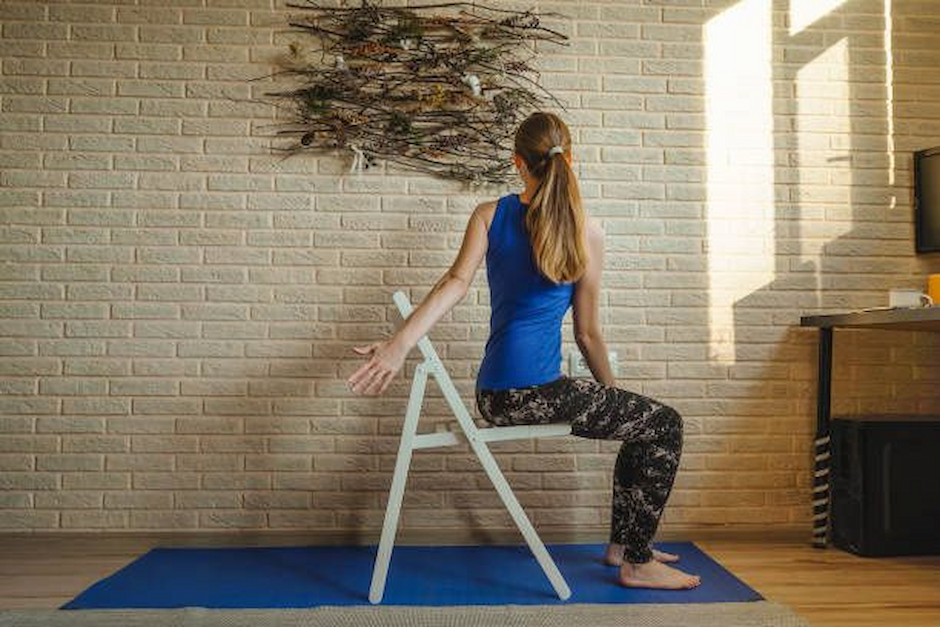
During your night-shift meal break, practice seated spinal twists (Ardha Matsyendrasana variations) and gentle cat-cow stretches in your chair. This mobilizes your thoracic spine and stimulates gut motility to ease late-night bloating.
4.4. Pre-Shift Activation (10 Minutes Before Leaving Home):Awaken mind and body before your shift.
Before starting your evening commute, practice gentle standing stretches and Surya Bhedana (Right Nostril Breathing) or Kapalabhati (if comfortable). This gently boosts blood flow and alertness without relying on excess caffeine.
5.5. Weekly Restorative Grounding (45-60 Minutes on Days Off):Build consistency over intensity.
On your rest days, join a slow restorative or yin yoga session. Focusing on deep hip openers, spinal decompression, and extended breath holding helps release accumulated deep-tissue tension.
Real Teaching Scenario: One of our students, an ICU nurse working 12-hour night shifts in Chennai, struggled with severe daylight insomnia and persistent tension headaches. By replacing her morning social media scrolling with 15 minutes of Legs-Up-the-Wall and Nadi Shodhana breathwork, she managed to fall asleep 30 minutes faster and reported significantly fewer tension headaches within three weeks.
What Are the Key Benefits of Yoga for Shift Workers?
Practicing regular gentle yoga offers physical, mental, and emotional benefits tailored to non-traditional schedules:
- Soothes Parasympathetic Nervous System: Slow movements combined with extended exhales help calm an overactive fight-or-flight response, supporting healthier cortisol rhythms.
- Improves Daylight Sleep Quality: Restorative poses and Yoga Nidra encourage smoother transitions into deep, restorative sleep despite daylight ambient noise and light.
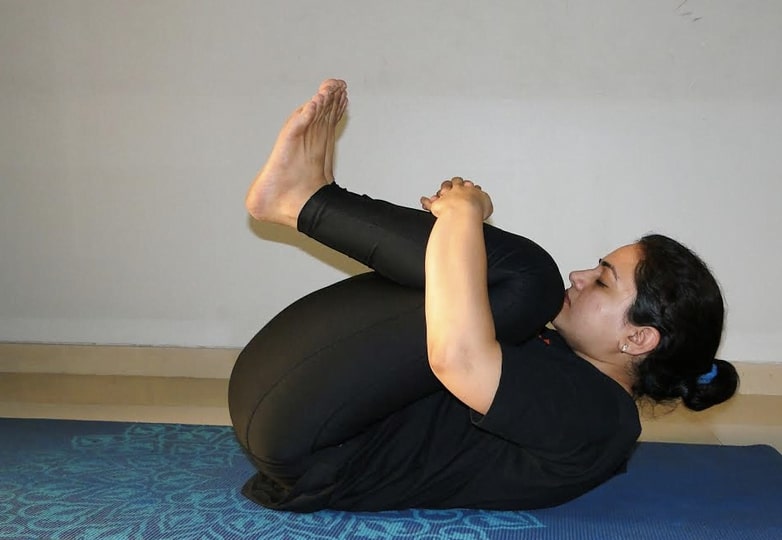
- Relieves Gastrointestinal Strain: Gentle twists and abdominal breathwork massage internal organs, helping counter bloating, acid reflux, and sluggish digestion.
- Eases Physical Back and Neck Stress: Focused posture work counters extended desk sitting and repetitive strain from standing shifts.
- Enhances Mental Clarity and Focus: Controlled breathing techniques clear brain fog, reducing fatigue-related errors during late-night hours.
How Can Beginners Start Yoga on a Shift-Work Schedule?
Beginners working night shifts should start with simple, low-impact floor postures and short relaxation sessions rather than complex standing sequences. Focus on building consistency with 10-to-15-minute practices right after your shift or before heading to work, allowing your body to adapt smoothly.
┌────────────────────────────────────────────────────────────────────────┐
│                     BEGINNER FRIENDLY POSTURE KIT                      │
├───────────────────────────────┬────────────────────────────────────────┤
│ Yoga Pose                     │ Primary Physiological Benefit          │
├───────────────────────────────┼────────────────────────────────────────┤
│ Legs-Up-the-Wall (Viparita)   │ Lowers heart rate, drains leg edema    │
│ Reclined Bound Angle (Supta)  │ Opens chest, releases pelvic tension   │
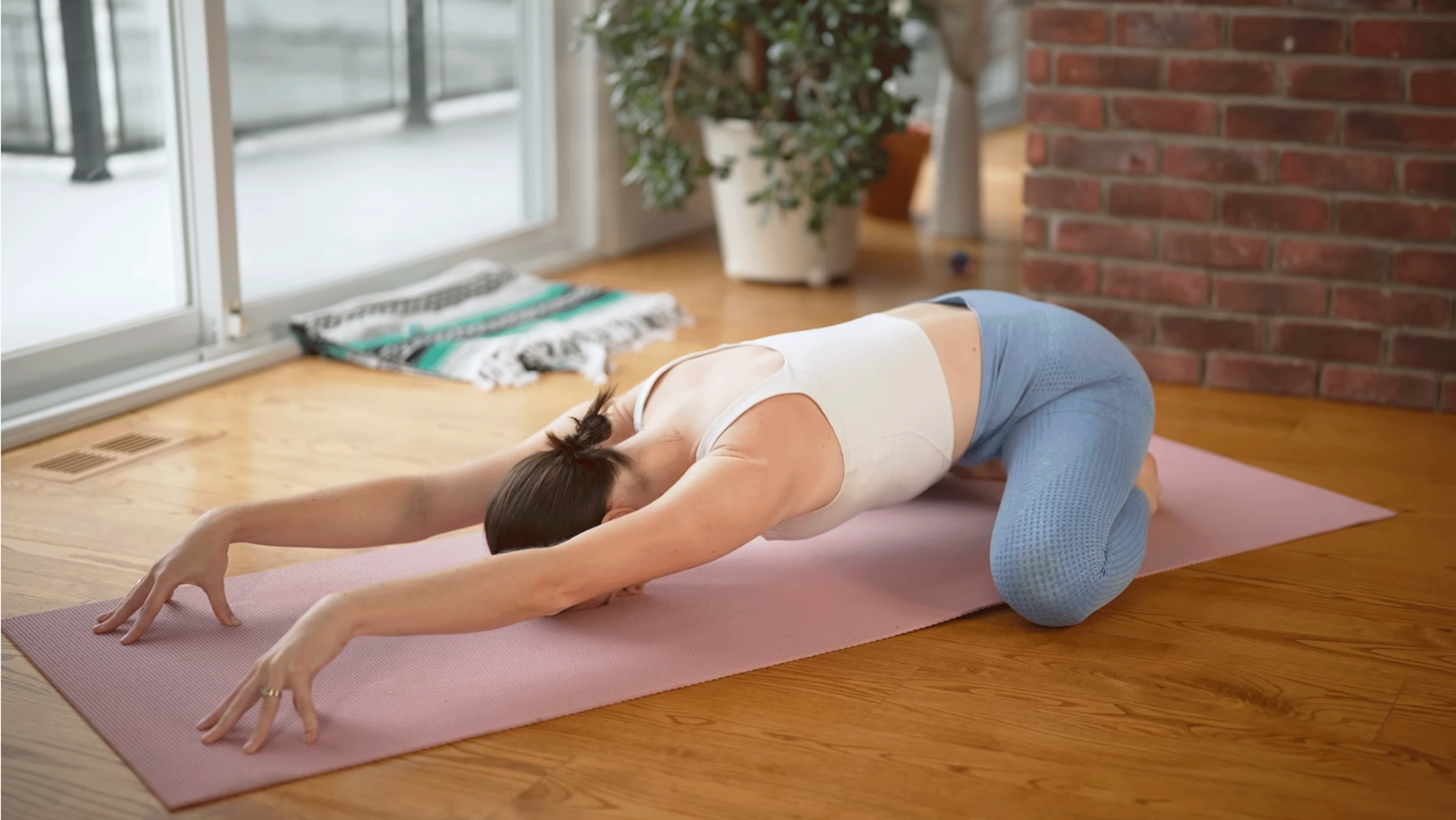
│ Child's Pose (Balasana)       │ Soothes lower back, turns attention inward│
│ Seated Cat-Cow (Marjaryasana) │ Mobilizes spine during desk breaks     │
└───────────────────────────────┴────────────────────────────────────────┘
- Set Up a Dark, Quiet Space: Practice your post-shift wind-down in a darkened room using blackout curtains and an eye pillow to signal rest to your brain.
- Prioritize Breath Over Flexibility: Never force deep stretches when fatigued. Focus on smooth, unhurried breathing with longer exhales than inhales.
- Use Props Generously: Support your body with bolsters, folded cotton blankets, or yoga blocks so your muscles can relax without strain.
- Leverage Online or Local Outdoor Classes: On off days, practice in soothing natural environments like an outdoor morning class near Thiruvanmiyur beach or follow structured online sessions from home.
Common Misunderstandings About Yoga for Night Shifts
Myth 1: “I need to do intense, sweaty poses to get real benefits.”
Fact: High-intensity yoga elevates core temperature and heart rate, triggering adrenaline production that makes falling asleep much harder. Restorative and somatic practices are far more effective after a night shift.
Myth 2: “Yoga requires a full 60-minute commitment every time.”
Fact: Micro-sessions lasting just 10 to 15 minutes at key transition points throughout your shift deliver substantial physiological benefits and are much easier to maintain.
Myth 3: “I can substitute coffee with aggressive breathwork.”
Fact: While energizing pranayama enhances alertness, forcing intense breathwork when deeply exhausted can overload your nervous system. Gentle, rhythmic breathing provides sustained energy without the crash.
Practical Tips for Building a Sustainable Practice
- Keep Water at Hand: Shift work in warm climates like Chennai accelerates dehydration. Drink water regularly alongside your practice to keep joints and tissues supple.
- Practice Nadi Shodhana (Alternate Nostril Breathing): Spend 5 minutes practicing balanced alternate nostril breathing before sleeping to quiet a racing mind.
- Avoid Post-Shift Phone Screens: Exposure to blue light right after your shift suppresses natural melatonin release. Put your phone away before your wind-down routine.
- Maintain Consistency on Days Off: Keep your sleep and practice times relatively steady on non-working days to avoid severe internal jet lag.
- Listen to Your Body’s Fatigue Signals: If you feel physically drained, skip standing poses entirely and rest in supported Savasana or practice Yoga Nidra.
Frequently Asked Questions
Which yoga poses help night-shift workers sleep during the day?
Restorative floor postures such as Viparita Leg-Up-The-Wall, Supta Baddha Konasana (Reclined Bound Angle), and Balasana (Child’s Pose) are ideal. Paired with slow abdominal breathing, these poses lower heart rate and prepare the mind for daylight sleep.
Can practicing yoga replace actual sleep after a night shift?
No. Yoga and Yoga Nidra support deep relaxation and nervous system recovery, but they cannot replace essential physiological sleep cycles. Use them to help you fall asleep faster and improve your overall sleep quality.
When is the best time for a night-shift worker to practice yoga?
Divide your practice into two main times: 15 minutes of gentle, restorative yoga immediately after your shift to wind down, and 10 to 15 minutes of light stretching and energizing breathwork before your night shift begins.
How does Yoga Nidra help professionals working night shifts?
Yoga Nidra guides the brain into deep alpha and theta brainwave states without requiring active effort. A 20-to-30-minute session helps reduce mental fatigue, lowers stress hormones, and aids physical recovery when sleep is fragmented.
Which breathing exercises ease late-night digestive issues?
Gentle seated spinal twists paired with Diaphragmatic Breathing and Nadi Shodhana (Alternate Nostril Breathing) massage internal abdominal organs, easing bloating and acid reflux during late-night shifts.
Is it safe to practice yoga immediately after finishing a 12-hour shift?
Yes, provided you choose low-impact, restorative poses and avoid intense inversions or heavy backbends. Keep movements slow, gentle, and fully supported with props.
How do I stay awake during my shift without drinking extra coffee?
Practice 3 to 5 minutes of Surya Bhedana (Right Nostril Breathing), gentle shoulder rolls, and standing side stretches during your break. This boosts circulation and oxygen delivery naturally without caffeine crashes.
Where can night-shift workers in Chennai find soothing yoga classes?
Look for restorative or yin yoga classes in peaceful settings—such as outdoor sessions along Besant Nagar or ECR, or flexible online guided programs that fit irregular shift routines.
Finding Balance on Non-Traditional Schedules
Working night shifts doesn’t mean you have to compromise on health, sleep quality, or peace of mind. By introducing brief, intentional yoga and breathwork practices into your daily routine, you can ground your nervous system, ease digestive strain, and enjoy restorative sleep—no matter what the clock says.
If you are based in Chennai—whether near ECR, Besant Nagar, or commuting along OMR—taking your practice into a quiet outdoor setting or joining guided online sessions can offer the supportive environment you need. Focus on small, consistent steps, listen to your body, and let your practice bring balance back to your days and nights.



Leave a Comment