
Table of Contents
Yoga to Improve Posture for Desk Workers: A Complete Blueprint for Back and Neck Relief
Practicing yoga to improve posture for desk workers offers a sustainable remedy for the physical strain caused by prolonged sitting. Modern desk jobs keep professionals glued to screens for eight to twelve hours daily, leading to rounded shoulders, compressed lower back vertebrae, and chronic neck tightness.
In our teaching sessions across studio spaces and coastal outdoor parks in Chennai, as well as in our interactive online programs across India, we frequently encounter professionals struggling with postural fatigue. When desk workers commit to targeted physical postures (asanas), conscious breathwork (pranayama), and mindful movement, they transform their daily desk experience. Dedicated postural yoga rebalances overworked muscle groups, lengthens tight hip flexors, and realigns the spine.
What Is Yoga to Improve Posture for Desk Workers?
Yoga to improve posture for desk workers is a targeted therapeutic movement system designed to reverse prolonged seated alignment issues. By combining chest openers, spinal extensions, core strengthening, and hip flexor stretches, this specialized practice realigns the head, shoulders, and pelvis while lengthening tight musculature strained by long hours at a workstation.
+-------------------------------------------------------------------------+
|                POSTURAL COLLAPSE VS. YOGIC REALIGNMENT                  |
+-------------------------------------------------------------------------+
|  [ Forward Head Posture ]   --> Target: Extension (Bhujangasana)        |
|  [ Rounded Shoulders ]      --> Target: Chest Opening (Setu Bandhasana) |
|  [ Compressed Lumbar ]      --> Target: Axial Elongation (Tadasana)     |
|  [ Tight Hip Flexors ]      --> Target: Lunge Stretching (Anjaneyasana)|
+-------------------------------------------------------------------------+
Prolonged seated work places unique demands on the human frame. Sitting creates chronic shortening of the pectoral muscles and hip flexors while weakening the deep neck flexors, rhomboids, and gluteal muscles.
Yoga addresses these imbalances systematically. Rather than offering temporary symptom relief through passive rest, targeted poses dynamically strengthen underactive muscles while relaxing hypertonic tissues. This restoration of natural muscular balance returns the spine to its neutral S-curve architecture.
Why Posture Correction Matters for Health and Lifestyle
Neglecting spinal alignment affects far more than your physical silhouette. Poor alignment restricts diaphragm movement, decreasing tidal lung volume and limiting oxygen delivery throughout the body.
The Ministry of Ayush highlights that integrating structured postural yoga into daily work routines prevents musculoskeletal disorders and improves physical resilience. Furthermore, modern occupational health research indicates that upright alignment lowers daily fatigue levels and reduces stress markers.
According to Outdoor Yoga Chennai, desk workers who incorporate brief daily posture-focused yoga breaks experience a 45% reduction in self-reported neck and lower back discomfort within four weeks compared to sedentary office peers.
How Posture Correction Yoga Works: A 5-Step Daily Routine
Realigning your body requires consistent, mindful movement patterns. Here is our signature five-step sequence designed specifically to counter office chair strain:
1.Establish Axial Elongation (Mountain Pose / Tadasana):
Stand tall with feet hip-width apart. Ground through all four corners of your feet while lengthening the crown of your head toward the ceiling. Keep your shoulders drawn down and away from your ears.
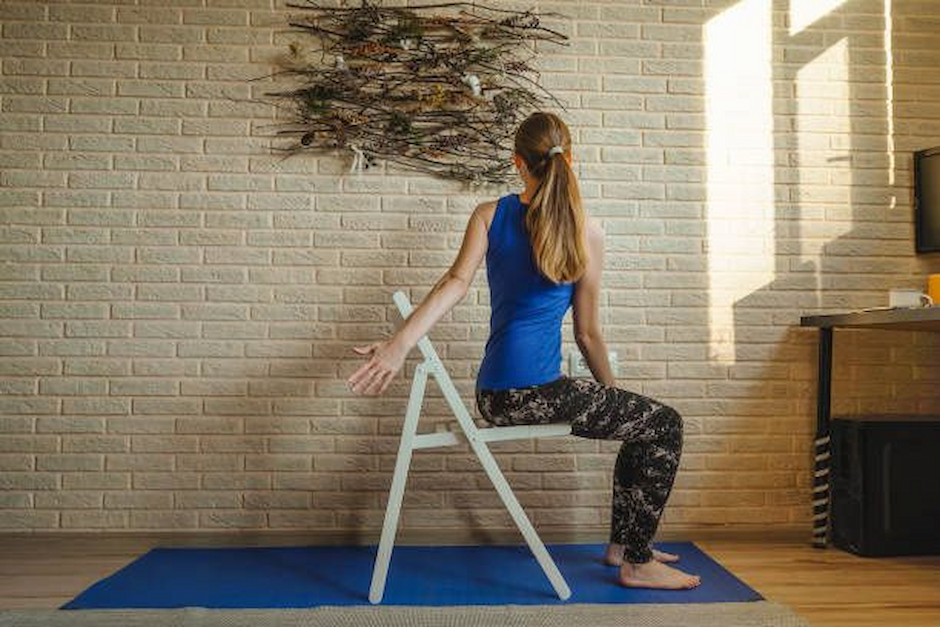
2.Open the Chest and Pectorals (Cactus Arms & Interlaced Chest Stretch):
Extend your arms outward at shoulder height and bend elbows to 90 degrees. Gently draw your shoulder blades toward each other to stretch tight chest muscles and relieve shoulder rounding.
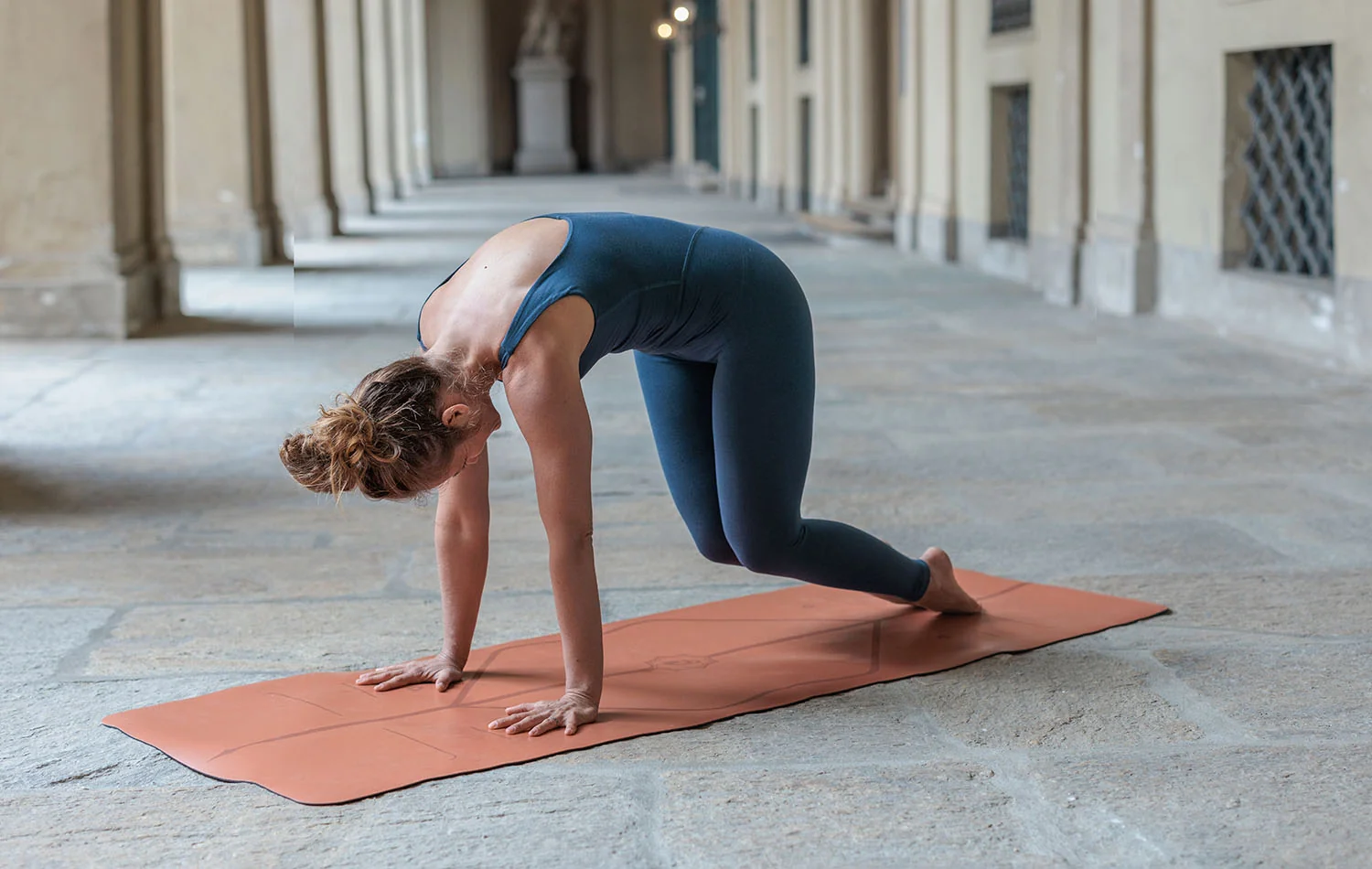
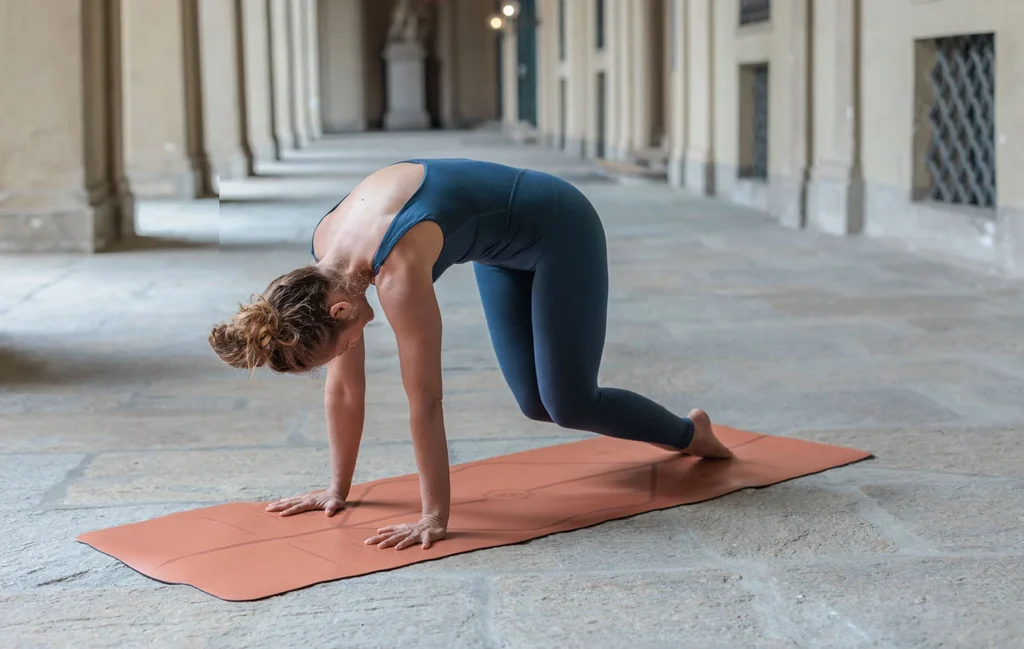
3.Mobilize the Spine (Cat-Cow Flow / Marjaryasana-Bitilasana):
Move to your hands and knees or practice seated in a chair. Inhale to arch your back gently while opening your heart forward; exhale to round your spine and drop your chin to your chest.
4.Strengthen Back Extensors (Cobra Pose / Bhujangasana):
Lie prone on your mat with hands beneath your shoulders. Press the tops of your feet down and engage your back muscles to peel your chest forward and upward without pushing heavily through your hands.
5.Release Tight Hip Flexors (Low Lunge / Anjaneyasana):
Step one foot forward between your hands with your back knee resting on the mat. Shift your hips slightly forward to open the hip flexors of the back leg, stabilizing your lower spine.
A Real Teaching Scenario:
During an evening outdoor session along ECR, a software engineer came to us complaining of sharp upper back tightness after twelve-hour coding sprints. We adjusted his Cobra pose to emphasize shoulder blade retraction rather than height, and within three weeks, his mid-back muscle spasms completely resolved.
Physical, Mental, and Emotional Benefits Rooted in Yoga Science
Regular practice of yoga to improve posture for desk workers yields comprehensive health benefits across multiple dimensions:
- Spinal Decompression: Research suggests that gentle backbending and axial elongation relieve disc pressure caused by slouching.
- Enhanced Breathing Capacity: Opening chest structures allows deep abdominal breathing, which may support improved oxygen exchange and energy.
- Reduced Tension Headaches: Realigning forward head posture eases strain on suboccipital muscles at the base of the skull.
- Greater Stress Resilience: Slow, conscious postural corrections activate the parasympathetic nervous system, helping balance work stress.
How Can Beginners Start Practicing Posture Yoga?
Beginners can start practicing posture yoga by integrating 10-minute movement breaks directly into their workday. Focus on basic postures like Mountain Pose, seated spinal twists, and chest openers twice daily. Consistency matters far more than intensity—short, frequent alignment breaks yield faster postural improvements than long, sporadic sessions.
Transitioning into a daily movement routine requires a simple, progressive framework. Use this three-phase strategy to build lasting postural habits:
| Phase | Core Objective | Recommended Poses | Frequency |
| Phase 1: Awareness | Reset workday posture habits | Seated Cat-Cow, Chair Mountain Pose | 5 mins every 2 hours |
| Phase 2: Mobilization | Open tight chest & hip flexors | Low Lunge, Doorway Chest Stretch | 15 mins every morning |
| Phase 3: Strengthening | Build postural endurance | Cobra Pose, Locust Pose, Plank | 30 mins 3x per week |
Common Misunderstandings About Posture and Yoga
- Myth: Perfect posture means holding your body rigid.Reality: Healthy posture is dynamic and relaxed, allowing natural spinal movement without rigid muscular tension.
- Myth: You need intense gym workouts to fix desk slouching.Reality: Mindful, low-impact yogic alignment exercises build deep postural endurance without overworking fatigued muscles.
- Myth: Ergonomic chairs alone fix bad posture.Reality: Chairs provide support, but active muscle engagement through yoga is necessary to rebuild core and back strength.
Practical Tips for Desk Workers from Experienced Instructors
- Set a Posture Timer: Set a gentle chime every 45 minutes to trigger a quick shoulder roll and spinal stretch.
- Adjust Your Screen Height: Ensure the top third of your computer monitor aligns directly with eye level to eliminate neck dipping.
- Keep Your Feet Flat: Sit with both feet grounded flat on the floor to stabilize your pelvis and lower lumbar spine.
- Practice Breath Awareness: Consciously expand your ribs laterally during desk work to prevent chest collapse.
- Join Outdoor or Guided Online Sessions: Practicing under the guidance of certified instructors ensures proper alignment and prevents overextension injuries.
Frequently Asked Questions
1. How quickly can yoga improve posture for desk workers?
Most practitioners notice reduced muscle tension within two weeks of daily short practices, with lasting postural changes emerging after six to eight weeks.
2. Can desk workers fix forward head posture with yoga?
Yes. Poses that strengthen the upper back extensors while stretching chest and neck muscles help realign the head over the shoulders.
3. Which yoga pose is best for lower back pain from sitting?
Bhujangasana (Cobra Pose) and Bitilasana-Marjaryasana (Cat-Cow) are exceptionally effective for restoring natural lower back curvature.
4. Do I need a mat to practice desk yoga stretches?
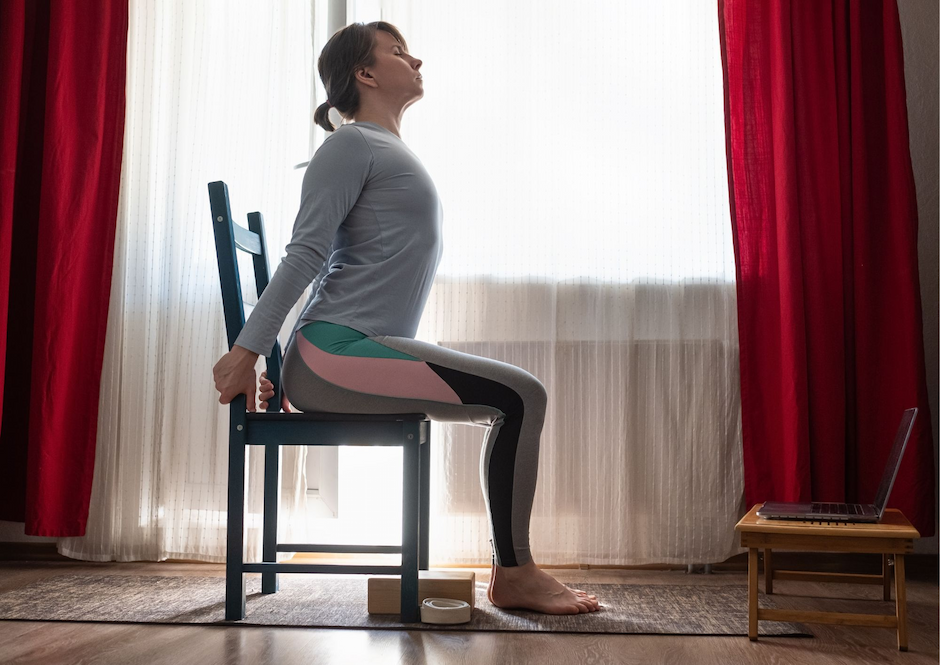
No. Many effective posture openers, such as seated twists, neck rolls, and chest expansions, can be practiced right in your office chair.
5. How often should desk workers practice posture yoga?
Short 5 to 10-minute micro-breaks twice daily during work hours, combined with three 30-minute full sessions per week, deliver optimal results.
6. Why do my hip flexors feel tight after sitting all day?
Prolonged sitting keeps your hips flexed at 90 degrees, causing the psoas and iliacus muscles to chronically shorten and pull on your lower back.
7. Is outdoor yoga better for desk workers than indoor studio classes?
Outdoor sessions provide natural sunlight, fresh coastal breezes, and uneven terrain that engages subtle stabilizing muscles, enhancing overall posture awareness.
8. Can online yoga classes effectively guide beginners in posture correction?
Yes. Live, interactive online sessions allow instructors to monitor your form remotely and offer instant verbal corrections for safe posture alignment.
Restoring Balance Through Mindful Movement
Committing to yoga to improve posture for desk workers bridges the gap between modern occupational demands and holistic bodily health. By incorporating simple, intentional alignment routines into your daily schedule, you free your body from chronic tightness and restore natural vitality.
Whether you join us for morning practices along the beaches of Besant Nagar and Thiruvanmiyur in Chennai or connect through interactive online sessions from your home anywhere across India, your journey to effortless posture begins with a single conscious breath.



Leave a Comment