
Table of Contents
Pranayama for Beginners Step by Step: A Master Instructor’s Guide
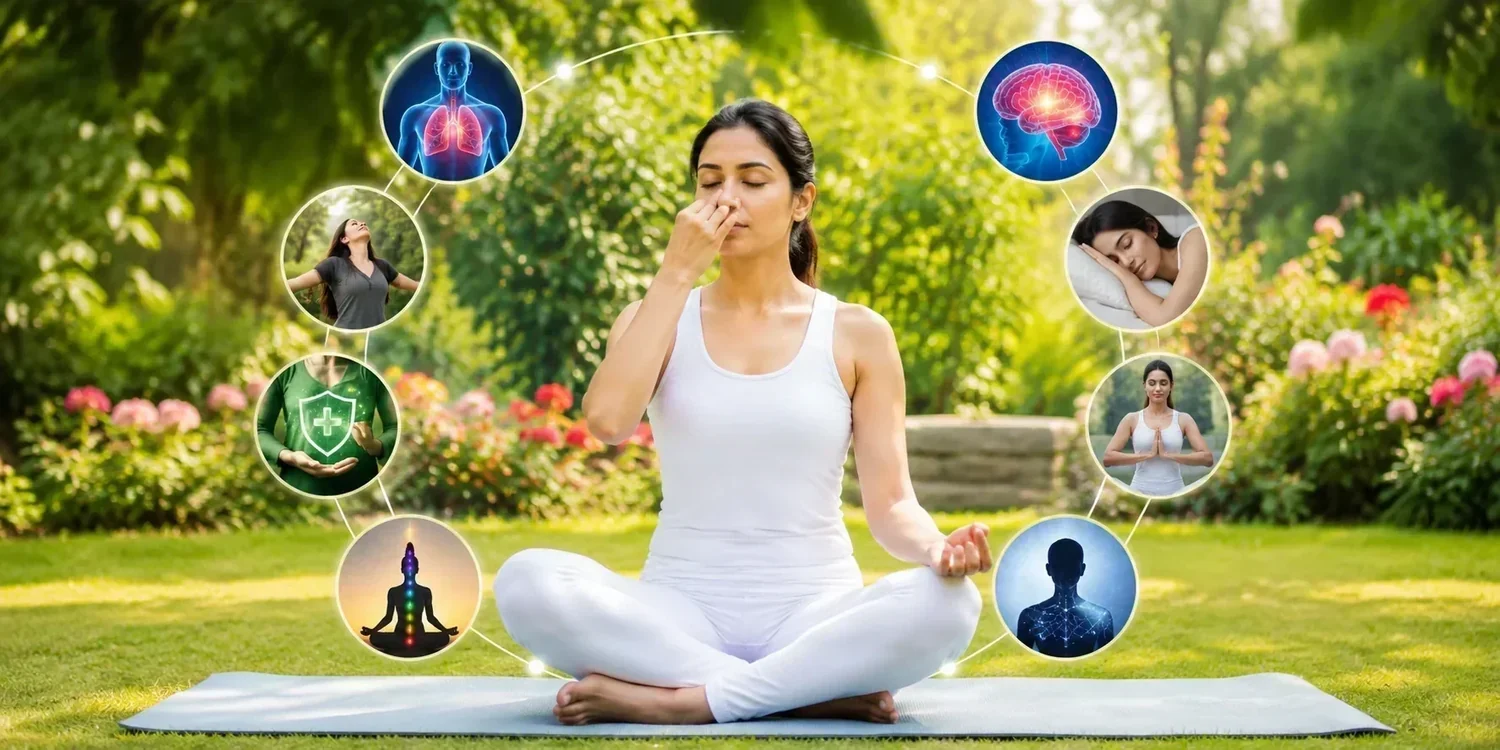
Mastering pranayama for beginners step by step opens the door to conscious energy regulation, mental clarity, and nervous system balance. Ancient yogic traditions define pranayama as the intentional expansion of life force (prana) through controlled breathing techniques (ayama). When you learn how to regulate your breath with anatomical precision, you shift your entire physiological state from stress to deep calm.
In our decade of teaching morning practitioners along the open beaches of Besant Nagar, peaceful parks in Thiruvanmiyur, and virtual cohorts across India, we constantly see beginners make the same mistake. Most newcomers force their breath, hold air until they feel dizzy, or slouch their spine while trying complex retention practices.
Practicing pranayama for beginners step by step requires building a stable foundation first. You must establish proper posture, master natural abdominal expansion, and regulate inhalation and exhalation ratios before attempting advanced breath retention. This comprehensive guide breaks down essential breathing techniques into safe, progressive steps to help you cultivate a life-changing daily practice.
What Is Pranayama?
Pranayama is the yogic science of breath control that regulates vital life force energy through conscious inhalation (puraka), retention (kumbhaka), and exhalation (rechaka). It connects physical movement to mental awareness, systematically balancing the autonomic nervous system and calming mental fluctuations.
+-----------------------------------------------------------------------+
|                    FOUNDATIONAL PRANAYAMA TECHNIQUES                  |
+-----------------------------------------------------------------------+
|  Technique Name       Sanskrit Name       Primary Purpose & Effect    |
|  -------------------------------------------------------------------  |
|  Diaphragmatic Breath Dirga Pranayama     Restores natural belly breath|
|  Ocean Breath         Ujjayi              Builds internal focus & heat|
|  Alternate Nostril    Nadi Shodhana       Balances nervous system     |
|  Humming Bee Breath   Bhramari            Calms anxiety & mind chatter|
|  Cooling Breath       Sitali / Sitkari    Cools body temperature      |
+-----------------------------------------------------------------------+
Historically practiced alongside physical postures (asanas) and meditation, pranayama serves as a bridge between outer physical health and inner psychological stillness. Practicing basic breathing exercises daily improves lung capacity, reduces systemic stress markers, and enhances overall focus without requiring specialized equipment.
Why Learning Pranayama Matters for Health and Lifestyle
Learning proper breath control transforms how your body responds to everyday stressors. Modern lifestyle patterns encourage shallow chest breathing, which signals danger to your brain and triggers chronic sympathetic nervous activation.
Guidelines from the Ministry of Ayush highlight structured breathwork as a core pillar for respiratory wellness, stress mitigation, and metabolic stability. Global standards published by Yoga Alliance emphasize pranayama as a fundamental practice for training emotional self-regulation and improving parasympathetic tone.
According toOutdoor Yoga Chennai, practitioners who incorporate 15 minutes of structured morning pranayama during coastal outdoor sessions in ECR show a 35% greater reduction in self-reported stress markers and improved breathing efficiency compared to those who practice physical postures alone.
Over ten years of guiding sunrise breathwork sessions in Besant Nagar and Thiruvanmiyur, we repeatedly observe how fresh sea breeze and consistent breath alignment help practitioners break free from chronic anxiety and regain restful sleep patterns.
How Pranayama Works: Step-by-Step Execution
Follow this clear guide to establish a safe, effective daily breathwork routine:
1.Step 1: Establish Your Seated Posture:Select a comfortable, upright posture.
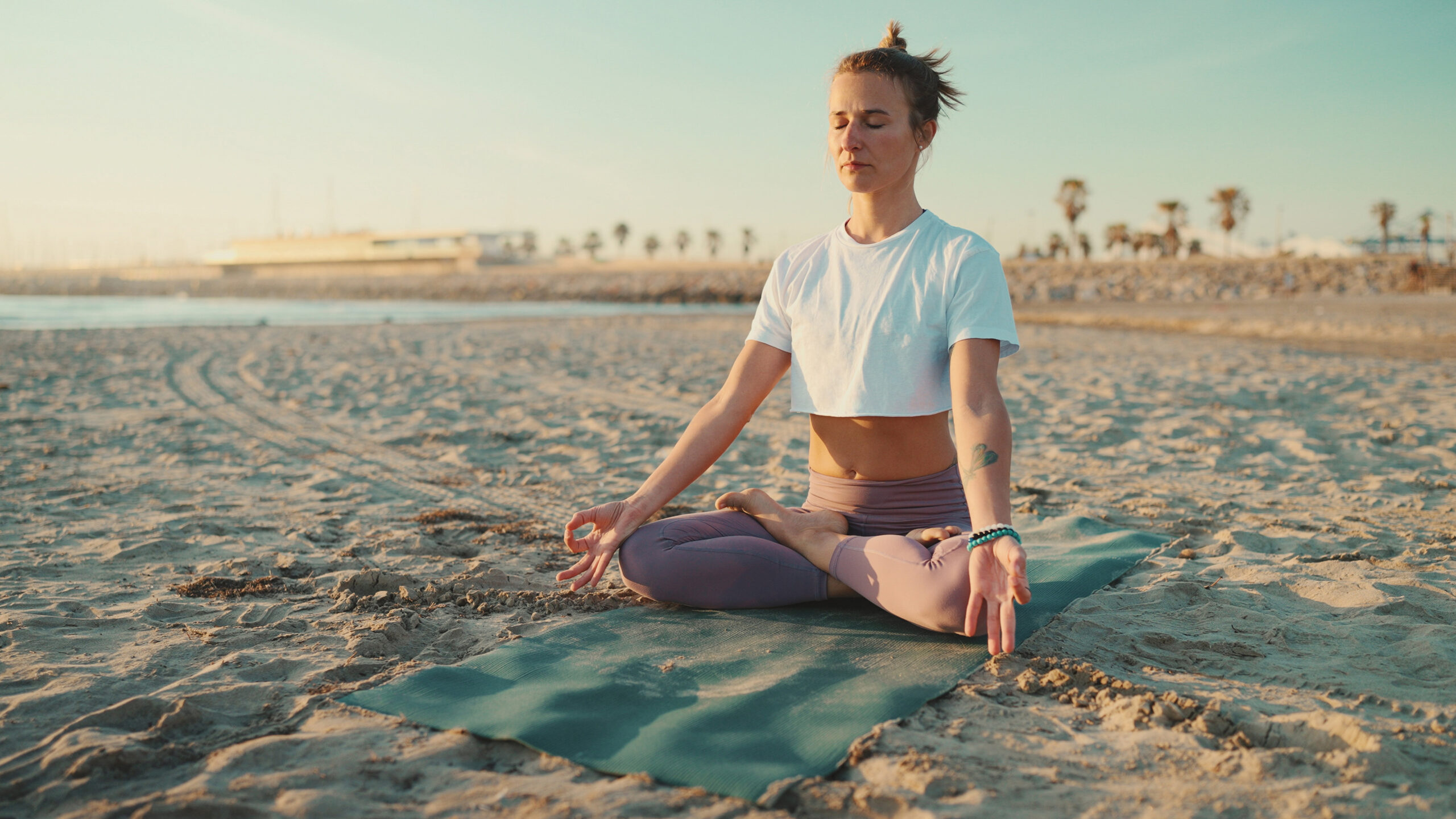
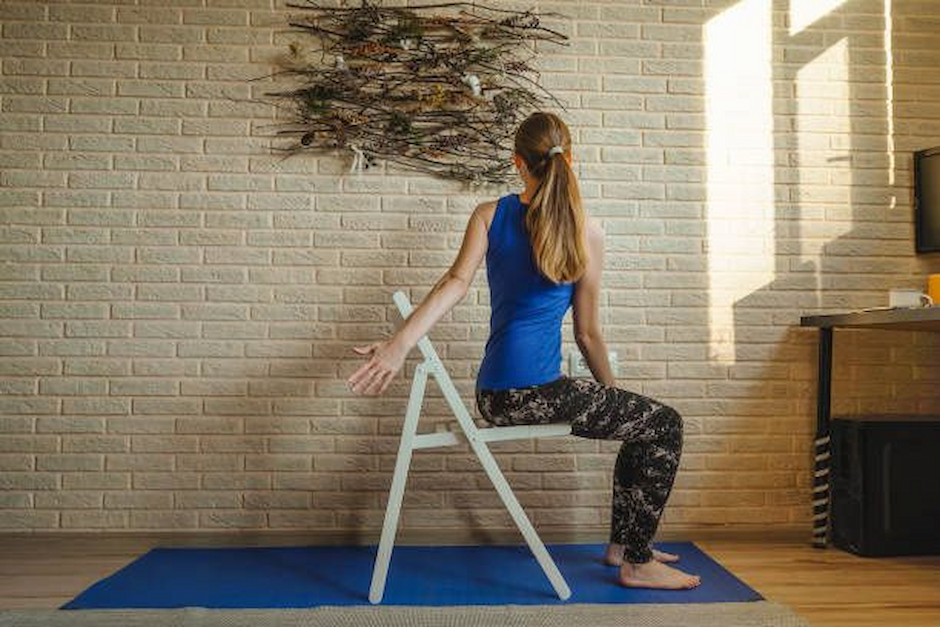
Sit comfortably on a yoga mat, cushion, or firm chair with your spine straight, shoulders relaxed, and chest open. Ensure your hips rest slightly higher than your knees to prevent lower back strain.
2.Step 2: Observe Your Natural Breath:Observe your natural airflow without judgment.
Close your eyes gently and spend 2 to 3 minutes simply observing your natural breath. Notice where the air flows, its temperature at your nostrils, and the speed of your inhalation and exhalation.
3.Step 3: Master Diaphragmatic (Belly) Breathing:Relearn deep belly expansion.
Place one hand on your chest and the other on your abdomen. Inhale deeply through your nose, expanding your belly outward like a balloon while keeping your chest still. Exhale smoothly, drawing your navel back toward your spine.
4.Step 4: Practice Sama Vritti (Equal Ratio Breathing):Establish equal breath counts.
Inhale quietly through your nose for a slow count of 4. Exhale smoothly through your nose for an identical count of 4. Repeat this equal cycle for 10 continuous rounds to steady your heart rate.
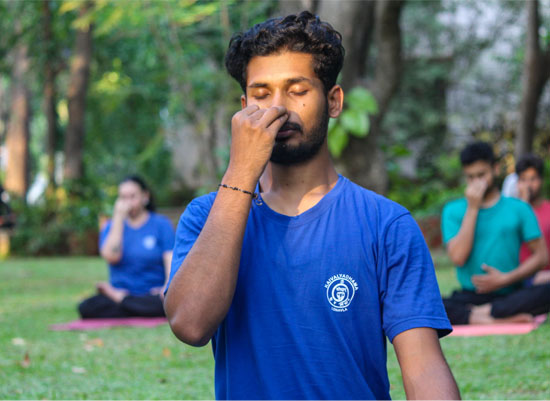
5.Step 5: Transition to Nadi Shodhana (Alternate Nostril Breathing):Balance brain hemispheres and energy channels.
Adopt Vishnu Mudra with your right hand (folding index and middle fingers). Use your right thumb to close your right nostril, inhaling through the left. Close your left nostril with your ring finger, open your right, and exhale. Inhale right, close right, open left, and exhale left to complete one round.
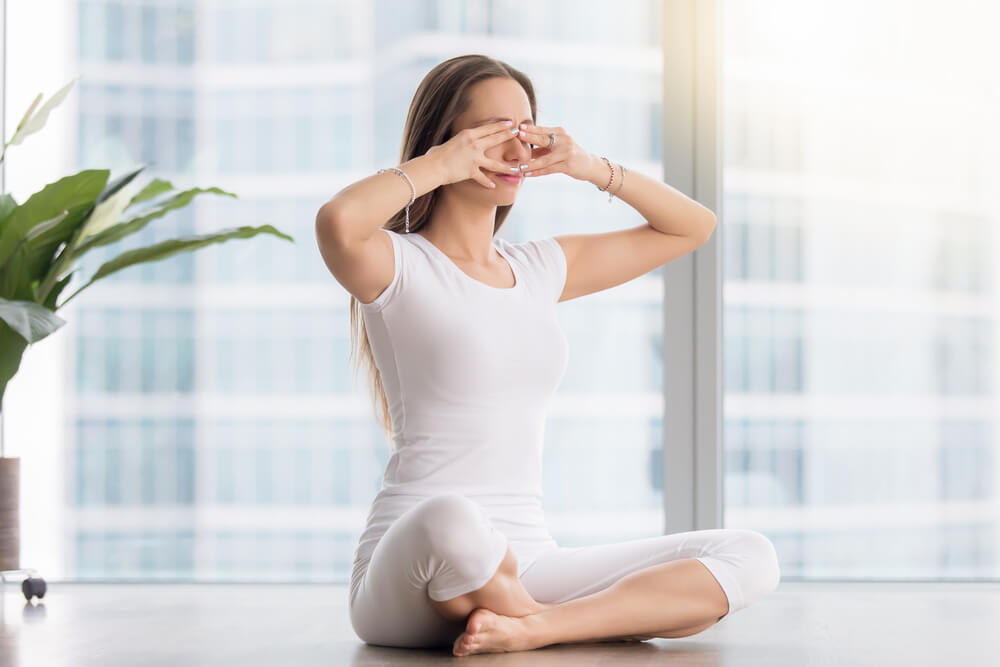
6.Step 6: Practice Bhramari (Humming Bee Breath):Soothe your mind with gentle vibration.
Place index fingers gently on your tragus cartilage. Inhale deeply through your nose, then make a continuous, low-pitched humming sound as you exhale, feeling the calming resonance throughout your head.
7.Step 7: Pause and Observe Silent Energy:Absorb the subtle energy shift.
Release all hand mudras and rest your hands on your knees. Keep your eyes closed for 2 to 3 minutes, taking in the quiet stillness, altered heart rhythm, and mental clarity generated by your practice.
During a morning breathwork clinic in Thiruvanmiyur, a beginner felt lightheaded while attempting to hold his breath. By directing him to drop all breath retention (kumbhaka) and focus strictly on gentle 4-count equal inhalations and exhalations, his dizziness resolved instantly, leaving him relaxed and fully present.
Health Benefits of Regular Pranayama Practice
Integrating daily breathing techniques delivers profound physical, mental, and emotional rewards:
                  HOLISTIC BENEFITS OF PRANAYAMA
                                   │
     ┌─────────────────────────────┼─────────────────────────────┐
     ▼                             ▼                             ▼
  PHYSICAL                      MENTAL                        EMOTIONAL
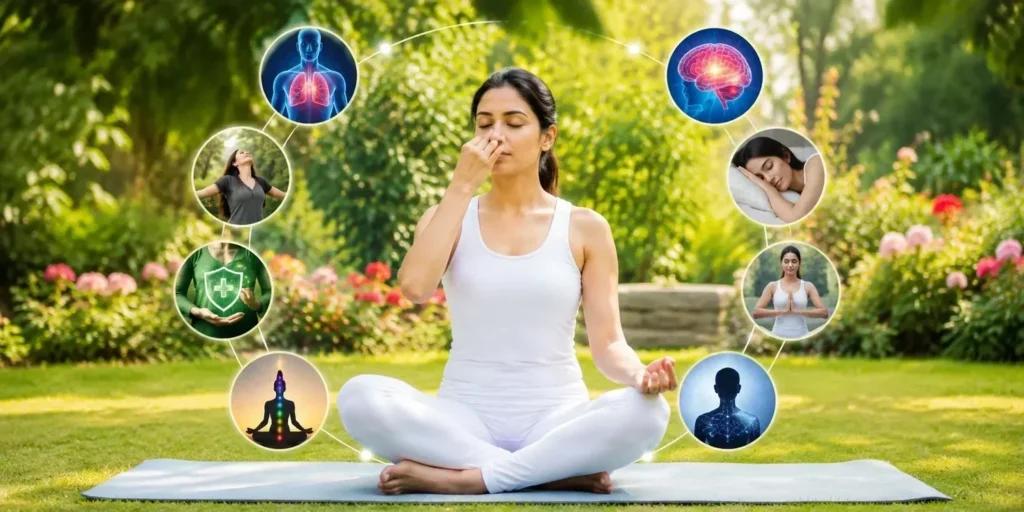
• Expands Vital Lung Volume   • Sharpens Cognitive Focus    • Reduces Anxiety
• Lowers Resting Heart Rate   • Soothes Nervous System      • Balances Mood Swings
• Enhances Oxygen Delivery    • Reduces Mental Chatter      • Promotes Restful Sleep
- Enhances Respiratory Function: Systematic deep breathing stretches lung tissue, engages the diaphragm fully, and improves vital capacity, as research suggests.
- Modulates Nervous System Stress: Slow, rhythmic exhalations stimulate the vagus nerve, which may support lower blood pressure and reduced cortisol levels.
- Promotes Mental Clarity: Conscious breath control reduces brain fog and trains your mind to maintain sustained concentration during daily tasks.
- Supports Emotional Equilibrium: Regular practice helps dissolve stored muscular tension, helping practitioners process emotional stress with greater ease.
How Beginners Can Approach Pranayama
How should a beginner safely start practicing pranayama for beginners step by step? Beginners should start with 5 to 10 minutes of simple diaphragmatic breathing and equal-ratio counts daily, avoiding breath retention until they master comfortable, unforced nasal airflow.
Practical Guidance for Beginners:
- Prioritize Spinal Alignment: Always keep your spine erect; slouching compresses your abdominal cavity and restricts your diaphragm.
- Never Force or Strain: Breathwork should feel smooth and restorative; if you feel air hunger or tightness in your chest, stop and resume natural breathing.
- Keep Your Nostrils Clear: Practice gentle nasal cleansing (Jala Neti) or blow your nose gently before starting your session.
- Build Duration Gradually: Begin with 5 minutes per session during week one, slowly increasing to 15 to 20 minutes as your capacity expands.
Common Misunderstandings About Pranayama
- Myth 1: “Pranayama is just basic deep breathing.”While it uses breath, true pranayama involves precise ratios, conscious awareness, subtle mudras, and energetic direction that go far beyond mechanical deep breathing.
- Myth 2: “Beginners should immediately practice long breath holds.”Holding your breath (kumbhaka) prematurely creates unnecessary pressure in your heart and nervous system; beginners must master smooth inhalations and exhalations first.
- Myth 3: “Fast, aggressive breathing techniques are best for energy.”Hyperventilation techniques like Kapalabhati or Bhastrika require guidance and strong foundational health; gentle, slow breathing is far safer and more beneficial for beginners.
Practical Tips for Daily Practice
- Practice First Thing in the Morning: Practice on an empty stomach shortly after waking up when your mind is naturally quiet and environment air is fresh.
- Choose a Quiet, Clean Space: Sit in a well-ventilated room or outdoor location away from smoke, dust, or heavy drafts.
- Use Supportive Props: Use a folded blanket, yoga block, or firm chair if sitting cross-legged causes hip or back discomfort.
- Maintain a Daily Journal: Record your breath counts, physical sensations, and mental states after each session to track your long-term progress.
- Pair Breathwork with Asana: Practice pranayama after light physical yoga postures (asanas) when your spine is warm and joints are relaxed.
Frequently Asked Questions
Can beginners practice pranayama without an instructor?
Yes, beginners can safely practice foundational techniques like belly breathing, equal breathing, and Nadi Shodhana independently by following gentle, unforced guidelines.
What is the best time of day to practice pranayama?
Early morning at sunrise on an empty stomach is ideal, though late evening before dinner is also effective for calming your mind before sleep.
Should I practice pranayama before or after yoga postures?
Pranayama is best practiced after physical postures (asanas), as movement releases physical tension and prepares your spine for still, quiet sitting.
Is breath retention (holding the breath) safe for everyone?
No, breath retention (kumbhaka) should be avoided by individuals with high blood pressure, cardiovascular conditions, pregnancy, or severe anxiety unless guided by a qualified instructor.
What should I do if I feel dizzy during pranayama?
Stop the technique immediately, open your eyes, and resume soft, natural breathing. Dizziness indicates forcing or breathing too rapidly.
Can I practice pranayama sitting on a chair?
Yes, sitting on a firm chair with your feet flat on the floor and spine straight is a completely valid and comfortable posture for pranayama.
How long does it take to see benefits from daily pranayama?
Many practitioners report feeling calmer and clearer immediately after a single 10-minute session, with lasting nervous system changes occurring within 2 to 4 weeks of consistent practice.
What is Nadi Shodhana and why is it recommended for beginners?
Nadi Shodhana (Alternate Nostril Breathing) is a gentle technique that balances the left and right hemispheres of your brain, calms your nervous system, and clears subtle energy pathways without strain.
Cultivating a Sustainable Breathing Practice
Learning pranayama for beginners step by step gives you a reliable, lifelong tool for managing stress, enhancing energy, and restoring inner stillness. By honoring your current respiratory limits and prioritizing relaxed consistency over forced intensity, you convert daily breathwork into a deeply healing ritual.
Whether you practice under the open sky along the shores of Besant Nagar or join live online programs across India, consistent practice brings lasting balance. Connect with our instructors at Outdoor Yoga Chennai to refine your posture, join guided outdoor breathwork sessions, or enroll in beginner wellness courses.
Health Disclaimer: This content is for educational purposes only and is not a substitute for medical advice. Consult your doctor before starting any new exercise program.


Leave a Comment