
Table of Contents
Why Is Breathing Important in Yoga? A Master Educator’s Guide
Understanding why is breathing important in yoga transforms physical movement into a deeply therapeutic mind-body practice. Breathing acts as the direct bridge between conscious action and involuntary nervous system responses, allowing practitioners to stabilize heart rates, soothe anxiety, and align postures safely. Without intentional breath control, asana practice risks becoming mere physical exercise.
In our decade of guiding sunrise classes along the sea breeze at Besant Nagar, outdoor sessions in Thiruvanmiyur, and virtual cohorts across India, we constantly see students arrive with shallow, chest-dominant breathing patterns. When we introduce intentional pranayama, their physical stability instantly deepens and mental clutter softens.
Breathing regulates oxygen intake, improves cellular health, and anchors focused awareness in the present moment. This comprehensive guide explores the physiological mechanics, classical philosophy, and daily applications of yogic breathwork for beginners and seasoned practitioners alike.
What Is Breathing in Yoga?
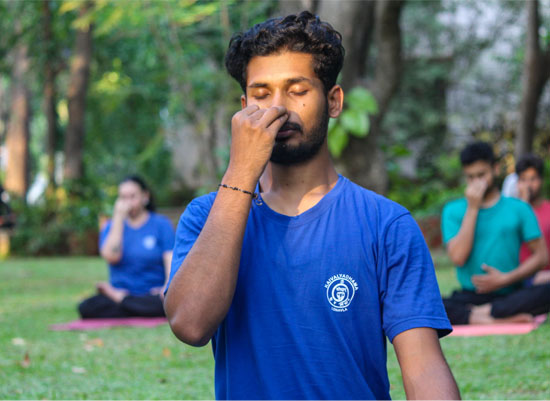
Breathing in yoga, traditionally termed Pranayama, is the deliberate practice of regulating inhalation (Puraka), retention (Kumbhaka), and exhalation (Rechaka). It harnesses vital life force energy to quiet mental fluctuations, optimize respiratory health, and deepen physical postures during movement.
+-----------------------------------------------------------------------+
|                 STAGES OF CONSCIOUS YOGIC BREATHING                   |
+-----------------------------------------------------------------------+
|  Sanskrit Term       English Translation       Primary Function       |
|  -------------------------------------------------------------------  |
|  Puraka              Inhalation                Oxygenates & Invigorates|
|  Antar Kumbhaka      Internal Retention        Enhances Energy Flow   |
|  Rechaka             Exhalation                Releases Toxins & Stress|
|  Bahya Kumbhaka      External Retention        Quiets Mind Fluctuations|
+-----------------------------------------------------------------------+
In standard day-to-day life, most adults rely on superficial chest breathing, utilizing only a fraction of total lung capacity. Conscious yogic breathing re-educates the diaphragm, expanding respiratory efficiency while providing steady rhythm to physical asanas.
Why Is Breathing Important in Yoga for Health and Lifestyle?
The primary reason why breathing is important in yoga centers on its unique capacity to influence the autonomic nervous system. Slow, rhythmic diaphragmatic inhalation and extended exhalation stimulate the vagus nerve, signaling the parasympathetic response to lower blood pressure and reduce cortisol levels.
Guidance supported by the Ministry of Ayush emphasizes Pranayama as a essential pillar for preventive healthcare, stress management, and mental equilibrium. Global standards maintained by Yoga Alliance mandate breath integration in all accredited teacher training curricula, recognizing breath as the primary tool for safe alignment.
According toOutdoor Yoga Chennai, practitioners who incorporate 10 minutes of intentional pranayama into outdoor coastal sessions report up to a 35% higher reduction in self-assessed stress compared to indoors movement alone.
Over five years of teaching sunrise coastal sessions along ECR, we continuously observe how oceanic air combined with deep diaphragmatic expansion helps practitioners break chronic patterns of physical tightness and office-related fatigue.
How Yogic Breathing Works: Step-by-Step Mechanism
Understanding the exact mechanics behind why is breathing important in yoga allows practitioners to move with precision and anatomical safety:
1.Step 1: Establish Rooted Postural Alignment:Prepare the posture and physical vessel.
Sit with a tall spine, open chest, and relaxed shoulders. Alignment ensures unhindered movement of the diaphragm and full ribcage expansion.
2.Step 2: Engage Diaphragmatic Inhalation (Puraka):Initiate deep abdominal expansion.
Inhale deeply through the nose, drawing air down toward the lower lungs so the belly gently rises, followed by the ribs and upper chest.
3.Step 3: Practice Gentle Breath Retention (Kumbhaka):Pause to build subtle energy.
Pause softly at the top of the inhalation without straining the throat. This supports gas exchange efficiency in the pulmonary alveoli.
4.Step 4: Execute Complete Controlled Exhalation (Rechaka):Release tension and carbon dioxide.
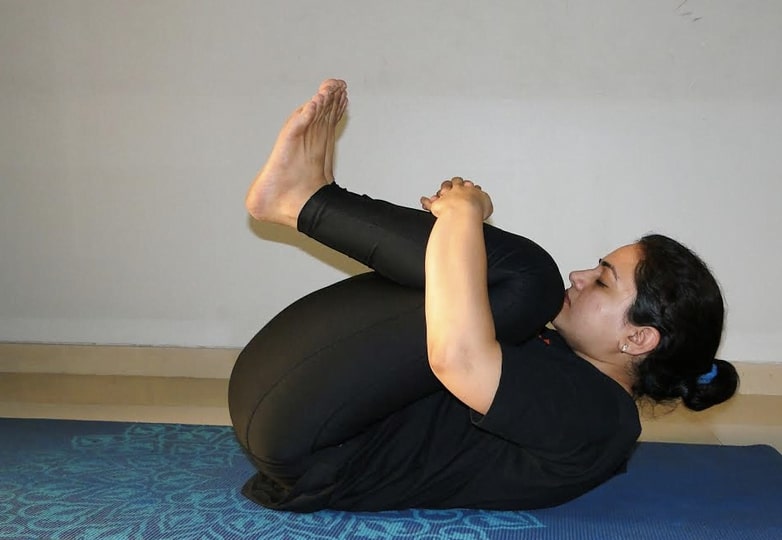
Exhale smoothly through the nose, drawing the belly slightly inward toward the spine to empty stale air from lower pulmonary pockets.
5.Step 5: Link Breath Pace with Asana Transitions:Synchronize breath with physical movement.
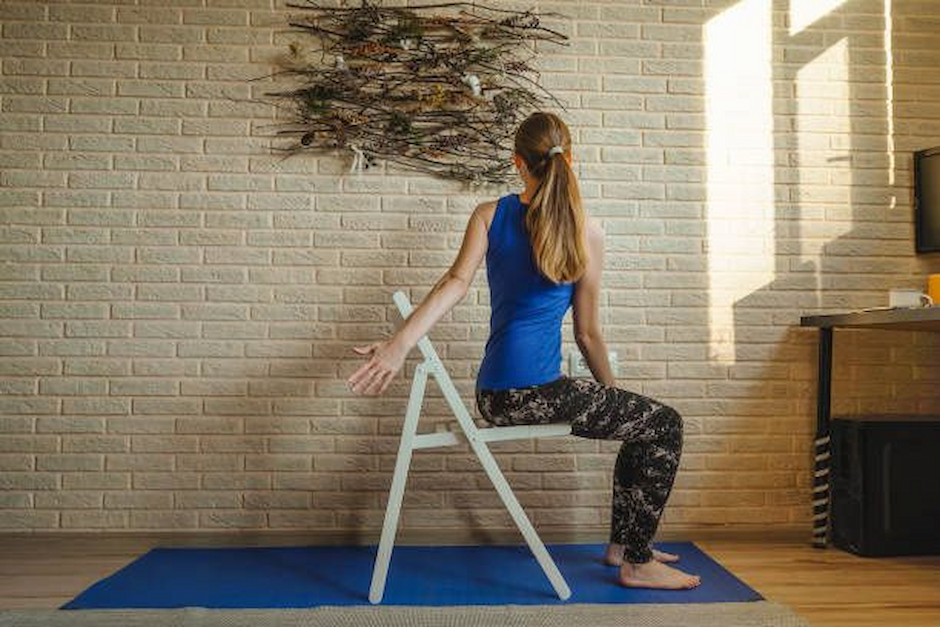
Match expanding or upward movements with inhalation, and folding, twisting, or grounding movements with extended exhalation.
During an early morning group session near Thiruvanmiyur, a corporate executive who suffered from chronic upper back tightness struggled with basic forward folds. By training him to exhale fully before bending, his thoracic spine relaxed immediately, allowing him to fold deeper without strain or discomfort.
Primary Benefits of Breathing in Yoga
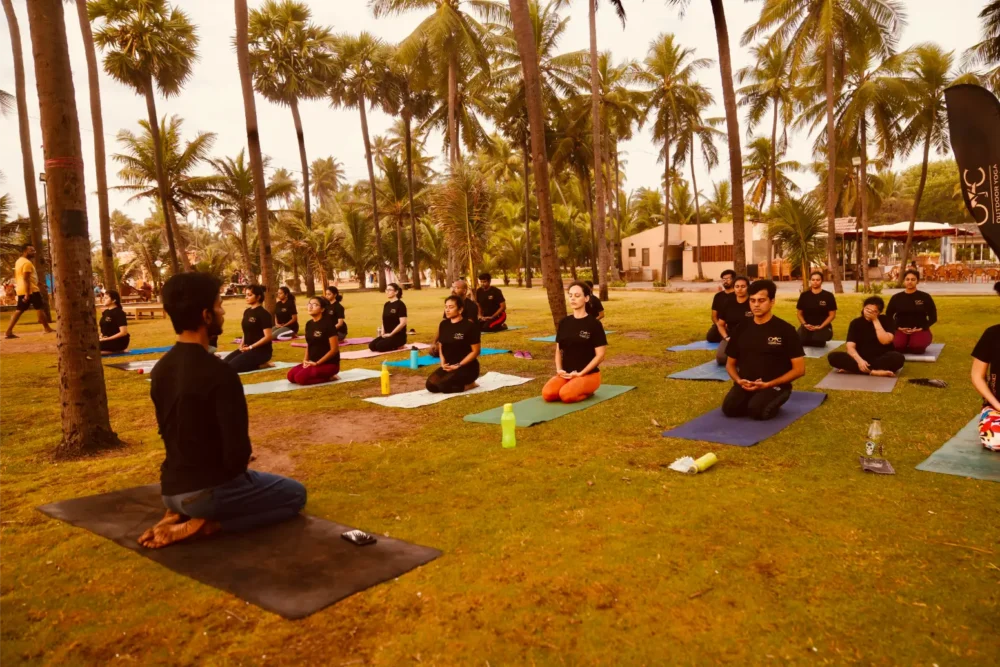
Integrating conscious breath control delivers comprehensive advantages across physical, mental, and emotional dimensions:
                  HOLISTIC BENEFITS OF YOGIC BREATHING
                                   │
     ┌─────────────────────────────┼─────────────────────────────┐
     ▼                             ▼                             ▼
  PHYSICAL                      MENTAL                        EMOTIONAL
• Diaphragm Strength         • Reduced Mental Chatter      • Stress Resilience
• Increased Oxygenation      • Superior Focus & Clarity    • Enhanced Mood Balance
• Safe Joint Range           • Lower Parasympathetic Stress• Emotional Regulation
- Enhances Respiratory Function: Deep diaphragmatic breathing strengthens respiratory muscles, increases lung compliance, and boosts oxygen delivery to tissues, as research suggests.
- Calms Mental Chatter: Slow, measured breath rhythms stabilize brainwave patterns, which may support clearer focus and reduced anxiety.
- Improves Physical Safety: Breathing continuously through challenging asanas prevents blood pressure spikes and signals safety to nervous tissue, reducing injury risk.
- Supports Emotional Balance: Controlled exhalations reduce sympathetic nervous arousal, helping practitioners respond calmly to daily stressors off the mat.
How Beginners Can Approach Yoga Breathing
Why is breathing important in yoga for beginners? For new practitioners, conscious breathwork builds safe movement habits, prevents breath-holding during tough poses, and grounds the mind in present awareness. Beginners should start with simple 4-count diaphragmatic breaths before advancing to specialized retention techniques.
Practical Approaches for Beginners:
- Practice Natural Abdominal Breathing First: Place one hand on your belly and one on your chest; ensure your belly expands first on inhalation.
- Avoid Forced Breath Retention: Never hold your breath to the point of strain or dizziness; keep pauses brief and comfortable.
- Use Equal Count Breathing (Sama Vritti): Inhale for 4 counts and exhale for 4 counts to establish steady internal rhythm.
- Maintain Nasal Breathing: Unless specific breathwork calls for mouth exhalation, always breathe through the nose to filter and warm incoming air.
Common Misunderstandings About Breathing in Yoga
- Myth 1: “Taking deeper breaths means forcing air aggressively into the lungs.”True yogic breathing is subtle, smooth, and relaxed rather than forced or noisy.
- Myth 2: “Holding your breath always builds mental stamina.”Uncontrolled breath retention increases internal tension and blood pressure; retention should only be practiced when relaxed and properly guided.
- Myth 3: “Breathing through the mouth delivers more oxygen during yoga.”Nasal breathing produces nitric oxide, which dilates blood vessels and increases overall oxygen absorption compared to mouth breathing.
Practical Tips for Daily Breath Practice
- Start with 5 Minutes Daily: Set aside a quiet time each morning for gentle diaphragmatic observation.
- Exhale Double the Length for Sleep: Exhale for 6 counts and inhale for 3 counts before bedtime to encourage deep relaxation.
- Practice Outdoors When Possible: Clean, fresh air along natural settings like coastal paths enhances oxygenation and sensory grounding.
- Maintain Spine Neutrality: Never slump during pranayama; an upright spine gives your diaphragm complete freedom of movement.
- Check Your Jaws and Tongue: Release jaw clenching, as facial tension directly restricts smooth breath movement.
Frequently Asked Questions
Why is breathing important in yoga practice?
Breathing anchors mental focus, regulates heart rates, calms the autonomic nervous system, and provides safe structural support during physical asana movements.
What happens if you do not breathe correctly during yoga?
Holding your breath or breathing shallowly increases muscle tension, raises blood pressure, accelerates fatigue, and limits joint range of motion.
How does pranayama differ from normal breathing?
Normal breathing is largely unconscious and superficial, whereas pranayama involves intentional regulation of breath length, rhythm, and subtle energy retention.
Should you inhale or exhale when bending forward in yoga?
Always exhale when bending forward or twisting, as emptying the lungs creates spatial room in the abdominal cavity for safe spinal flexion.
What is the best breathing technique for stress relief?
Nadi Shodhana (Alternate Nostril Breathing) and Box Breathing (equal counts for inhale, hold, exhale, hold) excel at calming acute anxiety.
Can beginners practice breath retention (Kumbhaka)?
Beginners should practice only very brief, comfortable retention pauses under qualified guidance to prevent dizziness or elevated blood pressure.
Is breathing through the nose mandatory in yoga?
Yes, nasal breathing filters particulates, humifies air, increases nitric oxide production, and helps regulate parasympathetic nervous activation.
How long should I practice pranayama daily?
Consistent daily practice of 10 to 15 minutes yields noticeable improvements in focus, lung efficiency, and emotional calm.
Cultivating a Grounded Breath Practice
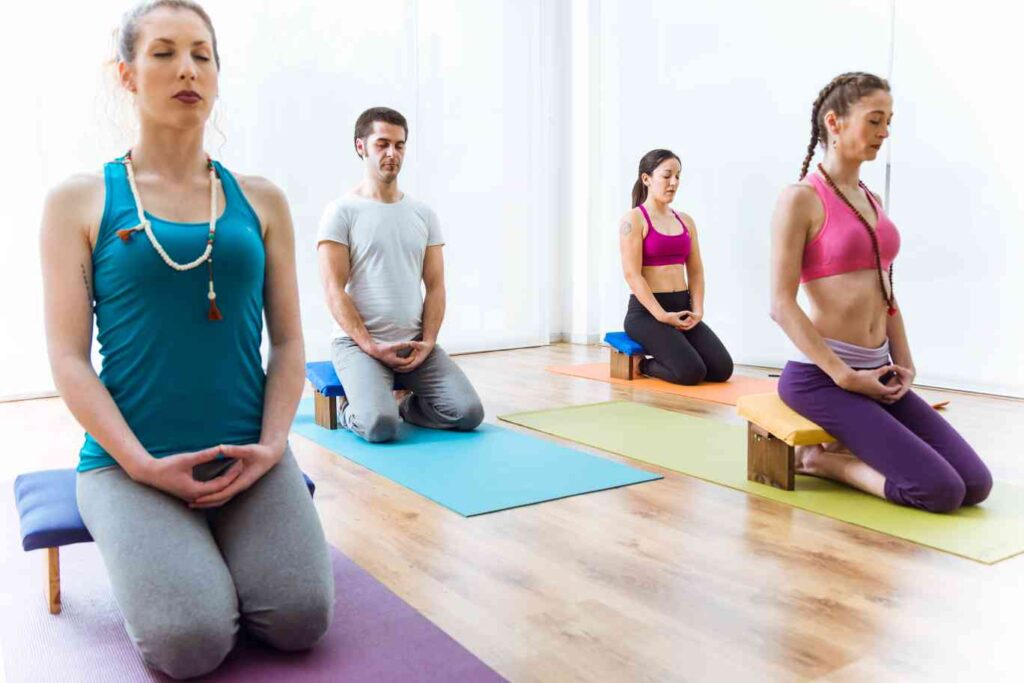
Understanding why is breathing important in yoga unlocks the true restorative power of your practice. By letting conscious inhalation and exhalation guide your physical movement, you transform simple exercise into a lifelong practice of mental clarity and health resilience.
Whether you are stepping onto the mat along the coastal breeze of ECR or joining structured virtual sessions from home across India, prioritizing your breath creates steady vitality. Connect with our educators at Outdoor Yoga Chennai to explore guided breathwork workshops, beachside sessions, and foundational courses.
Health Disclaimer: This content is for educational purposes only and is not a substitute for medical advice. Consult your doctor before starting any new exercise program.


Leave a Comment