
Table of Contents
What Yoga Poses Are Good for Spine Mobility? A Practitioner’s Guide
Understanding what yoga poses are good for spine mobility can transform how your body moves and feels each day. The human spine requires movement across six fundamental directions: flexion, extension, lateral side-bending left and right, and axial rotation to the left and right.
In our years of leading beachside sessions in Besant Nagar, studio classes in Thiruvanmiyur, and online programs across India, we regularly see desk workers and long-distance commuters arrive with rigid spines. Long hours spent slumping over screens or navigating Chennai traffic lock the thoracic spine into forward flexion while compressing the lumbar discs.
Most people try to fix back stiffness by forcing intense forward folds, but true spinal health demands a balanced, multidirectional approach. This guide outlines the most effective yoga postures to restore natural movement, protect your intercostal space, and keep your back resilient for life.
What Is Spine Mobility in Yoga Practice?
Spine mobility refers to the functional capacity of your vertebral column to move fluidly through flexion, extension, lateral bending, and rotation without pain or restriction. It relies on hydrated intervertebral discs, balanced muscular tension, and healthy joint articulation across the cervical, thoracic, and lumbar regions.
+-----------------------------------------------------------------------+
|             THE SIX MOVEMENTS OF A HEALTHY HUMAN SPINE                |
+-----------------------------------------------------------------------+
|  Movement Direction      Primary Targeted Asana                       |
|  -------------------------------------------------------------------  |
|  Forward Flexion         Marjaryasana (Cat Pose), Paschimottanasana   |
|  Backwards Extension     Bitilasana (Cow Pose), Bhujangasana (Cobra)  |
|  Lateral Bending (Left)  Trikonasana (Triangle Pose - Left Side)      |
|  Lateral Bending (Right) Trikonasana (Triangle Pose - Right Side)     |
|  Axial Rotation (Left)   Ardha Matsyendrasana (Seated Twist - Left)   |
|  Axial Rotation (Right)  Ardha Matsyendrasana (Seated Twist - Right)  |
+-----------------------------------------------------------------------+
When you move your spine through these organic vectors daily, you stimulate synovial fluid circulation inside joint capsules. This movement hydrates intervertebral discs and prevents premature degeneration caused by prolonged sitting.
Why Spinal Mobility Matters for Health and Lifestyle
A mobile spine serves as the structural axis of your entire nervous system. Chronic spinal rigidity compromises posture, reduces lung capacity, and restricts blood flow throughout your torso.
The Ministry of Ayush advocates daily asana practice to maintain spinal health, enhance neurological signaling, and counteract occupational posture fatigue. Additionally, global wellness guidelines supported by the World Health Organization stress physical activity to maintain musculoskeletal function across all ages.
According toOutdoor Yoga Chennai, practitioners who perform daily multidirectional spinal warm-ups experience a significant reduction in work-related back fatigue and report better thoracic breathing within two weeks.
During sunrise sessions along ECR and Besant Nagar, we witness how mindful movement restores back elasticity. Combining open-air breathing with dynamic spinal extension releases deep postural tension that indoor desk work creates.
How to Practice Yoga Poses for Spine Mobility: 5-Step Sequence
Restoring movement to a tight back requires a progressive sequence that warms the spine before moving into deeper twists or backbends. Use this 5-step daily routine to unlock your spine safely:
1.Step 1: Cat-Cow Flow / Marjaryasana-Bitilasana (3 Minutes):Warm up flexion and extension.
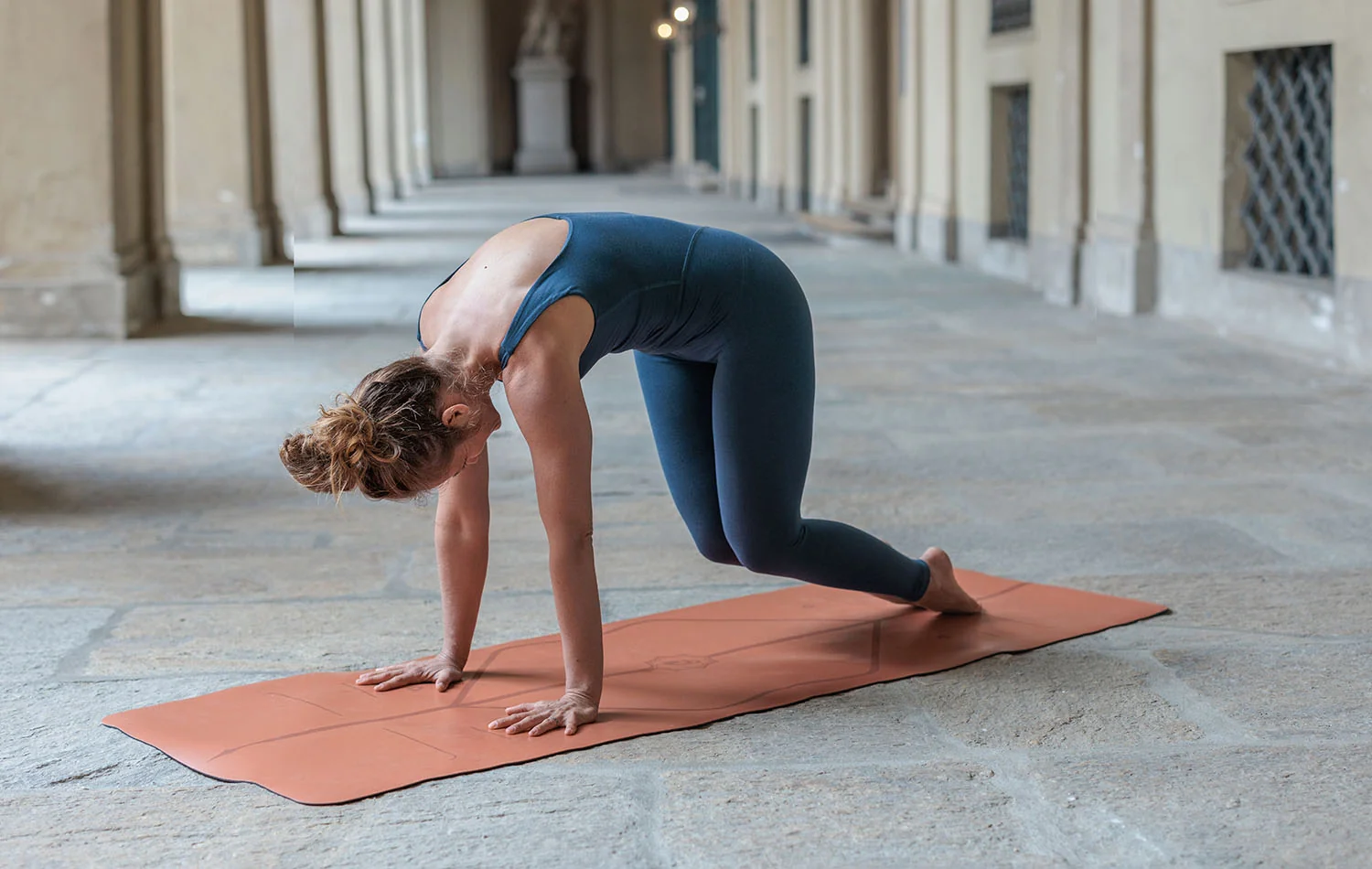
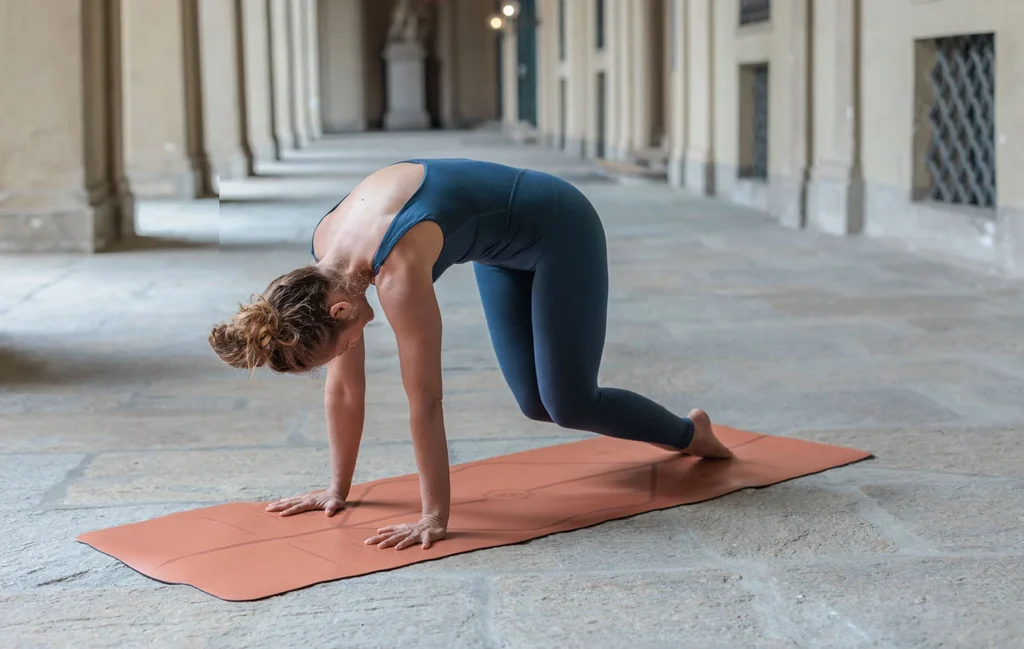
Begin on hands and knees with wrists under shoulders and knees under hips. Inhale as you drop your belly and lift your chest into Cow Pose, then exhale as you round your spine toward the ceiling in Cat Pose. Repeat smoothly for 15 breaths.
2.Step 2: Downward-Facing Dog / Adho Mukha Svanasana (3 Minutes):Decompress lumbar discs.
Press through your hands, tuck your toes, and lift your hips high to form an inverted V shape. Keep a gentle bend in your knees if your hamstrings feel tight, allowing your spine to extend fully from pelvis to crown.
3.Step 3: Extended Triangle Pose / Utthita Trikonasana (3 Minutes):Open lateral spine and ribcage.
Step your feet wide apart, reach your right hand toward your right ankle, and extend your left arm toward the sky. Keep both sides of your waist long to open your lateral intercostal muscles on each side for 90 seconds.
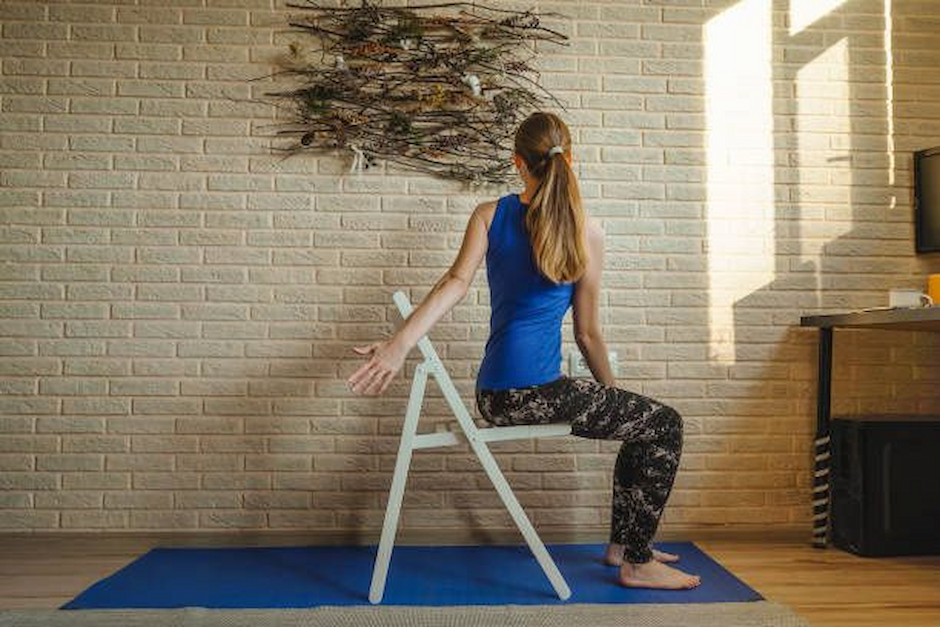
4.Step 4: Half Lord of the Fishes Pose / Ardha Matsyendrasana (4 Minutes):Rotate thoracic spine safely.
Sit upright with your legs extended, cross your right foot over your left thigh, and hug your right knee as you turn your torso gently to the right. Inhale to grow tall and exhale to deepen the twist without forcing your lower back.
5.Step 5: Cobra Pose / Bhujangasana (3 Minutes):Extend upper back gentle support.
Lie face down on your mat with hands under your shoulders. Press into your palms and lift your chest off the floor using your upper back muscles, keeping your shoulders draw down away from your ears.
During an evening class in Thiruvanmiyur, an IT consultant came to us unable to rotate his mid-back comfortably due to 10-hour desk shifts. We guided him through this controlled Cat-Cow and seated twist progression; within three sessions, his rotational mobility improved without any lower back strain.
Benefits of Improving Spine Mobility
Practicing targeted postures regularly produces deep physical, mental, and emotional benefits:
                BENEFITS OF SPINE MOBILITY PRACTICE
                                │
     ┌──────────────────────────┼──────────────────────────┐
     ▼                          ▼                          ▼
PHYSICAL                   MENTAL                     EMOTIONAL
• Hydrated Discs           • Improved Nervous Flow    • Reduced Stress Tension
• Relieved Back Pain       • Heightened Mental Focus  • Greater Physical Freedom
• Better Posture           • Deeper Breathing Volume  • Elevated Energy Levels
- Restored Vertebral Articulation: Moving through all six directions keeps spinal ligaments elastic and joints lubricated, as research suggests.
- Decompressed Intervertebral Discs: Inversions and gentle traction create space between vertebrae, easing pressure on spinal nerve roots.
- Enhanced Diaphragmatic Capacity: Opening the thoracic cage allows your lungs to expand fully, boosting blood oxygenation and focus.
- Balanced Core and Back Strength: Supporting muscles learn to stabilize the spine dynamically, preventing future injuries during daily movements.
How Beginners Can Approach Yoga for Spine Mobility
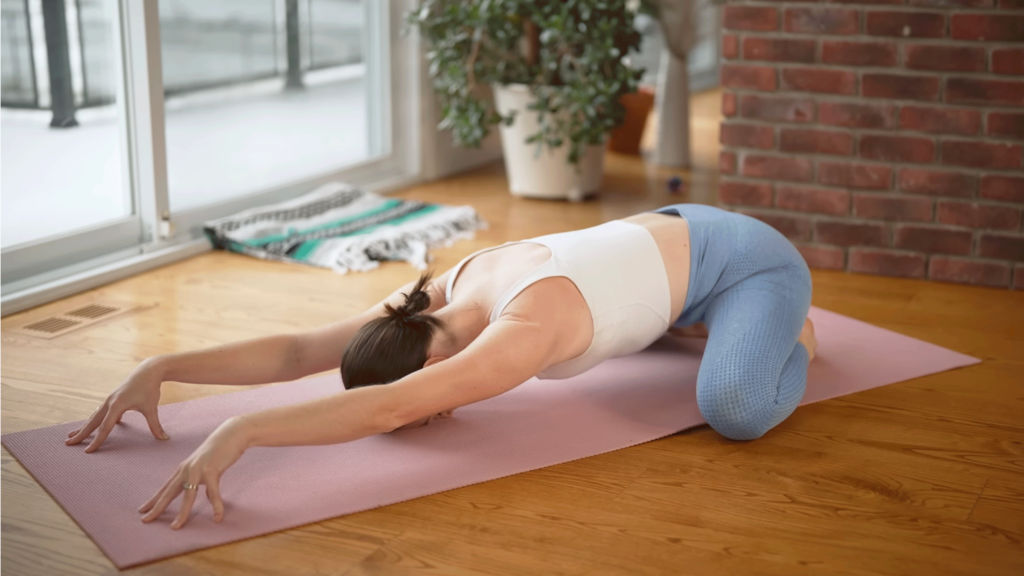
How can beginners approach yoga for spine mobility safely? Beginners should start with simple floor-based movements like Cat-Cow, supported twists, and child’s pose while avoiding extreme backbends. Focus on gentle, pain-free movement paired with steady breathing rather than deep physical range.
1. Warm up before holding static poses
Never force a cold spine into deep twists or backbends. Always begin with 2 to 3 minutes of dynamic Cat-Cow movements to warm surrounding muscles.
2. Move with your breath
Inhale when extending or opening your chest, and exhale when folding or twisting. Let your breath rhythm dictate your movement depth.
3. Use yoga blocks for support
Place a block under your lower hand during Triangle Pose to avoid collapsing your waist and straining your lower back.
Common Misunderstandings About Spine Mobility
- Myth 1: “Cracking your back creates real spinal mobility.”Joint pops offer temporary pressure release, but they do not improve functional flexibility or muscular strength around your spine. Controlled movement stretches muscles safely.
- Myth 2: “Deep backbends are required to fix a stiff back.”Aggressive backbends can pinch lumbar joints if your thoracic spine is tight. Gentle upper back extension like Cobra or Sphinx Pose works far better for beginners.
- Myth 3: “If your back hurts, you should avoid all movement.”Unless medically contraindicated, complete immobility stiffens back tissues further. Gentle, pain-free movement speeds up recovery by boosting blood flow.
Practical Tips to Maintain Spinal Health Daily
- Take hourly spinal extension breaks: Stand up from your desk every 60 minutes, place your hands on your lower back, and gently lift your chest upward.
- Avoid slumping on couches: Sit with your sit-bones grounded and support your lower back with a firm cushion while watching TV or reading.
- Hydrate consistently: Intervertebral discs consist mostly of water; staying hydrated throughout the day keeps disc tissue resilient.
- Sleep with proper neck support: Use a pillow that keeps your head aligned with your neck to prevent cervical spine strain overnight.
- Walk daily with natural arm swing: Walking lets your spine rotate naturally, easing tension built up from sitting still.
Frequently Asked Questions
What yoga poses are good for spine mobility?
Cat-Cow, Downward-Facing Dog, Triangle Pose, Cobra Pose, and Seated Half Lord of the Fishes Pose offer exceptional multidirectional spinal mobility benefits.
Can yoga help with lower back stiffness from sitting?
Yes. Clinical studies suggest that regular gentle yoga strengthens core muscles, decompresses lumbar discs, and releases tight hip flexors that contribute to back stiffness.
Is Cat-Cow safe for beginners with back pain?
Cat-Cow is one of the safest warm-up movements for beginners because it allows you to control the range of motion without placing heavy loads on the spine.
How often should I practice yoga poses for spine mobility?
Practicing 10 to 15 minutes of gentle spinal mobility postures daily yields better long-term results than doing one long session per week.
What is the difference between spine flexibility and spine mobility?
Spine flexibility refers to passive range of motion, whereas spine mobility is your active ability to control and move your spine through its full movement space smoothly.
Can thoracic spine mobility improve posture?
Yes. Opening a tight thoracic mid-back allows your shoulders to drop back naturally, lifting your chest and reducing forward head posture.
Are twists safe for herniated discs?
Practitioners with diagnosed disc issues should avoid deep twisting or forward bending without professional guidance from a doctor or qualified yoga instructor.
Should I practice yoga outdoors or indoors for spine health?
Both formats work well. However, practicing outdoors on natural surfaces like sand or grass encourages subtle core stabilization while providing fresh air and sunlight.

Move Towards a Healthier, Pain-Free Spine
Building a mobile spine is a daily practice of listening to your body and moving with intention. When you care for your back through gentle flexion, extension, lateral stretching, and twisting, everyday movements become fluid and comfortable again.
If you are ready to build a resilient spine or join supportive sessions in Chennai, connect with our team at Outdoor Yoga Chennai for online programs and beachside classes.
Health Disclaimer: This content is for educational purposes only and is not a substitute for medical advice. Consult your doctor before starting any new exercise program.


Leave a Comment