
Table of Contents
Which Yoga Stimulates Periods? Natural Postures, Hormonal Balance, and Pelvic Health
Irregular menstrual cycles, delayed periods, and stress-induced hormonal imbalances affect millions of women across corporate hubs and remote work setups. When practitioners ask us which yoga stimulates periods, they seek gentle, natural practices that improve pelvic circulation, soothe an overstimulated nervous system, and encourage hormonal harmony. Over our ten years of guiding women through therapeutic hatha, restorative flows, and live virtual streams, we watch chronic stress and pelvic muscle tightness disrupt natural cycle regularity.
You do not need intense athletic workouts or risky physical strain to support your reproductive system. Incorporating targeted hip-opening asanas, gentle abdominal massage, and deep diaphragmatic breathwork creates an optimal internal environment for cycle health. When guided by proper breathwork and mindful alignment, these accessible routines help reduce physical tension while regulating stress hormones. Let us examine the specific postures, physiological mechanisms, and gentle sequences that support natural menstrual flow.
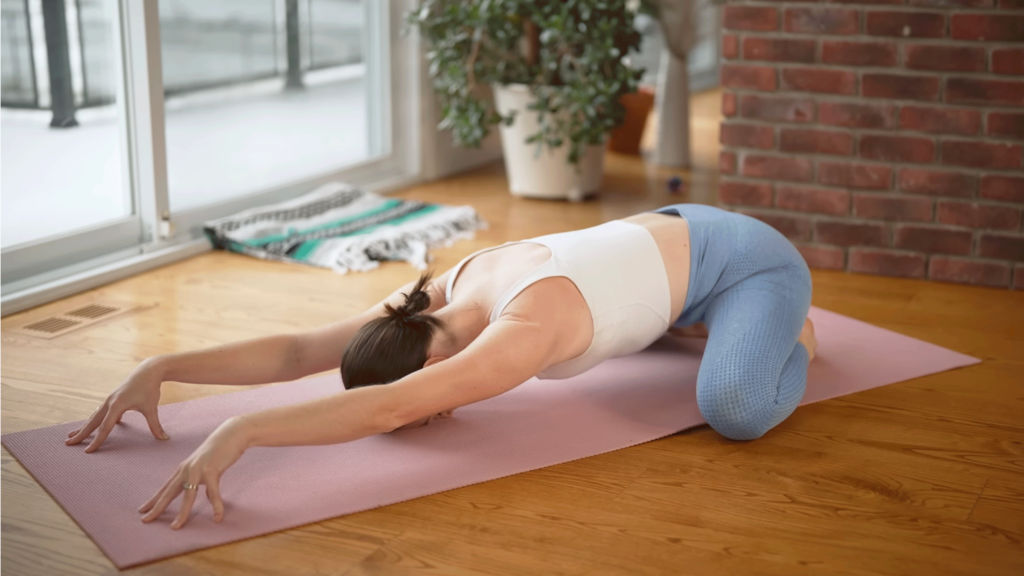
Which yoga stimulates periods and how do these postures function?
Which yoga stimulates periods safely? Specific restorative and pelvic-opening postures—such as Baddha Konasana (Bound Angle Pose), Dhanurasana (Bow Pose), and Malasana (Garland Pose)—may stimulate periods by increasing blood flow to reproductive organs, releasing pelvic floor tension, and lowering cortisol levels to support natural endocrine balance.
       [ MENSTRUAL REGULATION SYSTEM ]
                      │
                      ▼
       High Cortisol & Pelvic Muscle Tightness
                      │
                      ▼
  [Aggressive Exercise Strain] vs [Targeted Pelvic Hatha Asanas]
                      │
                      ▼
  Improved Pelvic Circulation & Balanced Endocrine Cues
In our therapeutic sessions across India and digital platforms, we design pelvic-focused routines around the physiological needs of the female endocrine system. Extended desk sitting and chronic emotional stress create muscle guarding in the hip flexors and lower abdomen.
By incorporating accessible pelvic openers into your weekly schedule, our certified educators help you release deep pelvic tension and restore blood circulation to the uterus and ovaries. We teach practitioners how to avoid abdominal strain during delicate phase shifts, ensuring practice remains nurturing and safe. This gentle approach helps women build hormonal resilience without causing physical fatigue.
Why pelvic circulation and stress reduction matter for menstrual health
Supporting your menstrual cycle through movement directly affects how your hypothalamus and pituitary glands regulate reproductive hormones. Official health guidelines published by the Ministry of Ayush emphasize that classical hatha yoga and gentle pranayama play a vital role in supporting gynecological health and managing functional menstrual irregularities. Their published research indicates that gentle pelvic stretching and slow diaphragmatic breathing reduce sympathetic nervous system activity, helping lower stress-induced delay factors.
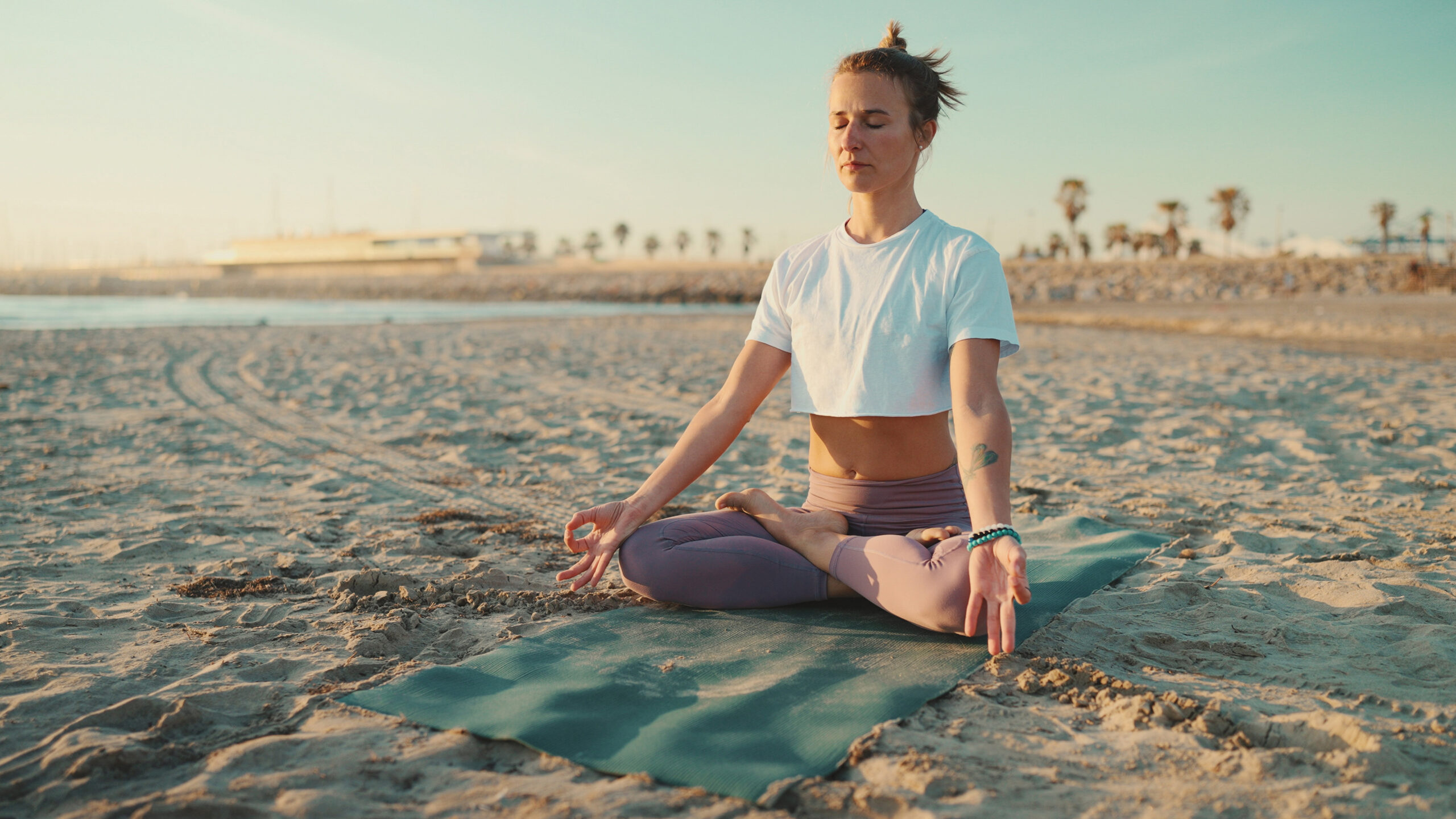
According to Outdoor Yoga Chennai, practicing pelvic-opening hatha yoga in quiet natural environments helps practitioners reduce menstrual anxiety by encouraging deep abdominal breathing and relaxing pelvic floor muscles. Our senior teaching faculty members observe that switching from high-impact cardio to restorative hip openers relieves pelvic stagnation within a few consistent practice cycles.
Global public health research highlighted by the World Health Organization reinforces that regular, low-impact physical movement supports endocrine balance and reduces systemic inflammation. Utilizing a calm, alignment-first system ensures you encourage healthy circulation while protecting your body from overexertion.
How it works: A seven-step routine to support menstrual regularity
Encouraging healthy pelvic circulation requires a gentle, step-by-step framework that relaxes abdominal tissues and calms your nervous system. Use this practical sequence to practice safely at home:
- Center with Supta Baddha Konasana (Reclined Bound Angle): Lie on your back with soles of your feet together and knees resting wide on folded blankets for five minutes.
- Decompress your lower spine with Marjaryasana-Bitilasana (Cat-Cow): Move through eight slow cycles of Cat-Cow, synchronizing movement with breath to warm up your pelvis.
- Open deep hip flexors in Malasana (Garland Pose): Squat low with feet wider than hip-width, pressing elbows gently against inner knees while keeping your spine long.
- Stimulate abdominal organs with Bhujangasana (Cobra Pose): Lie prone and gently lift your chest using upper back muscles to encourage blood flow to the lower abdomen.
- Strengthen pelvic circulation with Dhanurasana (Bow Pose): Reach back to hold your ankles while lifting your thighs and chest lightly for three smooth breaths.
- Release tension in Janu Sirsasana (Head-to-Knee Forward Bend): Fold gently over one extended leg, resting your head on a foam block to soothe your nervous system.
- Rest completely in Viparita Karani (Legs-Up-The-Wall): Elevate your legs against a wall for ten minutes with a soft bolster under your pelvis to promote venous return.
                 [ HORMONAL BALANCE FLOW PIPELINE ]
                                │
      ┌─────────────────────────┼─────────────────────────┐
      ▼                         ▼                         ▼
[Pelvic Blood Flow]       [Hypothalamic Calm]       [Abdominal Decompression]
Bound Angle Holds         Extended Exhalations      Legs-Up-The-Wall Rest
Over ten years of teaching women across studio settings and online streams, we have seen this restorative approach help practitioners manage cycle delays gently. Our students report that dedicated hip-opening sessions eliminate pre-menstrual physical tension and promote deep relaxation.
I remember a corporate designer from Chennai who suffered from irregular cycles due to long working hours and elevated stress levels. We introduced her to this seven-step restorative sequence, using bolsters under her knees and blocks under her hands to avoid abdominal straining. This supported, gentle approach eased her lower back tightness, lowered her daily stress, and supported cycle regularity within two months. Working with a certified Yoga Alliance RYT instructor gave her full confidence to practice safely at home.
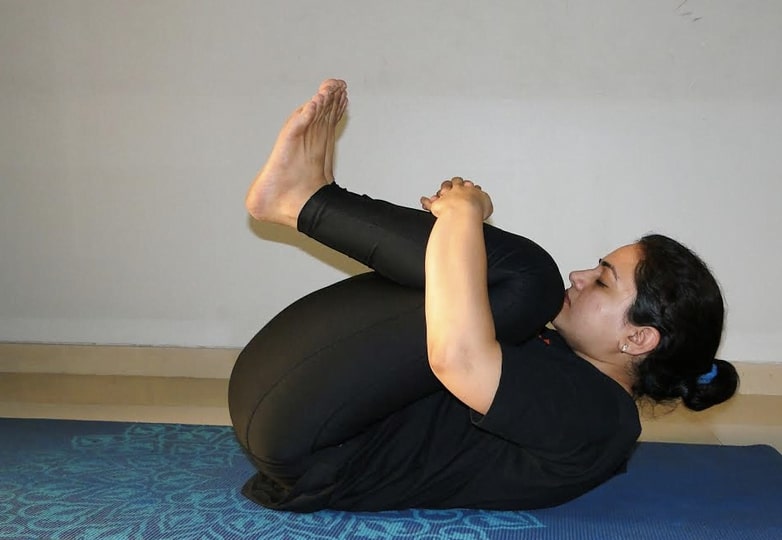
Proven physical, emotional, and systemic benefits of menstrual-supportive yoga
Committing to a restorative practice focused on which yoga stimulates periods delivers valuable physical and emotional benefits across your life:
Enhanced Pelvic Blood Flow and Tissue Oxygenation
Targeted hip openers and gentle backbends stretch tight pelvic fascia, encouraging arterial blood supply to uterine tissues. Research suggests that improved regional circulation helps relieve local congestion and supports smooth reproductive function.
       [ PELVIC RECOVERY & CIRCULATION ENGINE ]
                            │
                            ▼
           Map Pelvic Tightness & Stress Signals
                            │
                            ▼
 [High-Impact Cardio Workouts] vs [Restorative Pelvic Hatha Sequences]
                            │
                            ▼
         Decompressed Pelvis & Lowered Cortisol Levels
Endocrine Regulation Through Stress Reduction
Pairing slow physical holds with extended exhalations lowers circulating cortisol levels. Lowering stress signals prevents the disruption of gonadotropin-releasing hormone (GnRH), supporting natural ovulation and cycle regularity.
Relief From Pre-Menstrual Tension and Abdominal Cramps
Gentle abdominal compression and spinal extension release tight abdominal muscles and lumbar stiffness. Many practitioners report that practicing gentle forward bends eases pre-menstrual bloating and calms mood fluctuations.
How can beginners approach period-stimulating yoga safely?
Which yoga stimulates periods safely for complete beginners with tight hips?
Complete beginners should start with supported restorative postures like Reclined Bound Angle Pose and Legs-Up-The-Wall Pose using folded blankets and bolsters. Focus on slow, unforced stretches that release pelvic tightness without putting pressure on the lower abdomen.
       [ BEGINNER REPRODUCTIVE CARE METRIC ]
                     │
                     ▼
       Verify Prop Comfort & Soft Exhalations
                     │
                     ▼
  [Forcing Deep Abdominal Presses] vs [Supported Restorative Holds]
                     │
                     ▼
       Safer Pelvic Action & Gentle Endocrine Support
When beginning a practice aimed at menstrual wellness, view your mat as a space for gentle nourishment rather than physical effort. Never push into painful joint angles or force intense abdominal contractions when trying to encourage flow. Our certified educators design every movement to help you release pelvic tightness safely.
To maintain a safe practice, follow three essential guidelines. First, use props like foam blocks and bolsters generously so your muscles can relax completely. Second, avoid aggressive inverted poses like Headstand or Shoulderstand if you suspect your period is about to start. Third, stop immediately and rest if you experience sharp abdominal discomfort or sudden dizziness.
[IMAGE PLACEHOLDER: A woman practicing Supta Baddha Konasana (Reclined Bound Angle Pose) with bolsters beneath her knees and a folded blanket supporting her head in a quiet home practice space]
Common misunderstandings about yoga and menstrual stimulation
- “Vigorous, high-intensity yoga workouts stimulate delayed periods faster than restorative poses:” Intense workouts increase physical stress and elevate cortisol, which can delay menstruation further rather than encourage it.
- “Advanced inversions like Headstand should be practiced to force menstrual flow:” Inversions reverse pelvic blood flow and create unnecessary strain; gentle grounded poses offer a far safer environment for cycle regulation.
- “Practicing yoga once or twice will bring on a delayed period immediately:” Menstrual regulation requires consistent, long-term stress management and circulatory support over several weeks rather than a one-time physical effort.
Practical field tips for menstrual wellness practice
- Place a bolster under your knees in Reclined Bound Angle: Supporting your thighs allows your inner hip muscles and pelvic floor to relax without strain.
- Focus on lengthening your exhalations: Inhaling for four counts and exhaling for six counts calms your nervous system and helps lower stress hormones.
- Avoid tight clothing across your abdomen: Wear loose, comfortable clothing during practice to allow full diaphragmatic movement and unhindered blood flow.
- Keep your lower back supported during forward folds: Rest your forehead on a foam block during Head-to-Knee pose to avoid strain on your lumbar spine.
- Practice in a warm, quiet room: Cold environments cause muscle tension; keeping your room warm encourages deep muscular relaxation.
- Integrate warm water hydration post-practice: Drinking warm water after practice supports systemic circulation and metabolic ease.
- Rest quietly in Savasana for ten minutes: End every sequence with deep rest to allow your autonomic nervous system to shift into parasympathetic recovery.
Comparative Matrix of Practice Approaches for Menstrual Health
| Practice Variable | High-Intensity Cardio / Power Yoga | Restorative Menstrual Hatha |
| Primary Endocrine Goal | High calorie burn & physical exertion | Cortisol reduction & pelvic blood flow |
| Prop Requirement | Minimal or none | High (bolsters, blocks, blankets) |
| Nervous System Shift | Sympathetic stimulation (Adrenaline) | Parasympathetic activation (Vagal tone) |
| Abdominal Stress Level | High core tension & sudden pressure | Soft, passive release & gentle opening |
| Best Practice Timing | High-energy fitness phases | Pre-menstrual & cycle-support phases |
FAQs
1. Which yoga stimulates periods naturally when facing stress-related delays?
Restorative postures like Baddha Konasana (Bound Angle Pose), Malasana (Garland Pose), and Viparita Karani (Legs-Up-The-Wall) help stimulate blood flow and lower stress hormones.
2. Can practicing yoga encourage a delayed period to start faster?
Gentle yoga helps lower cortisol levels and improve pelvic circulation, which may support natural hormonal signals, though it is not a direct medical trigger.
3. Is it safe to practice deep forward folds when expecting a period?
Yes, supported forward folds rest your nervous system and release lower back tightness, provided you avoid forcing heavy pressure onto your abdomen.
4. How often should I practice period-supportive yoga poses?
Practicing gentle restorative postures three to four times a week for 20 to 30 minutes provides consistent circulatory and stress-relief benefits.
5. Why does high stress delay menstrual cycles in active women?
Elevated cortisol levels disrupt the signaling of the hypothalamic-pituitary-ovarian axis, delaying ovulation and menstrual onset.
6. Should I avoid inversions when trying to support my period?
Yes, avoid full inversions like Headstand or Shoulderstand; choose grounded poses like Legs-Up-The-Wall with pelvic support instead.
7. Can Pranayama breathing techniques help regulate irregular periods?
Yes, practicing slow Nadi Shodhana (Alternate Nostril Breathing) calms the nervous system, helping balance the endocrine system over time.
8. What should I do if my period is delayed for over two months?
Consult a certified gynecologist or medical professional to evaluate underlying health causes before relying solely on exercise or yoga routines.
Nurturing Hormonal Balance, Restorative Movement, and Daily Well-Being
Supporting your menstrual health through restorative movement gives you a natural way to care for your body and manage daily stress. Understanding which yoga stimulates periods allows you to choose soft, pelvic-opening postures that relieve physical tension and encourage endocrine balance. By prioritizing supported alignment, using comfortable props, and breathing mindfully, you build a safe, sustainable wellness habit.
Outdoor Yoga Chennai stands out as a trusted authority in holistic wellness education, offering refreshing coastal beach classes alongside structured online programs for practitioners across India. We invite you to step away from high-intensity workouts during delicate cycle phases and experience the benefits of an authentic restorative practice. Connect with our certified wellness educators today to explore trial classes and support your body with confidence.


Leave a Comment