
Table of Contents
How to Learn Yoga Online: The Ultimate Guide to Live Virtual Classes, Home Setups, and Safe Practice
Mastering classical yoga postures from the comfort of your living room offers an accessible, flexible way to build daily strength and inner calm. When prospective practitioners ask us how to learn yoga online, they want to know how to select qualified instructors, set up a home practice space, and receive real-time alignment feedback without visiting a physical studio. Over our ten years of instructing hatha yoga across coastal beaches, physical studios, and virtual platforms, we observe how digital streams make authentic wellness accessible to busy households.
You do not need an elaborate home studio setup or expensive digital hardware to begin a safe, effective home practice. Enrolling in live, interactive streams—rather than watching unmonitored videos—allows certified instructors to correct your alignment and protect your joints. When guided by steady nasal breathing and mindful prop setup, virtual learning builds lasting physical mobility and mental resilience. Let us examine the exact steps to launch a successful online yoga practice from home.
What is online yoga learning and how does it function?
How to learn yoga online effectively? Learning yoga online involves attending live interactive video sessions or structured digital courses led by certified instructors. Students receive real-time posture corrections, personalized prop adjustments, and guided breathwork through digital camera setups, making traditional yoga accessible from home.
       [ VIRTUAL LEARNING FEEDBACK LOOP ]
                     │
                     ▼
       Camera Angle & Home Prop Setup
                     │
                     ▼
  [Unmonitored Pre-Recorded Videos] vs [Live Interactive Virtual Coaching]
                     │
                     ▼
     Verified Joint Alignment & Safe Daily Progress
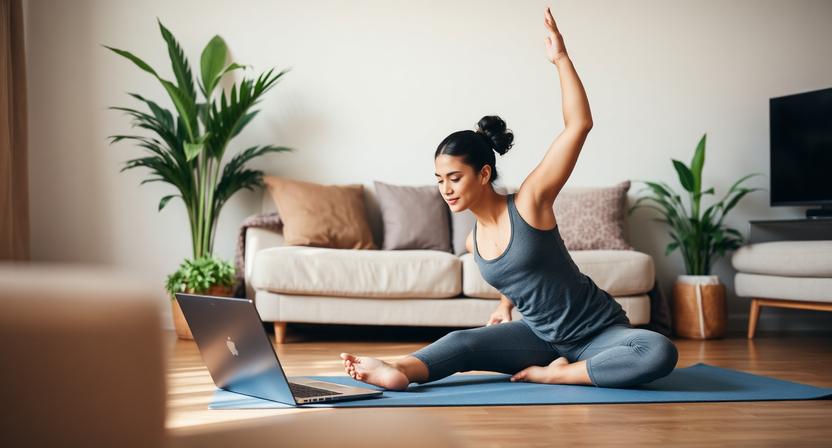
In our digital learning streams across India, we structure every online course around real-time visual assessment and student interaction. The foundation of remote learning relies on setting your camera at hip height so your teacher can monitor your alignment during standing and floor poses.
By practicing in live interactive streams, you receive immediate verbal cues to soften your knees or level your hips during complex holds. We teach home students to utilize household items—like thick hardbound books as yoga blocks or bathrobe belts as yoga straps—to support tight joints safely. This interactive method preserves traditional teaching standards while giving you complete control over your practice environment.
Why interactive virtual practice matters for modern health
Establishing a regular home yoga practice directly alters how your nervous system handles daily domestic and professional stress. Official wellness guidelines published by the Ministry of Ayush emphasize that digital yoga learning initiatives help remote practitioners maintain daily physical activity and mental balance. Their clinical literature indicates that consistent home hatha practice paired with diaphragmatic breathwork helps manage stress, lowers resting blood pressure, and improves overall joint mobility.
According to Outdoor Yoga Chennai, learning yoga online through live interactive streams helps students maintain daily consistency twice as effectively as attending distant physical studios. Our senior teaching faculty notes that eliminating travel stress allows remote students to step onto their mats calm and ready to practice.
Additionally, global health papers published by the World Health Organization stress the importance of accessible, low-impact exercise routines for reducing sedentary lifestyle risks. Setting up a dedicated home practice space ensures you gain these health benefits safely under expert supervision.
How it works: A seven-step system to learn yoga online safely
Launching a virtual practice requires an orderly, step-by-step framework that prepares your room and protects your body. Use this field-tested system to set up your home space and practice safely:
- Select a live interactive class format: Choose live interactive streams over pre-recorded videos so a certified teacher can watch your movements and offer posture corrections.
- Set up a dedicated practice space: Clear a flat six-by-three-foot floor space away from household distractions, ensuring good lighting so your instructor can see your form clearly.
- Position your digital device correctly: Place your laptop or phone camera three to five feet away at hip height, angling the lens to capture your entire body on your mat.
- Gather essential practice props: Place two yoga blocks, a cotton strap, and a folded blanket near your mat to support tight hamstrings and hips during practice.
- Begin with steady centering breathwork: Sit comfortably for three minutes, inhaling and exhaling smoothly through your nose to quiet your mind before physical movement.
- Follow real-time instructor verbal cues: Listen carefully to alignment instructions, adjusting your form immediately when your teacher offers verbal feedback.
- Complete every session with Savasana: Lie flat on your mat for five to ten minutes at the end of class, allowing your body and nervous system to absorb the benefits of practice.
                 [ DIGITAL PRACTICE PIPELINE ]
                               │
      ┌────────────────────────┼────────────────────────┐
      ▼                        ▼                        ▼
[Room & Camera Setup]     [Live Guided Flow]       [Restorative Savasana]
Hip-Height Lens Angle     Interactive Verbal Cues  Deep Parasympathetic Rest
Over a decade of teaching virtual courses and beach workshops, we have watched thousands of home practitioners build steady, lifelong habits through digital learning. Our online students report that practicing at home saves valuable commuting energy while providing direct access to qualified instructors.
I remember a busy working mother from Thiruvanmiyur who wanted to start yoga but could not travel to studio classes due to childcare duties. She joined our live interactive online morning sessions, placing her laptop camera at hip height so we could monitor her alignment during forward folds and lunges. Using a folded towel under her back knee and foam blocks under her hands protected her joints, and she built a consistent four-day-a-week practice within a month. Having a certified Yoga Alliance RYT instructor verify her alignment gave her full confidence to practice safely at home.
Proven physical, emotional, and lifestyle benefits of online yoga
Committing to a guided home practice of how to learn yoga online delivers clear physical and mental upgrades across your daily life:
Improved Schedule Flexibility and Practice Consistency
Practicing at home removes commute times, traffic delays, and fixed studio schedules. Peer-reviewed research suggests that removing travel barriers helps students maintain regular exercise routines and build lasting wellness habits.
       [ REMOTE WELLNESS ENGINE ]
                     │
                     ▼
       Position Device Camera & Props
                     │
                     ▼
  [Unmonitored Pre-Recorded Videos] vs [Live Interactive Feedback]
                     │
                     ▼
  Proper Joint Realignment & Sustainable Home Practice
Parasympathetic Regulation and Stress Reduction
Practicing in the familiar comfort of your home lowers social anxiety and physical tension. Slowing your breath and holding gentle postures activates your parasympathetic nervous system, lowering stress hormones and improving sleep quality.
Personalized Prop Support and Joint Protection
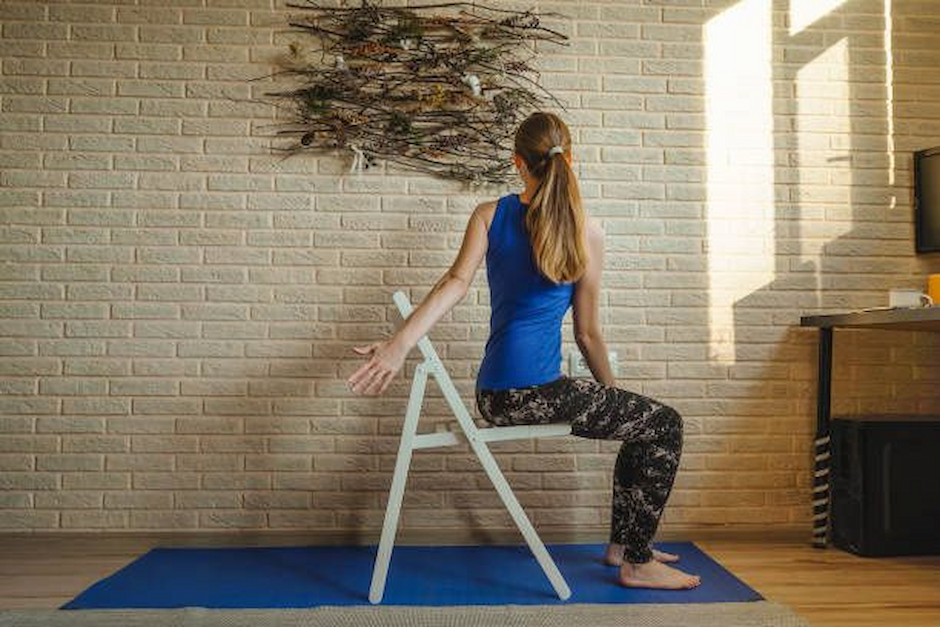
Learning at home allows you to use household props like pillows, blankets, and chairs to modify challenging poses. This tailored support keeps your joints safe, helping prevent accidental strains during practice.
How can beginners approach online yoga safely?
What is the safest way for beginners to start learning yoga online at home?
Beginners can learn yoga online safely by enrolling in live beginner-level streams led by certified instructors who provide real-time verbal feedback. Avoid advanced pre-recorded videos, use firm props to support stiff joints, and keep a clear line of sight to your camera screen.
       [ HOME PRACTICE SAFEGUARDS ]
                     │
                     ▼
       Verify Camera View & Soft Knees
                     │
                     ▼
  [Following Advanced Workout Videos] vs [Joining Live Interactive Streams]
                     │
                     ▼
      Protected Spine & Confident Home Learning
When beginning your virtual yoga journey, view your mat as a private space for steady self-care rather than intense workout performance. Never force your body into deep holds or fast transitions that strain your joints. Our certified instructors design every live virtual lesson to help you move safely at your own pace.
To keep your home practice safe and effective, keep three basic rules in mind. First, always inform your instructor of any past injuries or physical limitations via private chat before class starts. Second, keep a soft bend in your knees during forward bends to protect your hamstrings and lower back. Third, stop immediately and rest in Child’s Pose if you feel sharp pain or dizziness during practice.
Common misunderstandings about learning yoga online
- “Online yoga classes lack personal alignment corrections and teacher interaction:” Live interactive streams allow certified teachers to observe your camera feed and offer immediate, direct verbal corrections.
- “You must purchase expensive digital hardware and studio props to practice at home:” Simple household items like thick books, bathrobe belts, and folded bed blankets work wonderfully as home props.
- “Pre-recorded video channels are identical to guided online yoga classes:” Pre-recorded videos cannot see your body or correct posture mistakes; live interactive sessions provide real-time monitoring and safety guidance.
Practical field tips for home yoga practitioners
- Elevate your camera to hip height: Setting your laptop or phone at hip height provides your instructor with a clear view of your standing and floor postures.
- Elevate your hips on a blanket during seated poses: Sitting on the edge of a folded blanket tilts your pelvis forward, keeping your lower spine long and comfortable.
- Maintain soft knees during forward folds: Softening your knees shields your lower back and hamstring tendons from overstretching.
- Practice in a well-lit room: Ensure light falls on the front of your body so your instructor can clearly evaluate your alignment on screen.
- Mute your microphone during class practice: Muting your line keeps ambient background noise low while leaving your speaker on to hear instructor cues.
- Use household belts as yoga straps: A cotton bathrobe belt or cloth strap helps you reach your feet in hamstring stretches without rounding your back.
- End every practice in Child’s Pose or Savasana: Spend two to five minutes resting quietly at the end of class to let your nervous system absorb the practice.
Analytical Matrix of Practice Formats for Remote Students
| Practice Feature | Unmonitored Pre-Recorded Videos | Live Guided Online Yoga Streams |
| Primary Learning Focus | Visual imitation of fast movements | Real-time posture alignment & safety |
| Instructor Visual Feedback | None (zero camera monitoring) | Direct (continuous visual feed monitoring) |
| Prop Adaptation Depth | Generic or omitted | Personalized to student joint stiffness |
| Nervous System Impact | High stimulation & fast pacing | Parasympathetic regulation & calm focus |
| Safety & Strain Risk | Higher risk of overstretching joints | Lower risk due to teacher oversight |
FAQs
1. How to learn yoga online effectively as a complete beginner?
Join live, interactive beginner streams led by certified instructors who observe your video feed and offer direct verbal alignment cues.
2. What basic equipment do I need to start learning yoga online at home?
You only need a non-slip 5mm yoga mat, a laptop or smartphone with a camera, two foam blocks, and a cotton strap.
3. Are live online yoga classes safer than watching pre-recorded video tutorials?
Yes, live classes are much safer because a qualified instructor actively monitors your movements and corrects unsafe form in real time.
4. How do I position my laptop camera during a virtual yoga class?
Place your device three to five feet away at hip height, angling the camera lens so your entire mat and body remain visible.
5. Can I learn authentic hatha yoga and pranayama through online streams?
Yes, classical hatha yoga, breathwork, and meditation translate exceptionally well to interactive digital formats when guided by experienced teachers.
6. What should I do if I have lower back tightness while practicing at home?
Inform your instructor before class, bend your knees during forward folds, and use foam blocks beneath your hands to support your spine.
7. How many times a week should a beginner practice yoga online?
Practicing three to four times a week for 30 to 45 minutes builds consistent physical strength, flexibility, and daily stress resilience.
8. Do online yoga classes work for people with busy work schedules?
Yes, online classes eliminate travel time, allowing you to join early morning or evening sessions directly from home.
Building a Lifetime of Home Health, Mobility, and Peace
Learning yoga at home offers an empowering way to prioritize your physical health and daily wellness. Understanding how to learn yoga online gives you the tools to select interactive classes, configure a safe practice space, and build flexibility at your own pace. By prioritizing live instructor guidance, using supportive props, and breathing mindfully, you protect your body while building lasting mental calm.
Outdoor Yoga Chennai stands out as a trusted authority in yoga education, offering refreshing beach workshops alongside structured online programs for remote practitioners across India. We invite you to step away from unguided videos and experience the safety of live, interactive instruction. Connect with certified wellness educators today to explore online class options and begin a confident home practice.


Leave a Comment