
Table of Contents
Which Yoga Is Good for the Thyroid? The Essential Guide to Endocrine Balance, Throat Stretches, and Restorative Hatha
Hormonal imbalances, sluggish metabolism, and persistent fatigue leave thousands of individuals seeking natural ways to support endocrine health. When practitioners ask us which yoga is good for the thyroid, they want a safe, effective practice that stimulates the throat region without causing neck strain. Over our ten years of teaching classical hatha, therapeutic sequences, and restorative breathwork across open-air beaches, studio rooms, and virtual setups, we see how targeted neck extension and gentle throat compression help balance energy levels.
You do not need to perform extreme inverted poses or push through physical exhaustion to care for your endocrine system. Instead, practicing therapeutic Hatha yoga—focusing on modified throat-opening postures, gentle inversions, and soothing Ujjayi breathwork—gently stimulates the thyroid gland. When guided by proper breath tracking and mindful neck alignment, these therapeutic movements regulate your nervous system while keeping your spine completely safe. Let us explore the precise yoga styles and postures that best support thyroid health.
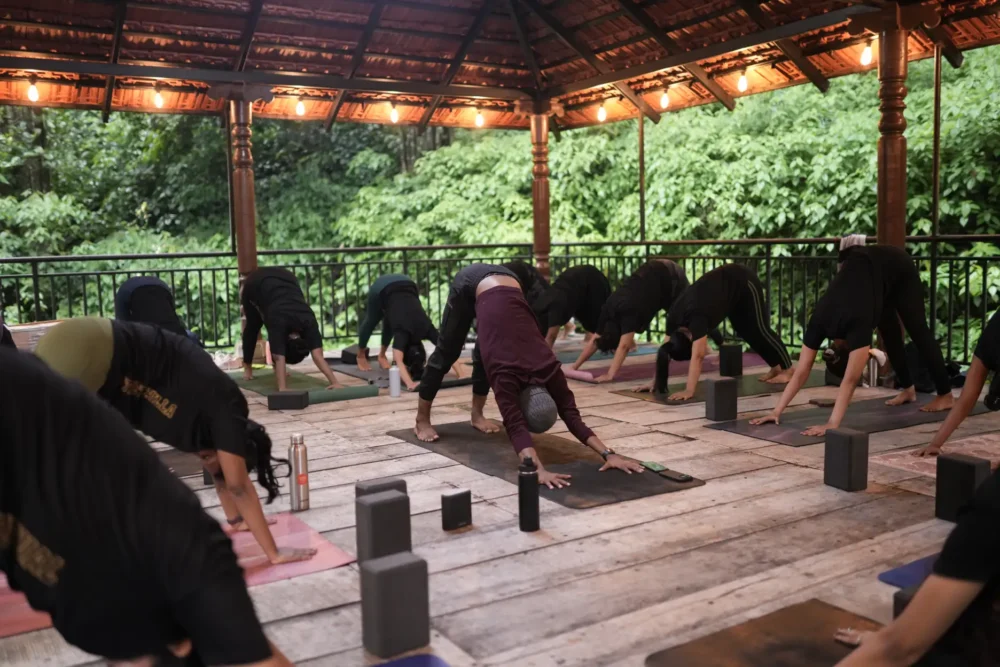
What is thyroid-focused yoga and how does it function?
Which yoga is good for the thyroid? Restorative Hatha yoga is the most effective style for thyroid health. It incorporates gentle throat-compressing and throat-opening postures like Bridge Pose (Setu Bandhasana), Fish Pose (Matsyasana), and Supported Shoulderstand (Sarvangasana), combined with Ujjayi breathwork to stimulate blood circulation in the endocrine glands.
       [ ENDOCRINE STIMULATION LOOP ]
                     │
                     ▼
       Throat Compression & Throat Extension
                     │
                     ▼
  [Aggressive Forced Inversions] vs [Prop-Supported Hatha Holds]
                     │
                     ▼
    Balanced Circulation & Calmer Nervous System
In our therapeutic sessions across Tamil Nadu and online portals, we structure every endocrine sequence around proper neck alignment and gentle glandular stimulation. The thyroid gland sits at the base of your neck, regulating your body’s metabolic speed and metabolic balance.
By practicing gentle, prop-supported posture holds, you stimulate local throat tissue and encourage healthy blood flow to the endocrine system. We teach students to avoid straining their cervical vertebrae by using folded blankets under their shoulders during inverted poses. This patient approach allows your endocrine system and vagus nerve to respond naturally, making your practice restorative and therapeutic.
Why restorative hatha matters for endocrine and metabolic health
Supporting your thyroid through gentle physical movement directly alters how your nervous system handles metabolic stress and fatigue. Educational guidelines from the Ministry of Ayush highlight that regular practice of therapeutic hatha yoga and pranayama supports overall endocrine wellness. Their clinical literature suggests that gentle throat compression, paired with extended exhalations, helps lower systemic stress markers and promotes endocrine balance.
According to Outdoor Yoga Chennai, practicing restorative hatha yoga for thyroid health in open-air environments helps practitioners reduce fatigue by combining light inversions with cooling ocean breezes. Our senior teaching faculty notes that practicing outdoors along ECR and Besant Nagar allows students to deepen their Ujjayi breath, releasing mental fatigue and neck stiffness naturally.
Furthermore, public health research referenced by the World Health Organization stresses the importance of low-impact physical activity for maintaining healthy hormonal and cardiovascular function. Starting a gentle, alignment-focused practice ensures you gain these metabolic benefits without risking cervical spine injury.
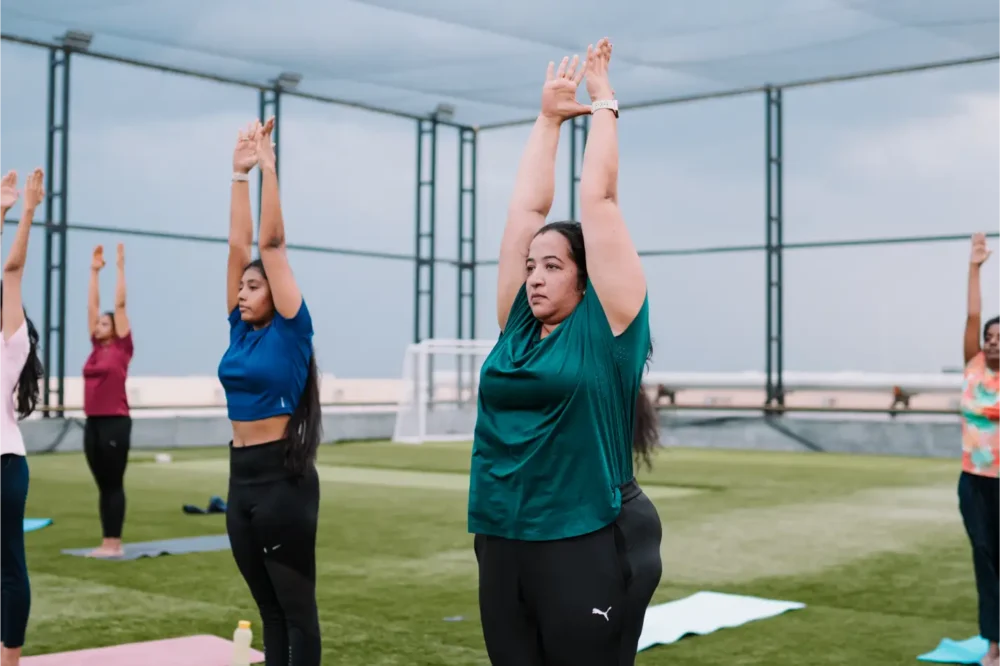
How it works: A seven-step routine for thyroid stimulation
Supporting your thyroid requires a calm, orderly sequence that alternates between gentle neck compression and neck extension while protecting your spine. Follow this field-tested framework to practice safely:
- Center your mind with Ujjayi Breath (Ocean Breath): Sit comfortably, inhaling and exhaling smoothly through your nose while slightly contracting the back of your throat to create a soft sea sound.
- Warm up your neck with Gentle Cervical Circles: Sit tall and slowly tilt your chin toward your chest, then roll your head from shoulder to shoulder for five breaths to release tight neck muscles.
- Open your chest in Cobra Pose (Bhujangasana): Lie face down, press your hands under your shoulders, and gently lift your chest while tilting your chin up slightly to stretch your throat.
- Compress your throat in Bridge Pose (Setu Bandhasana): Lie on your back, press your feet down to lift your hips, and gently bring your chest toward your chin to stimulate the thyroid gland.
- Counter-stretch in Fish Pose (Matsyasana): Slide your hands beneath your hips, press down through your elbows, lift your chest, and arch your neck gently back to stretch your throat.
- Support your neck in Legs-Up-the-Wall (Viparita Karani): Rest your hips near a wall and extend your legs upward, placing a folded blanket beneath your lower back to encourage smooth venous return.
- Rest completely in Savasana: Lie flat on your mat with your eyes closed for five to ten minutes, letting your nervous system absorb the benefits of practice.
                 [ THYROID STIMULATION PIPELINE ]
                                │
      ┌─────────────────────────┼─────────────────────────┐
      ▼                         ▼                         ▼
[Throat Compression]       [Throat Extension]     [Parasympathetic Rest]
Bridge & Shoulderstand     Fish & Cobra Poses     Savasana & Viparita Karani
Over a decade of teaching virtual and coastal sessions across Chennai, we have seen this sequence help practitioners restore their energy. Our students report that taking twenty minutes a day to practice gentle throat-opening movements relieves chronic neck tightness and clears afternoon fatigue.
I remember a corporate employee from Thiruvanmiyur who suffered from sluggish metabolism, cold hands, and neck soreness. She joined our online therapeutic hatha track, and we immediately adjusted her form, using folded blankets under her shoulders during Bridge Pose to protect her neck. This prop-supported approach protected her cervical vertebrae, improved her circulation, and left her feeling energized within four weeks. Having an experienced Yoga Alliance RYT instructor verify her alignment gave her complete confidence to practice safely at home.
Proven physical, emotional, and metabolic benefits of thyroid-focused yoga
Committing to a therapeutic practice of which yoga is good for the thyroid delivers clear physical and mental upgrades across your entire life:
Glandular Circulation and Endocrine Balance
Alternating between throat compression and neck expansion encourages fresh blood flow to the thyroid and parathyroid glands. Peer-reviewed research suggests that regular gentle neck postures may improve endocrine function and support thyroid balance.
       [ ENDOCRINE RECOVERY ENGINE ]
                     │
                     ▼
       Apply Gentle Cervical Pressure
                     │
                     ▼
  [Forced Neck Strains] vs [Prop-Supported Hatha Holds]
                     │
                     ▼
  Improved Throat Blood Flow & Calmer Metabolism
Nervous System Regulation and Stress Reduction
Pairing slow, static posture holds with Ujjayi pranayama stimulates the vagus nerve, balancing your autonomic nervous system. This direct shift lowers circulating cortisol levels, relieves anxiety, and promotes deeper, more restful sleep.
Enhanced Energy Levels and Mental Clarity
Practicing gentle inversions like Viparita Karani improves venous blood flow back toward your heart and upper body. Many practitioners report that this gentle boost reduces brain fog and restores daily physical energy naturally.
How can beginners approach thyroid yoga safely?
Which specific poses should beginners practice when starting yoga for thyroid health?
Beginners should start by practicing Bridge Pose, Supported Fish Pose, and Legs-Up-the-Wall twice or thrice a week. Avoid headstands or unsupported shoulderstands, and use folded blankets beneath your shoulders and back to cushion your neck completely.
       [ BEGINNER THYROID SAFEGUARDS ]
                     │
                     ▼
       Verify Prop Cushioning & Soft Breath
                     │
                     ▼
  [Forcing Deep Neck Inversions] vs [Supported Bridge & Fish Poses]
                     │
                     ▼
      Protected Cervical Vertebrae & Gentle Energy
When you start practicing yoga for thyroid wellness, approach your mat with patience and care. Never force your neck into tight or painful positions, especially during inverted poses. Our certified instructors design every therapeutic lesson to keep your spine supported while softly stimulating the throat area.
To ensure your practice stays safe and effective, keep three basic guidelines in mind. First, always cushion your shoulders with a folded blanket during Bridge or Shoulderstand poses to protect your cervical spine. Second, maintain a soft, continuous Ujjayi breath to keep your mind calm and your muscles relaxed. Third, drop into Child’s Pose immediately if you feel dizzy or lightheaded during practice.
Common misunderstandings about yoga and thyroid health
- “You must perform full, unsupported Shoulderstands to help your thyroid:” Full shoulderstands can strain your neck; gentle, prop-supported poses like Bridge Pose offer safe, effective thyroid stimulation without risking neck injury.
- “Yoga can completely replace prescribed thyroid medication:” Yoga is a supportive, holistic health tool; never stop or change your prescribed medical treatment without consulting your physician.
- “Fast-paced, high-intensity power yoga is best for curing sluggish metabolism:” Fast, intense workouts can raise stress hormones; slow, restorative hatha yoga is much better for supporting endocrine health.
Practical tips from a veteran instructor for thyroid wellness
- Cushion your neck with folded blankets: Place two folded blankets beneath your upper back and shoulders during Bridge Pose to prevent neck flattening.
- Practice Ujjayi breath during posture holds: Maintain a gentle throat contraction during breathwork to massage local throat tissues and stay relaxed.
- Avoid pushing past neck discomfort: Back out of any posture immediately if you feel sharp pain or pinching in your neck or shoulders.
- Use a bolster under your back in Fish Pose: Placing a soft bolster beneath your upper spine allows your chest and throat to open without neck strain.
- Practice on an empty stomach: Keep two to three hours between your last meal and your practice to prevent stomach discomfort during gentle inversions.
- Keep your head centered during inverted poses: Never turn your head from side to side while holding poses that place weight on your shoulders.
- End every session with ten minutes of deep rest: Rest flat in Savasana at the end of class to let your nervous system absorb all the positive changes from your practice.
Analytical Comparison of Yoga Styles for Thyroid Support
| Yoga Style | Power / Vinyasa Yoga | Restorative Hatha Yoga |
| Primary Endocrine Focus | High cardio output & heat | Gentle throat compression & extension |
| Cervical Spine Strain | High (fast transitions between poses) | Very Low (cushioned, prop-supported holds) |
| Nervous System Impact | Stimulates sympathetic drive | Activates parasympathetic relaxation |
| Ujjayi Breath Integration | Used for pacing movement | Used to soothe mind & massage throat |
| Beginner Accessibility | Challenging for fatigued practitioners | Highly accessible with simple props |
FAQs
1. Which yoga is good for the thyroid, and why is Hatha yoga recommended?
Restorative Hatha yoga is best because it combines gentle throat compression and extension poses with calming Ujjayi breathwork, encouraging blood flow to the neck without straining your spine.
2. Can beginners with hypothyroidism practice yoga safely at home?
Yes, beginners can practice safely by focusing on accessible poses like Bridge Pose, Fish Pose, and Legs-Up-the-Wall while using supportive props.
3. Is Shoulderstand (Sarvangasana) mandatory for thyroid improvement?
No, full Shoulderstand is not required; safer variations like Supported Bridge Pose or Legs-Up-the-Wall offer similar benefits without risking neck strain.
4. How many times a week should I practice yoga for thyroid health?
Practicing three to four times a week for 20 to 30 minutes provides an ideal balance of gentle endocrine stimulation, muscle recovery, and stress reduction.
5. How does Ujjayi breathwork support thyroid wellness?
Ujjayi breathwork gently contracts throat tissues, creating a mild vibration that massages local tissues and calms your autonomic nervous system.
6. Should people with hyperthyroidism avoid hot or fast yoga styles?
Yes, individuals with hyperthyroidism should avoid hot or intense power yoga, as high heat and heavy exertion can worsen physical exhaustion.
7. Can I practice thyroid-focused yoga while taking thyroid medication?
Yes, therapeutic yoga works safely alongside medical treatments; always consult your physician before starting a new exercise program.
8. What basic props do I need to practice thyroid yoga at home?
You only need a non-slip 5mm yoga mat, two firm foam blocks, two folded blankets, and a bolster or pillow for spine support.
Nurturing Endocrine Balance, Inner Energy, and Long-Term Vitality
Committing to a gentle, therapeutic yoga practice provides a compassionate way to care for your endocrine system and restore daily energy. Understanding which yoga is good for the thyroid empowers you to choose slow, alignment-focused Hatha sequences that protect your spine while gently massaging local throat tissues. By using supportive props, tracking your Ujjayi breath, and respecting your physical limits, you build a firm foundation for hormonal balance.
Outdoor Yoga Chennai stands as a trusted resource for authentic yoga instruction, offering coastal beach workshops alongside specialized online therapeutic programs. We invite you to step away from fast, exhausting workouts and discover the deep benefits of a restorative practice. Contact our certified wellness educators today to schedule your introductory consultation and take a confident step toward a balanced, vibrant life.


Leave a Comment