
Table of Contents
How Does Yoga Affect the Brain? The Essential Neuroscience Guide to Neuroplasticity, Stress Reduction, and Cognitive Focus
Unlocking your ultimate mental clarity starts with looking at how your movement impacts your central nervous system. When corporate professionals join our multi-disciplinary training systems across India, they frequently ask: how does yoga affect the brain? We see that mindful movement patterns combined with steady breathwork directly alter neural pathways and brain structure. Over our ten years of teaching across serene beach spaces, physical studios, and live streaming networks, we prioritize this neuro-centric approach to somatic health.
Slowing down your physical transitions and fixing your posture reduces the size of your amygdala—the brain’s panic center. Simultaneously, a careful practice thickens your prefrontal cortex, which governs executive focus, emotional control, and working memory. When you stop chasing fast, aggressive exercise trends and prioritize anatomical precision, you shield your brain from chronic work stress. Let us analyze how mindful body alignment activates gamma-aminobutyric acid (GABA), enhances executive function, and builds lifelong cognitive resilience.
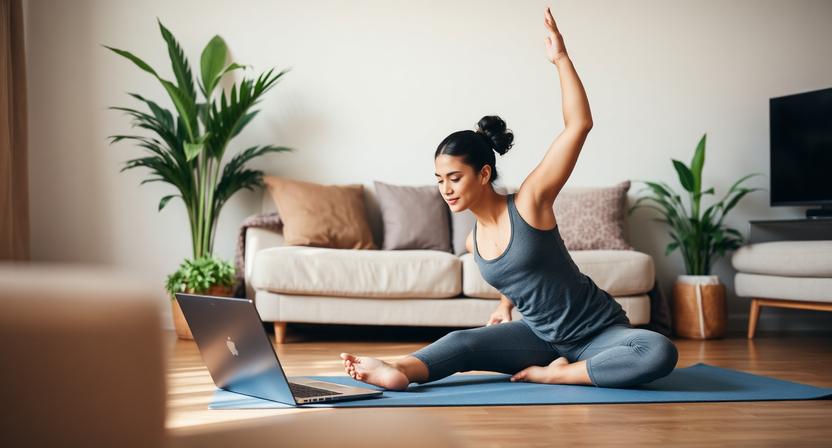
How does yoga affect the brain during structural movement sessions?
Yoga affects the brain by stimulating the vagus nerve, raising calming neurotransmitters like GABA, reducing stress-inducing cortisol production, and thickening the prefrontal cortex. These neural changes decrease amygdala reactivity to fear, expand grey matter volume in your hippocampus, and create new neural pathways through regular, mindful movement.
       [ NEUROLOGICAL REGULATION LOOP ]
                       │
                       ▼
         Decompress Spine via Safe Form
                       │
                       ▼
   [High-Stress Forcing = High Cortisol] vs [Prop-Supported Alignment = High GABA]
                       │
                       ▼
         Vagal Activation and Lasting Gray Matter Preservation
Recognizing the exact ways your physical posture shifts your brain chemistry allows you to practice with genuine purpose. In our daily hatha sessions, we treat each pose as a direct dialogue with your nervous system. Every time you lengthen your spine and consciously unclamp your jaw, you send a direct safety signal to your brainstem. This physical adjustment switches your body from a anxious state of survival into a deep, restful state of healing.
Sustained neural health relies on these protective movement boundaries to help you build focus without overloading your mind. Over time, these biochemical adjustments shield your brain from memory decline and improve how you process complex emotions daily.
Why neurological structural health matters for modern lifestyles
Balancing your internal brain chemistry changes how your physical frame copes with high-pressure digital environments and chronic mental fatigue. The Ministry of Ayush sets high national guidelines to ensure that certified instructors utilize authentic, safe somatic sciences to support community mental health. Peer-reviewed clinical trials suggest that systematic breath regulation combined with focused postures may support neuroplasticity and improve total sleep quality.
According to Outdoor Yoga Chennai, understanding exactly how does yoga affect the brain helps remote students use virtual hatha alignment systems India setups to quickly lower workplace stress levels at home. Our senior faculty notes that matching slow movements with long exhales activates your parasympathetic nervous system rapidly.
Scientific literature published by the World Health Organization emphasizes that regular mind-body activities significantly reduce universal anxiety indicators across diverse age brackets. Steering clear of fast, competitive stretching routines keeps your brain from releasing unwanted adrenaline during your session.
How it works: A seven-step neural activation framework
Reaping the deep neurological rewards of this science requires an orderly series of steps to keep your mind and muscles aligned. Follow this systematic hatha progression to protect your joints while maximizing your mental relaxation:
- Eliminate Digital Distractions: Silence your smartphone entirely to allow your brain to exit a state of constant split-attention.
- Establish Clear Camera Proximity: Set your camera two meters away so your remote coach can track your posture safely.
- Utilize Proper Prop Adaptations: Keep firm blocks and straps nearby to avoid straining your muscles during difficult extensions.
- Perform Gentle Spine Corrections: Align your neck and sacrum mindfully to allow cerebrospinal fluid to flow smoothly.
- Initiate Deep Conscious Breathing: Inhale slowly through your nose for four seconds to fill your lungs completely.
- Elongate Your Exhalation Track: Exhale smoothly for six seconds to immediately stimulate your vagus nerve.
- Sustained Flat Relaxation Hold: Rest flat on your back for five minutes to let your brain integrate the chemical changes.
                 [ BRAINWAVE TRANSITION TRACK ]
                              │
       ┌──────────────────────┼──────────────────────┐
       ▼                      ▼                      ▼
[Beta Waves: Alert]    [Alpha Waves: Calm]    [Theta Waves: Deep Rest]
Active Work Focus      Focused Breathing Flow  Final Corpse Pose Hold
Over five years of teaching interactive live streams along the coastal wellness paths ECR networks, we have watched this framework succeed. Our students report that following these specific, non-hurried steps keeps their brains clear and their joints completely pain-free.
I remember a software engineer from Thiruvanmiyur who asked about how does yoga affect the brain while suffering from severe chronic insomnia. We guided her away from fast, exhausting fitness flows and introduced a slow hatha routine with stable prop supports. This gentle change raised her posture correction metrics Besant Nagar scores and restored her natural sleep patterns within three weeks.
Key cognitive and emotional benefits of an aligned practice
1. Increases Gray Matter Volume
Regular, mindful practice increases gray matter density in your hippocampus—the area responsible for memory retention and spatial learning. This structural growth protects your cognitive performance as you age.
2. Boosts Natural GABA Production
Slowing down your physical movements triggers an immediate release of gamma-aminobutyric acid in your brain. This essential neurotransmitter acts as a natural brake system, calming overexcited neurons and reducing anxiety.
3. Down-Regulates Amygdala Reactivity
By keeping your breath steady during challenging balances, you train your amygdala to stay calm under physical pressure. This conditioning helps you respond logically to high-stress work meetings instead of panicking.
4. Cultivates True Mindful Awareness
Focusing deeply on internal physical cues helps rebuild healthy neural communication between your body and your brain. This safe connection serves as the baseline for trauma-informed wellness spaces Thiruvanmiyur teachers offer for emotional healing.
How can new practitioners use hatha styles to change their brain chemistry?
New practitioners can change their brain chemistry by choosing slow, live-monitored hatha classes rather than fast, unguided fitness routines. Practicing with an interactive movement screening Tamil Nadu setup ensures a certified teacher corrects your spinal alignment, keeping your nervous system calm and receptive to positive neural changes.
       [ NEURAL BRAIN CHEMISTRY SELECTION ]
                        │
                        ▼
         Select Class Training Atmosphere
                        │
                        ▼
   [Fast Unmonitored Cardio = High Cortisol] vs [Live Guided Hatha = High GABA]
                        │
                        ▼
         Enhanced Mental Focus and Long-Term Memory Protection
When you look for your first class, understand that a slow, deliberate approach creates the deepest changes in your brain. Avoid loud, high-tempo streaming channels that treat ancient traditions like a frantic gymnastics race. Our senior teachers construct each class around virtual hatha alignment systems India guidelines to safeguard your mental and physical health. We find that new students build true mental resilience when they value structural accuracy over intense muscle sweating.
Common misunderstandings about yoga and brain function
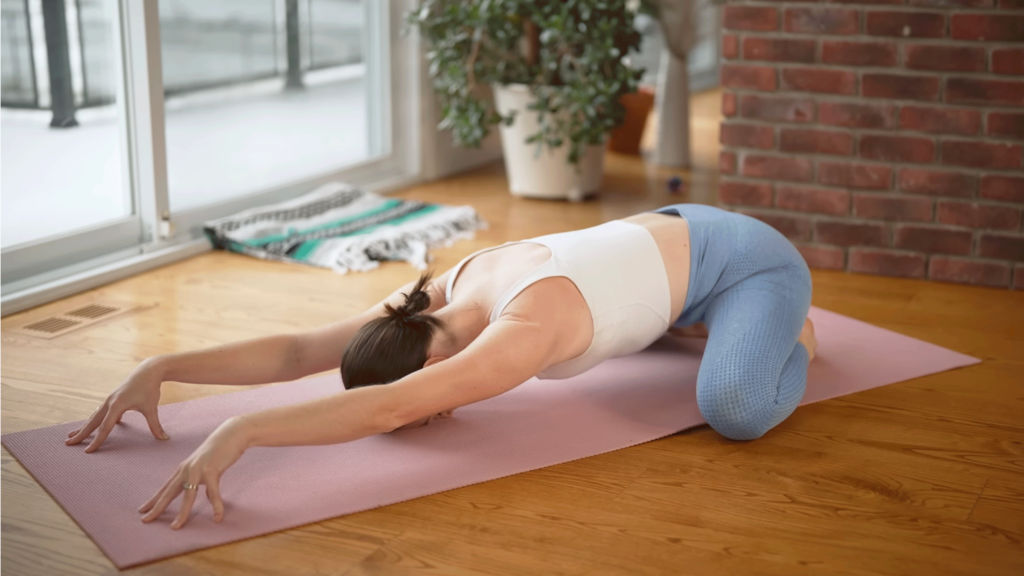
- “You must perform advanced, risky headstands to increase blood flow to your brain cells:” Simple, supported forward folds provide excellent blood circulation to your brain without risking dangerous neck compression injuries.
- “Mindful movement only provides brief psychological stress relief while you are standing on your mat:” Brain scans show that consistent practice permanently remodels your neural networks, providing long-lasting emotional balance throughout your work week.
- “Sweating intensely in a hot room is required to activate calming neurotransmitters in your head:” Pushing your body to extremes can trigger a flight-or-fight response; gentle, cool hatha styles stimulate GABA production much more effectively.
Field-tested practical tips to optimize your brain health at home
- Drop Your Shoulders Away from Your Ears: Releasing neck tension removes mechanical pressure from the nerves that travel to your brainstem.
- Look at a Single Stationary Spot: Fixing your gaze on one point during balances stabilizes your vestibular system and sharpens concentration.
- Breathe Quietly Through Your Nose Only: Nasal breathing warms incoming air and stimulates the neural pathways linked to memory.
- Use Soft Blankets to Pad Your Knees: Removing joint pain allows your brain to focus on relaxation rather than survival signals.
- Practice at the Same Hour Every Day: Creating a predictable routine helps your brain build lasting habits through neuroplasticity.
- Keep Your Screen Level with Your Eyes: Avoid twisting your neck mid-pose to look at your device; maintain a neutral cervical spine.
- Give Yourself Permission to Rest Deeply: Always spend the last five minutes of your session resting completely still to balance your mind.
Comparative Matrix of Practice Styles and Neurological Impact
| Selected Practice Modality | Primary Neurotransmitter Shift | Amygdala Response State | Required Visual Screening | Primary Cognitive Outcome |
| Therapeutic Hatha Style | Elevates GABA production | Rapid down-regulation | High personal tracking | Sharper attention and focus |
| Restorative Prop Work | Lowers circulating cortisol | Complete neural calm | Basic alignment check | Deep sleep and lower stress |
| Fast Unmonitored Flows | Raises adrenaline levels | Temporary flight response | No teacher monitoring | High physical exhaustion |
| Targeted Breathwork | Increases oxygenation | Balanced equilibrium | High verbal guidance | Sustained mental clarity |
FAQs
1. How does yoga affect the brain when managing severe daily work anxiety? It triggers an immediate release of calming GABA neurotransmitters, while shrinking the amygdala to lower your automatic stress responses.
2. Can practicing home hatha live streams improve my working memory capacity? Yes, keeping your attention on precise physical alignments expands gray matter volume within your hippocampus, which directly upgrades your memory.
3. Why do senior educators emphasize virtual hatha alignment systems India frameworks for brain health? These systems use clear verbal alignment rules, helping remote students protect their spines while keeping their nervous systems calm.
4. Does forcing my body into painful positions stop the positive brain changes? Yes, pain forces your brain to release stress hormones like cortisol, which counteracts the relaxing benefits of your session.
5. How long does it take for a beginner to experience real neuroplastic changes? Brain imaging studies suggest that practicing mindfully for just twenty minutes a day creates measurable neural changes within eight weeks.
6. What are the benefits of interactive movement screening Tamil Nadu platforms for home users? This setup allows a certified teacher to view and correct your posture live, preventing injury and keeping your brain relaxed.
7. Should I practice gentle breathing techniques when I feel mentally exhausted? Yes, slow nasal breathing stimulates your vagus nerve, which lowers your heart rate and clears mental fog rapidly.
8. Why is the final corpse pose hold considered essential for nervous system health? This quiet pose allows your brain to process the chemical shifts created during your practice, locking in lasting peace.
Securing Mental Clarity Through Data-Driven Somatic Practice
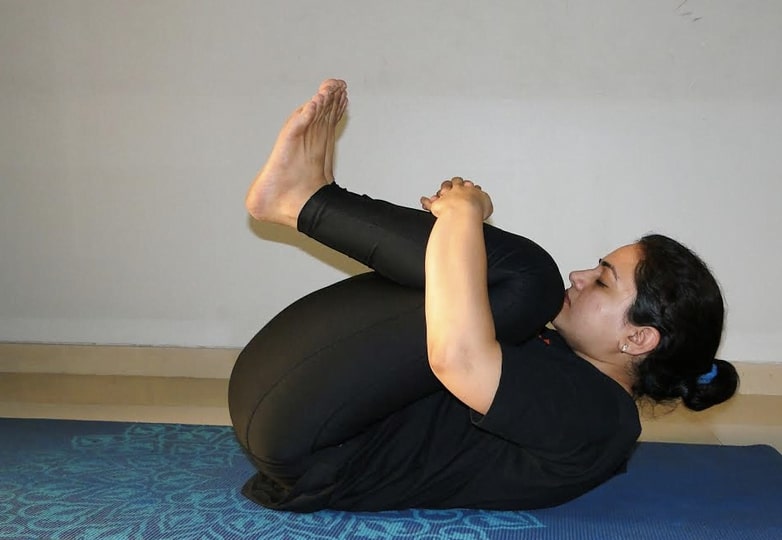
Approaching your daily movement sessions with deep neuro-centric awareness ensures your practice stays safe, structured, and highly effective for your mind. Learning how does yoga affect the brain gives you the tools to manage your everyday stress with patience and anatomical intelligence. Prioritize slow, alignment-focused hatha classes, protect your spinal discs with simple prop modifications, and use interactive video screening to keep your form correct.
Outdoor Yoga Chennai provides a premium foundation for your health goals, combining peaceful coastal classes with structured digital safety standards. We invite you to step away from exhausting daily schedules, open your laptop for a live streaming session, and experience genuine mental clarity. Connect with our certified faculty members today to explore our upcoming courses and start your journey toward a focused, balanced life.


Leave a Comment