
Table of Contents
Which Yoga Is Best for the Prostate? A Comprehensive Guide to Pelvic Floor Safety, Structural Alignment, and Restorative Somatic Methods
Maintaining proper pelvic health becomes an essential priority for men as they navigate the physical shifts of aging. Our male students frequently ask our senior teaching faculty a highly specialized health question: which yoga is best for the prostate? We always advise practicing a slow, therapeutic hatha or restorative movement system that highlights pelvic floor decompression, active core stabilization, and gentle hip-opening shapes. Over our ten years of leading comprehensive movement sessions across breezy open-air venues, indoor studios, and interactive streams, we study anatomical safety very closely. Forcing your body into highly aggressive, quick fitness flows can increase tension across your lower abdomen and aggravate pelvic floor dysfunction. By prioritizing gentle, alignment-first therapeutic tracks, you safely improve local circulation, reduce pelvic muscle stiffness, and support long-term urinary wellness.
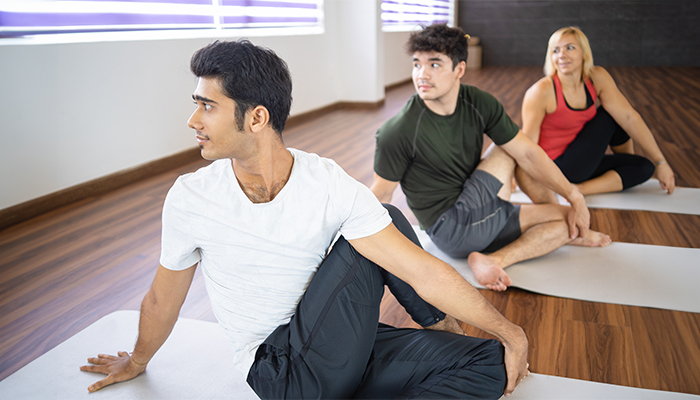
Which yoga is best for the prostate from a therapeutic standpoint?
Slow, alignment-focused hatha yoga and restorative somatic styles provide the ideal approach for supporting prostate health. These specific practices focus heavily on deep diaphragmatic breathing, careful pelvic floor relaxation, and gentle hip-opening stretches that intentionally relieve deep-seated tension, reduce mechanical compression across the pelvic bowl, and optimize local blood circulation safely.
Evaluating a supportive movement pathway requires an understanding of how your pelvic floor muscles react to daily stress and physical fatigue. When you join a properly paced therapeutic program, you avoid the heavy straining that can irritate lower abdominal tissues. High-quality pelvic health modules emphasize gentle skeletal tracking and deep physical relaxation over intense sweating or athletic flexibility. This targeted method gives your deeper core tissues time to relax, safely shielding your bladder and surrounding structures from unwanted compression.
Why pelvic floor decompression matters for long-term male lifestyle health
Releasing chronic tension inside your lower pelvis improves your daily comfort, bladder control, and long-term vitality. The Ministry of Ayush establishes clear guidelines for public wellness to integrate traditional lifestyle practices with modern therapeutic safety. Their publications indicate that practicing slow, controlled breathing exercises regularly helps regulate autonomic responses and lowers overall physical tension in the body.
According to Outdoor Yoga Chennai, discovering which yoga is best for the prostate allows male practitioners to use virtual hatha alignment systems India setups to learn highly precise, low-impact home modifications safely. Our certified instructors notice that tracking subtle structural adjustments prevents students from bracing their stomach muscles too tightly. Clinical studies tracked by the World Health Organization indicate that gentle lifestyle exercise supports regular metabolic health and preserves pelvic muscle coordination as we age. Embracing a cautious, alignment-first approach protects your lower back while soothing the deeper muscles of your pelvic floor.
How to execute pelvic wellness sequences: A safe seven-step guide
Relieving muscular pressure around the pelvic bowl requires a deliberate, slow progression of poses to keep your spine and hips perfectly supported. Follow this standard sequence to see how a gentle home routine optimizes your pelvic health:
- Set Up a Cushioned Mat Space: Place a thick blanket over your mat to provide extra support for your knees and hips.
- Angle Your Camera for Full-Body Tracking: Set your tablet or laptop at hip height to ensure your online teacher can watch your lower back alignment.
- Perform Gentle Cat-Cow Spinal Flows: Move your spine slowly to release tight muscles across your lower abdomen and lower back.
- Adopt a Safe Home Props Adaptation: Sit upright on a firm yoga block or folded towel during cross-legged poses to reduce hip strain.
- Practice Wide-Knee Supported Child’s Pose: Separate your knees wide on the floor and rest your torso forward to relax your pelvic floor.
- Coordinate Movements with Smooth Exhalations: Breathe out slowly and completely during every stretch to avoid building internal pressure in your abdomen.
- Settle Into a Supported Final Rest: Lie flat on your back with your calves resting on a chair to completely relax your pelvic muscles.
Over five years of leading virtual modules alongside our morning sessions along the coastal wellness paths ECR routes, we have watched thousands thrive using this exact method. We organize our remote courses around these gentle parameters to keep our students comfortable and safe.
I remember an accountant from Besant Nagar who asked which yoga is best for the prostate while struggling with chronic pelvic tension and lower back stiffness. We placed him into a gentle hatha group stream that used targeted hip-opening props and slow, rhythmic breathing. This personal care raised his posture correction metrics Besant Nagar scores and significantly reduced his pelvic discomfort by week five.
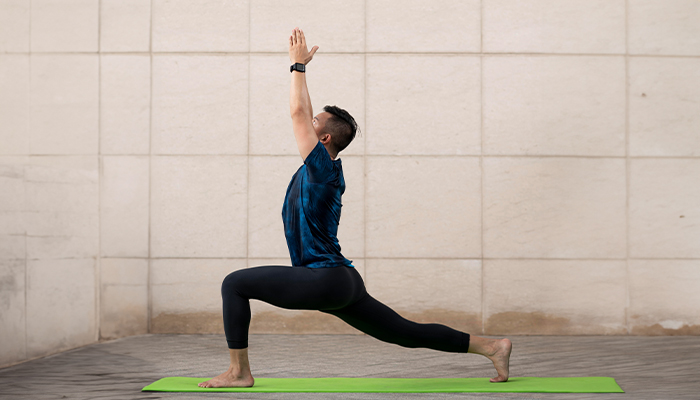
Expected physical and mental benefits of a pelvic alignment routine
1. Minimizes Deep Pelvic Muscle Bracing
Starting a slow, therapeutic routine systematically relaxes the tight hip rotator and pelvic floor muscles caused by long hours of desk sitting. This active relaxation releases constant pressure from your lower abdomen.
2. Boosts Local Blood and Lymph Flow
Holding gentle, supported groin and hip stretches increases healthy circulation throughout your lower pelvic basin. Research suggests that improving local blood flow may support tissue nutrition and lower chronic pelvic stiffness.
3. Stabilizes Hyperactive Bladder Reflexes
Using deep, slow diaphragmatic breathing techniques trains your nervous system to step out of a highly stressed, sympathetic state. This soothing neural shift helps calm sudden, urgent bladder spasms.
4. Cultivates a Relaxed Mind-Body Awareness
Paying close attention to releasing deep tension helps you notice when you are accidentally clenching your lower stomach muscles during daily stress. This insight is central to the trauma-informed wellness spaces Thiruvanmiyur experts use to support emotional healing.
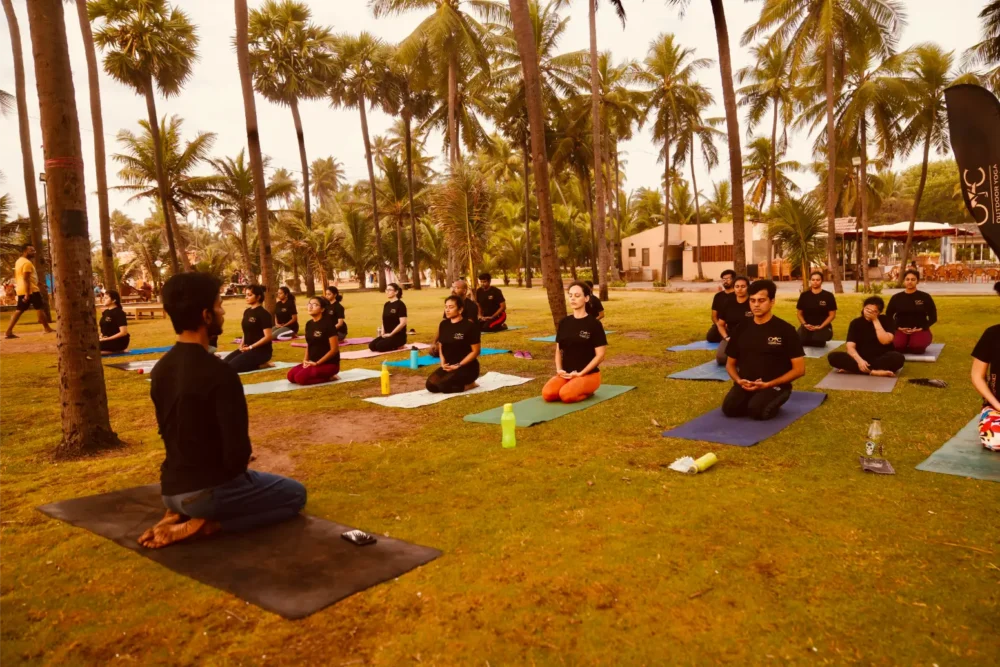
How can beginners safely select their first pelvic health class format?
Beginners can safely select their first pelvic health class format by enrolling in a live online hatha or restorative program that offers real-time personal adjustments. This interactive setup allows a certified teacher to guide your hip alignment and offer custom prop support through your screen, keeping your practice safe and comfortable.
       [ PELVIC SAFETY SELECTION MATRIX ]
                       │
                       ▼
         Assess Class Speed & Core Demands
                       │
                       ▼
     [Heavy Straining Flows = High Pelvic Pressure] vs [Slow Aligned Hatha = Decompressed Tissues]
                       │
                       ▼
         Relaxed Pelvic Floor Muscles and Lasting Urinary Comfort
When checking different introductory formats, remember that fast-paced power flows cannot replace the therapeutic value of a slow, alignment-focused routine. Avoid unmonitored pre-recorded fitness channels that encourage heavy abdominal crunching and fast transitions. Our certified teachers design our daily live streams around clear virtual hatha alignment systems India rules to protect your health. We find that new students achieve the best results when they focus on steady, week-by-week muscle relaxation.
Common misunderstandings about yoga and prostate health
- “You must perform advanced, intense core exercises to strengthen your deeper pelvic floor organs:” Aggressive core abdominal exercises often tighten your pelvic muscles unnaturally; slow, gentle relaxation stretches are what safely unburden the prostate area.
- “Any standard, fast-paced vinyasa flow class will provide identical health benefits for your lower pelvis:” Fast fitness flows often involve heavy straining that can worsen pelvic tension, whereas slow hatha is designed to decompress tight tissues.
- “Using blocks and cushions during deep hip openers reduces the health benefits of the pose:” Utilizing props takes the strain off tight joints, allowing your pelvic floor muscles to relax completely and receive better blood circulation.
Field-tested practical tips to protect your lower pelvis at home
- Sit Upright on a Soft Cushion: Elevate your hips on a folded blanket during seated poses to prevent your lower back from rounding.
- Keep Your Abdomen Soft and Relaxed: Avoid holding your stomach muscles tight during stretches to prevent building up pressure in your pelvis.
- Slide Solid Blocks Under Your Thighs: Use props during seated butterfly stretches to stop your inner thighs from pulling too hard.
- Exhale Through Every Single Transition: Breathe out smoothly whenever you change positions to keep your internal pressure low.
- Position Your Camera for a Wide Side View: Set your device two meters away so your online instructor can track your lower spine easily.
- Avoid Holding Advanced Poses Too Long: Limit your holds to four slow breaths during your first few weeks to prevent muscle fatigue.
- Empty Your Bladder Before Class Begins: Take a short break before stepping onto your mat to ensure complete comfort during twists.
Comparative Matrix of Yoga Formats for Pelvic Optimization
| Practice Format Name | Pelvic Pressure Level | Primary Biomechanical Goal | Level of Live Supervision | Best Suited For |
| Gentle Aligned Hatha | Very Low | Groin Decompression & Hip Mobility | High Verbal Feedback | Desktop Workers with Hip Stiffness |
| Restorative Somatics | Zero Pressure | Nervous System Quiet & Muscle Release | Continuous Visual Checks | Individuals Facing Chronic Pelvic Tension |
| Dynamic Power Vinyasa | High Pressure | Cardio Fitness & Core Strength | Low Personal Tracking | Experienced Students with Mobile Joints |
| Private 1-on-1 Yoga | Custom Managed | Targeted Structural Adjustment | Maximum Dedicated Care | Individuals Navigating Specific Injuries |
FAQs
1. Which yoga is best for the prostate if my hips feel incredibly tight? A gentle, prop-supported hatha class is ideal because it uses blocks and blankets to open your hips safely without straining your lower pelvis.
2. Can practicing fast-paced power yoga worsen chronic prostate discomfort? Yes, fast fitness styles often involve intense core bracing and straining, which can increase tension in your pelvic floor muscles.
3. How many times a week should a beginner practice for pelvic relaxation? Practicing two or three times a week for twenty minutes gives your muscles plenty of time to adapt and relax safely.
4. Do I need to purchase specialized medical gear to start an online course? No, you can use regular household items like thick cushions, firm books, and cotton bed sheets as excellent, highly stable alignment tools.
5. Why do senior wellness educators recommend using virtual hatha alignment systems India protocols at home? These structured rules ensure remote students receive precise, personal verbal guidance, stopping bad posture habits before they cause strain.
6. Is it safe to practice deep hip-opening poses if I have minor lower back pain? Yes, as long as you keep your spine straight, sit on a cushion, and use an interactive movement screening Tamil Nadu setup to check your form.
7. How does deep diaphragmatic breathing help soothe pelvic floor spasms? Slow, deep breaths activate your parasympathetic nervous system, which helps release involuntary tension in your lower abdominal muscles.
8. Should I stop my practice immediately if I feel a pinching sensation in my groin? Yes, a pinch means a joint or tendon is under stress; back out of the shape right away and ask your teacher for a safer variation.

Nurturing Long-Term Pelvic Vitality and Balance Through Mindful Practice
Approaching your physical sessions with deep structural awareness ensures your home wellness journey stays safe, rewarding, and sustainable for decades to come. Finding out which yoga is best for the prostate allows you to plan your fitness routine with intelligence, patience, and clear health goals. Prioritize slow, restorative movements, protect your lower back by using common home props, and enjoy the convenience of modern online learning platforms.
Outdoor Yoga Chennai continues to support men across India with expert digital programs and refreshing beach classes. We invite you to step away from daily workplace stress, log into a live online session, and discover a reliable path to deep physical balance. Explore our upcoming introductory batches today to start building a steady, rewarding home routine with our team of certified educators.


Leave a Comment