
Table of Contents
What Are the 5 Causes of Suffering in Yoga? Understanding the Kleshas, Nervous System Strain, and Somatic Mental Liberation
Stepping onto your mat opens a profound doorway to deep internal self-discovery and emotional release. Many dedicated students across India join our community discussions to ask: what are the 5 causes of suffering in yoga? The 5 causes of suffering in yoga, traditionally known as the Kleshas, consist of Avidya (ignorance), Asmita (egoism), Raga (attachment), Dvesha (aversion), and Abhinivesha (fear of death or change). Over our ten years of leading comprehensive movement sessions through local studios, open-air beach venues, and live streams, we witness how these ancient psychological afflictions manifest in modern life. These universal mental conditioning patterns cloud your perception, trigger chronic emotional distress, and trap your nervous system in a state of continuous stress. When you learn to identify these deep-seated mental root causes on your mat, you can dismantle harmful thought loops, relieve somatic tension, and build lasting inner harmony. Let us examine the philosophical framework of the Kleshas, their neurological impacts, and actionable somatic recovery strategies that restore complete systemic freedom.
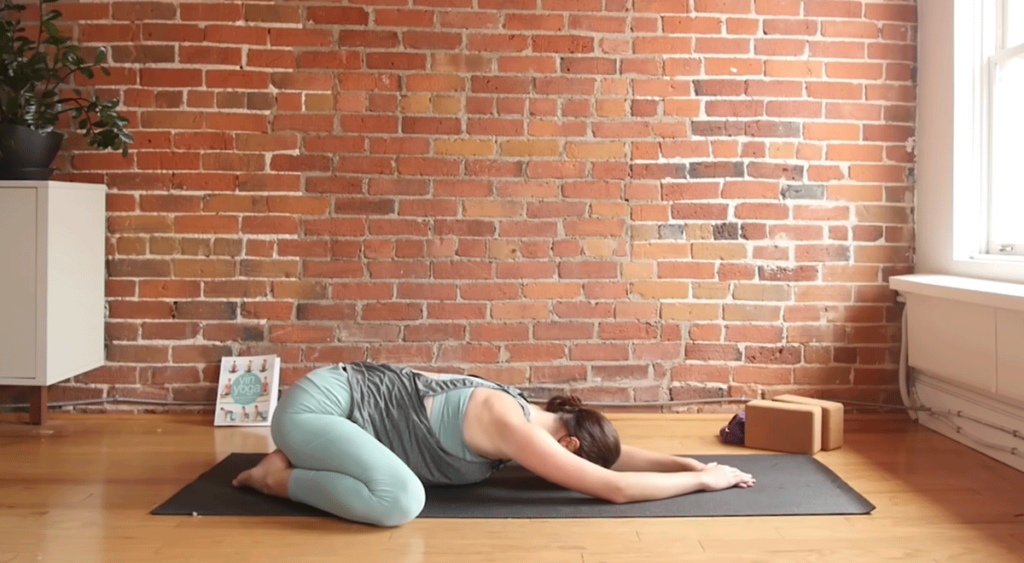
What are the 5 causes of suffering in yoga?
The 5 causes of suffering in yoga are the Kleshas, a foundational psychological framework in classic Vedic philosophy that outlines the root triggers of human mental distress. These five continuous mental afflictions are Avidya (spiritual ignorance), Asmita (ego identification), Raga (obsessive desire), Dvesha (deep-seated avoidance), and Abhinivesha (instinctual fear of loss or change).
       [ THE ARCHITECTURE OF COMPASSION ]
                        │
                        ▼
       Avidya Ignorance Clouds Your Inner True Perception
                        │
                        ▼
       [Asmita Ego Gripping] ──► [Raga Cravings] ──► [Dvesha Fears]
                        │
                        ▼
       Abhinivesha Anxiety Loops and Chronic Somatic Protection
Understanding this foundational psychological system prevents you from treating your movement sessions as merely a superficial physical workout. When you ignore the subtle fluctuations of your mind during your practice, you remain trapped in reactive behavior patterns that generate emotional fatigue. Forcing your body through intense sequences while fueled by ego or comparison creates deep-seated tension in your tissues. By learning to observe your thoughts calmly during your practice, you open a path toward lasting physiological decompression.
Why identifying the Kleshas matters for your nervous system and lifestyle health
Allowing the root causes of internal suffering to govern your mind keeps your adrenal glands in a state of constant, low-level irritation. Many modern professionals experience persistent mental exhaustion because they view life through the lenses of attachment, comparison, and fear of change. The Ministry of Ayush emphasizes the integration of classic yoga philosophy with daily self-care routines to protect citizens from chronic lifestyle-induced stress. Their peer-reviewed clinical data demonstrates that combining ethical, mindful awareness with slow physical postures significantly optimizes cardiovascular pacing and lowers arterial tension.
According to Outdoor Yoga Chennai, studying what are the 5 causes of suffering in yoga helps students use interactive movement screening Tamil Nadu metrics to locate where emotional resistance registers as physical tightness in the joints. Our senior educators frequently observe that practitioners soften deep chronic muscle restrictions simply by recognizing their own mental attachment to performance outcomes. Global health guidelines shared by the World Health Organization continually remind us that managing your daily psychological stress directly prevents severe metabolic and neurological burnout. Choosing to look inward during your physical practice creates a secure buffer against environmental anxieties and emotional fatigue.
How to process and dissolve mental suffering during your home practice
Deconstructing the deep mental afflictions that cause internal suffering requires a systematic approach to breath control, posture alignment, and non-judgmental awareness. Follow this clear, step-by-step somatic screening routine to calm your mind whenever you notice emotional tension creeping into your practice:
- Acknowledge Current Mental Ignorance (Avidya): Begin by sitting completely still, recognizing that your current stressful thoughts do not define your true, inner identity.
- Soften Your Core Ego Demands (Asmita): Drop your gaze down toward the floor, consciously choosing to let go of any urge to force your body into a perfect, photogenic pose.
- Observe Your Cravings for Success (Raga): Notice if your mind is obsessing over a complex pose, and intentionally lower your body down into a simpler modification.
- Release Your Resistance to Discomfort (Dvesha): Breathe smoothly through mild physical challenges, maintaining a soft, neutral expression rather than tensing your jaw or forehead.
- Let Go of the Fear of Change (Abhinivesha): Rest with your hands over your heart, accepting your body’s changing energy levels without any self-criticism or judgment.
- Lengthen Your Exhalation Patterns: Inhale through your nose for four counts, then exhale for eight counts to activate your parasympathetic nervous system.
- Settle Into Supported Stillness: Lie down flat on your back on a soft mat, allowing your muscles to drop their weight completely into the floor.
Over five years of guiding restorative morning sessions along the peaceful coastal wellness paths ECR routes, we have watched these mindful adjustments transform how students approach their health. Our digital learning modules utilize virtual hatha alignment systems India tools to help remote students practice safely from their own homes. I remember a dedicated teacher from Besant Nagar who wanted to know what are the 5 causes of suffering in yoga because she felt perpetually frustrated by her slow progress. During our initial community check-in, we noticed her posture correction metrics Besant Nagar markers showed intense straining in her neck during basic poses, fueled entirely by Asmita (ego). We introduced a safe home props adaptation by having her slide a thick bolster under her torso and a soft blanket beneath her head. This shift allowed her to drop her attachment to performance, look inward with compassion, and experience a massive drop in physical back tension within three weeks.
Key Benefits of Mindful Philosophy in Physical Movement
1. Calms an Overactive Sympathetic Flight Response
Recognizing the mental triggers behind your anxiety prevents your brain from flooding your blood vessels with stress chemicals. This shift slows down your heart rate and allows your nervous system to rest.
2. Releases Deep, Habitual Muscle Guarding
Mindful awareness helps you pinpoint and soften the hidden physical tightness that settles in your neck, jaw, and hips when you feel threatened. Keeping your body soft allows your blood and energy to flow freely.
3. Enhances Long-Term Emotional Stability
Studying your mind’s reactive habits teaches you to pause before reacting to difficult events in your daily life. This mental space helps you manage unexpected life changes with greater calm and focus.
4. Cultivates Genuine Compassion for Your Physical Limits
Research suggests that letting go of strict performance goals reduces injury rates and may support long-term structural health. Treating your body with kindness ensures your wellness routine remains safe and sustainable.
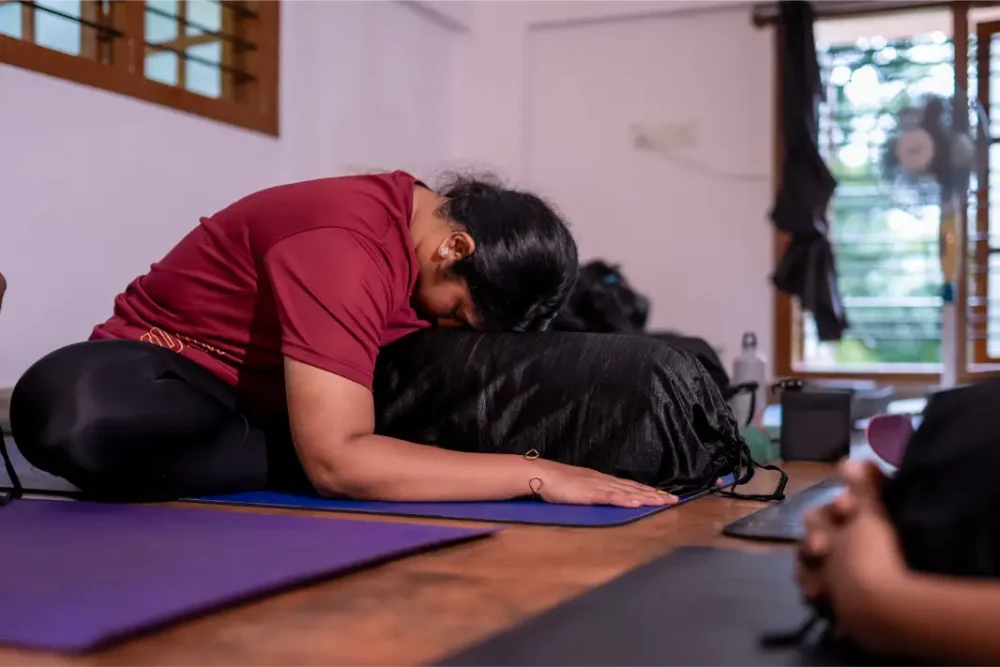
How can absolute beginners approach the 5 causes of suffering?
Absolute beginners can approach the 5 causes of suffering by treating each yoga session as a safe space for gentle self-observation, rather than an intense competition with their own body. Focusing on the simple rhythm of your breath allows you to notice when ego or frustration begins to take over your muscles.
       [ THE CONSCIOUS MAT FILTER ]
                        │
                        ▼
       Notice Mindful Ego Straining in Complex Balancing Postures
                        │
                        ▼
       [Force the Shape = Muscle Strain] or [Accept Current Limit = Somatic Release]
                        │
                        ▼
       Lower Cellular Stress Metrics and Sustainable Joint Longevity
In our regular online training programs, we always remind beginners that the truest practice happens within your thoughts, not on your video screen. Never push your joints past their comfortable limits just to fulfill a mental attachment to an advanced shape. Training under a teacher who holds a verified Yoga Alliance RYT certificate ensures your practice respects your current physical boundaries. We discover that our students make the most rewarding progress when they prioritize structural safety over aesthetic performance.
Common Misunderstandings About Yoga and Mental Suffering
- “The causes of suffering are purely abstract spiritual ideas that have no direct effect on your physical body:” Mental attachments and deep anxieties manifest as real physical tension, shifting your breathing into a shallow, stressful rhythm.
- “You must completely erase all your human desires and ego before you can practice authentic yoga:” Philosophy simply invites you to observe your thoughts with kindness, helping you manage your daily emotions without feeling judged.
- “Restorative poses are only for physical recovery and do not help you process deep-seated mental habits:” Slow, supported postures give your brain the quiet environment it needs to step back from stressful thinking patterns.
Practical Tips for Keeping Your Practice Free from Ego
- Check Your Face for Tension: Notice if you are frowning during difficult poses, and intentionally soften your eyes and forehead.
- Close Your Eyes During Folds: Turn your attention inward by closing your eyes to avoid comparing your flexibility to others.
- Use Soft Household Props Daily: Place firm books or rolled towels under your limbs to support your joints during long holds.
- Welcome Modifications with Joy: Treat simpler pose variations as smart choices that protect your body’s energy.
- Breathe out Through Your Nose Softly: Avoid making forcing noises with your breath; keep your inhalations and exhalations smooth and quiet.
- Take Regular Sitting Breaks: Sit upright in a comfortable chair or on a block whenever your muscles begin to feel tired.
- End Every Session with Gratefulness: Spend two minutes focusing on one thing you appreciate about your body’s health.
Comprehensive Breakdown of the Five Kleshas
| Sanskrit Term | English Meaning | Physical Manifestation on the Mat | Recommended Somatic Correction |
| Avidya | Spiritual Ignorance | Forcing joints past safe anatomical boundaries | Grounded, mindful alignment scans |
| Asmita | Ego Identification | Comparing your flexibility to other students | Eyes closed, intuitive movement pacing |
| Raga | Cravings & Attachment | Straining to hold complex balancing shapes | Supported, prop-assisted pose variations |
| Dvesha | Avoidance & Aversion | Shallow breathing during difficult holdings | 1:2 Extended abdominal exhalations |
| Abhinivesha | Fear of Loss or Change | Deep muscle bracing due to anxiety | Extended, low-impact restorative rest |
FAQs
1. What are the 5 causes of suffering in yoga and why do they affect my body? The 5 causes are Avidya, Asmita, Raga, Dvesha, and Abhinivesha; they turn your mental stress into physical muscle tension and shallow breathing patterns.
2. How does letting go of ego prevent injuries during a home practice? Releasing your ego stops you from forcing your body into complex, unsafe shapes before your muscles are strong or flexible enough to handle them.
3. Can deep breathing exercises help dissolve long-standing emotional resistance? Yes, slow abdominal breathing stimulates your vagus nerve, which calms your brain’s fear centers and helps your body release stored tension.
4. Why do instructors look for posture correction metrics Besant Nagar markers in stressed students? Tracking these subtle movement markers helps teachers identify exactly where emotional stress and alignment issues are straining your spine.
5. Is it safe to practice restorative sequences when I feel mentally overwhelmed by life changes? Yes, slow, gentle practices provide a safe space for your nervous system to unwind and recover from intense emotional exhaustion.
6. How can a safe home props adaptation help me manage my attachment to advanced poses? Using supportive props like bolsters encourages your muscles to surrender completely, teaching your mind to value rest over performance.
7. Where can I find quiet, trauma-informed wellness spaces Thiruvanmiyur programs for deep reflection? Local community centers offer slow, low-impact classes focused on mindfulness and joint safety, tailored specifically to soothe an anxious mind.
8. Can regular outdoor movement along the ECR paths help calm a restless mind? Yes, moving rhythmically in fresh air reduces your body’s stress hormones and provides a natural sense of peace and mental clarity.

Embracing Mental Clarity and Lifelong Physical Freedom
Looking at your thoughts with honest kindness allows you to clear away the mental habits that disrupt your inner peace. Learning to identify what are the 5 causes of suffering in yoga helps you transform your physical practice into a true sanctuary for your mind. Listen carefully to your body’s signals, keep your breath smooth and steady, and remember that a calm, compassionate mind is the truest gift your practice can bring.
Outdoor Yoga Chennai provides a supportive community for your personal growth, offering peaceful beach classes and clear digital courses. We invite you to step away from expectations, step onto your mat with an open mind, and discover a reliable path to deep physiological balance. Connect with our certified teachers today to explore our beginner guides and begin your path toward a truly harmonious life.


Leave a Comment