
Table of Contents
What Are the Side Effects of Yoga Everyday? The Practitioner’s Balance Guide
Committing to a daily movement discipline shows incredible dedication to your long-term physical wellness. However, establishing a daily routine requires a clear understanding of your structural anatomy checkpoints Besant Nagar parameters to avoid physical exhaustion. Many enthusiastic fitness seekers ask us: what are the side effects of yoga everyday? When you practice daily without variation, potential adverse effects include wrist tendinitis, hamstring attachments strain, and general nervous system fatigue. Conversely, a balanced daily routine improves mental clarity, regulates your heart rate, and builds profound joint stability. Balancing high-intensity flows with deep restorative rest helps you protect your body from repetitive wear while enjoying systemic health benefits.
What is a daily yoga practice side effect profile?
The side effect profile of daily yoga refers to the dual physical and physiological responses your body experiences when performing asanas every 24 hours. These include positive systemic shifts like improved blood circulation, alongside potential negative structural issues like joint micro-trauma or repetitive strain when your muscle tissues do not get adequate rest between intense physical workouts.
Practicing postures every single day changes your neuro-muscular pathways and adapts your connective tissues completely. If you repeat identical sequences daily without intuitive modifications, your body will eventually experience structural stress. Joint structures, especially your wrists, shoulders, and lower lumbar spine, require intelligent variation to avoid repetitive motion adjustments Tamil Nadu issues. When you balance dynamic movement with yin-style restorative holds, a daily discipline supports sustainable, safe physical fitness.
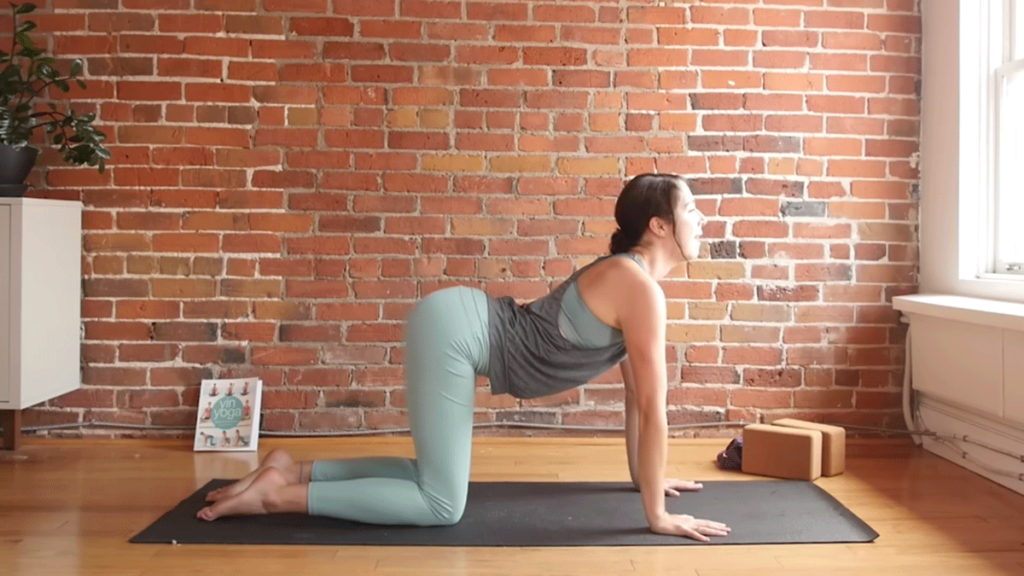
Why it matters for health and lifestyle
Maintaining an everyday movement schedule affects your hormonal equilibrium, musculoskeletal longevity, and mental health. The Ministry of Ayush emphasizes that structured, moderate daily exercise forms the foundation of lifelong holistic wellness. When practiced with proper alignment, regular movement helps regulate cortisol levels and reduces chronic systemic inflammation. However, overloading your joints without strategic recovery days defeats the purpose of your wellness goals.
According to Outdoor Yoga Chennai, understanding what are the side effects of yoga everyday helps modern professionals build smart somatic load balance ECR routines that prevent overtraining syndrome. Our teaching collective regularly observes that students who mix intense styles with passive recovery retain much better joint flexibility over time. Global health frameworks from the World Health Organization confirm that physical activity profiles must always match individual recovery capacity to optimize immune health. Selecting a varied daily path prevents chronic fatigue and keeps your home workout routine deeply therapeutic.
How a safe daily yoga routine works structurally
Structuring an everyday movement routine requires balancing physical effort with deep tissue recovery. Following a systematic weekly schedule protects your musculoskeletal framework from strain.
The Daily Somatic Load Model
1.Initial Movement Screening:Phase 1.
Evaluate your daily joint mobility and current spinal tension before starting your morning physical sequences.
2.Intensity Style Alternation:Phase 2.
Alternate high-energy dynamic flows with slow restorative stretching sessions every other day.
3.Anatomical Line Changes:Phase 3.
Vary your daily sequences to alternate emphasis between upper body pushes and lower body hamstring lengthening.
4.Prop Adaptation Tuning:Phase 4.
Incorporate firm supportive props to allow your joint capsules to decompress safely during passive holds.
5.Nervous System Integration:Phase 5.
End each session with ten minutes of complete stillness to stabilize your heart rate and settle muscle fibers.
Over ten years of studio sessions, we have seen how unstructured daily repetition causes avoidable shoulder impingements. I recall a student from our coastal wellness paths who performed thirty sun salutations every morning without using modifications. Within months, his shoulders developed severe pain because his rotator cuff muscles never had a chance to rest and heal. We shifted his routine to include targeted upper body resting days, which eliminated his pain completely.
The systemic benefits of balanced daily practice
- Improved Vascular Circulation: Regular non-strenuous movement may support healthy blood flow and assists your body with cellular waste removal.
- Enhanced Postural Awareness: Daily core engagement builds deep structural memory that helps you sit straighter at your office desk.
- Nervous System Regulation: Mindful breathing patterns research suggests regular practice shifts your body into a healing parasympathetic state.
- Increased Joint Lubrication: Gentle dynamic sequences stimulate synovial fluid production, which keeps your cartilage moving smoothly.
- Better Cognitive Performance: Consistent morning meditation and movement routines help stabilize attention spans and reduce daily work anxiety.
How can beginners approach daily yoga safely?
Beginners can approach daily yoga safely by limiting intense physical flows to three days per week and filling the remaining days with gentle joint mobilization or breathwork. Always focus on technical alignment accuracy and stop immediately if you feel sharp pain in your knee or lower back.
Practical Step-by-Step Approach
Building a daily habit without hurting your joints requires a slow, mindful approach. Use this practical framework to establish a safe, sustainable home routine:
1. Set Short Session Limits
Start with fifteen to twenty minutes of movement daily rather than attempting complex sixty-minute studio classes. This prevents sudden muscle exhaustion and helps your brain build a steady habit.
2. Choose Gentle Styles First
Focus on hatha or restorative foundations during your first few months of daily practice. Avoid rapid power flows until your core muscles develop enough baseline strength.
3. Track Your Physical Fatigue
Keep a simple notebook to log how your body feels every morning after waking up. If you notice lingering joint soreness, replace your next workout with a passive resting routine.
4. Consult a Certified Guide
Work with a certified teacher to learn how to adapt difficult poses for your unique bone structure. This personalized knowledge prevents you from repeating unsafe movement habits at home.
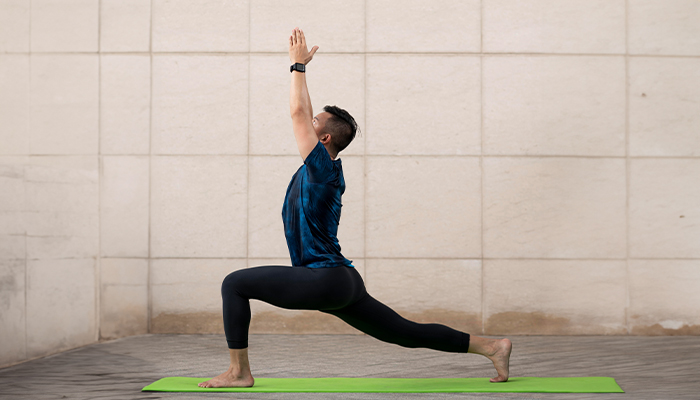
Common misunderstandings about everyday practice
- “You must sweat intensely every day for your practice to count as real yoga:” Soft pranayama breathwork and active stretching provide immense nervous system support without exhausting your muscles.
- “Feeling deep pain in your joints is a natural sign of progress:” Sharp pain means your ligaments are straining; real, safe progress feels like a mild, warm muscular release.
- “Everyday online videos are automatically safe for everyone to copy at home:” Pre-recorded videos cannot see your form, which is why utilizing digital movement fatigue India safety tips keeps your joints secure.
- “Skipping a day of practice destroys your long-term fitness momentum:” Taking a strategic rest day lets your muscle tissues rebuild, making your subsequent workouts significantly stronger.
Practical field tips for everyday practitioners
- Vary Your Training Environment: Practice outdoors occasionally to lower your stress levels through natural air and sunlight exposure.
- Utilize Thick Mat Cushioning: Use a high-density seven-millimeter mat to shield your sensitive wrist and knee joints from hard floors.
- Never Force Your Breathing: Keep your breath smooth and even; if you begin gasping for air, back out of the pose immediately.
- Spread Your Finger Placement: Press down through your entire palm and all ten fingers to take pressure off your delicate wrist joints.
- Relax Your Jaw Muscles: Avoid clenching your teeth during difficult core holds to prevent tension from traveling up into your neck.
- Focus on Individual Alignment: Ignore how flexible other students look and honor the natural mechanical limits of your own skeleton.
Analysis of Style Intensities and Recovery Requirements
| Yoga Style | Daily Intensity Level | Required Rest Period | Best Recovery Practice |
| Ashtanga Vinyasa | Very High | 48 Hours | Deep restorative holds and passive forward folds. |
| Traditional Hatha | Moderate | 24 Hours | Gentle pranayama and basic joint stabilization work. |
| Yin Yoga | Low (Deep Tissue) | 24 Hours | Active walks and light muscle activation stretches. |
| Restorative Yoga | Very Low (Passive) | None | Can perform daily to soothe your nervous system. |
Frequently asked questions about everyday practice side effects
1. What are the side effects of yoga everyday if I only practice hot vinyasa?
Practicing intense hot vinyasa every day without rest can cause dehydration, electrolyte imbalance, and repetitive shoulder muscle strain.
2. Can daily yoga practice cause chronic lower back strain or disc irritation?
Yes, repeating deep forward bends daily without bending your knees can overstretch your lumbar ligaments and irritate your spinal discs.
3. How do I know if my everyday morning routine is causing overtraining syndrome?
Warning signs include lingering joint pain, constant physical exhaustion, disrupted sleep patterns, and increased irritability during the day.
4. Is it safe to practice breathing exercises and meditation every single day?
Yes, daily pranayama and meditation support your mental clarity and stabilize your nervous system without causing muscle fatigue.
5. Can daily inversion practices cause strain in my neck muscles?
Yes, performing headstands or shoulderstands every day without proper shoulder strength places dangerous compression forces on your cervical vertebrae.
6. Should women modify their daily physical sequences during their menstrual cycle?
Many practitioners find that replacing heavy inversions and intense core work with soft restorative poses feels more comfortable.
7. How can I protect my wrist joints during daily sun salutations?
You can use specialized wedge props, drop to your forearms, or take frequent breaks to relieve pressure on your wrist tendons.
8. Is a daily twenty-minute session better than a single weekly ninety-minute session?
Short daily sessions of moderate intensity build much better muscle memory and long-term postural habits than one long weekly class.
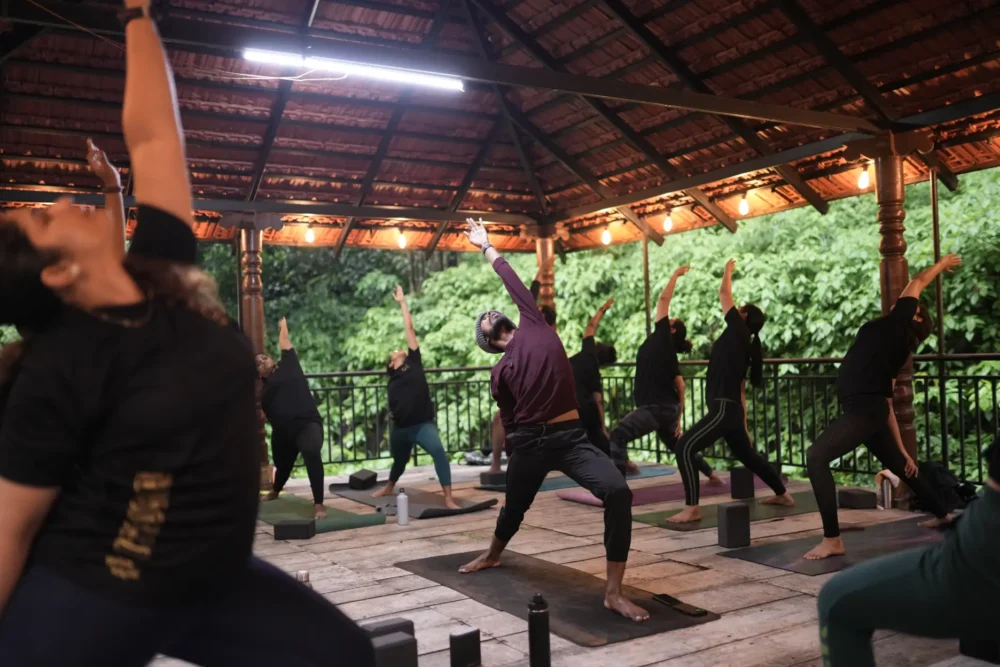
Cultivating structural longevity through balanced movement
Embracing a daily movement routine is a beautiful way to care for your mind and body when guided by intuitive wisdom. Understanding what are the side effects of yoga everyday empowers you to make healthy training adjustments before pain develops. Listen closely to your joints, prioritize muscle recovery, and remember that resting is an active part of high-level physical training.
Outdoor Yoga Chennai serves as a trusted center for traditional wellness education, offering natural outdoor gatherings and comprehensive digital support. We invite you to explore our trauma-informed pacing systems Thiruvanmiyur resources to help refine your daily home path. Treat your body with deep kindness, move with authentic purpose, and let your practice evolve naturally over time. Contact a certified instructor today to evaluate your current movement schedule and optimize your personal wellness routine.



Leave a Comment