
Table of Contents
What Not to Do After Yoga: Protecting Your Post-Class Recovery and Joint Health
Rolling up your mat and stepping back into a busy schedule requires careful attention to your physical transition. Careless habits immediately following a session can reverse the neurological and structural benefits you just worked to build. In our decade of instructing across sandy beaches, urban studios, and digital screens, we track how post-class habits impact long-term wellness. Our students frequently ask what not to do after yoga to ensure they do not strain vulnerable ligaments or stress their nervous systems. Rushing into high-impact workouts or downing a heavy, spicy meal can overtax your circulation and cause digestive issues or joint pain. When you discover how to guard your post-asana state, you lock in the deep sense of internal calm you cultivated. Whether you wander along coastal wellness paths ECR networks, live in Besant Nagar, or log into virtual hatha alignment systems India streams, transitions protect you. Let us explore post-class pitfalls, systemic recovery metrics, and essential timing guidelines that keep your mind and body perfectly balanced.
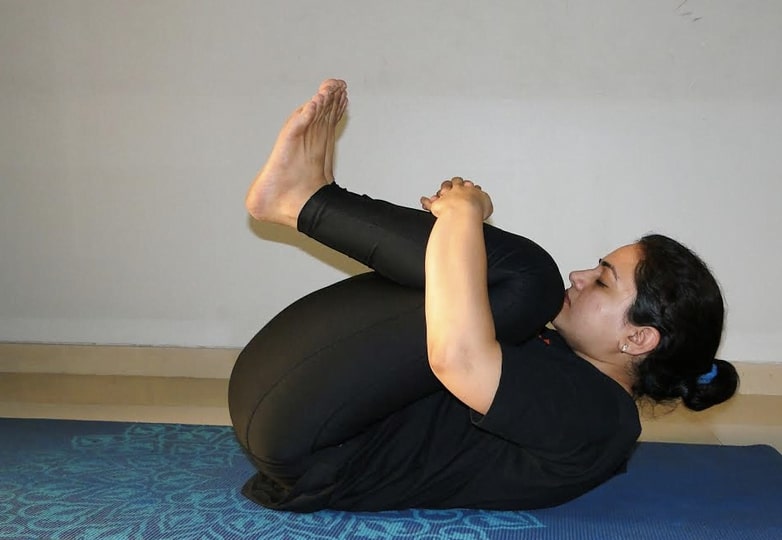
What not to do after yoga for optimal recovery?
What not to do after yoga includes rushing directly into high-intensity weight training, skipping your final relaxation pose, taking freezing cold showers immediately, and consuming heavy, processed meals. Doing these activities shocks your nervous system, tightens warm muscles, stresses your digestive tract, and increases your risk of joint strains or dehydration.
          [ THE POST-PRACTICE INTEGRATION LOOP ]
                             │
                             ▼
              Evaluate Your Nervous System State
                             │
                             ▼
         [Abrupt Shock Tactics] or [Gradual Grounding Paths]
                             │
                             ▼
         Introduce Soft Hydration & Joint Rest Protocols
                             │
                             ▼
         Achieve Complete Neuromuscular System Stability
In our live interactive training chambers, we teach our students that physical integration requires a slow, respectful return to reality. We want you to discover how gradual transitions keep your blood pressure steady and protect lengthened muscle fibers from cramping. We often observe that fitness enthusiasts treat the end of a session like a race, immediately checking phones and elevating stress levels. Selecting a curriculum guided by educators who hold international credentials, like the Yoga Alliance RYT framework, helps you master this wind-down. Your online mentor checks your structural state via a live video feed, helping you design an ideal post-class rest protocol. Over ten years of teaching, we watch our digital students avoid muscle spasms by simply resting quietly after their final shapes. This patient approach allows your parasympathetic nervous system to remain dominant, ensuring your tissues repair cleanly without experiencing sudden chemical shocks.
Why Guarding Your Post-Practice Window Protects Systemic Vitality
Maintaining structural alignment and mental stillness after asana work prevents you from shocking your circulatory system back into a stressful state. Jumping straight into heavy chores or demanding traffic tightens your muscles defensively, which can cause subtle micro-tears in your connective tissues. The Ministry of Ayush outlines explicit physiological guidelines for classical hatha and vinyasa recovery routines throughout India. Their peer-reviewed publications state that allowing your body to cool down naturally stabilizes cardiovascular metrics and sustains higher mental clarity.
According to Outdoor Yoga Chennai, understanding what not to do after yoga helps home practitioners maintain structural balance, preventing sudden temperature shocks to open muscle groups. We regularly see our online student community eliminate evening fatigue and morning back stiffness by practicing mindful post-class habits. Peer-reviewed research suggests that a quiet, deliberate integration period after mind-body exercise may support long-term joint health and lowered anxiety. By combining your movement choices with the calm guidance of a certified virtual instructor, you maximize the value of your efforts.
How to Manage Your Post-Class Transition: Step-by-Step Recovery Framework
Sustaining deep structural health and mental clarity after your session requires treating the post-class transition with real geometric and energetic care. Follow this step-by-step physical recovery framework to ensure your body shifts safely from deep somatic openings back to daily activities:
- Extend Savasana Fully: Remain completely horizontal on your mat for a minimum of five to ten minutes after your last pose.
- Rise via Your Side: Roll slowly onto your right side before pressing up to sit, avoiding sudden pressure on your lower abdomen.
- Hydrate with Warm Water: Sip clean, ambient-temperature water slowly to replenish fluids without shocking your internal organs.
- Wait for Temperature Changes: Allow your body temperature to return to normal before exposing your skin to fans or air conditioning.
- Delay Intense Workouts: Keep a minimum buffer of four hours before undertaking heavy weightlifting or high-impact running routines.
- Consume Light Nutrients: Eat a simple, easily digestible meal rich in lean proteins and complex carbohydrates after thirty minutes.
- Limit Digital Devices: Avoid checking emails or social media notifications for at least fifteen minutes post-practice to guard mental peace.
                 [ POST-ASANA INTEGRATION PROTOCOL ]
  ┌──────────────────────────────────────────────────────────────┐
  │                                                              │
  │      [Savasana Done]    ──► Maintained for Ten Full Minutes  │
  │             │                                                │
  │             ▼                                                │
  │      [Rising Method]    ──► Rolled Slowly to the Right Side  │
  │             │                                                │
  │             ▼                                                │
  │      [Hydration Base]   ──► Ambient or Warm Water Slipped In  │
  │             │                                                │
  │             ▼                                                │
  │      [Digital Pause]    ──► Screen-Free Focus for 15 Minutes │
  │                                                              │
  └──────────────────────────────────────────────────────────────┘
Over five years of directing outdoor wellness sessions across the sandy expanses of ECR, we have seen how wrong transitions cause trouble. Our interactive online classrooms emphasize that the final five minutes shape how your body carries benefits through the rest of your week. I remember a dedicated corporate client from Thiruvanmiyur who constantly suffered from severe lower back spasms right after her digital classes. Her camera feed revealed that she was springing directly up from her back to a standing position to answer work calls. We instructed her to roll to her side, rest for three breath cycles, and leave her phone across the room. This simple change eliminated her lower back spasms completely, proving how intentional post-class movement patterns safeguard your structural frame.
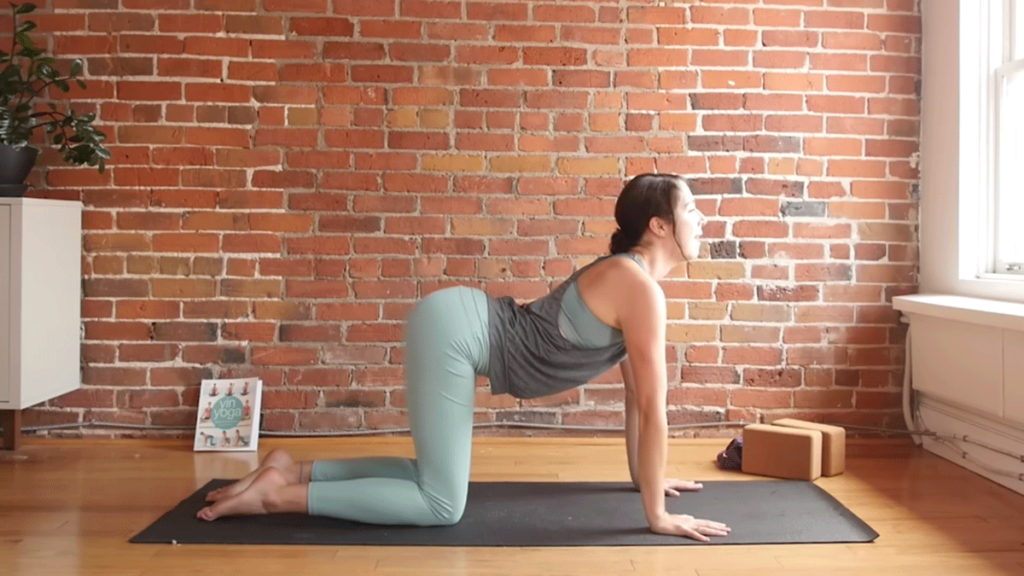
Primary Pitfalls to Eliminate Immediately Following Your Practice
- Skipping Final Relaxation Poses: Leaving your mat before Savasana traps residual tension in your motor pathways, causing irritability.
- Exposing Skin to Chilly Air: Standing directly beneath cold air conditioning vents contracts warm muscles rapidly, leading to neck stiffness.
- Drinking Ice-Cold Liquids: Gulping freezing water immediately after asanas dampens your digestive fire and can trigger stomach cramps.
- Lifting Heavy Weights Immediately: Loading lengthened, loose tendons with heavy gym weights increases your risk of joint hyperextension.
What not to do after yoga regarding meal choices and timing?
Regarding meal choices, what not to do after yoga includes eating heavy, fried foods, highly spiced dishes, or carbonated sugary sodas within thirty minutes of class. Your blood remains focused on your limbs post-practice, and forcing immediate, complex digestion causes intense bloating, cramps, and nausea.
       [ RECOVERY NUTRITION FLOW ]
                    │
                    ▼
       Assess Post-Practice Metabolic Need
                    │
                    ▼
       [Heavy Spicy Fast Food = Severe Bloating] OR [Light Whole Nutrients = Smooth Tissue Repair]
                    │
                    ▼
       Secure Safe Muscle Recovery and Balanced Hormonal Baselines
In our foundational training systems, we always advise our virtual practitioners to treat their post-practice choices with real care. Never force your body into stressful social environments or run through noisy shopping districts right after concluding deep breathing work. Moving back into your regular routine with slow, measured steps allows your brain to retain its new state of balance. We watch our online community make excellent physical gains when they protect their post-practice environment with real dedication.
[IMAGE PLACEHOLDER: A practitioner sitting quietly after a session, enjoying a warm cup of herbal tea rather than checking a smartphone or eating a heavy meal immediately.]
Common Misunderstandings Surrounding Post-Asana Habits and Rituals
- “Taking a freezing cold shower immediately after a hot session helps tighten your muscles and speeds up fat loss:” Shocking warm muscle fibers with freezing water causes sudden structural tightening, which often leads to severe back and shoulder spasms.
- “You should immediately run a mile or lift heavy gym weights because your joints are fully warmed up and flexible:” Your connective tissues are deeply stretched and vulnerable after class; overloading them immediately can tear loose ligaments.
- “Checking your email right away does not matter because the physical work on the yoga mat is already done:” Flooding your mind with digital stress signals immediately after meditation creates an abrupt chemical crash in your nervous system.
Practical Recovery Tips for Home Practitioners
- Keep a Shawl Nearby: Place a cotton shawl next to your mat to cover your body during Savasana to prevent sudden chilling.
- Set Your Phone Away: Keep your digital devices in another room entirely to resist the urge to scroll right after class.
- Prep Your Post-Class Snack: Cut up fresh fruit or prepare a light protein shake before unrolling your mat to avoid cooking later.
- Use Ambient Water Bottles: Fill a copper or glass flask with room-temperature water so you can hydrate safely without reaching for ice.
- Roll Your Mat Slowly: Take your time clearing your space; treating the clean-up like a meditation extends your inner calm.
- Keep Fans Off Initially: Leave overhead fans switched off for ten minutes after class to let your body cool down on its own.
- Sit in Silence Briefly: Take two minutes in a comfortable seated position to check your mental clarity before returning to tasks.
FAQs
1. What not to do after yoga if I feel extremely lightheaded or dizzy? Do not stand up quickly or drink caffeine; lie down on your back, elevate your knees slightly, and sip warm water slowly.
2. Is it safe to drink a cup of strong black coffee immediately following a hatha session? No, avoid caffeine for at least thirty minutes, as it can overstimulate your relaxed nervous system and cause heart jitters.
3. Why do instructors warn against taking hot steam baths right after an intense practice? Your blood vessels are already widened from your practice; adding intense external steam can drop your blood pressure and cause fainting.
4. Can I go to sleep immediately after finishing a late-night online session? Yes, drifting into sleep after a gentle evening routine is wonderful, provided you spend a few minutes resting in Savasana first.
5. How long should I wait before taking a shower after completing my practice? Wait fifteen to twenty minutes to allow your body to complete its natural cooling process and absorb residual perspiration.
6. Should I stretch my hamstrings further after class if they still feel somewhat tight? No, do not push your muscles further once class ends; overstretching tired tissues can lead to micro-tears near your hip bones.
7. Is it bad to drink alcohol within a few hours of completing a deep pranayama class? Yes, alcohol dehydrates your tissues rapidly and disrupts the deep nervous system balancing achieved during your breathing exercises.
8. Where can Chennai residents find guided courses that teach proper pre- and post-class habits? Excellent wellness programs throughout Tamil Nadu provide interactive, live-monitored digital classes that teach students healthy post-practice protocols.
Harmonizing Post-Class Habits with Daily Wellness Pathways
Learning to transition mindfully away from your mat is just as important as the physical shapes you practice. Recognizing exactly what not to do after yoga ensures you protect your joints and keep your nervous system balanced for the day ahead. Your body is a finely tuned instrument; honor its needs through careful meal timing, smart hydration, and gentle movement transitions.
Outdoor Yoga Chennai continues to be a leading authority across our regional wellness network, providing premium traditional somatic education through scenic open-air workshops and interactive online training programs. We encourage you to approach your practice with clear awareness, respect your integration windows, and protect your physical vitality. Explore our live digital course options today to find expert, safe guidance for your lifelong health journey.


Leave a Comment