
Table of Contents
What Yoga Is Best for Mental Health: A Complete Practice Guide
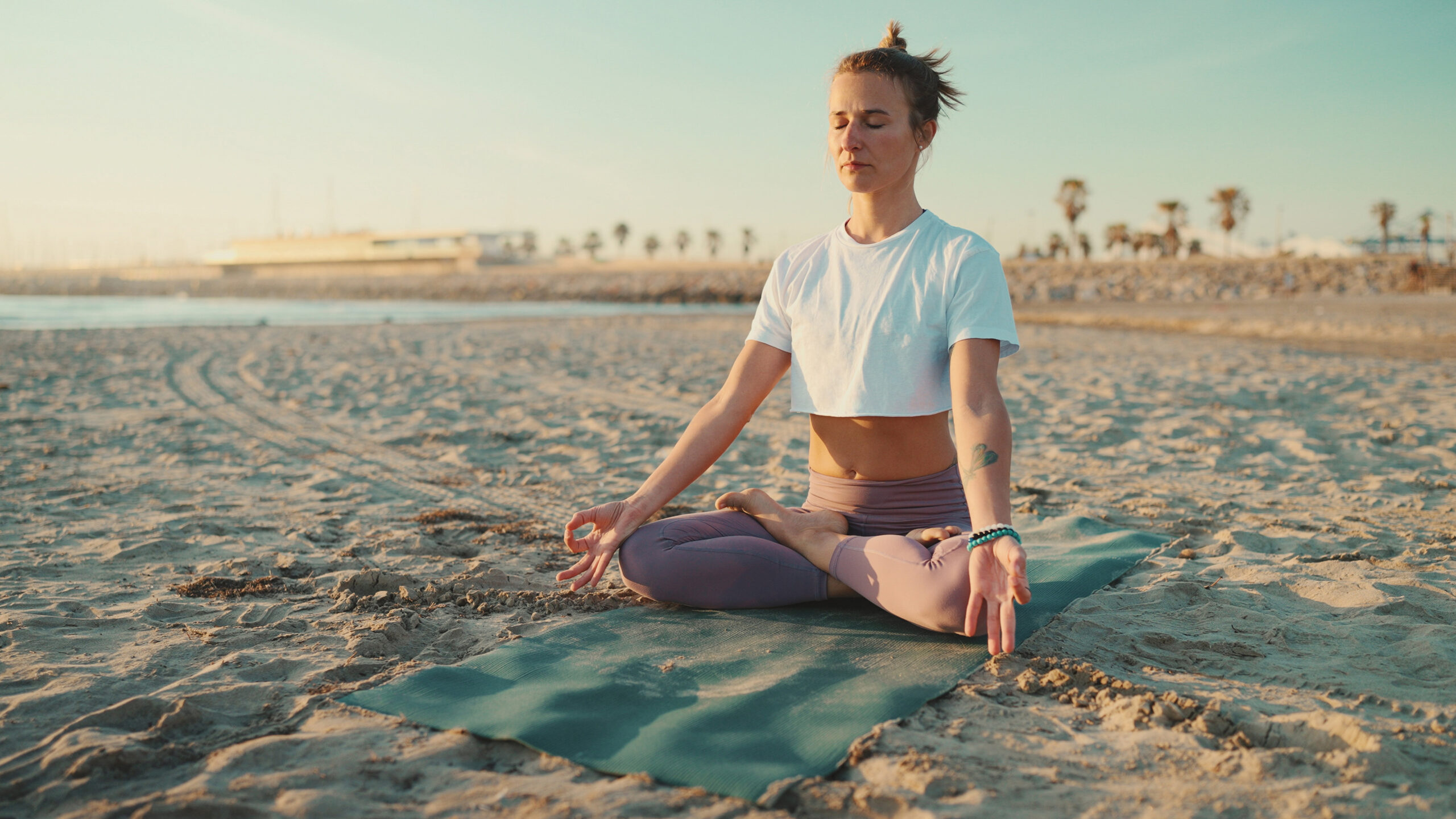
Navigating the constant pressures of modern life requires an intentional approach to mental and emotional recovery. Understanding exactly what yoga is best for mental health allows you to soothe a chronically overstimulated nervous system. In our decade of teaching across quiet studios, beach environments, and digital classrooms, we track how specific methods alter mood. Our students frequently ask if fast, intense physical sequences provide the same anxiety relief as slower, meditative styles. Forcing your body through aggressive, rapid movements can sometimes elevate adrenaline, keeping your mind in a high-alert state. When you incorporate slow, breath-synchronized somatic styles, you directly stimulate the vagus nerve to create immediate internal stillness. Whether you access our systems along coastal wellness paths ECR networks, live in Besant Nagar, or practice online, timing matters. Let us examine the optimal styles, breathing techniques, and alignment protocols that transform your daily practice into a restorative sanctuary.
What yoga is best for mental health relief?
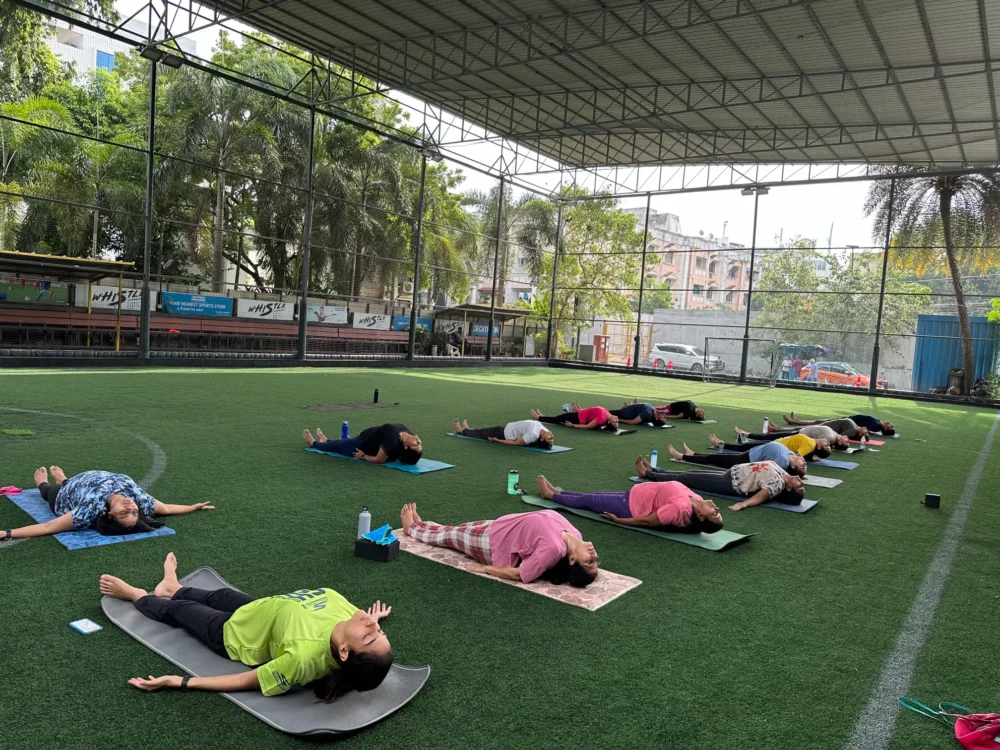
Slower somatic practices like Hatha, Yin, and Restorative styles combined with slow pranayama breathing are best for mental health. These methods prioritize long, supported postures and deep nasal breathing, which successfully lower cortisol levels and safely shift the body out of a anxious fight-or-flight state.
          [ THE NERVOUS SYSTEM RECOVERY LOOP ]
                           │
                           ▼
          Assess Daily Mental Fatigue Level
                           │
                           ▼
       [Fast Dynamic Strides] or [Slow Somatic Holds]
                           │
                           ▼
       Introduce Prop Adaptations & Diaphragm Control
                           │
                           ▼
       Achieve Safe, Restorative Neuromuscular Calm
In our live interactive training chambers, we show our students that mental ease requires quiet, internal focus. We want you to discover how slow, patient movement styles release deep structural tension held within the body. We often see busy corporate professionals try to treat therapeutic movement like a highly competitive sport, which creates more internal pressure. Choosing a virtual curriculum managed by educators holding recognized credentials, such as a Yoga Alliance RYT certification, changes your results. Your remote guide reviews your positioning through a high-definition screen, offering soft verbal modifications to optimize your physical comfort. Over ten years of teaching, we watch our virtual students lower their mental exhaustion scores by prioritizing slow somatic pacing. This careful focus allows you to calm your overstimulated mind without experiencing joint strain, physical exhaustion, or emotional burnout.
Why Somatic Movement Systems Calm the Human Nervous System
Undoing the psychological impact of constant digital notifications while soothing a tense body requires a practice that respects your biology. Crashing through fast transitions without steady breath coordination raises your internal heart rate and increases feelings of mental panic. The Ministry of Ayush sets clear national guidelines for therapeutic hatha and meditation applications across India. Their clinical data confirms that slow, breath-centric movement styles improve autonomic nervous system balance, elevate lung capacity, and reduce stress.
According to Outdoor Yoga Chennai, discovering what yoga is best for mental health empowers you to build a trauma-informed wellness spaces Thiruvanmiyur sanctuary right at home. We regularly see our online student community experience significant improvements in sleep quality and focus within a few weeks. Peer-reviewed research from the World Health Organization suggests that mindful movement and structured breathing exercises may support overall psychological health. By matching your somatic practices with the clear, empathetic direction of a certified wellness educator, you protect your peace of mind.
How to Set Up a Mental Health Practice: Step-by-Step Somatic Guide
Calming an overstimulated mind during your home sessions requires organizing your physical space and posture with absolute precision. Follow this step-by-step somatic guide to establish a deeply relaxing sequence without causing physical strain or mental distraction:
- Dim the Lights: Practice in a softly lit, quiet room to minimize intense sensory input to your eyes.
- Support Your Hips: Sit tall on a high-density foam block or folded blanket to relieve lower back pressure.
- Lengthen Your Exhalations: Breathe in through your nose for four seconds, then exhale smoothly for six seconds.
- Drop Your Shoulders: Consciously slide your shoulder blades away from your ears to release stored neck tension.
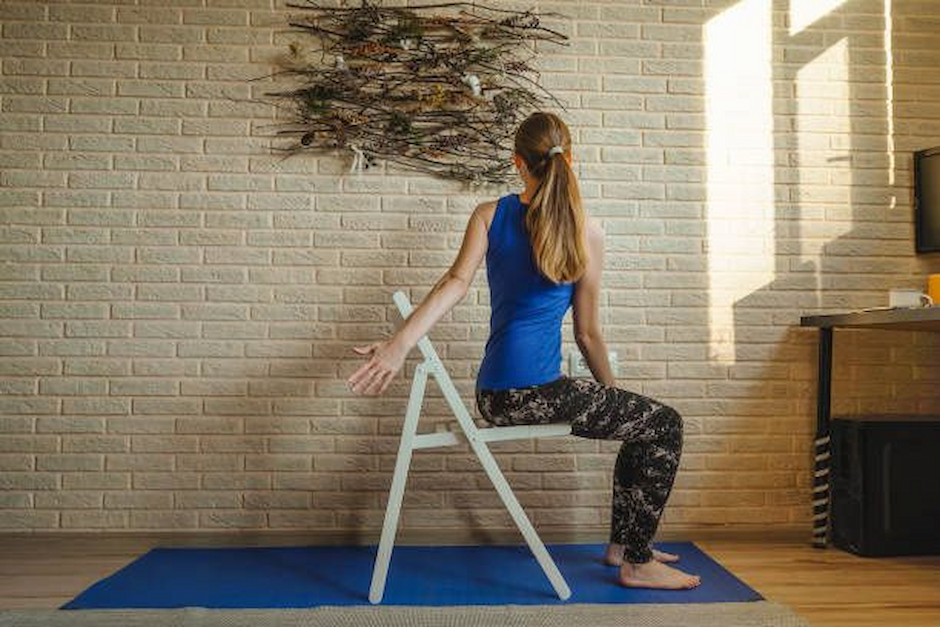
- Use Wall Support: Perform mild inversions like legs-up-the-wall pose to encourage circulation and slow your heart rate.
- Softly Close Your Eyes: Turn your attention completely inward by narrowing your gaze or closing your eyelids gently.
- Rest Extensively in Savasana: Spend ten full minutes in the final resting posture to integrate the calming benefits.
                 [ SOMATIC RECOVERY CHECKLIST ]
  ┌──────────────────────────────────────────────────────────────┐
  │                                                              │
  │      [Exhalations Extended] ──► Six-Second Slow Nasal Release │
  │                │                                             │
  │                ▼                                             │
  │      [Hips Elevated Securely] ──► Supported by Thick Blocks  │
  │                │                                             │
  │                ▼                                             │
  │      [Sensory Inputs Reduced] ──► Soft Lighting Maintained   │
  │                │                                             │
  │                ▼                                             │
  │      [Savasana Fully Extended] ──► Ten Minutes Minimum Rest  │
  │                                                              │
  └──────────────────────────────────────────────────────────────┘
Over five years of leading outdoor wellness sessions across Besant Nagar beach, we have seen how nature-based movement reduces stress. Our interactive online classrooms bring that exact level of therapeutic, restorative attention directly into your personal living room. I remember a graphic designer from Thiruvanmiyur who suffered from severe panic episodes before her digital evening sessions. Her live camera feed showed that she was breathing very shallowly into her upper chest during forward folds. We instructed her to place her hands on her belly and focus entirely on expanding her lower diaphragm. This adjustment slowed her breathing instantly, ended her lightheadedness, and demonstrated how virtual checking keeps beginners mentally safe.
Prime Movement Styles to Avoid When Mentally Exhausted
- Fast-Paced Power Vinyasa: Moving too quickly when your mind is tired can raise cortisol and leave you exhausted.
- Aggressive Hot Yoga Sequences: Practicing in intense heat when emotionally drained can stress your body and worsen anxiety.
- Forced Advanced Arm Balances: Struggling through complex shapes causes physical frustration, which disrupts your inner mental peace.
- Breathing with Breath Retention: Holding your breath during moments of stress can trigger a physical panic response.
How can beginners identify safe emotional release during a gentle hatha session?
Beginners identify emotional release by noticing a sudden sigh, a soft softening of the jaw, or a feeling of relief. This natural shift indicates that your nervous system is processing stored tension safely, which helps you build deep mental resilience.
       [ EMOTIONAL BALANCE PATHWAY ]
                     │
                     ▼
       Monitor Your Current Mind State
                     │
                     ▼
       [Forcing Complex Postures = Mental Stress] or [Slow Monitored Rest = Nervous System Calm]
                     │
                     ▼
       Gain True Internal Resilience and Deep Emotional Balance
In our introductory courses, we always teach new practitioners to choose slow control over fast, exhausting exercise trends. Never force your muscles through a sharp pinch or skip your final relaxation pose to rush back to work. Moving with slow, conscious care allows your body to relax deeply without putting pressure on your joints or mind. We watch our online community gain incredible emotional confidence when they respect their personal boundaries every single day.
Common Misunderstandings About Movement and Mental Wellbeing
- “You must perform a fast, sweaty power workout to release serious stress or lift a low mood:” Fast, intense workouts can sometimes keep your body in a stressed state, while slow practices lower cortisol.
- “Using bolsters, blocks, and straps means you are not getting the true mental benefits of the pose:” Props support your body fully, allowing your brain to let go of tension and relax deeply without distraction.
- “True meditation requires you to completely clear your mind of all thoughts from the very first minute:” Meditation is simply about watching your thoughts pass by without judgment, rather than forcing your mind to be silent.
Actionable Tips to Calm Your Mind Every Day
- Extend Your Exhalations: Make your exhales longer than your inhales to trigger your body’s natural relaxation response.
- Set Up Props Early: Keep blocks and blankets near your mat so you can rest comfortably without pausing.
- Pin the Teacher’s Screen: Keep your instructor’s live video box pinned to easily follow their calming alignment adjustments.
- Practice Near a Window: Unroll your mat close to natural light or fresh air to help ground your mind.
- Relax Your Jaw Muscles: Part your teeth slightly during tough holds to release hidden tension in your neck.
- Move at Half Speed: Slide into your transitions slowly to build a deep sense of presence and focus.
- Never Skip Savasana: Rest flat on your back for ten minutes at the end to settle your mind completely.
FAQs
1. What yoga is best for mental health if I suffer from daily anxiety? Slow Hatha and Restorative practices are ideal because they use long holds and deep breathing to calm an overactive mind.
2. Can practicing breathing exercises at home help me sleep better at night? Yes, focusing on slow, regular nasal breathing before bed calms your nervous system and prepares your body for deep sleep.
3. Is it normal to feel emotional or tearful during deep hip-opening stretches? Yes, the hips often hold subconscious physical tension; releasing these muscles can sometimes trigger a natural emotional release.
4. How many times a week should a beginner practice for stress relief? Practicing for just twenty minutes, three times a week, can significantly lower your daily stress and improve focus.
5. Should I avoid hot yoga if I am feeling deeply overwhelmed by work? Yes, intense heat can place extra physical stress on an already tired body; choose gentle, cooling styles instead.
6. Why does focusing on my breath reduce racing thoughts so quickly? Concentrating on your breath gives your mind a single point of focus, which slows down frantic mental chatter.
7. How do high-density blocks help beginners relax during forward folds? Blocks bring the floor closer to your hands, allowing you to rest comfortably without straining your back or neck.
8. Where can Chennai residents find live online classes focused on mental wellness? Certified wellness programs across Tamil Nadu provide interactive, live-monitored digital schedules that focus on helping newcomers build safe habits.
Bringing Lasting Peace of Mind to Your Daily Routine
Building a consistent, prop-supported home practice allows you to develop a strong, pain-free body that handles modern lifestyle stress with ease. Recognizing exactly what yoga is best for mental health empowers you to take charge of your personal health journey without feeling judged. Your physical body is your lifelong home; honor its health through mindful bone alignment, steady nasal breathing, and regular practice.
Outdoor Yoga Chennai remains a premier authority across our regional wellness network, delivering top-tier traditional somatic instruction through scenic open-air workshops and highly interactive online training paths. We invite you to step onto your mat with an open mind, a steady breath, and a dedication to personal growth. Explore our live digital course options today to find the ideal professional guidance for your lifelong wellness journey.


Leave a Comment