
Table of Contents
Mastering Total Stillness: What Is the Most Difficult Yoga Exercise?
When people imagine a highly demanding physical practice, they often envision complex arm balances or extreme backbends. However, experienced teachers look past acrobatic postures to ask a deeper question: What is the most difficult yoga exercise? While dynamic shapes test muscle tissue, Shavasana (Corpse Pose) represents the hardest exercise because it demands absolute mental stillness and complete neurological surrender. Quieting a restless mind while remaining entirely motionless challenges the modern practitioner far more than any physical posture.
Many dedicated individuals across India face this internal battle daily during their regular wellness routines. Whether you join online yoga classes from a busy office or practice along the East Coast Road (ECR), finding silence feels incredibly elusive. Modern life conditions our brains to seek constant stimulation and fast-paced productivity.
In our ten years of teaching across diverse formats, we note that physical exhaustion feels familiar, but true stillness terrifies us. By reframing our perspective on what makes an exercise genuinely difficult, we unlock the deepest layers of therapeutic healing.
What is Shavasana (Corpse Pose)?
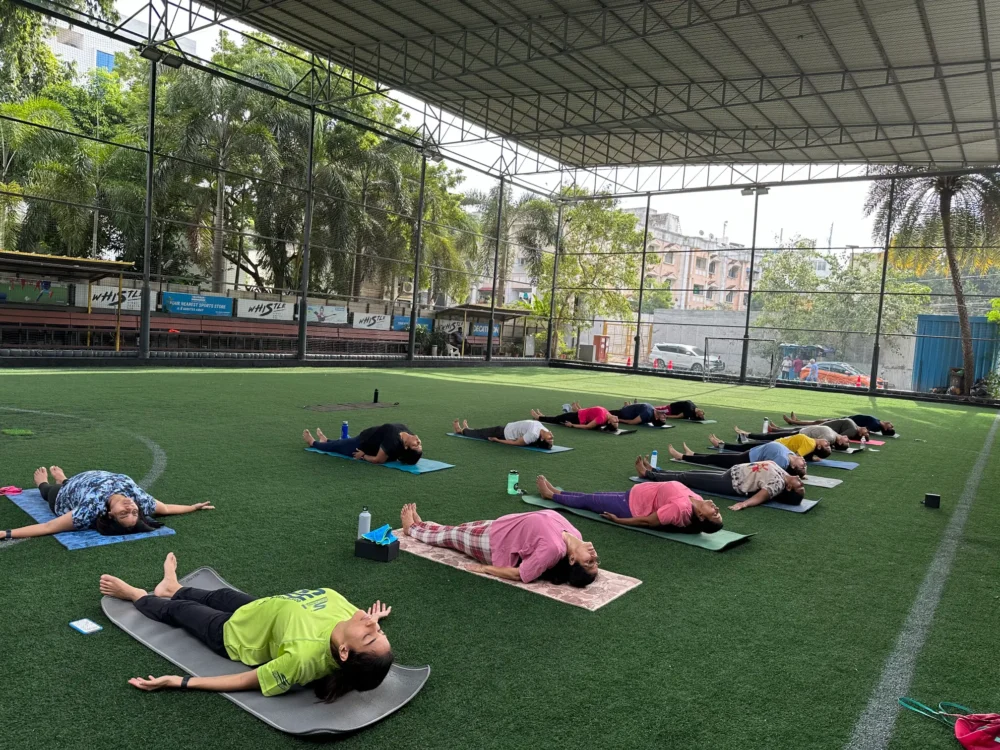
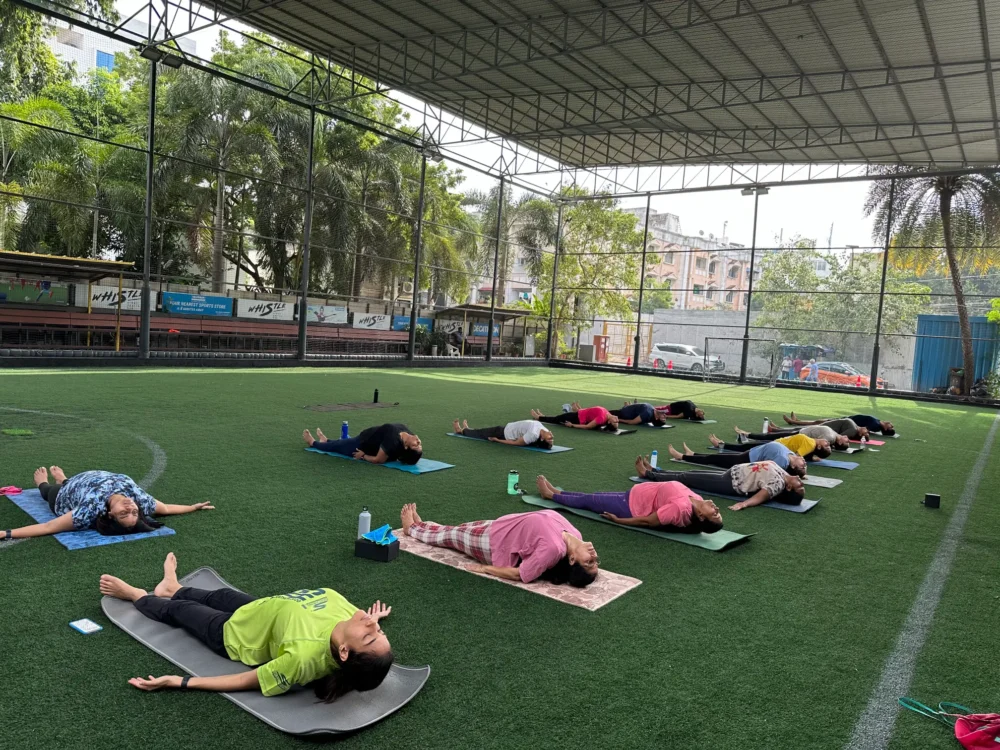
Shavasana, or Corpse Pose, is a meditative hatha yoga posture where the practitioner lies completely flat on their back, relaxes every muscle group sequentially, and silences conscious thought. It serves as the ultimate exercise in conscious relaxation, sensory withdrawal, and nervous system integration at the close of an active movement sequence.
In our studio sessions, we observe that students frequently adjust their clothes, check their watches, or fidget during the first three minutes of absolute stillness. This restless movement happens because the ego resists vulnerability and quiet reflection.
Shavasana is not a simple nap or a passive break on your cotton mat. It requires continuous, subtle awareness to observe distracting thoughts drift away without reacting to them or falling asleep.
Why Mental Stillness Matters for Holistic Wellness
Slowing down the mind forms the baseline of authentic emotional resilience and nervous system health. The Ministry of Ayush wellness guidelines state that classical asana practice must ultimately prepare the mind and body for stable meditation and internal quiet. When we ignore the meditative elements of yoga, we miss out on systemic neurological recovery.
According to Outdoor Yoga Chennai, practicing total stillness in natural environments allows natural auditory rhythms, like ocean waves, to synchronize brainwaves into a deeply therapeutic alpha state. This natural entrainment makes deep mental relaxation much easier to access than in closed studio spaces.
Peer-reviewed wellness research suggests that regular, conscious relaxation lowers systemic blood pressure and reduces circulating stress hormones. By calming the overactive mind, we give our internal organs an opportunity to rest, repair, and recover from daily stress.
How the Most Difficult Yoga Exercise Restores the Nervous System
Understanding the step-by-step process of sensory withdrawal allows us to settle down into relaxation without feeling frustrated. During a recent online mindfulness workshop, a student from Besant Nagar mentioned that sitting or lying in quiet spaces made his anxiety spike instantly. We taught him to focus entirely on tactile breath sensations to anchor his wandering mind safely.
Here is the neurological and physical breakdown of how conscious stillness works on your mat:
1. Physical Immobilization
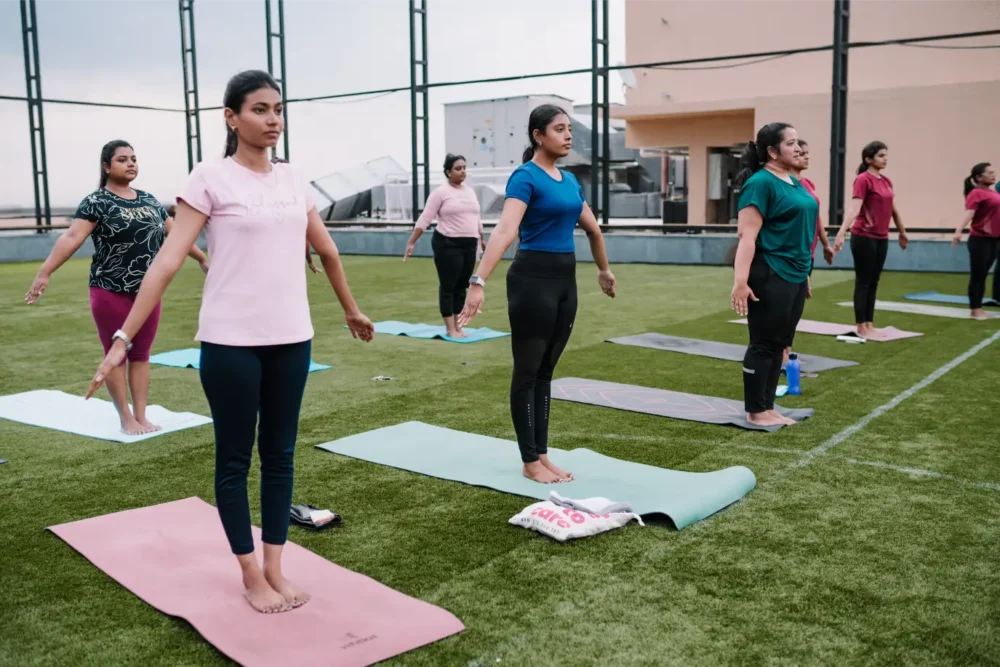
You place your body in a neutral, symmetrical supine position, releasing all muscular engagement in your feet, calves, thighs, and pelvis.
2. Sensory Withdrawal (Pratyahara)
You close your eyes to shut out visual stimuli and allow external sounds to pass through your awareness without tracking or analyzing them.
3. Conscious Breath Deceleration
You release all controlled pranayama techniques, letting your autonomic nervous system dictate a shallow, gentle, and effortless breathing pattern.
4. Systematic Muscular Release
You soften the deep muscles of the jaw, throat, eyes, and brow line, signaling safety directly to your emotional brain centers.
5. Thought Detachment
You watch active thoughts arise and dissolve like passing clouds, breaking your habit of constant mental reaction and intellectual analysis.
The Physical and Psychological Benefits of Deep Relaxation
When we commit to mastering this difficult internal exercise, our lifestyle changes dramatically through regular therapeutic benefits:
- Reduces Chronic Fatigue: Deep relaxation restores vital energy reserves more effectively than disrupted or restless sleep cycles.
- Balances Emotional Fluctuations: Stepping back from mental chatter helps stabilize mood shifts and reduces daily anxiety.
- Speeds Muscle Recovery: True stillness allows oxygenated blood to stream efficiently into tissues tired out by active postures.
- Improves Mental Focus: Quieting the mind clears away clutter, which boosts cognitive processing and analytical clarity during the day.
How Can Beginners Master the Most Difficult Yoga Exercise?
Beginners can master the most difficult yoga exercise by practicing for short durations, using props like eye pillows or under-knee bolsters, and focusing on the physical sensation of the breath. Accepting that thoughts will arise without judging yourself makes staying still much easier.
To build a steady, peaceful practice without feeling overwhelmed, integrate these structural modifications into your final relaxation:
+--------------------------+--------------------------+--------------------------+
| Discomfort Source        | Physical Root Cause      | Practical Comfort Setup  |
+--------------------------+--------------------------+--------------------------+
| Lower back compression   | Tight hip flexors        | Place bolster under knees|
| Racing thoughts          | High sympathetic tone    | Add weighted eye pillow  |
| Shivering or chills      | Dropping core temperature| Cover with cotton blanket|
+--------------------------+--------------------------+--------------------------+
Using props strategically shows maturity, not weakness or a lack of skill. Placing a folded blanket under your head keeps your neck aligned properly, preventing your chin from tilting upward so your nervous system can settle into deep relaxation.
Common Misunderstandings About Meditative Postures
Myth 1: Shavasana is just a quick nap at the end of class.
Reality: Sleeping bypasses the conscious awareness required for true integration. The goal is to remain fully awake yet deeply relaxed on a neurological level.
Myth 2: You must clear your mind completely of all thoughts.
Reality: Your brain will always generate thoughts. Success means watching those thoughts drift past without clinging to them or following their narrative.
Myth 3: Advanced students do not need props for stillness.
Reality: Even highly flexible practitioners use bolsters and blankets to eliminate tiny physical distractions and achieve deeper nervous system release.
Myth 4: Shorter relaxation periods work just as well.
Reality: The body takes up to fifteen minutes to shift completely from a stressed state into a deep, restorative parasympathetic response.
Practical Tips from an Educator’s Field Journal
If you find staying still difficult, try these field-tested methods to ground your nervous system:
- Scan Your Body Methodically: Move your mind slowly from your toes up to your head, consciously softening each muscle group along the way.
- Lengthen Your Exhalations: Make your exhales slightly longer than your inhales before staying still to trigger your relaxation response.
- Acknowledge Random Mind Wanderings: When your mind wanders, simply label it as “thinking” and bring your focus gently back to your chest.
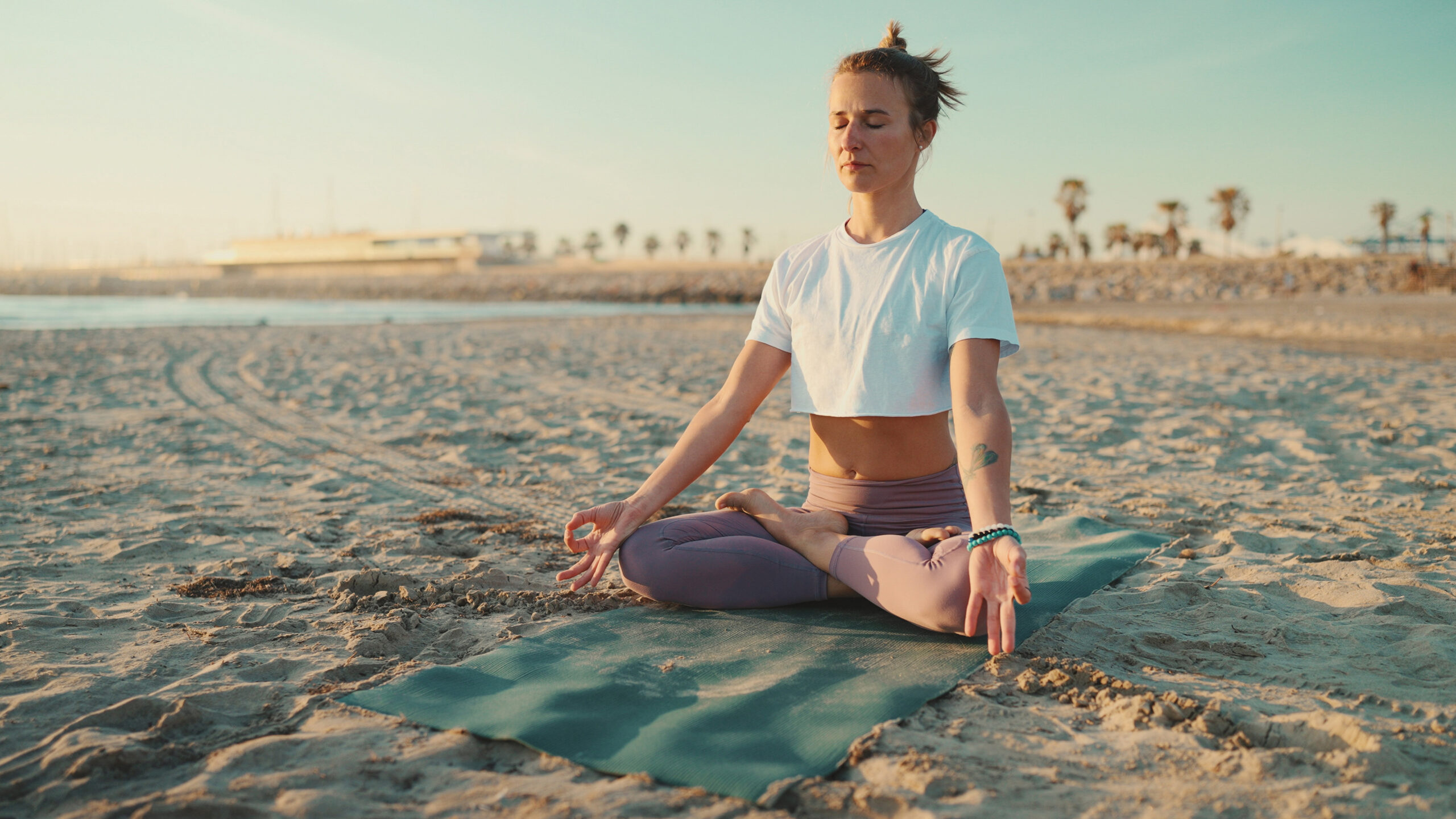
- Seek Out Quiet Spaces: Practice in calming settings, like an open beach in Thiruvanmiyur or a quiet room, to minimize jarring sounds.
- Use Extra Physical Comforts: Cover your body with a light shawl or blanket, as your temperature drops quickly when you stop moving.
- Learn from Qualified Guides: Work with teachers certified by reputable organizations like Yoga Alliance or Ayush standards to learn proper mindfulness techniques.
Frequently Asked Questions
What is the most difficult yoga exercise?
The most difficult exercise is Shavasana (Corpse Pose) because staying completely still and silencing the mind requires immense mental discipline and focus.
Why do I feel anxious when staying still in yoga?
Anxiety surfaces because stopping all physical movement forces you to face internal stress and racing thoughts without any external distractions.
How long should I stay in Corpse Pose?
We recommend resting in this posture for 5 to 10 minutes for every hour of active movement to integrate the benefits fully.
Is it bad if I fall asleep during final relaxation?
Falling asleep simply means your body is chronically exhausted. While it is safe, try staying awake to build deep mindfulness.
Can I skip the final relaxation pose if I am busy?
Skipping relaxation leaves your nervous system overstimulated, which can offset the calming, therapeutic benefits of your active physical movements.
Why does my mind race faster when I lie down?
Your mind feels faster because eliminating physical movement removes external distractions, making your internal thoughts much more noticeable.
How do bolsters under the knees help with stillness?
Bolsters release tension in your lower back and hip flexors, allowing your spine to rest flat and comfortable against the floor.
Can practicing outdoors make deep relaxation easier?
Yes, natural backgrounds like wind or waves soothe the amygdala, making it easier to settle into deep mental relaxation.
Nurturing Lasting Peace on and off Your Mat
Yoga is about mastering your inner mind, not just performing physical shapes. If you find staying still difficult, see it as an invitation to slow down, look inward, and be gentle with yourself. True progress isn’t about twisting into shapes, but about finding peace exactly as you are.
If you want to step away from constant stress and discover a balanced, mindful practice, explore safe guidance. Whether you enjoy grounding outdoor sessions along the scenic Chennai shoreline or interactive online classes from home, expert teachers can support your journey. Relax your body, quiet your mind, and let your practice bring you genuine, lasting vitality.


Leave a Comment