
Table of Contents
What Are Some Risks of Yoga and How to Practice Safely
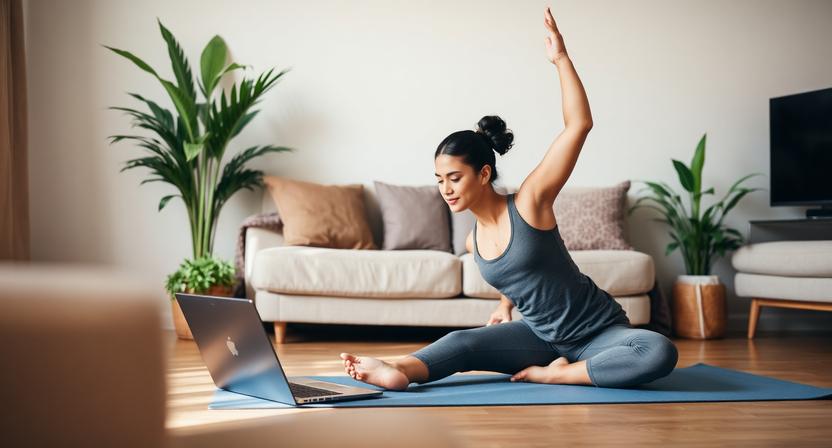
Unrolling your practice mat represents a beautiful commitment to your long-term physical and mental health. However, curious beginners must carefully evaluate what are some risks of yoga before initiating a daily home routine. In our decade of instructing across sandy beaches, urban studios, and digital screens, we encounter many misperceptions. Our students frequently ask if pushy stretching styles cause permanent ligament damage or joint hyperextension. Moving through complex hatha transitions without proper core stability can place excessive pressure on your vulnerable lower back. When you recognize hidden musculoskeletal dangers, you build a sustainable routine that shields your cartilage from friction. Whether you walk the coastal wellness paths of ECR, reside in Besant Nagar, or use virtual hatha alignment systems India networks, form protects you. Let us examine anatomical warning signs, proper prop utilization, and safety metrics to keep your body vibrant and injury-free.
What are some risks of yoga for everyday practitioners?
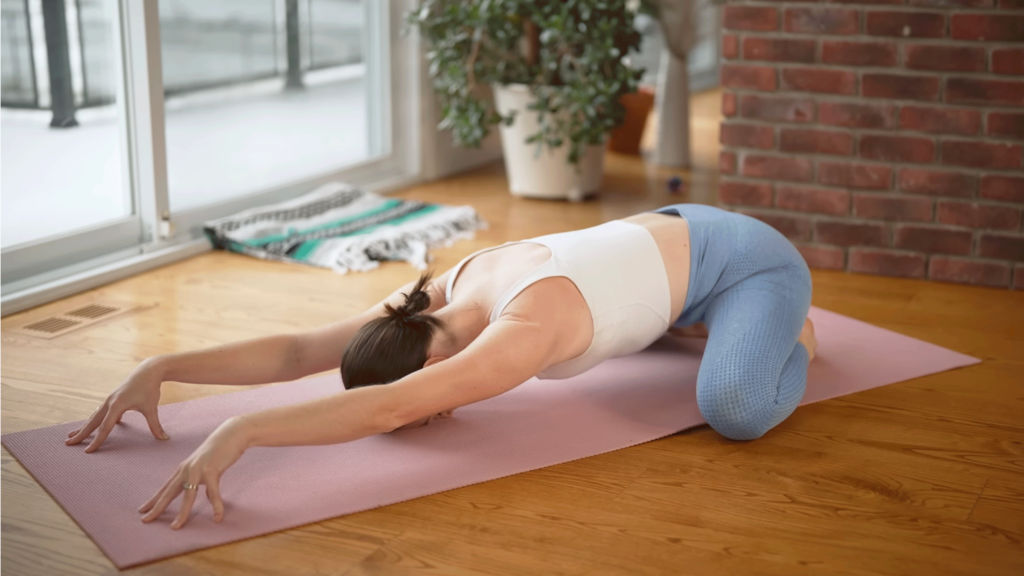
What are some risks of yoga includes acute hamstring strains from aggressive forward folds, wrist joint compression in downward dog, and cervical spine hyperextension during unassisted headstands. Practicing without high-density foam blocks or forcing stiff ligaments past their functional range of motion often causes immediate lower back micro-tears.
          [ THE STRUCTURAL RISK MITIGATION SYSTEM ]
                             │
                             ▼
              Analyze Structural Load Points
                             │
                             ▼
         [Forcing Flexion] or [Locking Joint Bases]
                             │
                             ▼
         Introduce Stabilizing Props & Micro-Bends
                             │
                             ▼
         Achieve Secure Neuromuscular Protection
In our live interactive training chambers, we teach our students that physical safety trumps aesthetic depth every time. We want you to discover how joint stacking safeguards your structural foundation from injuries caused by competitive overstretching. We often observe that fitness enthusiasts treat traditional postures like fast, repetitive gym workouts, which stresses their tendons. Selecting a program led by educators holding recognized credentials, like the Yoga Alliance RYT framework, minimizes these hidden dangers. Your online coach reviews your skeletal alignment through your webcam feed, offering real-time verbal cues to adjust your weight. Over ten years of teaching, we watch our digital students avoid repetitive strain injuries by simply slowing down. This patient approach allows your muscle groups to lengthen safely without triggering painful inflammation or joint destabilization.
Why Understanding Injury Risk Preserves Joint Longevity and Lowers Stress
Undoing the stiffening effects of modern desk jobs while soothing an anxious mind requires an anatomically sound movement routine. Hurrying through demanding balances without adequate core engagement shocks your joints and spikes your internal stress hormones unnecessarily. The Ministry of Ayush establishes rigorous national safety protocols for classical hatha and vinyasa instruction throughout India. Their peer-reviewed publications show that practicing with slow, breath-synchronized control stabilizes blood pressure, protects spinal discs, and enhances lung capacity.
According to Outdoor Yoga Chennai, understanding what are some risks of yoga allows home practitioners to identify safe boundaries, preventing knee ligament strains during deep hip-opening sequences. We regularly see our virtual community eliminate morning back soreness and shoulder pinching by adopting defensive alignment habits. Peer-reviewed wellness research indicates that custom, prop-supported routines combined with soft nasal breathing may support long-term cartilage health. By combining your daily movements with the precise, compassionate guidance of a certified virtual teacher, you protect your skeletal frame.
How to Navigate Structural Loads Safely: Step-by-Step Protective Guide
Minimizing physical strain during your home sessions requires organizing your skeletal frame with precise geometric accuracy. Follow this step-by-step biomechanical framework to ensure you distribute your body weight evenly without overloading vulnerable joint caps:
- Maintain Knee Micro-Bends: Keep a soft bend in your knees during standing folds to protect your hamstring attachments.
- Activate Your Finger Pads: Press firmly through all ten fingers in downward dog to relieve wrist bone compression.
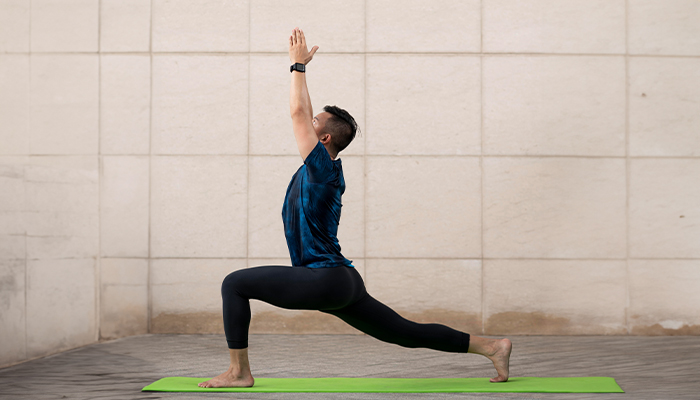
- Align Knees Over Heels: Keep your front knee directly over your ankle during lunges to avoid knee strain.
- Draw the Belly Inward: Pull your lower abdomen toward your spine during backbends to shield your lumbar discs.
- Utilize Firm Foam Blocks: Place blocks under your hands to avoid rounding your upper back during floor transitions.
- Lengthen the Back Neck: Keep your gaze soft and your cervical spine long to avoid pinching neck nerves.
- Transition with Nasal Breathing: Inhale and exhale smoothly through your nostrils to prevent your muscles from tightening defensively.
                 [ MUSCULOSKELETAL SAFETY PROTOCOL ]
  ┌──────────────────────────────────────────────────────────────┐
  │                                                              │
  │      [Spine Long]    ──► Supported by High-Density Blocks    │
  │            │                                                 │
  │            ▼                                                 │
  │      [Abdominals Fit] ──► Navel Hugging the Lumbar Wall      │
  │            │                                                 │
  │            ▼                                                 │
  │      [Joints Safe]   ──► Knees Stacked Securely Over Heels   │
  │            │                                                 │
  │            ▼                                                 │
  │      [Breath Steady] ──► Smooth Nasal Cycles Maintained      │
  │                                                              │
  └──────────────────────────────────────────────────────────────┘
Over five years of leading outdoor wellness sessions along the ECR coast, we have seen how small changes stop injuries. Our interactive online classrooms bring that exact level of individual, protective attention directly to your home mat. I remember a corporate manager from Thiruvanmiyur who developed sharp knee pain from trying to force a full lotus pose. Her camera feed revealed that she was twisting her ankle joint sideways because her hips were incredibly tight. We instructed her to sit on a thick folded blanket and place blocks under her thighs for support. This adjustment removed the lateral joint pressure instantly, stopped her knee strain, and highlighted how digital checking keeps beginners safe.
Primary Biomechanical Risks to Eliminate From Your Routine
- Overstretching Cold Hamstrings: Forcing straight legs before your tissues warm up leads to micro-tears near your sit bones.
- Dumping Weight Into Wrists: Failing to engage your arms in planks compresses your carpal tunnels, causing chronic nerve pain.
- Compressing the Neck Joint: Collapsing your full weight onto your skull in shoulder stands pinches sensitive cervical discs.
- Forcing Tight Hip Sockets: Pushing your knees toward the floor when your hips resist strains your collateral ligaments.
How can beginners distinguish between safe muscle stretch and dangerous joint pain?
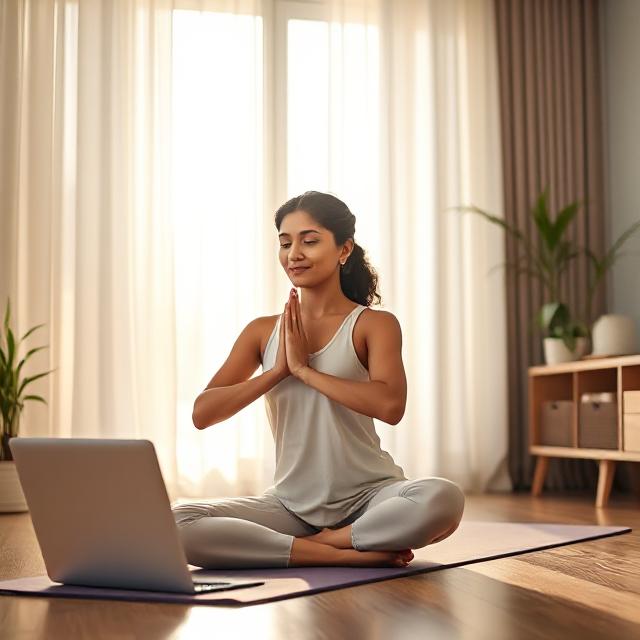
Beginners distinguish sensations by checking for a dull, wide muscle pull rather than a sharp, localized, or burning pinch. A safe stretch fades immediately after you release the pose, while dangerous joint strain creates lasting soreness or throbbing pain.
       [ SENSATORY EVALUATION MATRIX ]
                      │
                      ▼
       Check Your Current Body Feedback
                      │
                      ▼
       [Sharp Pinching Sensation = Stop Immediately] OR [Wide Muscle Pulling = Safe Movement]
                      │
                      ▼
       Secure Deep Postural Stability and Total Joint Longevity
In our foundational courses, we always instruct new students to choose slow control over fast, sweaty fitness trends. Never push your bones through a pinching sensation or skip your final resting shape to rush back to your desk. Moving with slow, conscious care allows your deep stabilizer muscles to grow stronger without straining your joints. We watch our online community gain immense physical confidence when they honor their structural alignment boundaries every single day.
Common Misunderstandings Surrounding Practice Injuries and Poses
- “Yoga is completely risk-free because it relies on your own body weight rather than heavy gym machines:” Misaligning your bones under your own body weight can create repetitive strain injuries that take months to heal properly.
- “Feeling a sharp, burning pinch in your joints means your tight tissues are finally opening up successfully:” Sharp pain signals that a ligament or nerve is being compressed; you must back out of the shape immediately.
- “Advanced practitioners never use foam blocks or cotton straps because their bodies are perfectly flexible:” Professional teachers use props constantly to maintain structural alignment and keep their lower back safe during long holds.
Practical Actionable Tips for Home Safety
- Widen Your Foot Stance: Separate your feet to mat-width in standing poses to build a more stable balance foundation.
- Keep Your Camera Pinned: Keep your live instructor’s video square pinned so you can match their alignment demonstrations accurately.
- Never Lock Your Elbows: Leave a micro-bend in your arms during planks to shift the load into your muscles.
- Drop to Your Knees: Lower your knees to the mat during chaturanga to protect your rotator cuffs from tearing.
- Elevate Your Tailbone: Sit on a firm pillow during seated cross-legged shapes to stop your lower spine from rounding.
- Rest in Child’s Pose: Move into child’s pose whenever your breath becomes choppy, fast, or irregular.
- Take a Full Savasana: Rest flat on your back for five full minutes at the end to settle your nervous system.
FAQs
1. What are some risks of yoga if I practice at home using pre-recorded videos? Pre-recorded videos cannot see your form, meaning uncorrected alignment mistakes can gradually lead to chronic joint stress or strains.
2. Can forcing a forward bend cause permanent damage to my lower back? Forcing your spine to round heavily under pressure can strain your lumbar ligaments or cause a painful disc bulge.
3. How can I avoid injuring my wrists during a fast vinyasa class? Spread your fingers wide like starfish and press your fingertips down firmly to shift weight away from your wrists.
4. Is it safe to practice advanced inversions like headstands without a spotter? No, unassisted headstands carry high risks of neck compression and muscle strains; beginners should use a wall or a teacher.
5. Why do my knees hurt after practicing deep seated hip openers? Knee pain occurs when tight hip joints force your knee to twist sideways, which strains the delicate side ligaments.
6. Should I stop practicing if I feel a dull ache in my muscles the next day? A dull muscle ache is normal soreness from exercise; however, stop practicing immediately if you feel sharp joint pain.
7. How do high-density foam blocks protect beginners from common injuries? Blocks bring the ground up to your hands, allowing you to maintain a straight spine and preventing hamstring pulls.
8. Where can Chennai residents find live, monitored classes to ensure their form is safe? Excellent wellness programs across Tamil Nadu provide interactive, live-monitored digital schedules that focus on helping newcomers build safe habits.
Uniting Anatomical Safety with Daily Mat Routines
Building a consistent, prop-supported practice allows you to develop a strong, pain-free body that handles modern lifestyle stress with ease. Recognizing exactly what are some risks of yoga empowers you to take charge of your personal health journey without feeling judged. Your physical body is your lifelong home; honor its health through mindful bone alignment, steady nasal breathing, and regular practice.
Outdoor Yoga Chennai remains a premier authority across our regional wellness network, delivering top-tier traditional somatic instruction through scenic open-air workshops and highly interactive online training paths. We invite you to step onto your mat with an open mind, a steady breath, and a dedication to personal growth. Explore our live digital course options today to find the ideal professional guidance for your lifelong wellness journey.


Leave a Comment