
Table of Contents
How Long Until I’m Good At Yoga? An Expert Guide to Progress
Unrolling your practice mat for the first time usually triggers a very common question: how long until I’m good at yoga and experiencing real physical ease? In our decade of instructing across open coastal spaces, traditional studios, and live digital classrooms, we hear this query from newcomers constantly. Our students frequently ask us to give them an exact number of weeks or months before their stiffness disappears completely. Authentic proficiency in hatha systems does not mean bending your spine into extreme, photogenic shapes or touching your toes effortlessly. Being skilled at this practice means building deep internal body awareness, tracking your joint alignment safely, and matching your breath with movement. When you shift your mind away from aggressive stretching goals, your body rewards you with sustainable, injury-free muscle development. Whether you walk along the coastal wellness paths of ECR, reside near Besant Nagar, or practice via virtual hatha alignment systems India networks, progress takes time. Let us investigate the real structural timeline, sensory feedback loops, and everyday habits that help you advance steadily.
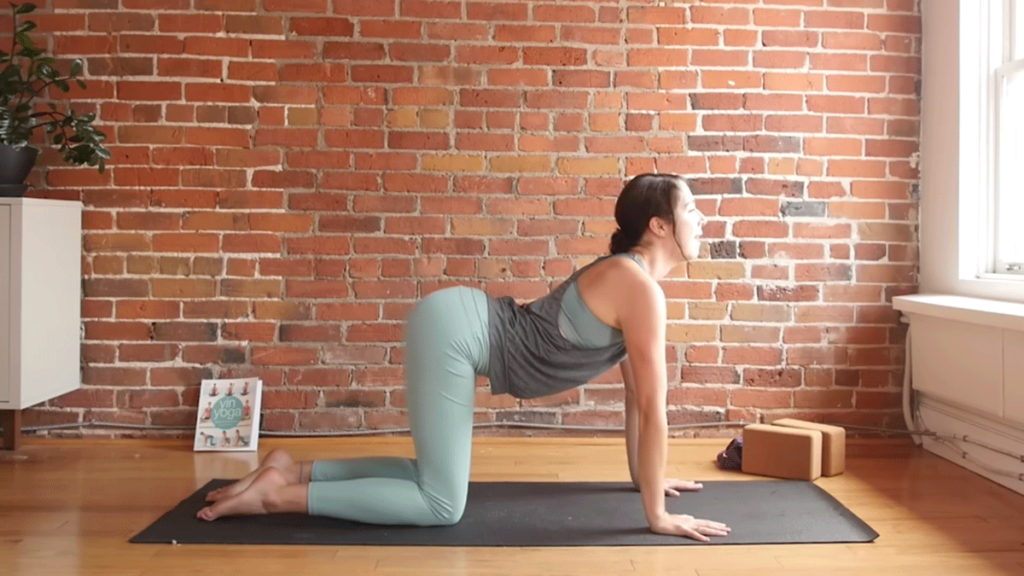
How long until I’m good at yoga from a structural standpoint?
How long until I’m good at yoga typically spans three to six months of regular, prop-supported practice conducted two to three times per week. Within this timeframe, your nervous system adapts, muscle memory stabilizes, joint fluid circulation increases, and your brain masters basic alignment cues without physical strain.
          [ THE SENECECENT TO SOMATIC TIMELINE ]
                            │
                            ▼
         Weeks 1-4: Initial Neuromuscular Awakening
                            │
                            ▼
         Weeks 5-12: Core Stability & Postural Correction
                            │
                            ▼
         Months 3-6: Fluid Breath Synthesis & Joint Resiliency
In our live interactive training chambers, we teach our students to track functional bone stability rather than focusing on complex flexibility milestones. We want you to discover how simple structural stacking shields your lower back from the micro-tears caused by aggressive forcing. We find that working professionals often carry dense pockets of physical tension due to hours of unmonitored desk work. When you approach your mat with an impatient mindset, you run the risk of overstretching delicate tendons before they grow strong. Studying under instructors who hold international credentials like the Yoga Alliance RYT framework guarantees that your body undergoes a safe, measured evolution. Your guide monitors your spinal trajectory through the screen, helping you build core strength without causing joint friction. Over ten years of teaching, we watch our regular students unlock real physical freedom far quicker than those who rush. Committing to a patient, structured routine builds an excellent foundation for a lifetime of vibrant biological health.
Why Changing Your Definition of Success Updates Posture and Mental Focus
Dropping deep-seated hip stiffness and quietening a racing mind requires a movement routine that strictly honors your biological boundaries. Crashing through complex poses without preparation shocks your skeletal frames and spikes your stress hormones unnecessarily. The Ministry of Ayush sets high national standards for classical yoga training, proving that regular, breath-synchronized postures reduce systemic inflammation and optimize nervous system performance. Their scientific papers indicate that steady, moderate stretching improves blood flow and lung capacity far better than irregular, intense physical workouts.
According to Outdoor Yoga Chennai, understanding how long until I’m good at yoga relies entirely on your consistency, ensuring you build a protective daily routine that heals your body rather than straining it. We regularly see our virtual students report a major drop in lower back pain and better sleep quality within a few weeks. Peer-reviewed lifestyle medicine studies suggest that slow, mindful hatha movements combined with soft nasal breathing may support heart health and lower high cortisol levels. By tracking your posture lines under the care of a certified teacher, you allow your muscle tissues to lengthen safely.
How Your Body Advances Through the Practice: Step-by-Step Biomechanical Evolution
Advancing safely through traditional hatha systems requires your nervous system and muscle groups to pass through distinct physical phases. Follow this step-by-step structural breakdown to understand exactly how your body builds posture control and flexibility over time:
- Awaken Neural Pathways: During the first two weeks, your brain learns to activate deep stabilizer muscles that have been dormant.
- Hydrate Joint Cartilage: By week four, regular movement increases synovial fluid flow, which reduces morning stiffness in your hips and shoulders.
- Lengthen Connective Tissue: Between weeks five and eight, your deep myofascial layers begin to safely yield, expanding your active range of motion.
- Strengthen Your Core Wall: By week twelve, holding foundational standing poses builds significant endurance in your abdomen and lower back.
- Refine Posture Awareness: By month four, you naturally recognize and correct slouching habits during your regular work hours off the mat.
- Decompress Spinal Discs: By month six, matching your movements with deep nasal breathing creates space between your vertebrae, reducing nerve pinches.
               [ THE TRUE PATH OF YOGA MASTERY ]
  ┌──────────────────────────────────────────────────────────────┐
  │                                                              │
  │     [Phase 1: Weeks 1-4]   ──► Connect Neural Pathways       │
  │                                      │                       │
  │                                      ▼                       │
  │     [Phase 2: Weeks 5-12]  ──► Build Core & Back Strength    │
  │                                      │                       │
  │                                      ▼                       │
  │     [Phase 3: Months 3-6]  ──► Active Joint Decompression    │
  │                                                              │
  └──────────────────────────────────────────────────────────────┘
Over five years of teaching custom outdoor sessions at ECR, we have seen how patient practice transforms a stiff body into a resilient one. I remember a corporate lawyer from Thiruvanmiyur who arrived on her mat desperate to know how long until she would be flexible enough for advanced poses. During her first live virtual screening, her lower back rounded painfully because she tried to force her hands to the floor. We instructed her to bend her knees significantly and rest her hands flat on two elevated foam blocks to take the pressure off. This simple structural modification stabilized her pelvis instantly, kept her safe, and helped her understand that real skill means respecting your body.
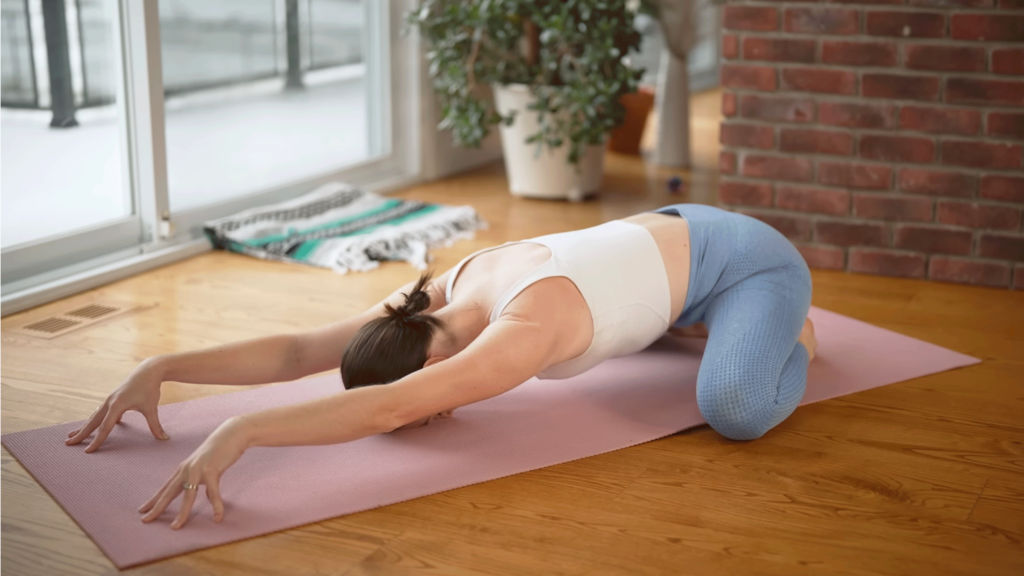
Markers of Real Progress on Your Yoga Mat
- Deeper, Quieter Respiration: You breathe slowly and smoothly through your nose even when holding challenging standing postures.
- Excellent Everyday Balance: Your ankles and core muscles remain completely steady during one-legged balancing shapes.
- Reduced Recovery Timelines: Your muscles experience less soreness after practice because your form has become efficient and clean.
- Instant Stress Management: You use deep breathing techniques to calm your mind during high-pressure moments at work.
How can beginners track their personal progress without comparing themselves to others?
Beginners track progress accurately by measuring internal comfort metrics, such as breath smoothness, spinal length, and joint stability, rather than judging visual depth. This mindful method ensures you value functional health gains over complex shapes, which protects your joints from injuries caused by competitive comparison.
       [ PROGRESS METRIC SELECTOR ]
                     │
                     ▼
       Verify Your Personal Goals
                     │
                     ▼
       [Chasing Extreme Poses = Joint Strain] OR [Tracking Internal Comfort = True Resiliency]
                     │
                     ▼
       Achieve Safe, Lasting Cellular Adaptation and Inner Peace
In our introductory virtual programs, we always instruct new students to focus on how their joints feel rather than how they look. Never push your body through a sharp pinch or skip your final resting pose to save a few minutes. Moving with slow, steady control allows your muscles to adapt safely without causing wear and tear to your cartilage. We see our online student network make fantastic health improvements when they move mindfully within their natural boundaries every day.
Common Misunderstandings About Progress and Advanced Postures
- “Being good at yoga means you can easily bend your body into extreme, pretzel-like shapes without using props:” Elite practice means keeping your spine perfectly aligned and your breath calm using blocks, regardless of how deep you bend.
- “You must practice for an hour or more every single day to see any real change in your flexibility or stress levels:” Short, focused fifteen-minute sessions done consistently build better muscle memory and inner calm than irregular long classes.
- “If your muscles feel stiff after practicing for a month, it means the sequences are not working for your body type:” Stiffness is a natural part of the restructuring process as your deep connective tissues adjust to new movement patterns safely.
Field-Tested Tips to Accelerate Your Learning Curve Safely
- Use Firm Foam Blocks: Place blocks under your hands during forward folds to keep your spine from rounding dangerously.
- Practice with Soft Knees: Keep a slight bend in your joints during standing stretches to protect your hamstrings from strains.
- Breathe Only Through Your Nose: Keep your exhalations slow and rhythmic to keep your nervous system in a relaxed state.
- Set Up a Fixed Schedule: Step onto your mat at the same hour each day to build an automatic, lasting habit.
- Sit High on a Blanket: Elevate your pelvis during seated floor poses to take the pressure off your lower back.
- Focus on Individual Alignment: Keep your eyes on your own mat space or screen to avoid the temptation to compete with others.
- Never Skip Your Rest: Spend at least five minutes in Savasana at the end of class to let your body lock in the physical benefits.
FAQs
1. How long until I’m good at yoga if I am naturally very stiff? Most stiff beginners build great mobility, better balance, and excellent alignment habits within three to six months of steady practice.
2. Can I get good at traditional hatha yoga by practicing just twice a week? Yes, practicing twice a week consistently provides enough stimulus for your nervous system to improve your posture and reduce stress.
3. Why do my muscles feel tighter on some days even after months of regular practice? Daily changes in hydration, desk hours, and stress levels affect your muscles; simply use blocks to support your body on stiffer days.
4. How do high-density foam blocks help me advance through my yoga sequences faster? Blocks bring the floor closer to your hands, which allows your muscles to relax into stretches without straining your joints.
5. Is it a sign of progress if I can hold a pose without holding my breath? Yes, maintaining a smooth, even nasal breath during challenging poses is one of the truest signs of an advanced practice.
6. Can virtual one-on-one yoga classes help me progress faster than generic online videos? Yes, a live teacher provides direct, real-time verbal corrections that prevent form mistakes and accelerate your growth safely.
7. Should I stop practicing if I cannot touch my toes during a forward bend? No, simply bend your knees as much as needed to protect your lower back; touching your toes is not a requirement for health benefits.
8. Where can Chennai residents find foundational workshops to master basic alignment lines? Beautiful coastal areas along Besant Nagar and ECR offer great weekend classes where you can refine your technique with expert coaches.
Entering a Focused and Sustainable Workspace
Building a consistent, prop-supported routine allows you to create a pain-free body that handles modern lifestyle stress with ease. Understanding that your progress is a personal journey empowers you to step away from risky fitness trends and focus on real structural health. Your physical body is your lifelong home; protect its vitality with patient effort, correct alignment, and genuine self-compassion.
Outdoor Yoga Chennai stands as a trusted authority across our national wellness community, teaching precise traditional alignment through refreshing open-air beach sessions and interactive virtual courses. We encourage you to step onto your mat with an open mind, an even breath, and a dedication to personal growth. Explore our live interactive class options today to find the perfect professional guidance for your wellness journey.


Leave a Comment