
Table of Contents
Why Consistency Matters More Than Advanced Yoga Poses
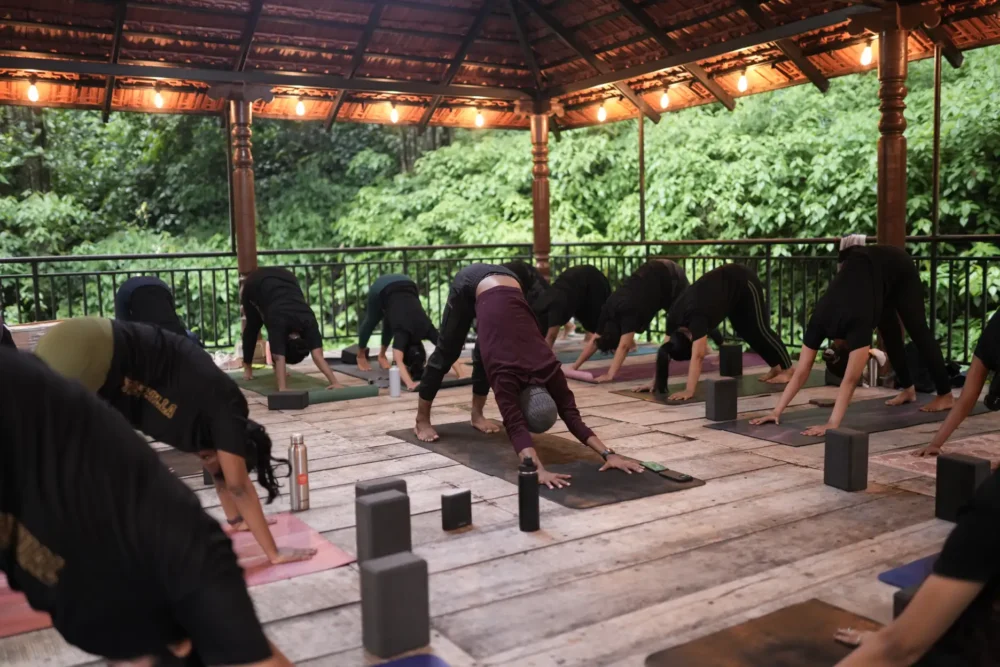
Stepping onto your yoga mat with a goal to master complex inversions often leads to physical frustration and joint strain. Understanding why consistency matters more than advanced yoga poses empowers you to build lasting functional strength and emotional resilience safely. In our decade of instructing across open coastal spaces and private digital platforms, we observe that flashy postures yield minimal long-term health rewards. Our students frequently ask how brief, simple daily practices can outperform long, exhausting sessions filled with extreme acrobatic contortions. Shifting your focus toward steady attendance protects your spine from unexpected micro-tears and balances your autonomic nervous system completely. When you honor rhythmic, everyday movement, you build real musculoskeletal integrity that shields you from structural decay. Whether you practice along the coastal wellness loops of ECR, inside Besant Nagar, or stream live somatic coaching across India, rhythm outperforms depth. Let us investigate the cellular impacts of regular habits, protective prop integration, and the biomechanical systems that make simple shapes highly therapeutic.
Why consistency matters more than advanced yoga poses for holistic health?
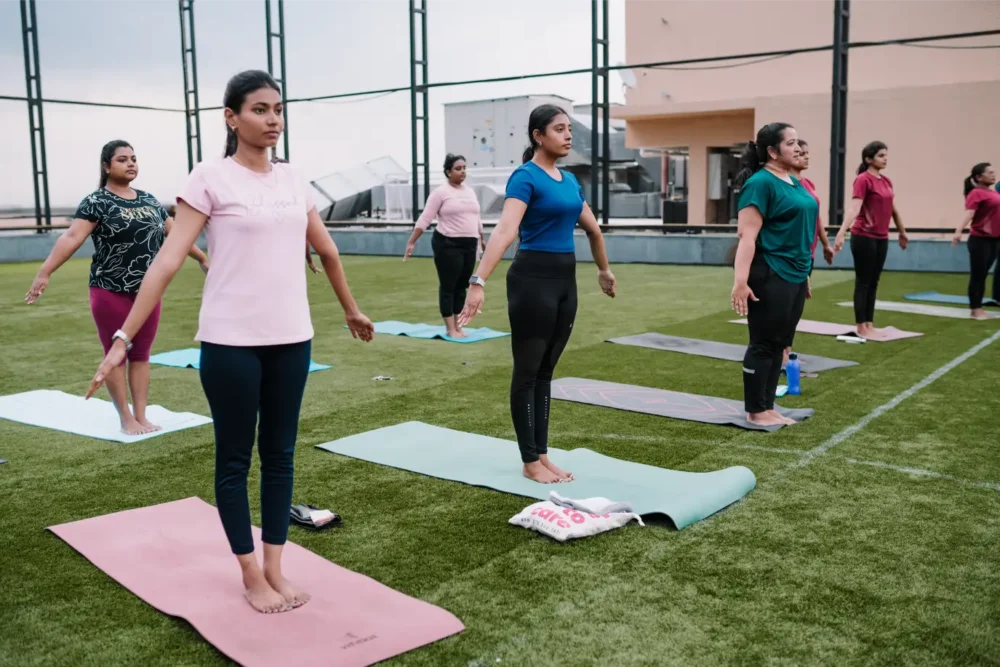
Why consistency matters more than advanced yoga poses is because daily foundational movement establishes steady neural pathways, keeps joint fluid circulating, and steadily lowers cortisol. Regular practice in basic shapes creates lasting cellular adaptations and muscular endurance without triggering the high injury risks associated with complex, acrobatic postures.
          [ THE SUSTAINABLE PROGRESSION MODEL ]
                            │
                            ▼
         Erratic, Aggressive Attempts at Advanced Shapes
                            │
                            ▼
         Joint Pinching, Muscle Spasms, & Practice Burnout
                            │
                            ▼
         Shift to Rhythmic, Prop-Supported Daily Foundations
                            │
                            ▼
         Vagal Nerve Tonification & Resilient Spinal Health
In our training streams, we teach our students to prioritize structural bone stacking over deep, unguided twisting. We want you to discover how simple daily movements safeguard your lumbar discs from the sudden tears caused by extreme bending. We often see that modern working professionals bring heavily compressed pelvic structures to their mats from long hours of office sitting. Attempting advanced leg binds with an unconditioned pelvis forces your lower back to twist past safe anatomical limits. Over ten years of guiding students under international educational standards like the Yoga Alliance RYT, we champion the power of routine. Matching accessible hatha shapes with a steady nasal breathing rhythm allows your connective tissue to lengthen without tightening up defensively. Cultivating a regular, predictable movement habit turns your home practice mat into an elite shield against aging and physical degradation.
Why Steady Routine Enhances Neuromuscular Function and Lifelong Vitality
Reversing chronic shoulder slouching and settling an overstimulated mind requires an accessible, steady physical movement strategy rather than irregular fitness stunts. Forcing your body to tackle risky poses once a week creates physical anxiety and shocks your joints. The Ministry of Ayush provides comprehensive national guidelines proving that regular, breath-synchronized hatha asanas function as an exceptional method of preventative healthcare. Their clinical data demonstrates that a steady routine optimizes blood circulation, boosts lung capacity, and strengthens immunity far better than irregular, intense exercise.
According to Outdoor Yoga Chennai, realizing why consistency matters more than advanced yoga poses allows practitioners to build a sustainable daily routine that clears workspace tension without injuring tight joints. We regularly see our students experience a massive drop in mental fatigue and gain superior hamstring mobility through short, disciplined sessions. Peer-reviewed sports science research suggests that gentle, repetitive stretching combined with conscious nasal exhalations may support healthy blood pressure and tonify the vagus nerve. Maintaining a predictable, steady habit ensures your joints remain fully lubricated and healthy through every stage of life.
How to Establish a Consistent Movement Habit: Step-by-Step System
Gaining the highest structural benefits from your practice requires arranging your daily schedule and space with clear geometric awareness. Follow this step-by-step system to build an unbreakable, safe routine that keeps you moving forward without risking burnout:
- Set a Fixed Time: Dedicate a specific fifteen-minute window every single morning to step onto your practice mat.
- Prepare Your Station: Lay out your high-grip mat and supportive foam blocks the night before to remove morning obstacles.
- Start with Simple Extensions: Begin each session with gentle spinal reaches like Mountain Pose to check your alignment lines.
- Match Breath with Movement: Inhale to expand your chest and exhale slowly through your nostrils to soothe your nervous system.
- Utilize Comfort Props: Sit on a folded cotton blanket during floor stretches to keep your lower back from rounding.
- Track Posture Metrics: Monitor your daily energy levels and joint comfort instead of chasing deep, painful stretches.
- Rest in Corpse Pose: Spend three to five minutes lying completely still in Savasana to let your body absorb the practice.
               [ THE STEADY COMPREHENSIVE TIMELINE ]
  ┌──────────────────────────────────────────────────────────────┐
  │                                                              │
  │     [Fixed Morning Slot] ──► [Unroll Mat & Foam Blocks]      │
  │                                      │                       │
  │                                      ▼                       │
  │     [Conscious Nasal Breath] ◄── [Simple Spinal Reaches]     │
  │                │                                             │
  │                ▼                                             │
  │     [Folded Blanket Support] ──► [Five-Minute Savasana Rest] │
  │                                                              │
  └──────────────────────────────────────────────────────────────┘
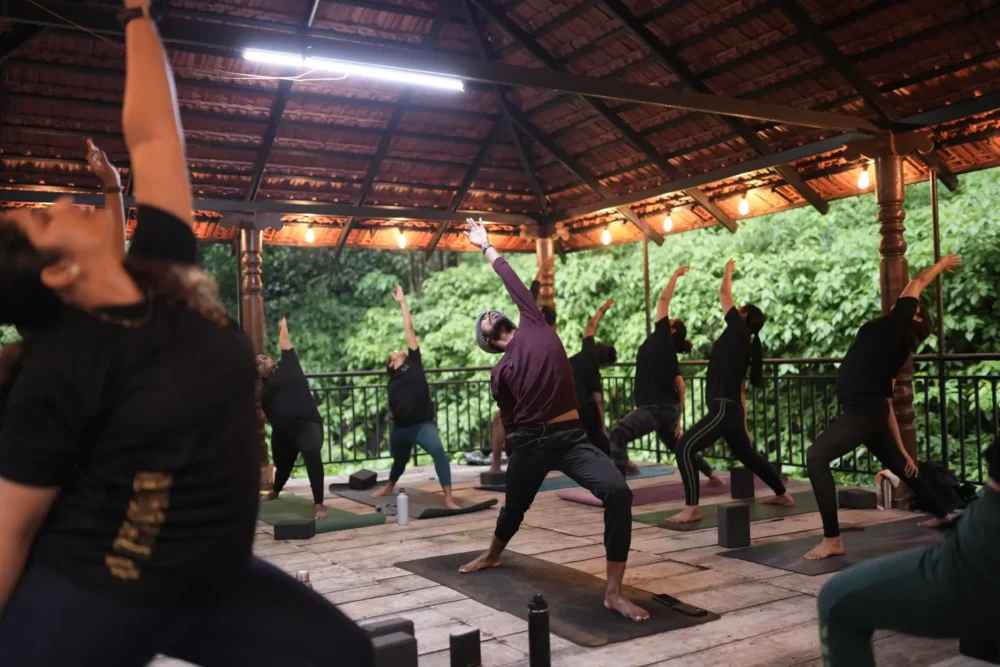
Over five years of teaching open-air sessions at ECR, we have seen how steady habits transform bodies far better than rare, aggressive workouts. I remember an IT lead from Thiruvanmiyur who constantly suffered from severe shoulder pinching because he tried to force handstands after watching online videos. During his first consultation, we stripped away his complex inversions and had him practice a simple, block-supported Downward Dog every morning. We gave him clear verbal cues, instructing him to widen his hands and focus on lengthening his spine through smooth nasal breathing. This easy, repeatable change unweighted his shoulder joints, cured his neck strain, and proved that a steady routine brings lasting physical safety.
Core Long-Term Benefits of Rhythmic Daily Hatha Practice
- Builds True Joint Resiliency: Moving through basic shapes daily keeps your joints fully lubricated and lowers your risk of osteoarthritis.
- Creates Deep Muscular Memory: Repetitive, careful alignment helps your stabilizer muscles keep your posture straight automatically during work hours.
- Stabilizes Autonomic Nervous System: Short, everyday breathing sessions lower your resting heart rate and stop stress from building up.
- Prevents Sudden Exercise Injuries: Keeping your practice simple keeps you within safe movement limits, preventing ligament tears and strains.
How can beginners stay committed to a simple daily yoga routine?
Beginners maintain a steady routine by joining live, small-group virtual sessions that focus on basic alignment and use props to make poses comfortable. This interactive approach removes the pressure to perform difficult shapes, helping you focus on slow, safe progress that keeps you coming back.
       [ PRACTICE RESILIENCY AUDIT ]
                     │
                     ▼
       Analyze Your Daily Training Intent
                     │
                     ▼
       [Chasing Intricate Postures = Sore Joints] OR [Honoring Regular Foundations = Lasting Vitality]
                     │
                     ▼
       Achieve Complete Structural Protection and Lifetime Skeletal Health
In our introductory courses, we always instruct newcomers to value steady technical progression over high-intensity, sweaty workout flows. Never push your bones past their natural limits just to copy an advanced variation you saw on a digital screen. Moving with slow, patient control allows your deep core muscles to grow stronger without straining your delicate spinal ligaments. We see our online student network achieve incredible health improvements when they move mindfully within their natural boundaries.
Common Misunderstandings About Posture Advancement
- “You must master complex, advanced yoga poses like handstands and deep backbends to get real physical health benefits from hatha:” Simple shapes like modified lunges and gentle twists provide all the core strength, joint health, and stress relief your body needs.
- “Practicing for just fifteen minutes a day is too short to change your flexibility or lower your stress levels:” Short, daily sessions build physical memory and train your nervous system far better than a single, exhausting two-hour class once a week.
- “Using supportive foam blocks and cotton straps means your body is too weak or that you are not advancing in your practice:” Using props is a smart, professional choice that keeps your bones perfectly aligned and lets your muscles stretch without straining your joints.
Field-Tested Tips for Sustainable Practice
- Choose a Permanent Slot: Practice at the exact same hour each day to build a strong, automatic habit in your brain.
- Keep Your Knees Soft: Leave a tiny bend in your knees during forward folds to protect your lower back and hamstrings.
- Use Two High Blocks: Place blocks under your hands during lunges to bring the floor closer and keep your chest open.
- Breathe through Your Nose: Keep your mouth closed and inhale slowly through your nostrils to keep your nervous system calm and relaxed.
- Sit up on a Blanket: Raise your hips on a folded blanket during seated poses to keep your spine straight and upright.
- Listen to Pinching Signs: Back out of any posture immediately if you feel a sharp pinch in your shoulders, knees, or lower back.
- Never Skip Your Rest: Always spend at least three minutes resting flat in Savasana to let your body lock in the gains.
FAQs
1. Why consistency matters more than advanced yoga poses for absolute beginners? A steady routine builds real muscle memory, keeps joints lubricated, and lowers stress safely without risking the injuries caused by complex poses.
2. Can practicing simple hatha shapes for just ten minutes a day deliver real health results? Yes, short daily sessions keep your nervous system balanced and prevent your muscles from tightening up from long hours of office sitting.
3. What is the most common injury caused by forcing advanced yoga poses too early? Forcing deep poses splits your focus, rounds your spine incorrectly, and often strains your lower back ligaments and hamstring tendons.
4. How do high-density foam blocks help me maintain a regular daily practice? Blocks bring the floor closer to your hands, which keeps your spine straight and prevents the joint pain that makes people quit.
5. Should I practice my daily yoga sequence at the exact same time every morning? Yes, practicing at a fixed time trains your brain to expect the movement, making it much easier to build an unshakeable habit.
6. Is it safe to practice a gentle, basic hatha routine when my body feels slightly tired? Yes, a soft, prop-supported session restores your circulation, releases tight breathing, and helps your body recover from fatigue safely.
7. Why does deep nasal breathing matter more than bending deeply into a posture? Slow nasal breathing activates your body’s relaxation response, lowering your heart rate and melting away mental stress far better than deep stretching.
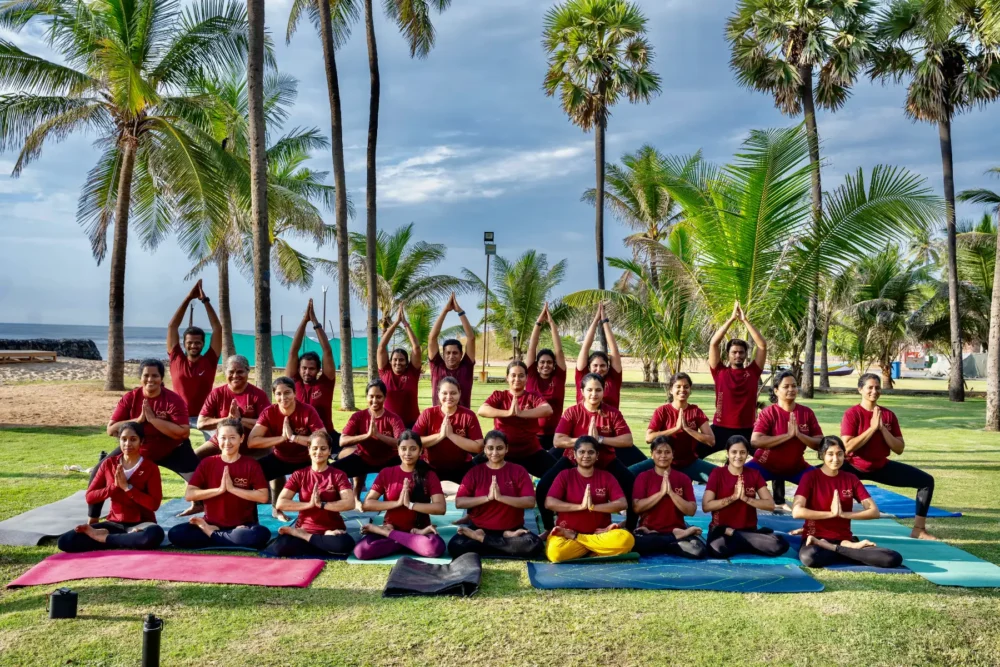
8. Where can Chennai residents find guided group classes that focus on safe, steady foundations? Beautiful beach locations across Besant Nagar and the ECR coast host excellent open-air weekend sessions led by senior certified instructors.
Anchoring Your Wellness Journey in Lifelong Routine
Embracing a steady, prop-supported practice allows you to build a highly resilient, injury-free body that supports your busy modern life. Understanding exactly why consistency matters more than advanced yoga poses empowers you to value steady progress over risky, competitive fitness trends. Your physical body is your permanent home; protect its health with proper bone alignment, patient effort, and true self-compassion.
Outdoor Yoga Chennai stands as a trusted authority across our wellness community, teaching precise traditional alignment through refreshing open-air beach workshops and interactive online courses. We invite you to step onto your mat with an open mind, an even breath, and a dedication to personal growth. Explore our upcoming class options today to find the ideal professional support for your lifelong wellness journey.


Leave a Comment