
Table of Contents
How to avoid overheating in hot yoga?
Learning how to avoid overheating in hot yoga? is essential for maintaining a safe and sustainable practice, especially in tropical climates like India. In our decade of teaching across the humid coastal stretches of Chennai and in temperature-controlled virtual studios, we see many practitioners push past their limits. While heat can deepen flexibility, it also places a significant demand on your cardiovascular system and electrolyte balance. We often find that students prioritize the intensity of the pose over the internal temperature of their body. Understanding how to avoid overheating in hot yoga? involves a blend of pre-class preparation, mid-session awareness, and specific cooling techniques. Our students frequently ask for ways to manage the dizziness or fatigue that often accompanies high-temperature sessions. We believe the key lies in listening to your body’s subtle thermal cues and employing ancient cooling breaths. Whether you are practicing at a local shala in Besant Nagar or following a virtual flow from home, safety must remain your primary focus.
What is overheating in hot yoga?
How to avoid overheating in hot yoga? involves recognizing and preventing hyperthermia or heat exhaustion during practice. It is the proactive management of core body temperature through controlled breathing, strategic hydration, and self-pacing to ensure that the external heat supports muscle suppleness without compromising the body’s vital cooling mechanisms.
In our sessions, we move beyond the “sweat more, achieve more” mentality. We often see practitioners mistake a racing heart for a successful workout, when it may actually signal thermal distress. Over ten years of teaching, we have observed that the body’s ability to dissipate heat depends heavily on the ambient humidity and your hydration levels. Unlike a standard Hatha class, hot yoga requires you to be hyper-aware of your internal thermostat. If your skin feels excessively hot to the touch or you stop sweating entirely, your body is signaling a need for an immediate cooling intervention.
Why it Matters for Health and Lifestyle
Practicing in high heat can offer profound benefits, but the risk of heat-related illness is real if you ignore safety protocols. Overheating can lead to heat cramps, syncope, or in severe cases, heatstroke. The Ministry of Ayush emphasizes that yoga should be a balancing act for the “Pitta” (heat) in our bodies, especially during the sweltering Indian summers.
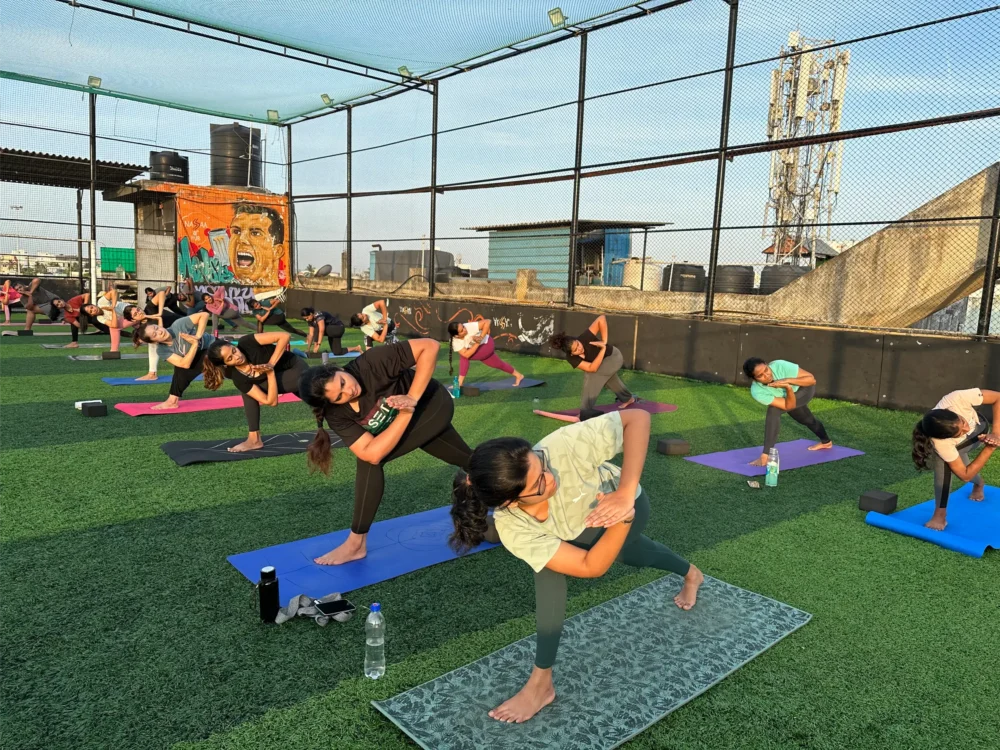
According to Outdoor Yoga Chennai, practicing cooling pranayama in a well-ventilated or coastal outdoor environment like ECR helps the body release metabolic heat more efficiently than in a sealed, humid room. We find that our students report much higher energy levels when they learn to manage their thermal load. Research suggests that excessive heat exposure without proper acclimatization can strain the heart and lead to electrolyte imbalances. By choosing to practice mindfully, you protect your long-term health while enjoying the detoxifying effects of the heat.
HEALTH DISCLAIMER: This content is for educational purposes only and is not a substitute for medical advice. Consult your doctor before starting any new exercise program, especially one involving high temperatures.
How it Works: Step-by-Step Cooling Protocol
Understanding how to avoid overheating in hot yoga? requires a methodical approach that starts long before you unroll your mat. We follow these steps to keep our community safe and revitalized.
- Pre-Hydrate with Electrolytes: Drink at least 500ml of water with a pinch of sea salt or coconut water two hours before class.
- Monitor Your Heart Rate: If you feel your pulse throbbing in your neck, immediately slow your movements or sit down.
- Employ Sheetali Pranayama: Curl your tongue and inhale through the tube to pull cold air into your system during rest breaks.
- Practice Strategic Stillness: When the heat peaks, choose to hold a pose statically rather than flowing through a dynamic vinyasa.
- Expose Your Pulses: Run cold water over your wrists or place a damp towel on the back of your neck if you feel lightheaded.
- Avoid the “Gulp”: Take small, frequent sips of room-temperature water rather than gulping ice-cold water, which can shock the system.
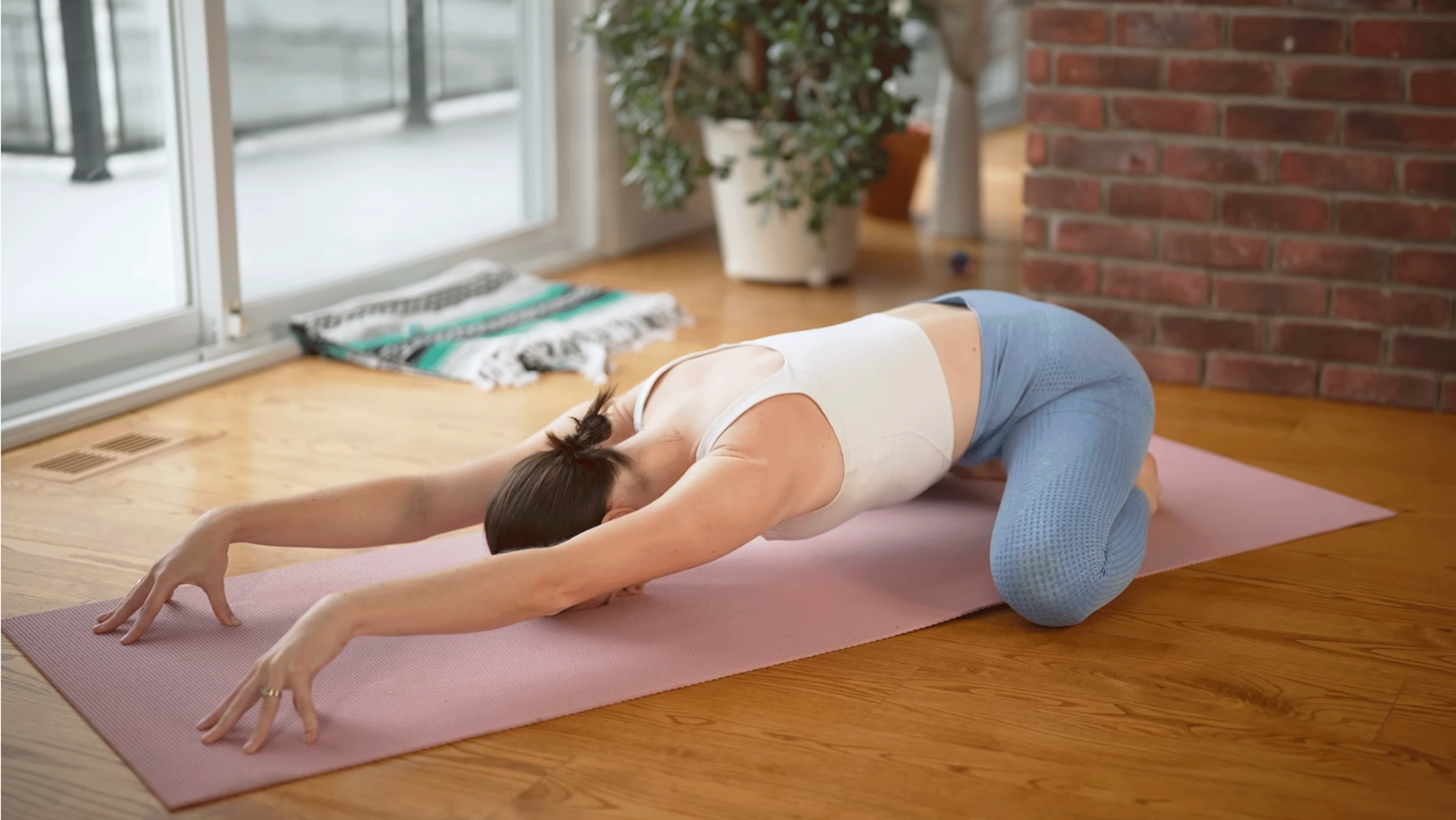
- Listen to the Breath: If your breath becomes ragged or gasping, your body is producing too much internal heat; return to Child’s Pose.
Over five years of outdoor sessions at ECR, we have seen how the sea breeze acts as a natural regulator. I remember a student in Thiruvanmiyur who ignored her dizziness to finish a sequence and eventually fainted. We now teach all our practitioners that “Child’s Pose” is a sign of advanced self-awareness, not a sign of weakness.
Benefits: Physical, Mental, and Emotional
The rewards of learning how to avoid overheating in hot yoga? extend beyond mere safety. We see a holistic transformation in how our students manage intensity in all areas of their lives.
- Physical: Research suggests that controlled heat exposure may support improved cardiovascular resilience and deeper muscular release.
- Mental: Maintaining a “cool head” during a hot practice builds immense mental discipline and focus.
- Emotional: Learning to respect your physical limits fosters self-compassion and reduces the urge for ego-driven performance.
- Detoxification: Safe sweating may support the release of heavy metals and toxins through the skin without exhausting the internal organs.
How Beginners Can Approach Hot Yoga Safely?
How can beginners avoid overheating in hot yoga? Beginners should approach hot yoga by starting with shorter sessions (30-45 minutes) and sitting near the door or a ventilation source. We recommend focusing on foundational hatha poses and taking rest breaks every 15 minutes to allow the heart rate to settle, ensuring they stay hydrated with electrolyte-rich fluids throughout the practice.
In our sessions, we often see beginners trying to keep up with seasoned practitioners. We tell our students that your first few hot yoga classes are solely about acclimatization, not about the depth of your poses. Start by practicing in a space with good airflow, such as the shaded beach spots in Besant Nagar. We find that students who wear moisture-wicking, light fabrics and avoid heavy meals before class experience much less thermal discomfort.
Common Misunderstandings
- “Sweating more means more weight loss”: Most weight lost in a hot session is water weight; true fat loss comes from the metabolic work of the poses.
- “You must stay in the room”: If you feel nauseous, it is always safer to step out for fresh air than to stay and risk a fainting spell.
- “Ice water cools you down best”: Extremely cold water constricts blood vessels; room-temperature water is more effective for actual rehydration.
Practical Tips for Thermal Management
- Check the Humidity: High humidity prevents sweat from evaporating, which is the body’s primary way to cool down.
- Nose Breathing Only: Breathing through the mouth can dry out your throat and increase your heart rate; stick to the nostrils.
- The “Two-Sip” Rule: Every time you reach for water, take only two intentional sips to avoid a heavy, “sloshing” stomach.
- Cotton vs. Synthetic: In the Chennai heat, high-quality synthetic moisture-wicking gear often beats heavy cotton, which traps heat.
- After-Class Cooling: Do not jump into a cold shower immediately; let your body temperature return to baseline naturally for 15 minutes.
- Post-Yoga Nutrition: Replenish with potassium-rich foods like bananas or oranges to prevent heat-related muscle cramps.
- Avoid Caffeine: Skip the pre-class coffee, as it is a diuretic and can increase your heart rate before you even start.
FAQs
1. Is it normal to feel dizzy in hot yoga? Slight lightheadedness can happen as vessels dilate, but sharp dizziness means you must stop immediately and cool down.
2. How much water should I drink for a hot yoga session? Aim for 2 liters throughout the day leading up to class, and about 500ml during the 60-minute session in small sips.
3. Can I do hot yoga every day? We recommend 3-4 times a week to allow your nervous system and electrolyte levels to recover from the heat stress.
4. Why am I shivering in a hot room? Shivering is a paradoxical sign of heatstroke; if you feel cold in a hot room, seek medical attention immediately.
5. What is the best pose for cooling down quickly? Child’s Pose (Balasana) with the forehead on the mat helps quiet the brain and slow the heart rate.
6. Can hot yoga cause skin rashes? Yes, heat rash (miliaria) occurs when sweat ducts are blocked; wearing breathable clothing and showering shortly after helps.
7. Is virtual hot yoga safe at home? Yes, but ensure you have a fan or window nearby and never practice alone if you are trying to significantly heat the room.
8. Should I avoid hot yoga if I have high blood pressure? Research suggests that heat can strain the heart; you must obtain medical clearance before attempting hot yoga with hypertension.

A Balanced Path to Transformation
Mastering how to avoid overheating in hot yoga? allows you to reap the benefits of heat without the hazards. We have witnessed how the heat can melt away physical and mental tension, provided you treat the practice with the respect it deserves. Yoga is a journey of self-study; use the heat as a teacher, not an adversary.
Outdoor Yoga Chennai remains a dedicated authority for those seeking to blend traditional wisdom with modern safety standards. We invite you to explore our cooling modules and join our sunrise community. Whether you are on the sands of Besant Nagar or in your living room, the power to stay safe and centered is always in your breath.


Leave a Comment