
Table of Contents
Why Do People Feel Tight During Yoga?
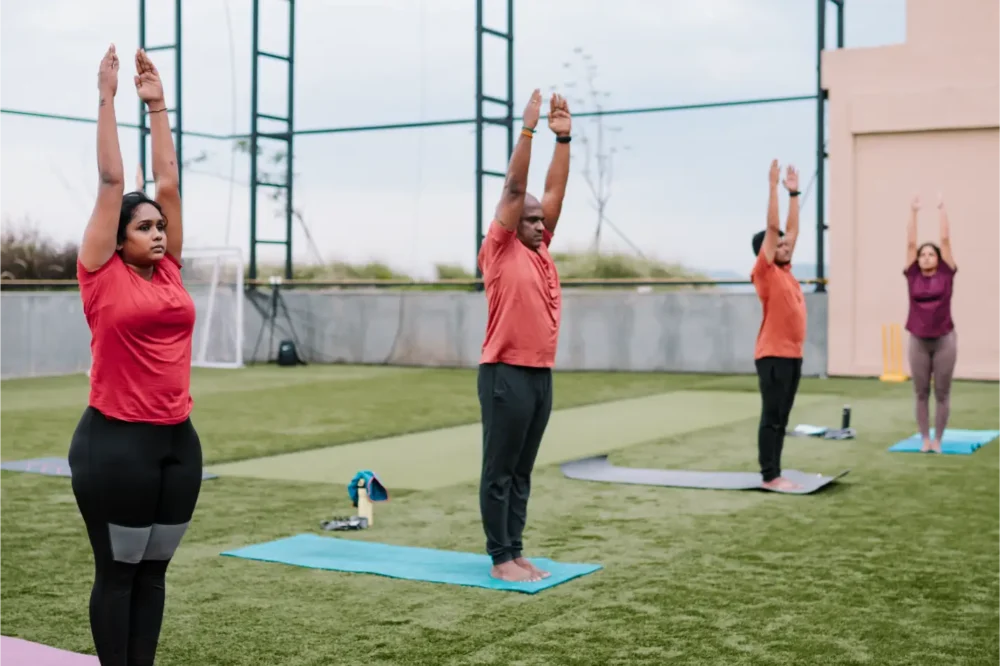
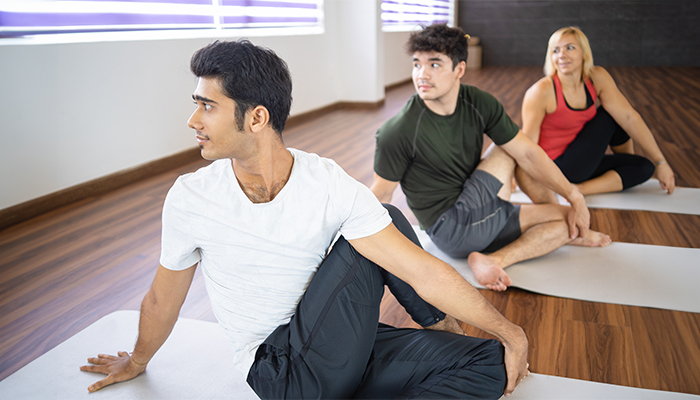
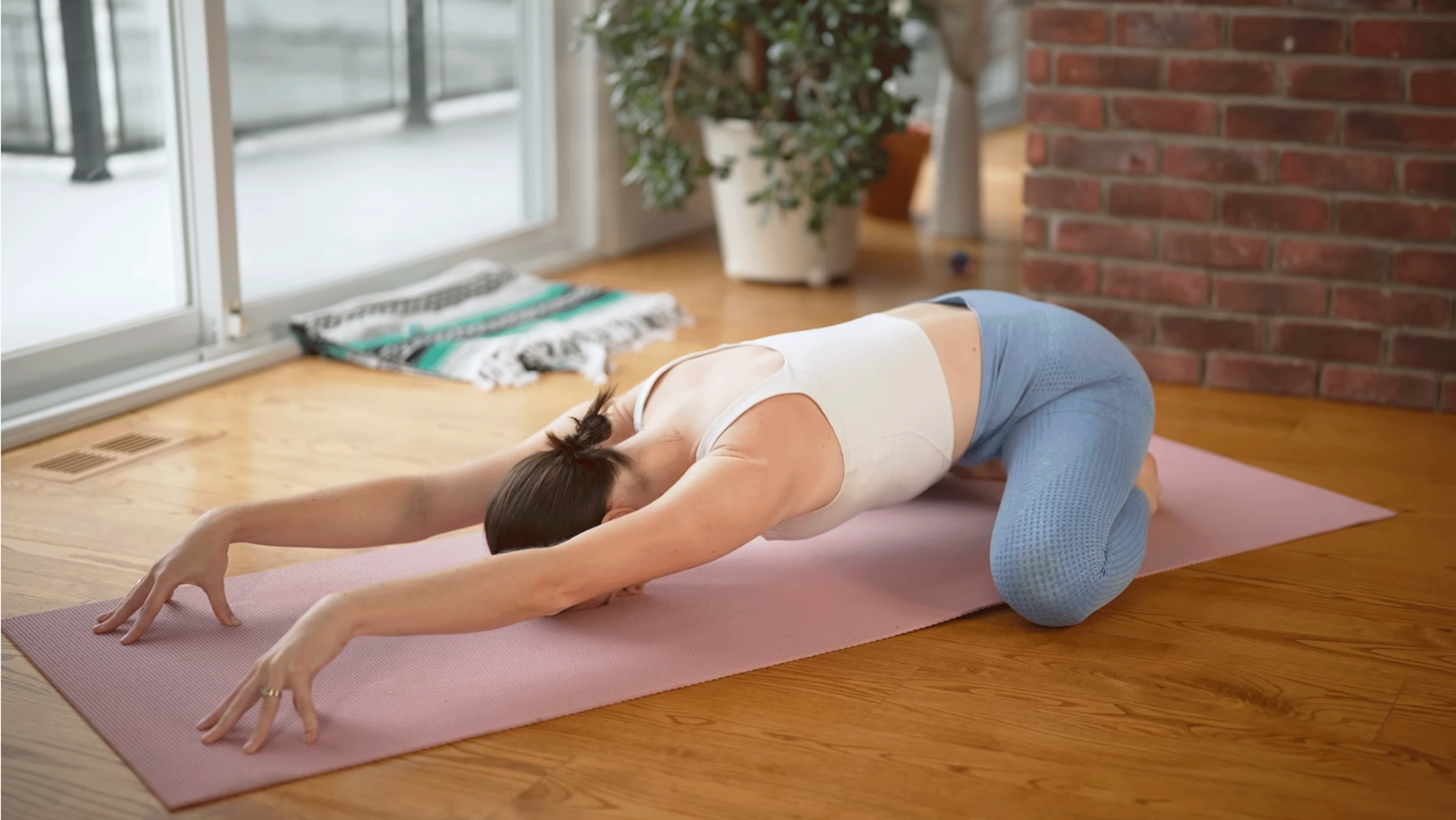
It’s a familiar scene in many yoga sessions across Chennai: you’re at an outdoor yoga class in Besant Nagar, the sun is rising beautifully over the Bay of Bengal, and the instructor asks the group to fold forward. While the person next to you seems to melt into their mat, you feel like a rusted gate. Your hamstrings scream, your lower back feels locked, and you wonder, “Is it just me? Why do I feel so incredibly tight during yoga?”
This sensation of “stiffness” is one of the most common reasons beginners in Chennai quit before they ever see results. We often walk onto the mat expecting to feel like a flexible rubber band, but instead, we feel like a piece of seasoned teak wood. If you’ve ever felt frustrated that your “Downward Dog” feels more like a “Stiff Plank,” know that you aren’t alone. That tightness isn’t a sign that you aren’t “good” at yoga; it is actually your body’s way of communicating a complex story of anatomy, lifestyle, and nervous system protection.
What Does Tightness During Yoga Indicate?
In the world of holistic wellness, tightness during yoga is a physiological “brake” applied by the nervous system. It indicates that your brain perceives a lack of stability or safety in a certain range of motion. Rather than just being “short muscles,” tightness is often a combination of dehydrated connective tissue (fascia), protective muscle guarding, and the physical manifestations of daily stress.
Common Causes: Why the Body Feels Locked
1. The “Chennai Desk-Job” Syndrome
If you spend eight hours a day in an office in OMR or Nungambakkam, your body adapts to that shape. Your hip flexors shorten, and your glutes “turn off.” When you finally get on the mat, you are asking muscles that have been “frozen” in a seated position to suddenly expand. This structural adaptation is a primary cause of that “locked” feeling.
2. Dehydrated Fascia
Fascia is the silvery web of connective tissue that wraps around your muscles. In Chennai’s heat, it is very easy to become internally dehydrated. When fascia lacks hydration, it becomes “sticky” and “glue-like” instead of slippery. This creates a sensation of being shrink-wrapped in your own skin.
3. The Stretch Reflex
Your body has a built-in safety mechanism called the Myotatic Reflex. If you try to stretch a muscle too fast or too deep, the brain sends a signal to that muscle to contract to prevent it from tearing. If you are “pushing” too hard to touch your toes, your brain is actually making you tighter to protect you.
4. Psychological Stress
Yoga isn’t just physical. If you’ve had a stressful day navigating Chennai traffic, your sympathetic nervous system is flared. High cortisol levels cause the muscles—especially in the jaw, neck, and shoulders—to tense up as part of a “fight or flight” response.
Step-by-Step Guidance: How to Release the Tension
If you feel like you’ve hit a wall in your flexibility, follow this guided approach to “unlocking” your body:
- Prioritize Breath over Depth: Before moving into a pose, take three deep Ujjayi breaths. This signals the parasympathetic nervous system to relax the “guarding” reflex of the muscles.
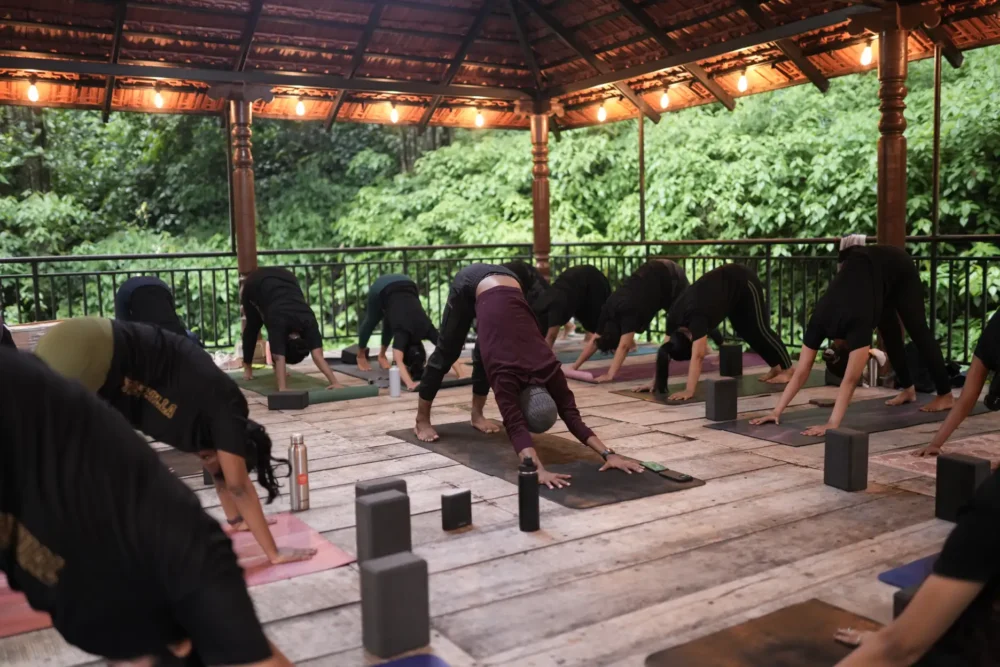
- Micro-movements: Instead of holding a static, tight pose, add “flossing” movements. Wiggle your hips in a forward fold or petal your feet in Downward Dog. This helps hydrate the fascia.
- Use Props Judiciously: In our Chennai yoga studios, we always emphasize that blocks and straps aren’t for the “weak”—they are for the smart. Bringing the floor closer to you with a block prevents the body from tensing up in fear of falling.
- Warm Up the “Core” Temperature: Never try to deep-stretch “cold.” Spend at least 10 minutes in Sun Salutations (Surya Namaskar) to get the blood flowing before attempting deeper openers.
Practical Tips and Habit Hacks
- Hydrate with Electrolytes: Plain water isn’t enough in the humid Chennai climate. Add a pinch of sea salt or drink tender coconut water to ensure your connective tissues are actually absorbing the moisture.
- The 70% Rule: Only go into a pose at 70% of your maximum effort. This prevents the “stretch reflex” from kicking in and allows the muscles to relax over time.
- Temperature Matters: If you feel chronically stiff, try practicing in a warmer environment or during the mid-morning hours when the humidity naturally helps the tissues become more pliable.
- Consistency over Intensity: 10 minutes of gentle movement every day is better for reducing tightness than one 90-minute “intense” session once a week.
Mistakes to Avoid
- Bouncing in Poses: This is known as ballistic stretching. It triggers the muscle to tighten further and is a high-risk factor for hamstring tears.
- Comparing Your Journey: Seeing a seasoned practitioner at a Thiruvanmiyur beach yoga session and trying to mimic them is a recipe for injury. Your “tightness” is unique to your history.
- Holding Your Breath: If you stop breathing, your brain thinks you are in danger, and it will immediately tighten your muscles to protect your vital organs.
Real-World Scenario: The “Iron Man” Recovery
Scenario A: The Marathon Runner
Karthik, a regular participant in the Chennai Marathon, joined yoga to help with his “stiff as iron” legs. Initially, he felt humiliated that he couldn’t even touch his shins. We taught him that his tightness was actually “functional tension” his body built for running. By switching from “pushing” to “yielding” and using a strap, he eventually released his chronic IT band pain and improved his running time.
Scenario B: The New Mother
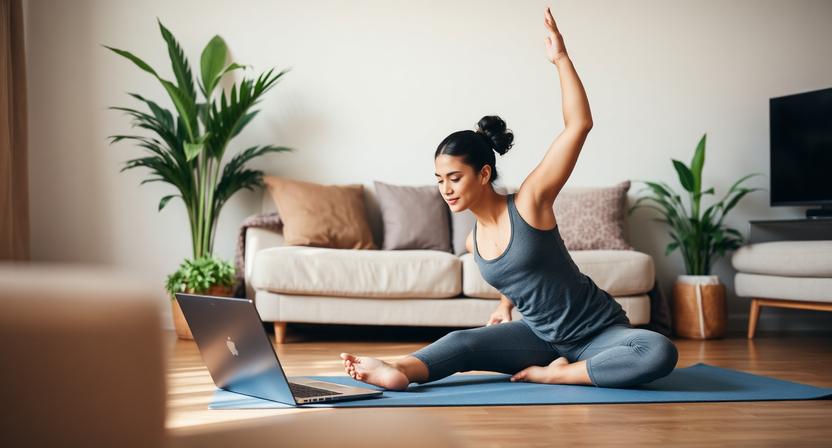
Meera felt her body had “tightened up” completely after her pregnancy. She felt frustrated during her online yoga classes. We identified that her “tightness” was actually a lack of core stability—her body was tensing her back muscles to compensate for a weak core. Once she focused on stability rather than “stretching,” her back pain disappeared and her flexibility returned naturally.
FAQs
1. Why am I tighter in the morning than in the evening? During sleep, your tissues lose hydration and “set” in place (this is sometimes called the “fuzz” effect). As you move throughout the day, your body temperature rises and your tissues become more lubricated.
2. Can I be “too tight” for yoga? Never. Saying you are too tight for yoga is like saying you are too dirty to take a bath. Tightness is the reason to do yoga, not a reason to avoid it.
3. Does diet affect flexibility? Yes. High-inflammatory foods (processed sugars, excessive caffeine) can make your connective tissues feel more rigid and “crunchy.”
4. How long does it take to stop feeling tight? Most people notice a significant change in “functional mobility” within 4–6 weeks of consistent (3 times a week) practice.
5. Is it okay to feel pain while stretching? No. You should feel “sensation,” but never sharp, shooting, or localized pain. If you feel pain, back out of the pose immediately.
6. Why are my hamstrings always tight even though I stretch them? Your hamstrings might be “tight” because they are actually over-stretched or weak. Sometimes, stretching the hip flexors or strengthening the glutes is the real solution to “tight” hamstrings.
7. Can stress cause physical tightness? Absolutely. The “psoas” muscle is often called the “muscle of the soul” because it reacts instantly to stress by contracting, causing tight hips and lower back pain.
8. Is outdoor yoga better for stiffness? The natural warmth of an outdoor yoga session in Chennai can help soften the tissues faster than a heavily air-conditioned indoor studio.

The Path to Fluidity
Tightness is not your enemy; it is your teacher. It is a map of where you have been and an invitation to move with more mindfulness. In the vibrant, busy streets of Chennai, our bodies often become the armor we wear to survive the day. Yoga is the process of gently taking that armor off.
Next time you feel “stiff” on the mat, don’t fight it. Breathe into it, use a block, and remember that every millimeter of movement is a victory for your long-term wellness.
Ready to melt away the stiffness? Join us at [Outdoor Yoga Chennai] for a session designed to meet your body exactly where it is today.

Leave a Comment