
Table of Contents
How should a beginner start yoga?
Starting a yoga practice often feels like standing at the edge of a vast, tranquil ocean. You know the water is healing, but you aren’t quite sure how to dive in without losing your footing. In a city like Chennai, where the pace of life at the IT parks in Sholinganallur or the bustling streets of T. Nagar can be relentless, yoga isn’t just a workout—it is a necessary recalibration of the soul.
For a beginner, the question of how to start yoga is usually buried under a mountain of small anxieties: Am I flexible enough? What equipment do I need? Should I go to a studio or stay at home? The truth is, the most difficult part of yoga is simply unrolling the mat for the first time. Yoga is a practice that meets you exactly where you are, regardless of your age, weight, or ability to touch your toes. By starting with a curious mind and a gentle heart, you transform a physical exercise into a lifelong journey of self-discovery.
What is Beginner Yoga?
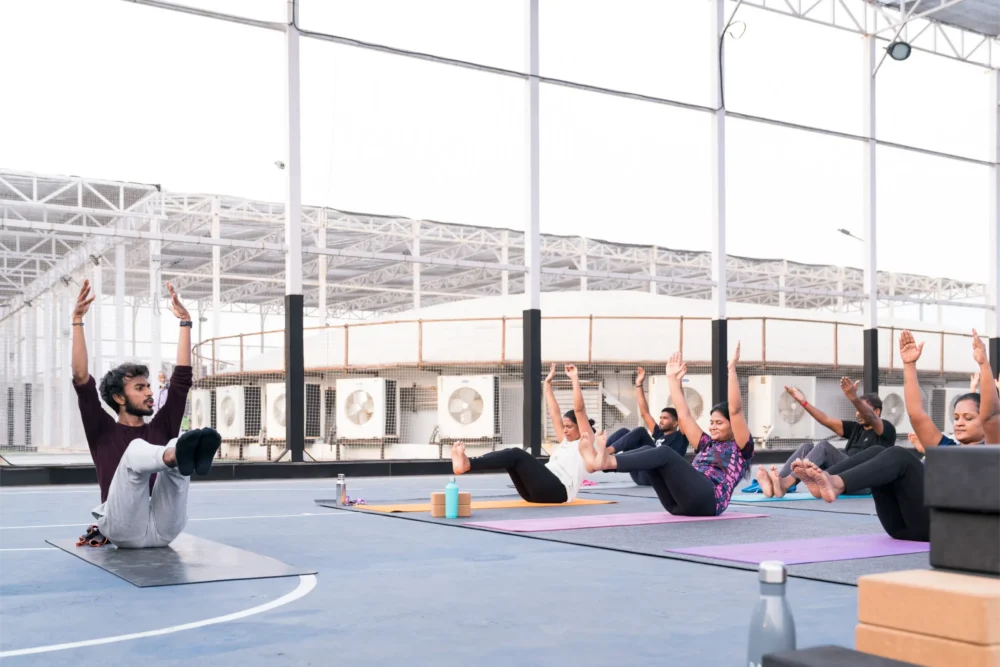
Beginner yoga is the foundational stage of a yoga practice that introduces students to basic physical postures (asanas), mindful breathing (pranayama), and simple meditation techniques. It focuses on safe alignment, building core stability, and establishing a consistent routine to improve overall physical and mental well-being.
Why it Matters: The Bridge to Better Living
In our modern, high-stress environment, our bodies are often stuck in a state of “chronic contraction.” We hunch over laptops, grip steering wheels in traffic, and hold our breath during stressful meetings.
Reversing the Damage of Sedentary Life
Yoga matters because it systematically undoes the physical damage caused by the modern world. For a beginner, starting yoga means finally giving the spine the movement it craves and the lungs the space they need to breathe deeply.
The Mental Anchor
Beyond the physical, yoga provides an emotional anchor. When you learn to stay calm in a challenging pose, you are training your brain to stay calm during life’s actual challenges. It is “stress-management training” disguised as physical movement.
How it Works: The Roadmap to Your First Flow
Starting yoga doesn’t require a master’s degree in philosophy; it requires a logical, step-by-step approach to ensure you don’t burn out or get injured.
- Define Your Goal: Are you looking for weight loss, flexibility, or stress relief? Knowing your “why” helps you choose the right style (e.g., Hatha for basics, Vinyasa for flow).
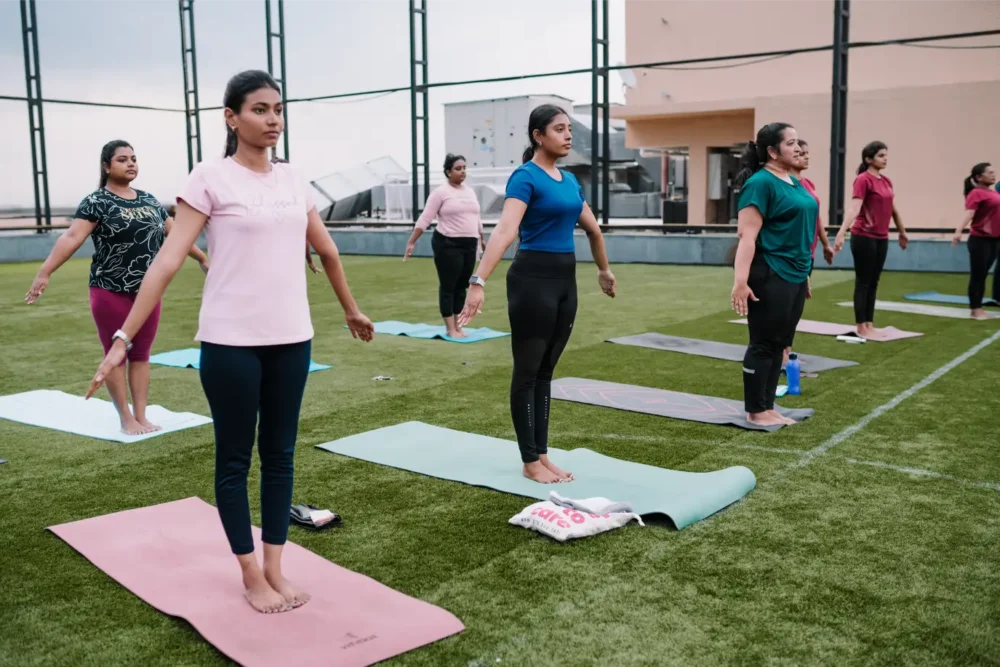
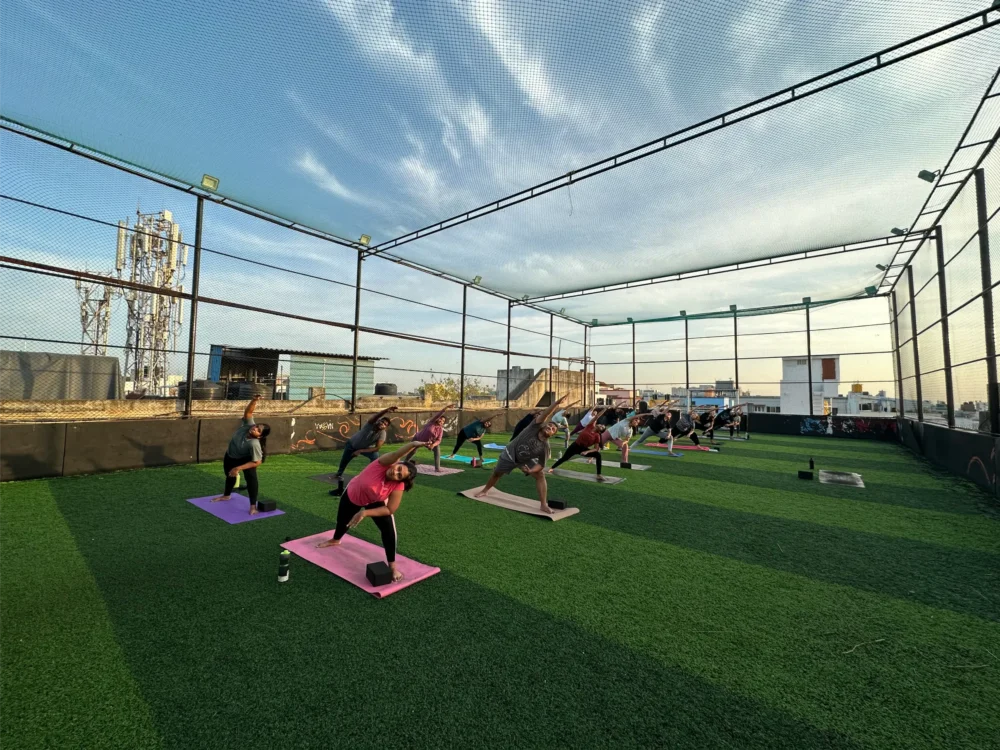
- Select Your Environment: Decide between a local studio, online yoga classes, or an outdoor yoga Chennai community. Beginners often benefit from live instruction to ensure their alignment is safe.
- Learn the Breath: Yoga is moving meditation. The first step is learning to breathe through the nose, which filters the air and calms the nervous system.
- Master the Foundations: Focus on the “Big 5” beginner poses: Mountain Pose, Downward Dog, Warrior I, Plank, and Child’s Pose.
The Benefits of Starting Today
Physical: Functional Mobility
Beginners often notice a “lightness” in their step within the first few weeks. As you strengthen your muscles and lengthen your fascia, your posture improves, and chronic aches—especially in the lower back and neck—begin to dissipate.
Mental: Cognitive Focus
Yoga requires “embodied attention.” You cannot think about your emails while trying to balance in Tree Pose. This forced focus acts as a reset button for a cluttered mind, improving productivity and reducing brain fog.
Emotional: Resilience
By showing up for yourself on the mat, you build a sense of self-trust. You learn that discomfort is temporary and that you have the internal tools to navigate through it.

How Beginners Can Approach the First Month
If you are in your first thirty days of practice, treat yourself with the same kindness you would show a child learning to walk.
- Lower the Bar: Don’t aim for a 90-minute session. Aim for 15 minutes a day. Consistency is the secret ingredient that turns a “try” into a “habit.”
- Focus on Feeling, Not Looking: A pose should feel like “sweet discomfort,” never sharp pain. If you look like a magazine cover but can’t breathe, you aren’t doing yoga; you’re doing gymnastics.
- Join a Community: Whether it’s a yoga institute in Chennai or a virtual group, practicing with others provides the accountability that a solo home practice often lacks.
Common Misunderstandings
“I’m too stiff for yoga.” This is the most common reason people don’t start, yet it is the primary reason why they should. Saying you are too stiff for yoga is like saying you are too thirsty to drink water.
“I need to buy expensive gear.” You need a mat and comfortable clothes. Everything else—blocks, straps, bolsters—can be substituted with household items like books, belts, and pillows.
“Yoga is a religion.” While yoga has spiritual roots, the modern practice is a secular science of well-being. It is a tool for the body and mind that complements any belief system.
Real-World Scenarios
Scenario A: The Tech Professional
Arjun, a software engineer in Chennai, suffered from chronic “tech-neck” and anxiety. He was afraid he would look “silly” in a class. He started with online yoga classes for beginners. Having the privacy of his home allowed him to wobble and fall without shame. Six months later, he attends live beach-side sessions with confidence.
Scenario B: The Busy Parent
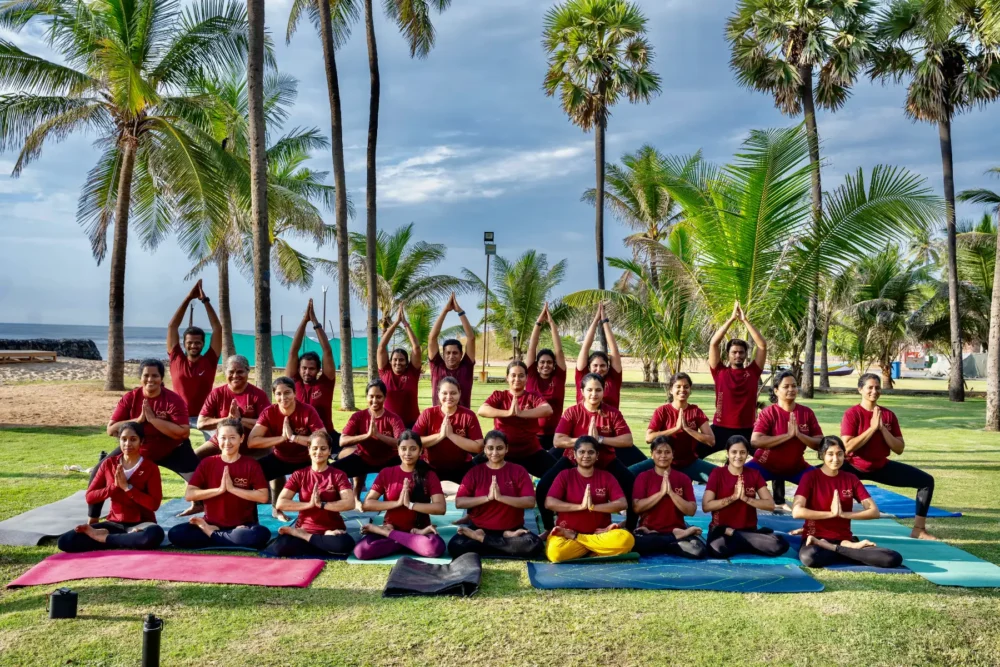
Deepika felt she had no time for herself between her kids and her job. She decided to start yoga for just 10 minutes every morning before the house woke up. That small window of silence became her “sanity saver,” eventually leading her to join a weekend outdoor yoga group to connect with other women.
Practical Tips for Your First Session
- Don’t Eat Heavy: Try to practice on an empty stomach or wait at least two hours after a meal.
- Arrive Early: If going to a class, arrive 10 minutes early to speak with the teacher about any injuries or concerns.
- Invest in a Good Mat: A “sticky” mat prevents your hands from sliding in Downward Dog, which makes the practice much safer and more enjoyable.
- Hydrate: Especially in the Chennai heat, ensure you drink water after your practice to help flush out the toxins released during twists.
FAQs
1. What should I wear to my first yoga class? Wear breathable, stretchy clothing that stays in place when you bend over. Avoid overly baggy clothes that might slide over your face during inversions.
2. How many times a week should a beginner practice? Aim for 2–3 times a week to allow your body to adapt. Once you feel comfortable, a daily short practice is highly beneficial.
3. Is it better to learn from a video or a live teacher? For the first few sessions, a live teacher (online or in-person) is better. They can provide real-time alignment corrections that prevent long-term injury.
4. What if I can’t do a pose? Every pose has a modification. If a pose feels impossible, ask your teacher for a “variation” or use a prop to bring the floor closer to you.
5. Can I start yoga if I have an injury? Yes, but consult your doctor first. Always inform your yoga instructor about the injury so they can provide safe alternatives.
6. Will yoga help me lose weight? Yes, particularly styles like Vinyasa or Power Yoga. However, even gentle yoga helps by reducing cortisol (the stress hormone linked to belly fat).
7. Where can I find a beginner-friendly yoga institute in Chennai? Outdoor Yoga Chennai offers specialized sessions for beginners that focus on foundations in a non-judgmental environment.
8. Should I do yoga in the morning or evening? Morning is great for energy; evening is great for de-stressing. The best time is whichever time you can stick to consistently!
Conclusion: One Breath at a Time
Starting yoga is an act of courage. It is a decision to stop running and finally sit with yourself. In the humid, vibrant air of Chennai, as you take your first deep breath on the mat, remember that you don’t need to be perfect to be successful. You only need to be present.
The mat is a mirror. It will show you your strength, your patience, and your potential. So, unroll it today. Your future, more balanced self is waiting to meet you.


Leave a Comment