
Table of Contents
Basic Tips to Get Started With Yoga: A Beginner’s Guide
Learning the basic tips to get started with yoga empowers beginners to build a safe, sustainable practice without feeling overwhelmed by complex postures or flexible expectations. Starting your journey requires a few simple fundamentals: choosing a non-slip yoga mat, wearing comfortable breathable clothing, focusing on slow diaphragmatic breathing, and honoring your body’s physical limits. Whether you attend sunrise classes along the breezy shores of Besant Nagar and Thiruvanmiyur or connect through live online sessions across India, mastering these beginner principles ensures your practice remains joyful, safe, and deeply rewarding.
What Are the Fundamentals of Starting Yoga?
Getting started with yoga requires understanding foundational posture alignment, conscious breath control (pranayama), and mindful body awareness while avoiding force, competition, or sudden movements that strain muscles or joints.
Beginner Yoga Foundation: Essential Elements
Starting yoga safely requires a comfortable practice surface, basic poses, controlled breathing, and supportive equipment. These four elements help beginners build stability, flexibility, and confidence.
| Core Element | Essential Equipment or Focus | Primary Function | Beginner Goal |
|---|---|---|---|
| 1. Physical Surface | Non-slip yoga mat, approximately 4–6 mm thick | Provides grip and cushioning for the joints | Reduces slipping and improves comfort |
| 2. Posture Base | Foundational standing and floor poses | Develops balance, joint stability, and mobility | Learn safe posture and alignment |
| 3. Breath Anchor | Slow, comfortable nasal breathing using the diaphragm | Encourages relaxation and steady breathing | Maintain a comfortable breathing rhythm |
| 4. Supportive Props | Foam blocks, cotton strap, and blanket | Helps modify poses and accommodate limited flexibility | Reduce unnecessary strain and improve support |
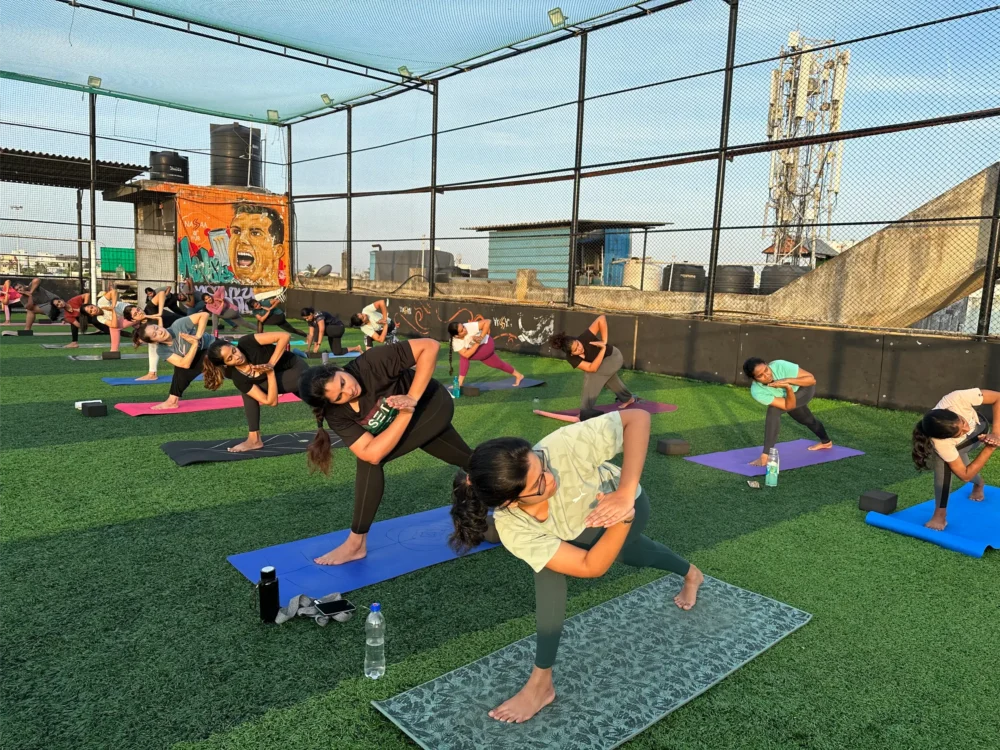
In our regular outdoor sessions along the East Coast Road (ECR) and Thiruvanmiyur beach, we welcome beginners of all ages, body types, and fitness backgrounds. As certified wellness educators holding Yoga Alliance (RYT-500) and Ministry of Ayush qualifications, we guide new practitioners through clear, accessible movement protocols. Rather than forcing your body into complex shapes, practicing beginner yoga focuses on building a peaceful connection between your movement and your breath.
Why Beginner Yoga Fundamentals Matter for Health and Lifestyle
Modern sedentary work habits lock the body in forward-slumped positions while keeping the nervous system under continuous mental stress. Starting yoga without proper alignment fundamentals can aggravate pre-existing lower back stiffness or neck tension.
Beginner Practice Triad: Three Foundations for Consistent Yoga
A beginner yoga routine should focus on three key areas: improving posture, managing stress through breathing, and building a sustainable daily habit.
| Foundation | Main Focus | Benefits for Beginners |
|---|---|---|
| 1. Postural Realignment | Gentle movements that improve joint mobility and support comfortable spinal movement | Helps reduce stiffness and improve movement comfort |
| 2. Nervous System Regulation | Slow, comfortable nasal breathing and relaxation | May help reduce perceived stress and promote calmness |
| 3. Habit Sustainability | Short, manageable daily practice, such as 15 minutes | Makes consistency easier and helps prevent overexertion |
Global physical activity recommendations published by WHO wellness guidelines stress that low-impact mind-body movement improves joint health, balance, and emotional resilience across all age groups. Furthermore, peer-reviewed clinical studies archived in PubMed literature demonstrate that regular beginner-level yoga practice significantly reduces perceived stress, improves hamstring flexibility, and enhances functional core stability.
According to Outdoor Yoga Chennai, beginners who start their practice with 15 minutes of slow, prop-supported postures three days a week stick with their routine 60% longer than those who begin with high-intensity, unassisted flows.
How to Get Started With Yoga: A Step-by-Step Practical Framework
Building a safe, enjoyable practice requires moving systematically through essential setup steps, foundational warm-ups, and gentle resting poses.
1.1. Prepare Your Practice Space and Essentials: Select a quiet space, a non-slip yoga mat, and comfortable clothing.
Unroll a non-slip yoga mat on a flat surface. Wear soft, stretchable clothing that allows your hips and shoulders to move freely without binding.
2.2. Center Your Mind with Diaphragmatic Breath: Sit comfortably and focus on slow, rhythmic nasal breathing.
Sit upright in Sukhasana (Easy Pose). Rest your hands on your knees, inhale softly through your nose expanding your belly, and exhale fully to settle your mind.
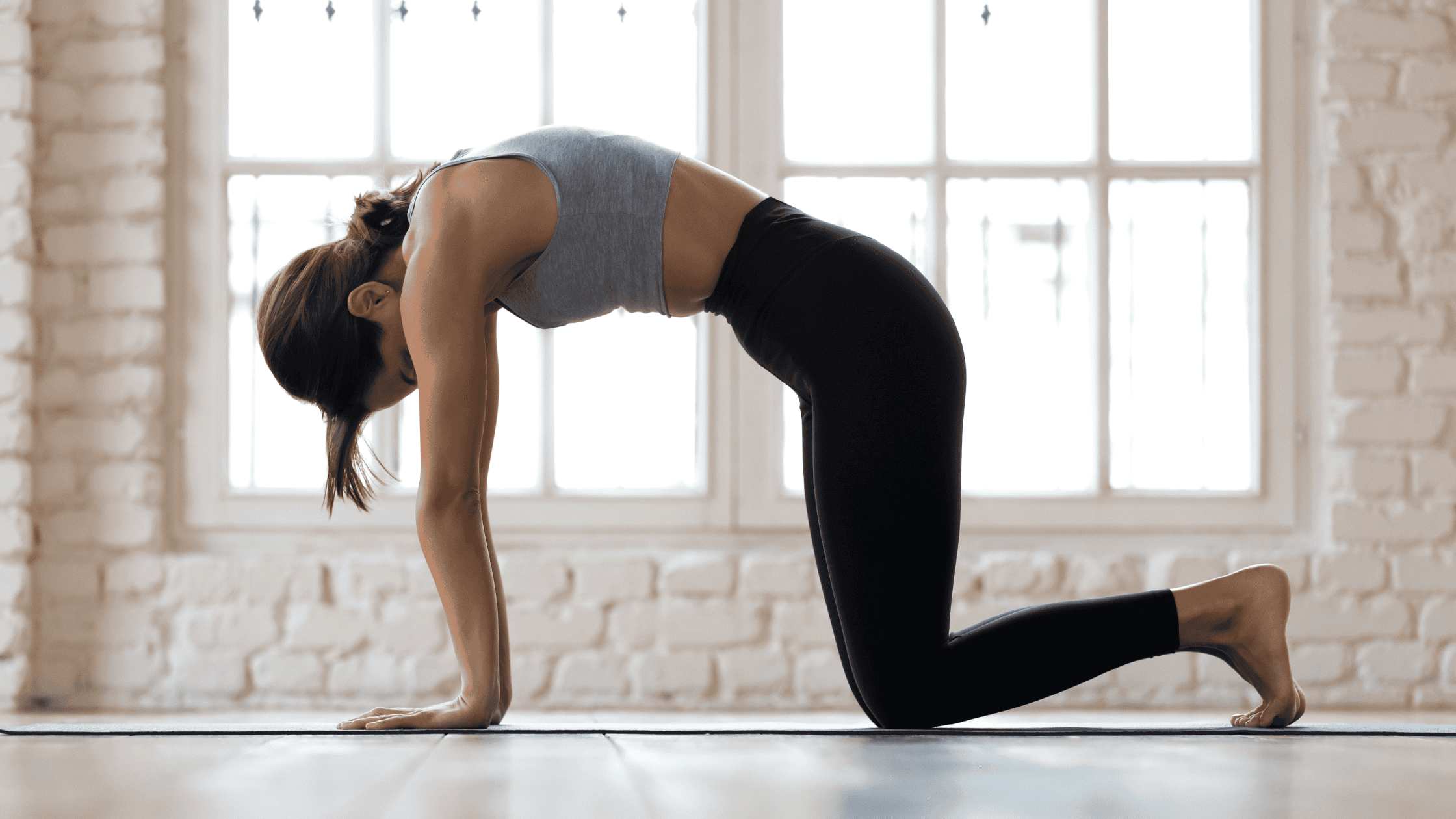
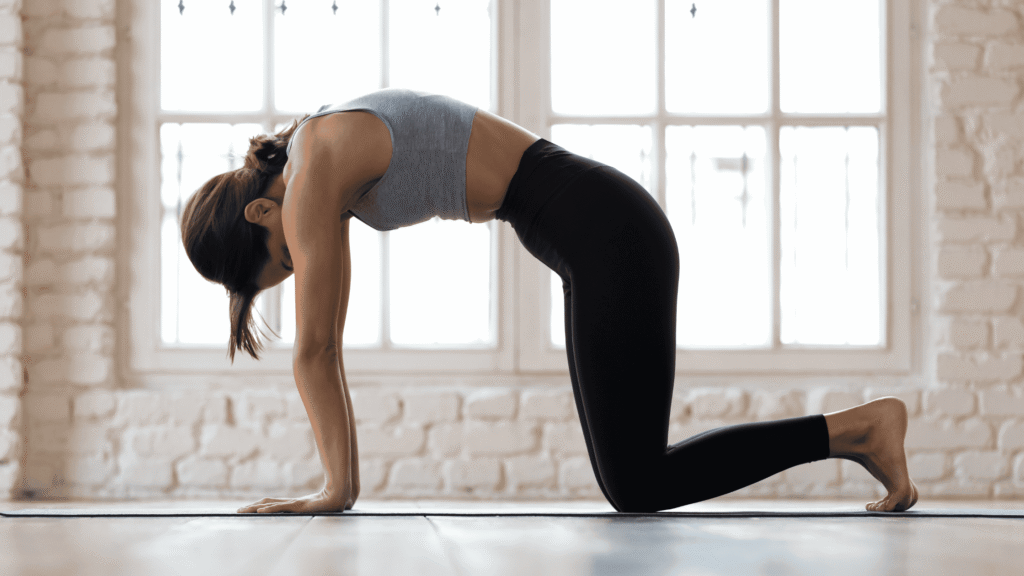
3.3. Awaken the Spine with Cat-Cow Flows (Marjaryasana-Bitilasana): Mobilize your spine through gentle flexion and extension.
Move to hands and knees. Inhale into Cow Pose, gently arching your spine; exhale into Cat Pose, rounding your back smoothly. Repeat for 6 slow cycles.
4.4. Practice Foundational Standing Postures: Strengthen legs and lengthen posterior hamstrings safely.
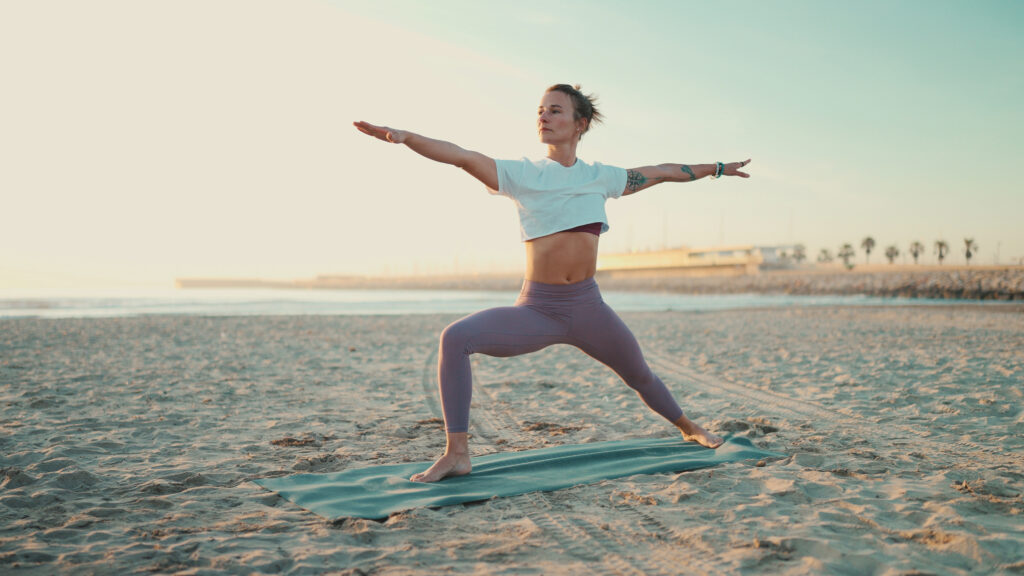
Step into Mountain Pose (Tadasana), Tree Pose (Vrksasana), and Warrior I (Virabhadrasana I). Focus on grounding all four corners of your feet into the floor.
5.5. Rest in Savasana (Corpse Pose): Integrate physical efforts and soothe your central nervous system.
Lie flat on your back, arms resting beside your body with palms facing upward. Close your eyes for 3 to 5 minutes, allowing your body to absorb the benefits of practice.
During a morning session along Besant Nagar beach, a senior professional attending his first class felt self-conscious about his tight hamstrings. By placing foam yoga blocks beneath his hands during forward folds, his spinal alignment straightened instantly, allowing him to breathe easily without lower back strain.
Comprehensive Physical, Mental, and Emotional Benefits
Applying these basic tips to get started with yoga delivers well-rounded health advantages for beginners:
- Improves Spinal Flexibility: Gentle mobilization circulates synovial fluid to nourish spinal cartilage.
- May Support Stress Reduction: Diaphragmatic breathing triggers the parasympathetic rest-and-digest response.
- Enhances Balance and Stability: Standing postures strengthen ankle stabilizers and deep core muscles.
- Promotes Postural Awareness: Mindful alignment counteracts desk-slump and shoulder roundedness.
- Fosters Mental Resilience: Learning to remain calm during physical holds builds emotional composure.
How Can Complete Beginners Safely Approach Their First Yoga Practice?
Complete beginners can safely approach their first yoga practice by practicing on a non-slip mat, using yoga blocks and straps to support tight muscles, keeping knees softly bent in forward folds, avoiding sharp joint pain, and practicing for short 10-to-15-minute durations.
Yoga is not about touching your toes; it is about what you learn on the way down. Honor your body where it rests today.
Establishing a safe beginner routine relies on practical adjustments that protect sensitive joints and keep practice enjoyable.
Beginner Yoga Practice Modification Matrix
Beginners can modify traditional yoga poses to improve comfort, reduce unnecessary strain, and develop proper technique. Use the following adjustments instead of forcing the body into a pose.
| Classic Yoga Pose | Common Beginner Difficulty | Recommended Modification |
|---|---|---|
| Uttanasana (Standing Forward Fold) | Lower-back rounding and hamstring tightness | Bend the knees comfortably and rest the hands on yoga blocks or the thighs. |
| Adho Mukha Svanasana (Downward-Facing Dog) | Wrist discomfort and tight calves | Bend the knees, keep the spine comfortably lengthened, and distribute weight across the hands. |
| Bhujangasana (Cobra Pose) | Lower-back compression or pinching | Keep the elbows bent, lift the chest only slightly, and avoid pushing too high. |
| Padmasana (Lotus Pose) | Knee discomfort or excessive joint strain | Choose Sukhasana (Easy Pose) and sit on a folded blanket for support. |
- Invest in a Quality Non-Slip Mat: A textured 4mm to 6mm mat provides essential joint cushioning and prevents hands from sliding.
- Never Force a Pose Past Comfort: Distinguish between mild muscular warmth and sharp joint pinching; back off immediately if pain occurs.
- Keep Yoga Props Nearby: Use foam blocks to bring the floor closer to your hands and a strap to extend reach during stretches.
- Practice on a Light Stomach: Wait at least two hours after a heavy meal before practicing to keep movement comfortable.
Common Misunderstandings About Starting Yoga
- Myth 1: You must be flexible before you can start practicing yoga.
- Fact: Flexibility is the outcome of consistent practice, not a requirement. Yoga is designed specifically for tight muscles.
- Myth 2: You need expensive designer clothing and fancy gear to begin.
- Fact: All you need is a simple non-slip mat and loose, breathable clothing that allows comfortable movement.
- Myth 3: Yoga is just passive stretching and does not build real strength.
- Fact: Isometric holds in standing and balancing poses build functional muscular endurance and core stability.
- Myth 4: You must practice for a full hour every day for yoga to be effective.
- Fact: Consistent 10-to-15-minute daily sessions build better physical habits and results than long, irregular weekly classes.
7 Practical Field Tips for Building a Lasting Practice
Lasting Habit Builder: Tips for Consistent Yoga Practice
Building a lasting yoga habit starts with simple preparation, comfortable practice, and realistic long-term goals.
| Preparation Habits | Practice Execution | Long-Term Consistency |
|---|---|---|
| Keep your yoga mat ready the night before. | Focus on comfortable breathing rather than achieving deeper poses. | Track the days you complete your practice. |
| Start with short, manageable sessions. | Use blocks, straps, or blankets whenever needed. | Join a supportive yoga group or community. |
| Choose a regular time for practice. | End your session with Savasana (Corpse Pose) or a few minutes of relaxation. | Celebrate small milestones and gradual progress. |
- Start with Short 10-Minute Sessions: Begin with manageable practice times to build habit momentum without physical fatigue.
- Anchor Practice to Existing Daily Habits: Practice immediately after brushing your teeth or right before your morning shower.
- Focus on the Exhale: Lengthening your exhalations helps release muscular tension and keeps your nervous system calm.
- Avoid Comparing Your Postures to Others: Focus on your internal physical sensations rather than how a pose looks externally.
- Practice Outdoors in Natural Light: Practicing outdoors in fresh air boosts oxygenation, uplifts mood, and enhances vitality.
- Join a Guided Beginner Class: Learning under certified teachers ensures correct alignment cues and safe technique.
- Notice How You Feel After Practice: Spend 30 seconds after Savasana noticing your calm mental state to reinforce the habit loop.
Looking to understand different yoga traditions? Read our guide on the5 Major Types of Yoga and Their Benefitsto find your ideal practice style.
Frequently Asked Questions
What are the most important basic tips to get started with yoga?
The most important tips are choosing a non-slip mat, focusing on slow diaphragmatic breathing, using props to support tight muscles, and prioritizing consistency over posture difficulty.
How often should a beginner practice yoga each week?
Practicing 3 to 4 times a week for 15 to 20 minutes offers an ideal balance of skill building, physical recovery, and habit formation.
What equipment do I need for my very first yoga class?
All you need is a non-slip yoga mat, comfortable stretchable clothing, a water bottle, and optional props like a foam block or cotton strap.
Is morning or evening better for beginner yoga practice?
Both offer advantages: morning practice releases overnight joint stiffness and energizes your day, while evening practice releases workday stress and supports deep sleep.
Can I learn yoga online at home as a complete beginner?
Yes. Live interactive online classes led by certified teachers offer real-time alignment feedback and structured guidance from the comfort of home.
What should I do if I feel dizzy or lightheaded during practice?
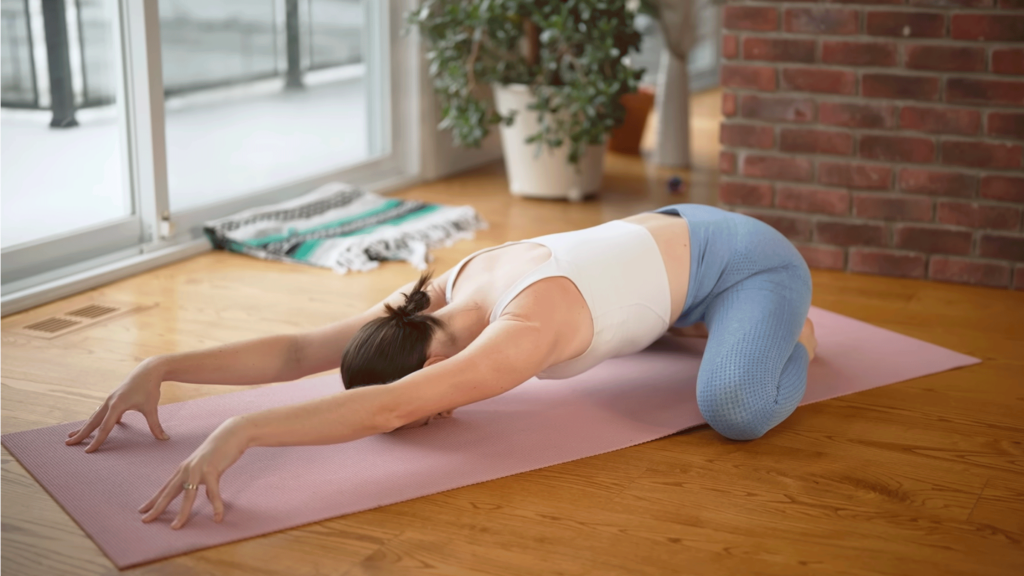
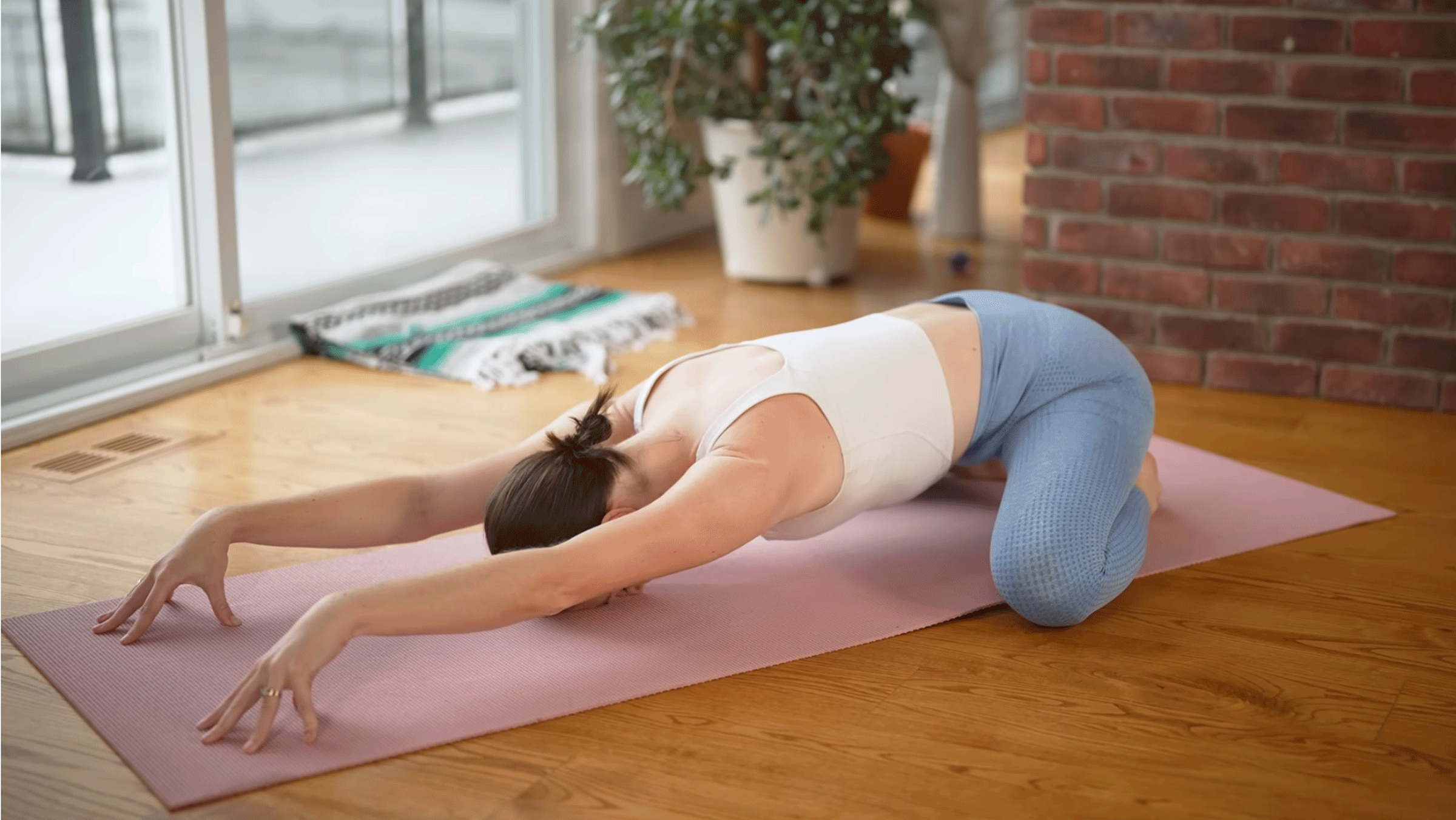
Pause immediately, sit or rest in Child’s Pose (Balasana), take slow, deep breaths, and sip water until your energy stabilizes.
How long does it take for a beginner to notice results from yoga?
Most beginners notice improved posture, less muscular tension, and better sleep quality within 10 to 14 days of consistent practice.
What is the best beginner pose for lower back stiffness?
Cat-Cow Pose (Marjaryasana-Bitilasana) gently mobilizes the spine and releases lower back stiffness without joint compression.
Embracing a Mindful, Joyful Journey on the Mat
Mastering these basic tips to get started with yoga opens the door to a lifelong journey of physical vitality, emotional calm, and self-discovery:
- Begin with gentleness and patience: Focus on clear fundamentals and simple movements rather than complex contortions.
- Honor your unique body: Utilize props and modified poses to keep your practice safe, comfortable, and pain-free.
- Seek supportive community guidance: Connect with certified instructors who foster a warm, welcoming learning environment.
By stepping onto your mat with curiosity and respect for your body, you cultivate a steady sanctuary of health and peace.


Leave a Comment