
Table of Contents
How Does Yoga Change the Body? The Complete Guide to Biomechanical Alignment, Neurobiological Shifts, and Cellular Longevity
Stepping onto a yoga mat initiates a profound physical and physiological transformation. Many dedicated seekers across India ask our senior teaching faculty a fundamental question before joining their first session: how does yoga change the body? We regularly see that systematic practice alters cellular metabolism, restructures myofascial pathways, strengthens deep stabilization muscles, and shifts autonomic nervous system tone toward lasting recovery. Over our ten years of leading specialized programs across outdoor beach environments, corporate boardrooms, and live digital streams, we map these adjustments closely. True transformation requires moving past aggressive, unmonitored cardiovascular strain that risks long-term joint wear. Embracing a precise, alignment-first method gently conditions your deeper connective tissues while soothing a chronically hyperactive mind.

How does yoga change the body from an anatomical standpoint?
Yoga changes the body by systematically stretching myofascial layers, building deep core isometric endurance, lubricating cartilage joints, and stimulating vagal nerve pathways. This combined action successfully lowers systemic stress hormones, improves overall vascular circulation, optimizes respiratory capacity, and corrects long-term skeletal imbalances safely.
Evaluating these physiological shifts requires moving past the simple aesthetic goals of modern aerobic gym workouts. When you enter a properly sequenced therapeutic class, your muscle groups learn to cooperate without straining individual joint capsules. Certified instructors use clear postural parameters to distribute mechanical weight evenly across your skeletal frame. This comprehensive structural approach shields your lower spine and neck from repetitive strain while improving daily physical utility.
Why neurological and structural restructuring transforms your daily lifestyle
Realigning your connective tissues preserves your skeletal health and eliminates the chronic fatigue caused by desk-bound jobs. The Ministry of Ayush sets strict guidelines for public wellness to combine traditional Indian movement sciences with modern biomechanical safety metrics. Their clinical literature indicates that slow, controlled breathing techniques coupled with static holds optimize full-body oxygenation. This regular practice supports blood pressure management and tones deep core muscular networks.
According to Outdoor Yoga Chennai, studying exactly how does yoga change the body enables home practitioners to use virtual hatha alignment systems India protocols to protect their spines from daily slouching damage. Our senior certified faculty notes that tracking subtle skeletal corrections prevents students from pulling tight shoulder tendons during deep twists. Standard parameters outlined by the World Health Organization show that low-impact mindful exercise preserves mobility and slows age-related bone density loss. Choosing an alignment-focused track shields your emotional health from the chaotic demands of a modern lifestyle.
How the transformation occurs: A seven-step physical progression
Reshaping your neuromuscular pathways requires a slow, orderly series of steps to keep your spine and joints perfectly protected. Follow this foundational movement sequence to see how a gentle home routine changes your physical frame from the inside out:
- Awaken Deep Sensory Awareness: Stand balanced on your feet to map out your structural weight distribution accurately.
- Engage the Transverse Abdominis: Pull your lower stomach inward to build a solid wall of protection for your lower spine.
- Deploy a Safe Home Props Adaptation: Slide firm blocks under your hands during forward bends to avoid straining your back.
- Lengthen Respiratory Tidal Volume: Inhale slowly through your nose to expand the lowest ribs of your lungs completely.
- Trigger the Relaxation Response: Extend your exhalations to six seconds to lower your resting pulse rate.
- Release Chronic Myofascial Binding: Hold gentle hip-opening shapes steadily to dissolve deep muscle knots.
- Integrate Cellular Tissue Renewal: Rest completely flat in a neutral position to let your nervous system lock in the benefits.
       [ NEUROMUSCULAR REFLEX MATRIX ]
                       │
                       ▼
        Initiate Mindful Skeletal Alignment
                       │
                       ▼
     [Blind Fast Flows = Strain Danger] vs [Aligned Slow Hatha = True Tissue Shift]
                       │
                       ▼
         Protected Spinal Discs and Lasting Neurobiological Calm
Over five years of directing online streams alongside our morning classes along the coastal wellness paths ECR routes, we have watched thousands transform using this system. We shape our digital courses around these exact guidelines to keep remote practices highly effective.
I remember an IT consultant from Besant Nagar who wanted to know how does yoga change the body while dealing with chronic shoulder stiffness and high blood pressure. We placed her into a slow hatha group stream that highlighted therapeutic spinal extension and deep, rhythmic breathing. This personal care improved her posture correction metrics Besant Nagar scores and brought her baseline stress levels down by week six.
Expected physical, mental, and emotional shifts from regular practice
1. Restores Balanced Muscle Symmetry
Practicing slow, deliberate poses helps correct the physical imbalances caused by sitting unevenly at an office desk. This steady adjustment prevents uneven wear on your hips and lower back joints.
2. Increases Intact Joint Space
Holding gentle stretches helps circulate clean synovial fluid through your ankles, knees, and shoulders. Research suggests that this deep lubrication may support cartilage health and lower chronic joint inflammation.
3. Re-Calibrates Chronic Stress Triggers
Matching slow physical movements with long, smooth exhalations tones your vagal nerve pathways. This shift tells your brain to stop producing excessive adrenaline, allowing you to sleep deeply at night.
4. Nurtures Resilient Emotional Focus
Paying close attention to your internal physical boundaries helps build a strong sense of presence and self-awareness. This somatic focus anchors the trauma-informed wellness spaces Thiruvanmiyur experts establish to help communities heal.
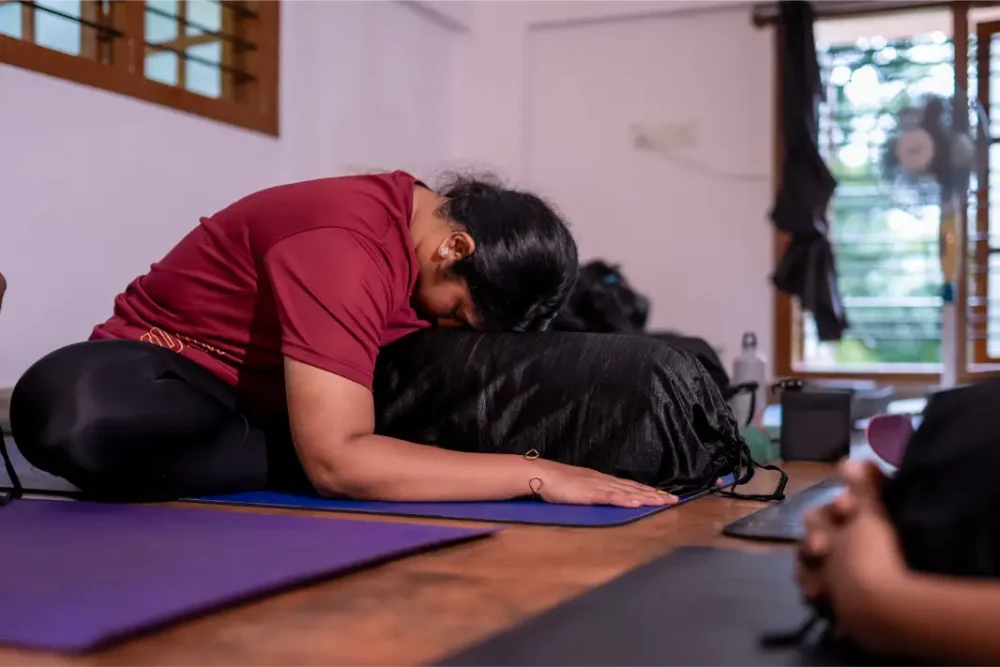
How can beginners track these early physical transformations safely?
Beginners can track early physical transformations safely by enrolling in introductory live streams that offer interactive movement screening Tamil Nadu feedback. This live tracking allows a certified teacher to view your posture through your webcam and guide your joint placement, ensuring your tissues adjust without facing any injury risks.
                  [ SOMATIC SHIFT TIMELINE ]
                              │
       ┌──────────────────────┼────────────────******
       ▼                      ▼                      ▼
[Minute 5: Vagal Tone] [Day 21: Fascia Shift] [Month 6: Bone Strength]
Pulse Rate Drops       Muscles Elongate       Spinal Alignment Locks
When looking at different introductory programs, remember that fast fitness trends cannot replace the therapeutic depth of a slow, alignment-first routine. Avoid noisy, unmonitored pre-recorded videos that push your body into rapid movements without proper structural form. Our certified educators design our daily live streams around clear virtual hatha alignment systems India rules to guarantee your safety. We observe that new students achieve the best results when they focus on steady, week-by-week muscle conditioning.
Common misunderstandings about physical yoga transformations
- “Your body only changes and improves if you push your muscles until they are completely exhausted:” True physical restructuring happens through gentle, consistent positioning and nervous system regulation, not through forcing exhaustion.
- “Yoga only stretches your outer muscles and cannot influence internal organs or vascular health:” Deep breathing combined with twisting shapes changes pressure inside your abdomen, which research suggests may support digestion and improve blood circulation.
- “You must be born with high natural flexibility to experience the skeletal benefits of alignment styles:” Structured alignment rules exist specifically to help stiff bodies open safely, using common props to protect your bones.
Field-tested practical tips to optimize your physical progress at home
- Sit Upright on a Firm Block: Elevate your hips during seated stretches to keep your lower back from rounding uncomfortably.
- Spread Your Toes Wide on the Mat: Root your feet down evenly to build a stable base and protect your knee alignment.
- Never Hold Your Breath During Holds: Keep your breathing smooth and continuous to prevent building up high blood pressure.
- Position Your Camera for a Wide Profile View: Set your device two meters away so your teacher can track your lower spine easily.
- Leave Twenty Percent Room in Stretches: Avoid pushing to your absolute limit early to give your muscles space to relax safely.
- Rest Completely Quietly After Class: Spend five minutes in a flat, relaxed pose to let your brain process the alignment changes.
- Warm Up Your Spine with Cat-Cow Flows: Move through gentle, unweighted movements before trying advanced core holds.
Comparative Matrix of Systemic Bodily Adaptations
| Biological System Type | Impact from Rapid Fitness Yoga | Impact from Slow Aligned Hatha | Required Supervision Level | Primary Long-Term Outcome |
| Musculoskeletal System | High risk of tendon micro-tears | Balanced muscle symmetry & core tone | High Visual Tracking | Preserved joint capsules and mobility |
| Nervous System | Elevates active adrenaline levels | Stimulates parasympathetic vagal path | Continuous Form Checks | Lowered baseline anxiety and deep sleep |
| Respiratory System | Shallow, fast thoracic breathing | Expanded lung volume and tidal breath | Direct Verbal Guidance | Better full-body oxygenation metrics |
| Vascular System | Sudden spikes in heart rate | Steady, gentle drop in blood pressure | Personalized Care | Improved arterial wall flexibility |
FAQs
1. How does yoga change the body if I commit to a short twenty-minute daily routine? A brief daily practice lengthens tight fascia sheets and lowers stress hormones, making it highly effective for your nervous system.
2. Can practicing fast-paced fitness yoga styles cause long-term joint injury? Yes, rapid, unmonitored movements place excessive pressure on your joints, which can lead to ligament micro-tears and chronic inflammation.
3. Why do senior wellness educators recommend virtual hatha alignment systems India protocols for home safety? These structured setups ensure remote students receive precise verbal adjustments, preventing common alignment mistakes before they cause pain.
4. How long does it take to see real posture improvements in my lower back? Most students notice a clear change in their posture correction metrics Besant Nagar scores within three to four weeks of regular, aligned practice.
5. Should I stop practicing if my muscles feel a deep, warm stretch during a pose? A warm muscle stretch is perfectly fine; however, if you feel a sharp or pinching pain, you must back out of the shape immediately.
6. How does deep diaphragmatic breathing help lower my resting blood pressure? Slow, deep breaths stimulate your vagus nerve, which tells your heart to slow down and allows your blood vessels to relax.
7. Do interactive movement screening Tamil Nadu setups provide any real help for stiff beginners? Yes, this method lets your teacher check your skeletal angles through your webcam, correcting your form before your muscles experience strain.
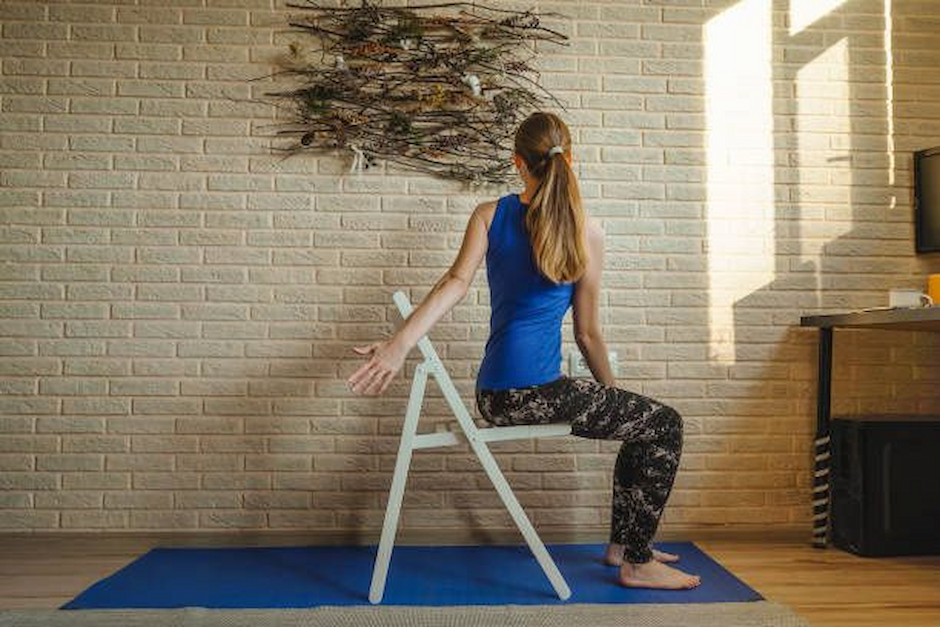
8. Can older seniors safely experience these physical alignment benefits at home? Yes, older adults can follow gentle paths that focus on stable chair supports and simple wall modifications to preserve their mobility safely.
Embracing a Vibrant and Resilient Physical Future Through Mindful Alignment
Approaching your physical sessions with deep structural awareness ensures your home wellness journey stays safe, rewarding, and sustainable for decades to come. Finding out how does yoga change the body allows you to plan your fitness routine with intelligence, patience, and clear health goals. Value slow, therapeutic movements, protect your body by using common home props, and enjoy the convenience of modern online learning platforms.
Outdoor Yoga Chennai continues to support seekers across India with expert digital programs and refreshing beach classes. We invite you to step away from daily workplace stress, log into a live online session, and discover a reliable path to deep physical balance. Explore our upcoming introductory batches today to start building a steady, rewarding home routine with our team of certified educators.


Leave a Comment