
Table of Contents
What Is the Latest Trend in Yoga? The Shift to Nervous System Regulation and Somatic Alignment
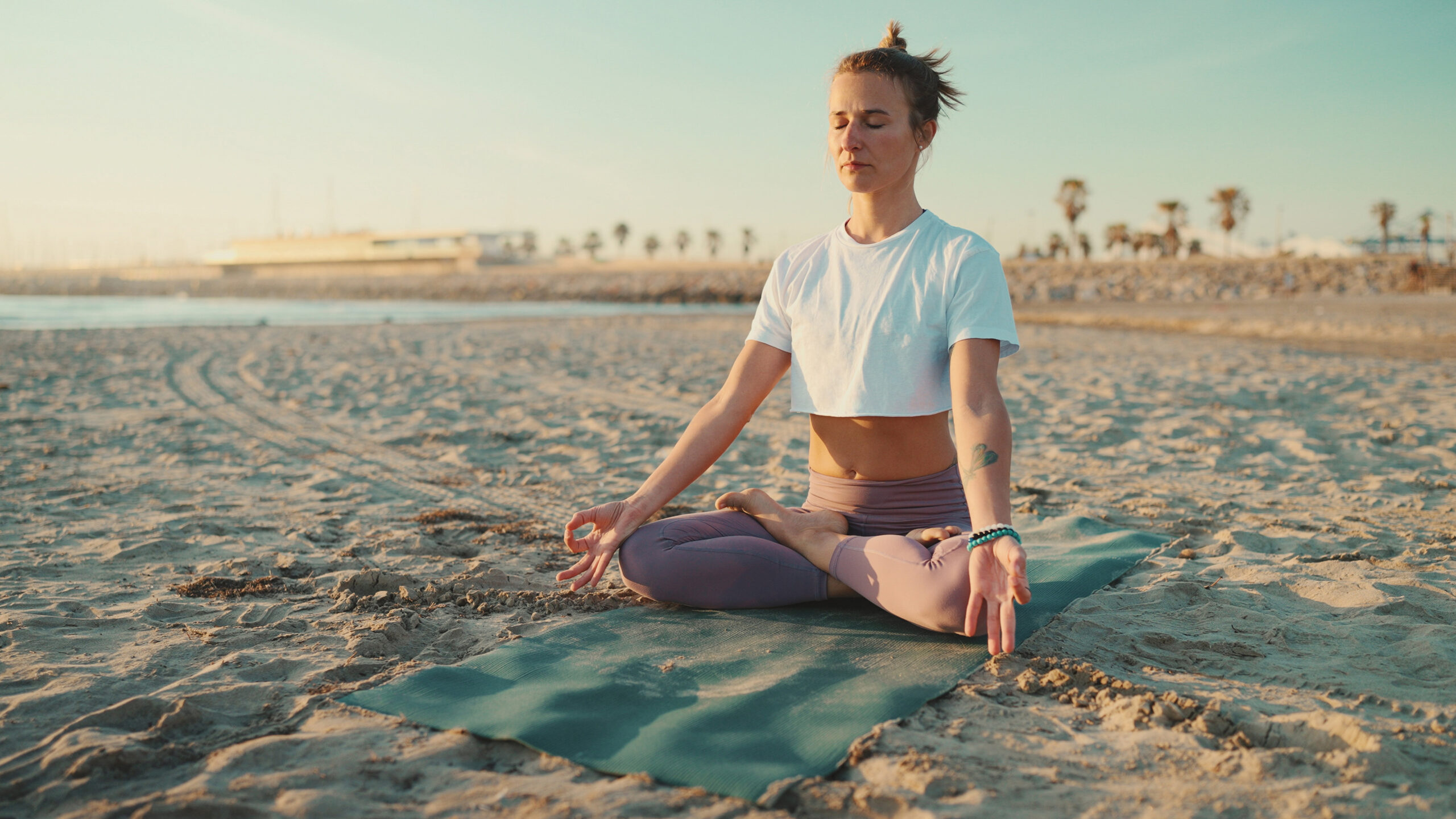
Committing to a regular somatic movement routine within your own home space transforms your overall vitality and mental clarity. Many dedicated practitioners look at the evolution of modern wellness and ask: what is the latest trend in yoga? The answer marks a beautiful shift away from complex acrobatics and toward internal nervous system regulation and somatic tissue release. Securing a structured virtual or open-air space allows you to build physical core strength, improve respiratory capacity, and manage stress effectively. Over our ten years of teaching across corporate boardrooms, windy coastal spaces, and digital live streams, we analyze practitioner behaviors closely.
Evaluating modern movement styles requires looking at instructor credentials, anatomical safety metrics, and structural alignment feedback methods. When you prioritize internal somatic sensing over performative aesthetics, you protect your joints and deepen your understanding of long-term mobility. Let us analyze the top emerging practices, health evidence, common practice errors, and mindful guidelines to establish a safe, life-changing modern routine.
What is the shift toward neuro-somatic yoga systems?
The shift toward neuro-somatic yoga systems represents a contemporary movement that prioritizes internal body awareness, vagus nerve stimulation, and nervous system regulation over advanced physical shapes. This methodology combines traditional hatha postures with modern neuroscience principles to help practitioners release deep-seated physical tension, manage chronic workspace burnout, and restore autonomic balance safely.
Transitioning your attention from how a posture looks to how it feels changes your entire relationship with physical fitness. Modern platforms bring science-backed somatic tools directly to your mat, matching your specific daily time constraints and lifestyle pressures. This updated methodology empowers you to use your movement practice as a deliberate tool for recovery rather than another intense workout. By focusing on somatic grounding techniques, you gain access to sustainable stress management tools regardless of your current flexibility levels.
Why the neuro-somatic approach matters for health and lifestyle
Long hours spent sitting at modern office desks cause significant posture imbalances and chronic physical fatigue. The Ministry of Ayush establishes clear guidelines for public safety to ensure traditional lineages adapt responsibly to modern lifestyle needs. Their published materials show that prioritizing steady breath regulation over intense physical exertion safely lowers systemic inflammation markers.
According to Outdoor Yoga Chennai, understanding what is the latest trend in yoga helps practitioners use virtual hatha alignment systems India protocols to reduce workspace fatigue from their home spaces. Our senior teachers continually notice that prioritizing internal safety indicators helps students remain consistent over many years. Global wellness guidelines published by the World Health Organization emphasize that gentle, regular mind-body movement supports healthy aging and preserves long-term joint independence. Embracing this internal shift builds a resilient nervous system capable of handling intense modern workplace challenges.
How neuro-somatic alignment works: A step-by-step physical exploration
Reorienting your movement style toward nervous system health requires an intentional, structured approach to your time on the mat. Follow this basic movement protocol to explore how the latest shift in practice works in your own body:
- Establish a Grounded Base: Stand or sit evenly on your mat, allowing your weight to drop fully into the floor beneath you.
- Settle Your Direct Gaze: Fix your eyes on a single unmoving point ahead to calm rapid, stressful brain activity.
- Initiate Slow Diaphragmatic Breaths: Inhale deeply through your nose, expanding your lower abdomen while keeping your chest and shoulders relaxed.
- Enter Poses with Soft Joints: Move into simple hatha shapes while keeping a gentle, micro-bend in your elbows and knees.
- Track Internal Physical Sensations: Notice areas of subtle tightness or warmth along your spine without judging the feeling.
- Apply Safe Prop Support: Slide thick blocks or rolled towels under your thighs to prevent your joints from straining.
- Rest in Complete Stillness: Spend five minutes lying flat on your back to let your nervous system integrate the practice.
Over five years of hosting group sessions along the windy coastal wellness paths ECR routes, we have watched thousands find balance through these steps. Our online and outdoor programs utilize specialized interactive movement screening Tamil Nadu markers to ensure every student remains perfectly aligned.
I remember a stressed web developer from Besant Nagar who wondered what is the latest trend in yoga? We moved him away from fast, sweaty flows and introduced slow, prop-supported structural lunges. This simple switch immediately boosted his posture correction metrics Besant Nagar scores and completely relieved his chronic lower back pain.
Expected benefits of somatic and nervous system focused yoga
1. Lowers Chronic Systemic Stress
Matching slow physical transitions with elongated exhalations tones your vagus nerve, which research suggests may support a lower baseline heart rate. This physiological shift moves your body out of a constant fight-or-flight state.
2. Increases Functional Mobility Limits
Holding gentle, supported stretches allows your deep fascia networks to release tension safely without triggering protective muscle spasms. This gradual opening expands your comfortable range of motion over time.
3. Sharpens Mind-Body Internal Awareness
Cultivating deep interoceptive awareness trains your brain to recognize early signs of physical exhaustion or muscular strain before injuries occur. You become highly sensitive to your body’s subtle health signals.
4. Enhances Natural Sleep Efficiency
Practicing calming somatic sequences in the evening encourages your body to transition smoothly into deep, restorative sleep cycles. This quality rest allows your muscle fibers to heal fully after long working days.
How can absolute beginners start practicing what is the latest trend in yoga safely?
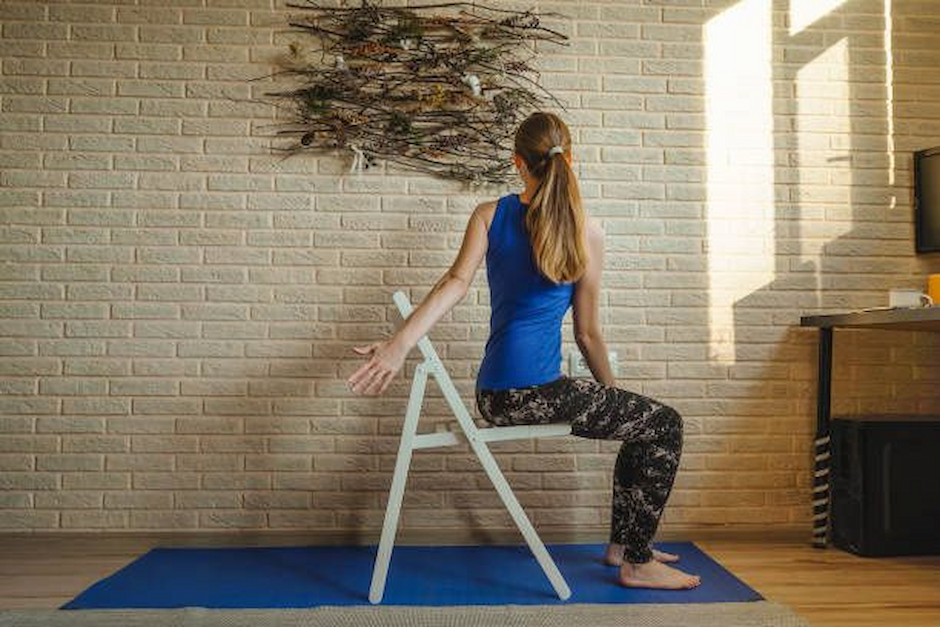
Absolute beginners can start practicing what is the latest trend in yoga safely by enrolling in slow-paced, trauma-informed restorative classes that place a heavy emphasis on personal prop usage. Utilizing walls, chairs, and blankets protects fragile joint capsules while allowing your nervous system to experience a deep sense of physical security.
       [ HIGH-STRESS PERFORMATIVE FOCUS ]
                        │
                        ▼
       [Forcing Complex Poses] vs [Prioritizing Internal Tissue Comfort]
                        │
                        ▼
       [Joint Strain & Exhaustion] or [Nervous System Regulation & Calm]
When you begin this updated style of practice, remember that your breath serves as the absolute measure of safety. Never force your body into a shape where your breathing becomes shallow, strained, or completely blocked. Look for teachers who hold an accredited Yoga Alliance RYT designation to guarantee they understand modern anatomical safety protocols. Our senior staff consistently observes that new students build true core resilience when they abandon performance goals and listen to their bodies.
Common misunderstandings about modern yoga trends
- “Somatic yoga practices are too gentle to build genuine muscular strength:” Holding slow, structurally aligned postures builds incredible deep stabilizing strength across your core and pelvic floor.
- “You must track your practice with digital wearables to optimize your wellness outcomes:” The latest movement philosophy encourages letting go of constant digital tracking to rebuild authentic intuitive trust in your body.
- “Trauma-informed sessions are only meant for individuals recovering from severe emotional events:” These gentle, trauma-informed wellness spaces Thiruvanmiyur resources benefit anyone experiencing standard corporate burnout, high anxiety, or daily mental fatigue.
Field-tested practical tips for your modern wellness journey
- Value Sensation Over Visual Form: Close your eyes during simple floor stretches to focus entirely on the physical release.
- Incorporate Simple Household Items: Use firm sofa cushions or thick blankets to support your knees during deep forward bends.
- Keep Your Practice Sessions Consistent: Dedicate fifteen minutes every single morning to breathing exercises rather than doing one long, exhausting weekend class.
- Create a Dedicated Tech-Free Zone: Keep phone notifications turned off completely while you step onto your practice space to preserve your mental focus.
- Modify Poses to Fit Your Body: Always adjust the posture to fit your unique bone structure instead of forcing your bones into an idealized shape.
- Monitor Your Standing Foot Pressure: Distribute your body weight evenly across all four corners of your feet during standing postures.
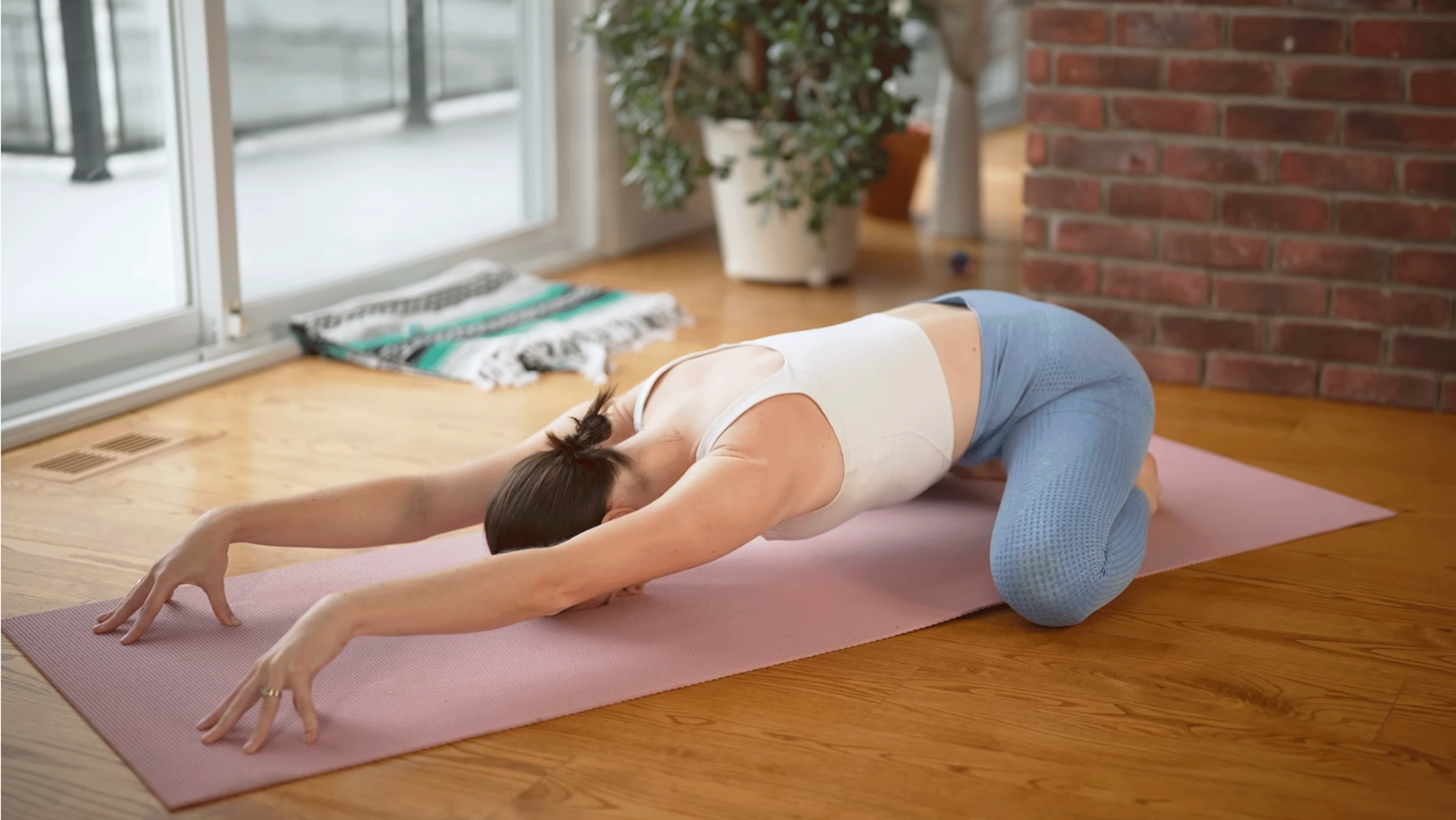
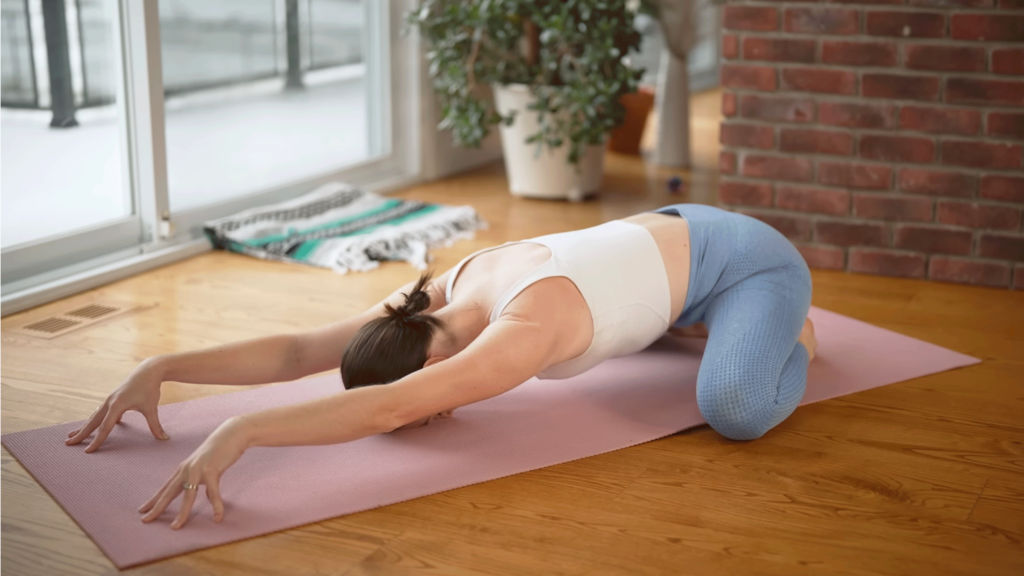
- Rest Whenever Your Breath Shortens: Drop your knees to the mat and rest in a supported child’s pose the moment you feel out of breath.
Comparison of Modern Neuro-Somatic Practices and Traditional Styles
| Movement Style | Primary Physiological Focus | Ideal Target Practitioner | Core Intensity Level | Average Setup Time |
| Neuro-Somatic Hatha | Vagus Nerve Tone & Alignment | Stressed Desk Professionals | Low to Moderate | Under 5 Minutes |
| Acrobatic Power Vinyasa | Cardiovascular Performance | Advanced Fitness Enthusiasts | High Intensity | Minimal Props |
| Restorative Yin Yoga | Deep Fascia & Connective Tissue | Burnout Recovery Seekers | Very Low Impact | 10 Minutes (Many Props) |
| Hybrid Outdoor Flows | Sensory Environmental Awareness | Nature Lovers & Locals | Moderate | Travel to Venue |
FAQs
1. What is the latest trend in yoga for people working high-stress corporate desk jobs? The current dominant trend emphasizes nervous system regulation and somatic alignment over intense, sweaty physical workouts to heal workplace burnout efficiently.
2. How do modern somatic classes differ from old-school fitness-oriented vinyasa styles? Somatic sessions focus entirely on internal feeling, slow joint tracking, and breath quality, whereas fitness-oriented styles prioritize speed, calorie burn, and advanced shapes.
3. Do I need expensive smart technology or biometric sensors to track my yoga progress? No, the modern movement encourages you to drop constant data tracking and rebuild internal body trust by listening to your natural feedback loops.
4. Why are certified teachers shifting toward trauma-informed wellness spaces Thiruvanmiyur protocols? These slow, respectful cueing systems give students complete control over their movements, ensuring a safe emotional and physical environment for healing.
5. Can virtual hatha alignment systems India guidelines help me avoid home workout injuries? Yes, these specific digital frameworks focus on slow joint positioning and precise instructions to keep your lower back safe without an instructor present.
6. What simple household items can I use for safe home props adaptation during floor sequences? You can wrap thick hardcover books in a clean towel to replace foam blocks, or use a sturdy cotton bathrobe belt as an alignment strap.
7. How often should I include outdoor coastal wellness paths ECR sessions in my weekly routine? Joining an outdoor session once a week provides a refreshing nature connection that complements your regular indoor or digital practice beautifully.
8. Is a slow, somatic hatha routine capable of building long-term joint stability? Yes, holding slow, mindful positions forces your deep stabilizing muscles to engage, which research suggests may support long-term joint health.
Cultivating sustainable balance through mindful modern practices
Approaching your physical practice with deep body awareness ensures your home wellness journey stays safe, rewarding, and sustainable for years to come. Investigating what is the latest trend in yoga reveals that true progress comes from listening to your body rather than forcing it into difficult shapes. Honor your joints’ natural limits, value the calming effects of deep breathing, and treat every session as an opportunity to restore your internal balance.
Outdoor Yoga Chennai continues to support practitioners across India with expert digital programs and refreshing beach classes. We invite you to step away from your daily stress, log into an online session, and experience a proven path to physical balance. Explore our upcoming introductory batches today to start building a steady, rewarding home routine with our team of certified educators.


Leave a Comment