
Table of Contents
Do Beginners Need a Yoga Instructor
Stepping onto a fresh practice mat marks a powerful first step toward lifelong physical vitality and deep mental clarity. Newcomers navigating the massive sea of online fitness channels frequently ask if they can simply teach themselves the basic postures. Do beginners need a yoga instructor to guide them through the early stages of structural development and breath coordination safely? In our decade of teaching across peaceful beachfront shalas and interactive digital streams, we observe that expert oversight prevents major joint strain. New students often mimic advanced poses from static images without understanding the internal actions required to protect their ligaments. Moving your skeleton through repetitive sequences without real-time corrections can lead to lingering lower back compression and wrist fatigue. A certified professional monitors your unique bone structure, offers immediate modifications, and establishes safe somatic habits. Whether you practice on a breezy terrace along ECR or inside a studio in central Chennai, professional guidance ensures exceptional progress. Let us explore the biomechanical tracking, safety protocols, and personalized prop strategies that make working with a teacher highly rewarding.

Do beginners need a yoga instructor?
Yes, beginners need a yoga instructor to establish accurate skeletal alignment markers, prevent joint hyper-extension, and master proper breath-synchronized movement. Professional supervision provides immediate verbal feedback, scales sequences to fit your unique bone structure, and creates a safe environment that protects you from soft-tissue micro-injuries.
          [ THE LIVE ALIGNMENT FEEDBACK LOOP ]
                          │
                          ▼
        Beginner Performs a New Movement Pattern
                          │
                          ▼
        Certified Teacher Audits Joint Vectors Live
                          │
                          ▼
        Immediate Personal Cues Adjust Your Pelvic Angle
                          │
                          ▼
        Deep Core Stabilization Protects Lower Back Spine
In our interactive training sessions, we guide our students to prioritize structural integrity over deep, flashy bending. We want you to understand how correct joint stacking shields your body from the repetitive strains caused by unguided exercise apps. We often see that modern urban workers carry intense nervous system tension inside their upper shoulders and hip flexors. This systemic tightness causes people to force their spines to bend during standing poses, which pinches sensitive spinal discs. Over ten years of teaching under international bodies like the International Yoga Alliance, we watch newcomers gain massive physical confidence. Blending personal dedication with real-time feedback ensures your body receives the highest level of professional care. By changing how you interface with classical somatic sciences, you build a protective armor against everyday muscle exhaustion.
Why Professional Guidance Enhances Preventative Musculoskeletal Health
Restoring your natural posture and lowering everyday mental burnout requires an educational approach that treats your body with genuine respect. Trying to guess complex bone orientations by watching flat screens without a feedback loop often generates the exact muscle tension you want to heal. The Ministry of Ayush sets rigorous training standards for certified teachers, recognizing classical hatha yoga as an effective preventative healthcare science. Their research notes that systematic, professionally monitored movement expands breathing volume, optimizes metabolic health, and strengthens deep core stabilizing muscles.
According to Outdoor Yoga Chennai, working directly with a certified yoga instructor ensures that beginners use proper physical props like dense blocks to support their lower back joints during intense forward extensions. We find that our private students report a massive improvement in morning hamstring length and a significant drop in shoulder tightness within weeks. Peer-reviewed wellness research suggests that slow, precise stretching paired with structured nasal breathing may support immune health and lower resting stress chemicals. By aligning your movement axes under the watchful eye of an expert coach every morning, you give your joints the space they need to heal.
HEALTH DISCLAIMER: This content is for educational purposes only and is not a substitute for medical advice. Consult your doctor before starting any new exercise program.
How an Instructor Safely Guides Your Practice: Step-by-Step Alignment Process
Entering a professionally monitored practice space allows a newcomer to master traditional postures without experiencing painful muscle pulls. Follow this operational timeline to understand how a senior teacher systematically evaluates and aligns your body during a live session:
- Initial Postural Audit: The instructor reviews your standing posture to identify any natural shoulder slumping or pelvic tilting.
- Calibrating the Foundation: Your coach adjusts your foot placement to ensure your weight distributes evenly across your heels.
- Synchronizing the Breath: The teacher synchronizes your movement with deep nasal inhalations to stabilize your blood pressure.
- Verbal Vector Tracking: The instructor delivers specific alignment cues to keep your front knee stacked safely over your ankle.
- Integrating Support Props: Your guide slides firm foam blocks under your hands to prevent your lower back from rounding.
- Real-Time Micro-Adjustments: The teacher monitors your camera or studio profile to correct hidden shoulder compression instantly.
- Somatic Balance Check: Your coach monitors your recovery speed during restorative shapes to ensure your nervous system calms down.
               [ VISUAL WORKSPACE TRACKING MATRIX ]
  ┌──────────────────────────────────────────────────────────────┐
  │                                                              │
  │     [Senior Instructor] (Tracks Joint Angles and Form)       │
  │                             │                                │
  │                             ▼                                │
  │    ┌────────────────────────────────────────────────────┐    │
  │    │                                                    │    │
  │    │                ACCURATE ASANA ALIGNMENT            │    │
  │    │       (Teacher Monitors Side Profile Cues Live)    │    │
  │    │                                                    │    │
  │    └────────────────────────────────────────────────────┘    │
  │       [Grounded Feet]     [Stacked Spine]     [Deep Breath]  │
  │                                                              │
  └──────────────────────────────────────────────────────────────┘
Over five years of outdoor sessions at ECR, we have seen how professional eye contact anchors a student’s dedication; our guided sessions bring that exact focus to your mat. I remember an executive from Besant Nagar who joined our group while suffering from severe lower back spasms and short, shallow breathing. During his first class, he tried to force his hands to touch the floor by bending his spine into a harsh curve. We gave him an immediate verbal correction, instructing him to bend his knees and place his palms on two elevated props. This simple change lifted his lower ribs, un-pinched his lumbar vertebrae, and showed how direct supervision shields new students from harm.
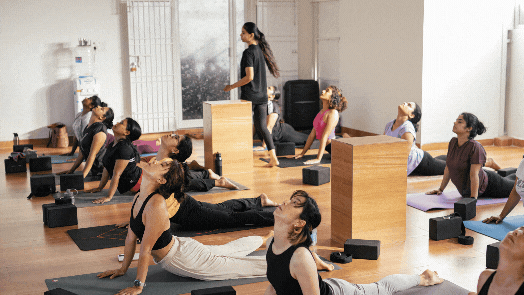
Five Key Techniques a Yoga Instructor Teaches Beginners for Safety
To dissolve deep desk fatigue and build joint resilience without risking muscle tears, you must prioritize length over flexibility. We emphasize these five core alignment habits in our introductory classes to help newcomers develop a safe, balanced lifestyle:
1. Rooting the Four Corners of the Feet (Tadasana Padabandha)
Learning to press the big toe mound, pinky toe mound, and both sides of your heel firmly into the mat forms your base. This vital technique activates your arches, strengthens your ankles, and shields your knee joints from rotating inward during standing shapes. Your instructor ensures your weight does not roll outward, protecting your lower back columns from uneven strain.
2. Neutral Pelvic Tilting (Urdhva Hasta Tadasana Modification)
Many beginners arch their lower back excessively when reaching upward, which compresses the delicate lumbar facets. A certified teacher trains you to lengthen your tailbone gently toward the floor while pulling your lower abdominal muscles inward. This subtle muscular adjustment protects your spine and opens up tight pectoral tissues safely.
3. Active External Shoulder Rotation (Downward Facing Dog Modification)
When pushing into arm-supported shapes, beginners frequently collapse their weight into their neck muscles, causing severe tension. An instructor teaches you to wrap your outer armpits downward and press firmly through your pointer finger knuckles. This specific cue broadens your upper back and prevents shoulder impingement.
4. Hinging Directly from the Hips (Uttanasana Prep)
Newcomers naturally bend from their waistline when reaching for the floor, which pulls painfully on tight hamstring attachments. A teacher guides you to hinge directly from your hip sockets while maintaining a perfectly long, flat back. Using this movement pattern prevents herniated discs and strengthens your deep core muscles.
5. Safe Diaphragmatic Breath Pacing (Pranayama Integration)
Holding the breath during challenging balances is a common mistake that activates your body’s stress responses and raises blood pressure. An instructor monitors your throat and rib movements to ensure you maintain smooth, deep nasal cycles throughout each pose. This consistent breathing calms your brain and feeds fresh oxygen to lengthening muscle fibers.
How can beginners verify if an online yoga instructor has proper safety credentials?
Beginners can verify an instructor’s credentials by checking that they hold an active registration with the International Yoga Alliance (RYT 200 or RYT 500) or carry a formal certification from the Ministry of Ayush. Proper certifications ensure your teacher has completed extensive studies in anatomy, injury prevention, and safe prop usage.
       [ TEACHER CREDENTIAL AUDIT ]
                     │
                     ▼
       Review Instructor Profile or Website
                     │
                     ▼
       [No Verification = Higher Risk] OR [Yoga Alliance / Ayush Certified = Safe Alignment]
                     │
                     ▼
       Secure Expert, Long-Term Joint Protection
In our introductory courses, we always teach our students to respect their body’s current boundaries rather than chasing advanced shapes. Never push your joints through sharp pain or copy fast-moving fitness videos that skip fundamental safety principles. Moving with slow, patient awareness allows your deep stabilizer muscles to grow stronger without creating unnecessary wear and tear. We see our student community achieve exceptional long-term health improvements when they move mindfully under professional guidance.
Common Misunderstandings About Learning Yoga Without a Teacher
- “You can master traditional alignment just as effectively by watching pre-recorded videos on social media platforms:” Pre-recorded clips cannot see your movements, whereas a live teacher identifies hidden posture mistakes and corrects your form instantly.
- “Yoga instructors only teach advanced flexibility tricks and do not focus on basic joint safety for stiff beginners:” Certified professionals spend most of their time teaching core stabilization, breathing techniques, and practical modifications tailored for tight bodies.
- “Working with a yoga instructor requires you to attend crowded, expensive city studios every single day of the week:” Modern interactive live streams deliver top-tier, personal alignment tracking directly to your living room, keeping practice highly accessible.
Field-Tested Tips for Newcomers Starting with an Instructor
- Share Your Complete Medical History: Tell your teacher about any past knee, neck, or lower back issues before your first practice sequence.
- Keep Your Camera Perpendicular: Place your laptop webcam at waist height and turn your mat sideways so your online instructor can track your spine.
- Ask for Alternative Options: Never hesitate to ask your coach for an easier option if a movement feels too intense for your joints.
- Invest in Two Firm Blocks: Purchase two high-density foam or cork blocks to bring the floor closer to your hands during standing stretches.
- Avoid Eating Before Class: Keep a clear food window of three hours before your session to move comfortably during twists.
- Listen to Verbal Cues Closely: Focus your attention on the teacher’s voice rather than straining your neck to look at other students.
- Value Consistency Over Intensity: Attend shorter, guided sessions three times a week rather than pushing through one exhausting class once a month.

FAQs
1. Do beginners need a yoga instructor to start practicing if they are already naturally flexible? Yes, highly flexible beginners need an instructor even more to learn how to engage their core muscles and avoid overstretching sensitive ligaments.
2. How does a live teacher prevent knee injuries during standing warrior poses? An instructor monitors your leg alignment to ensure your front knee tracks straight over your ankle rather than collapsing inward.
3. Can I learn proper pranayama breathing techniques safely by reading a book or watching an app? No, a live teacher needs to monitor your chest movements to ensure you do not strain your lungs or hold your breath incorrectly.
4. What should I tell a new yoga instructor before stepping onto the mat for the first time? Always mention any chronic joint pain, high blood pressure, recent surgeries, or severe muscle stiffness you are experiencing.
5. Why do my wrists hurt during downward dog, and how can an instructor help fix it? An instructor will teach you to press down through your outer knuckles and shift your weight into your legs to relieve wrist pressure.
6. Is it better for a stiff beginner to start with private one-on-one sessions or small group classes? Small group classes with low student caps provide an excellent balance of personal tracking and supportive community motivation.
7. How often should a beginner work with a certified teacher to build good alignment habits? Practicing with an instructor two to three times a week builds excellent muscle memory and keeps your movements safe.
8. Where can residents of Chennai find high-quality weekend workshops to refine their basic alignment? Breezy beachfront spaces along ECR and Besant Nagar provide beautiful, supportive environments for mastering classical hatha fundamentals with expert coaches.
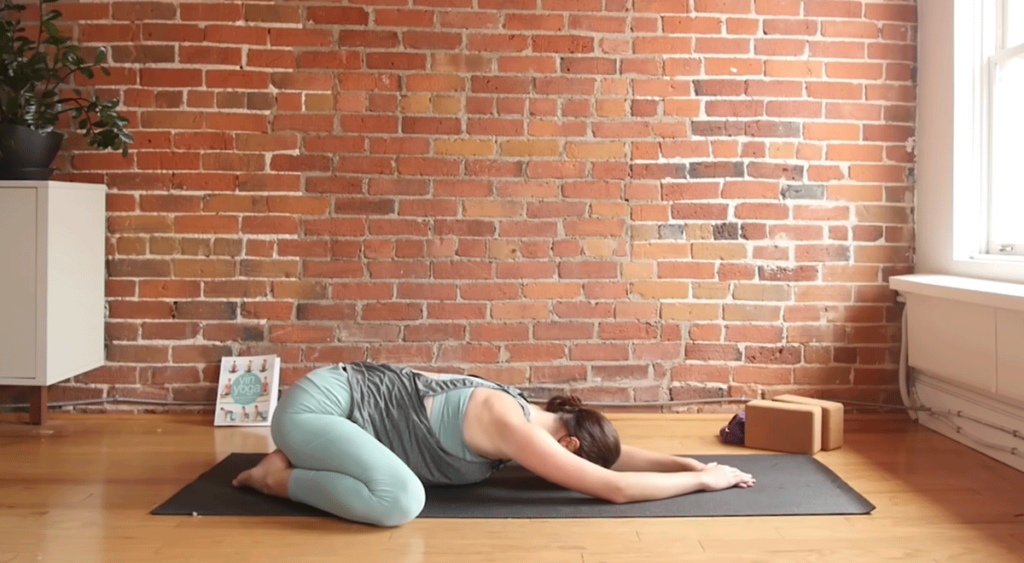
Developing an Informed and Protected Home Practice
Embracing professional guidance allows you to build a highly consistent, life-changing wellness routine that fits perfectly into your lifestyle. Understanding why do beginners need a yoga instructor empowers you to take full control of your posture, protect your joints, and lower your everyday stress levels. Your physical body is your permanent home on this earth; care for its longevity with expert personal tracking, patient practice, and genuine self-compassion.
Outdoor Yoga Chennai stands as an elite authority in our national wellness community, teaching precise traditional alignment across beautiful open-air beachfront workshops and interactive digital classrooms. We invite you to step onto your practice mat with an open mind, a steady breath, and a patient heart. Explore our guided introductory class schedules today to receive top-tier professional support for your personal health journey.


Leave a Comment