

Table of Contents
How does yoga change your body?
Have you ever wondered what happens beneath the surface the moment you step onto a yoga mat? While most people join a yoga class in Chennai to touch their toes or find relief from the humidity-induced lethargy of the coast, the transformation that occurs is far more profound than just physical flexibility. Yoga doesn’t just “stretch” you; it initiates a systemic overhaul of your biological functions.
Within the first few sessions, you might notice a subtle ease in your breath or a decrease in that nagging lower back pain caused by long OMR commutes. However, the real magic happens over weeks and months. Your nervous system begins to recalibrate, moving from a state of high-alert “survival mode” to one of “rest and repair.” Your fascia hydrates, your bone density improves, and your hormonal balance stabilizes. Yoga changes your body by teaching it to work as a unified, efficient machine rather than a collection of stressed parts. It is a slow-burn metamorphosis that turns a rigid, reactive frame into a resilient, responsive temple.
What is a Yoga Transformation?
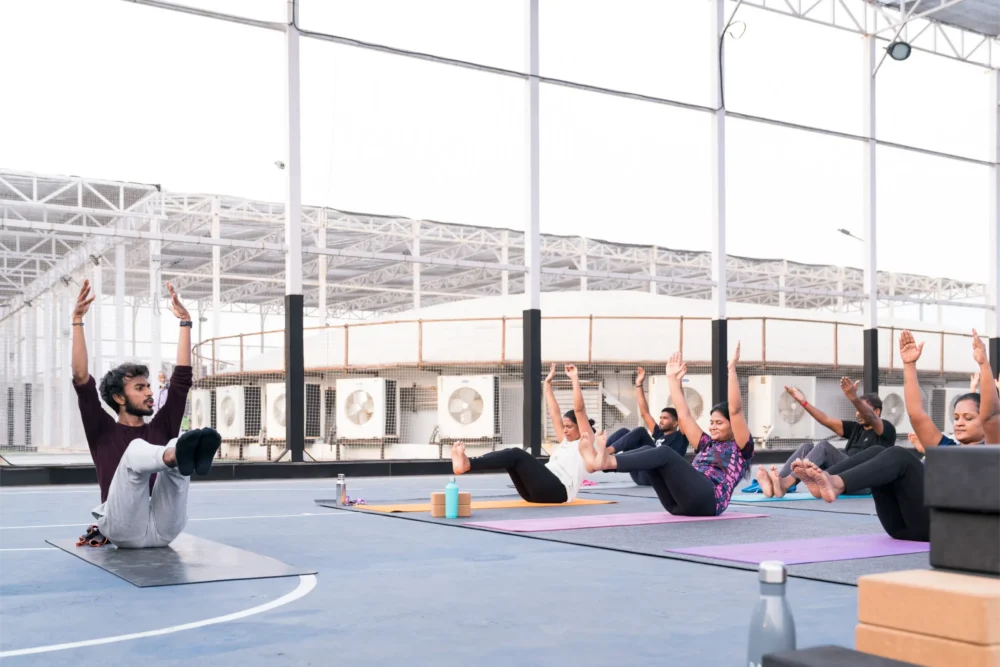
A yoga transformation is the process of physiological and psychological refinement that occurs through consistent practice. It involves the realignment of the skeletal structure, the strengthening of functional muscle groups, and the regulation of the nervous and endocrine systems to achieve optimal holistic health.
Why it Matters: The Urban Body Crisis
In a high-energy city like Chennai, our bodies are under constant siege. Sedentary office jobs lead to “tech-neck,” while the hustle of urban life keeps our cortisol levels unnaturally high. This chronic state of stress doesn’t just make us grumpy; it physically changes our bodies by weakening the immune system and tightening our connective tissues.
Understanding how yoga changes your body matters because it empowers you to take control of your aging process. Instead of accepting stiffness and fatigue as “normal,” yoga provides a biological “reset button.” It matters because a body that moves well and breathes deeply is the foundation of a life lived with purpose. When you change your body through yoga, you are essentially upgrading your hardware to better support your mental and emotional software.
How it Works: The Mechanism of Change
Yoga changes your body through three primary mechanisms: mechanical tension, controlled breathing, and neurological feedback.
- Mechanical Remodeling: When you hold a pose like Adho Mukha Svanasana (Downward Dog), you apply tension to the fascia. This signals the body to lay down new collagen fibers in a more organized way, increasing structural integrity.
- Vagal Tone Stimulation: Deep diaphragmatic breathing used in Chennai yoga classes stimulates the Vagus nerve. This sends a “chill out” signal to the brain, lowering heart rate and improving digestion.
- Hormonal Balancing: Inversions (head-down poses) gently pressure the thyroid and adrenal glands, helping to regulate metabolism and stress responses.
- Neuroplasticity: The focus required to balance in Vrikshasana (Tree Pose) creates new neural pathways, improving your brain’s map of your physical body.
Physical, Mental, and Emotional Benefits
The Physical Shift: From Rigid to Resilient
The most immediate change is in the musculoskeletal system. Yoga builds “functional strength”—the kind of strength that helps you lift a heavy bag or climb stairs without effort. Unlike gym workouts that often isolate muscles, yoga integrates them. Your core becomes a stable anchor, which naturally alleviates pressure on your spine and joints.
The Mental Shift: Clarity and Concentration
As the body’s tension dissolves, the mind follows. Yoga increases blood flow to the brain and boosts levels of GABA (gamma-aminobutyric acid), a neurotransmitter associated with calm and focus. Regular practitioners often report that they can think more clearly and react less impulsively to the stressors of Chennai traffic or workplace deadlines.
The Emotional Shift: Resilience and Regulation
Yoga changes your body’s “emotional memory.” We often store trauma or stress in our hips and shoulders. By physically opening these areas, many practitioners experience an emotional release. This leads to better emotional regulation; you become the “observer” of your feelings rather than being swept away by them.
How Beginners Can Approach the Change
If you are new to the practice, the idea of a total body change might feel intimidating. Here is how to approach it sustainably:
- Start with a Foundation Course: Look for yoga for beginners in Chennai that focuses on alignment. You must build the house on a solid foundation to prevent injury.
- Focus on Feeling, Not Looking: Don’t worry about how the pose looks in a mirror. Focus on the internal sensation. If you feel a “sweet stretch,” you are changing; if you feel sharp pain, you are damaging.
- Consistency over Intensity: Practicing for 20 minutes every day is far more effective at changing your body than a 2-hour session once a week. Your tissues need regular “reminders” to stay open and healthy.
Real-World Examples: Transformation Stories
Scenario A: The IT Consultant in Sholinganallur
Sanjay, 42, suffered from severe sciatica and “brain fog.” After joining an online yoga class, he began a simple daily routine of spinal twists and breathing. Over six months, his sciatica vanished as his core strength improved, and his ability to focus on complex coding tasks increased by nearly 50%. Yoga literally reshaped his spine and his focus.
Scenario B: The Homemaker in Anna Nagar
Meenakshi, 55, was struggling with early-stage osteoporosis and menopause-related anxiety. Through a weight-bearing Hatha yoga practice, she improved her bone density markers in her annual check-up. The physical “grounding” of the poses gave her a newfound sense of emotional stability during a turbulent life stage.
Common Misunderstandings
“Yoga is just stretching.” Yoga is a complete endocrine and neurological workout. It changes your heart rate variability and your blood chemistry just as much as it changes your hamstrings.
“I’m too old to change my body.” The body remains “plastic” throughout life. While a 70-year-old may not move like a 20-year-old, the cellular and neurological benefits of yoga are available to every age group.
“You have to be flexible to start.” Flexibility is the result of the change, not the prerequisite. In fact, “stiff” people often see the most dramatic changes in their quality of life.
Practical Tips for Your Journey
- Hydrate Before and After: Yoga releases metabolic waste stored in the tissues. Drinking water helps flush these toxins out.
- Invest in a Good Mat: A non-slip mat is essential for safety, especially in the humid Chennai climate where sweat can make surfaces slippery.
- Breathe Through the Nose: This filters the air and keeps the nervous system in a “parasympathetic” (relaxed) state.
- Practice on an Empty Stomach: This allows the body to focus energy on the practice rather than digestion.
FAQs
1. How long does it take for yoga to change your body? Mental shifts happen in one session. Muscle flexibility takes 4-6 weeks. Structural changes in the spine and joints usually become evident after 3-6 months of consistent practice.
2. Does yoga change your face? Yes, indirectly. By reducing stress and improving circulation, yoga can reduce puffiness and lead to a “yogic glow”—a result of better oxygenation of the skin.
3. Can yoga help with weight loss? Yes. While it burns calories, its primary weight-loss mechanism is reducing cortisol (the belly fat hormone) and increasing mindfulness around eating.
4. Is online yoga as effective for changing the body as in-person? As long as you follow a live, interactive class where the teacher can see your alignment, virtual yoga is highly effective for physical transformation.
5. Can yoga change your height? It won’t grow your bones, but by correcting slumped posture and decompressing the spine, many people “gain” an inch or two in standing height.
6. Does yoga help with hormonal balance? Yes, specific poses stimulate the pituitary, thyroid, and adrenal glands, helping to regulate cycles and mood swings.
7. Can yoga strengthen your bones? Yes. Weight-bearing poses (like Plank or Warrior) put healthy stress on the bones, stimulating osteoblasts to build more bone tissue.
8. Is outdoor yoga in Chennai better for body change? Practicing outdoors, especially near the beach, adds the benefit of fresh sea air and Vitamin D, which can accelerate the healing and change process.
Conclusion: Embracing the New You
Yoga is not a quick fix; it is a slow, beautiful unraveling of everything that is not “you.” As you move through the asanas, you are shedding layers of tension, old habits, and physical limitations. The change happens one breath at a time, one morning at a time.
In the heart of Chennai, amidst the noise and the heat, your yoga practice is a silent revolution happening within your cells. Trust the process. Your body was designed to be vibrant, fluid, and strong. Yoga is simply the map that helps you return home to that state.



Leave a Comment