
Table of Contents
Is Yoga Enough Without Gym? The 2026 Guide to Holistic Strength
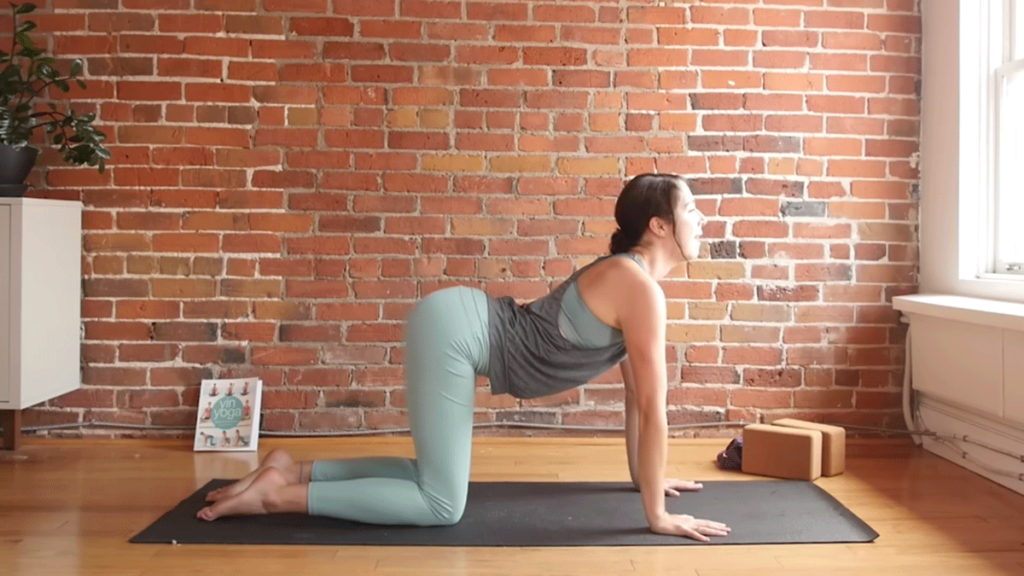
It is a question that echoes through the corridors of every IT park in OMR and the quiet residential streets of Besant Nagar: “Do I really need to lift weights if I’m already doing yoga?” For years, the fitness industry has drawn a sharp line between the “zen” of the yoga mat and the “grit” of the iron squat rack. But as we move further into 2026, the science of movement is proving that these lines are blurrier than we thought.
The short answer is yes, yoga can be enough, but it depends entirely on how you practice and what your personal health goals are. If your goal is functional longevity, a lean physique, and a resilient nervous system, yoga offers a comprehensive “all-in-one” solution. However, if your goal is maximum muscular hypertrophy (bodybuilding), you might still want those dumbbells. For the average Chennai resident looking to stay fit, energetic, and pain-free, the right kind of yoga practice—especially when taken outdoors—often supersedes the need for a traditional gym membership.
What is a “Yoga Only” Fitness Regimen?
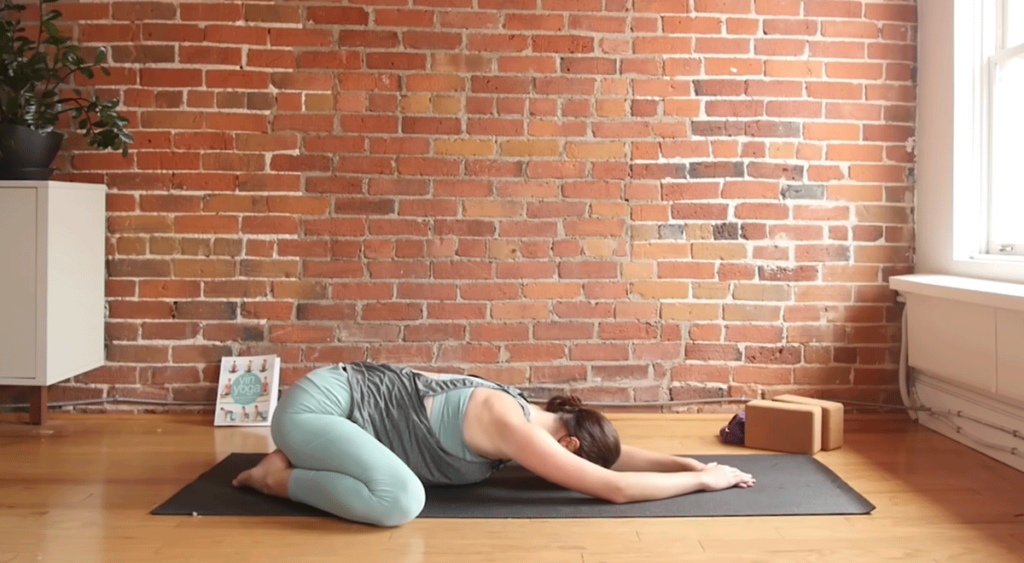
A yoga-only fitness regimen is a holistic exercise approach that relies entirely on bodyweight resistance, dynamic stretching, and breath-controlled movement to build strength, cardiovascular endurance, and flexibility, effectively eliminating the need for external weights or gym machinery.
Why the “Yoga vs. Gym” Debate Matters
In a city as busy as Chennai, time is our most precious commodity. Between long commutes and professional demands, most people only have 60 minutes a day for self-care. Choosing the wrong modality can lead to burnout or injury.
The Problem with Gym-Only Culture
Traditional gyms focus heavily on “isolated” movements—think of a bicep curl. While this builds muscle size, it doesn’t always translate to “real-world” strength. Furthermore, the high-cortisol environment of a loud, bright gym can sometimes add to the stress that Chennai professionals are already trying to escape.
The Yoga Solution
Yoga treats the body as a single, integrated unit. When you do a Chaturanga (low plank), you aren’t just working your triceps; you are engaging your core, your serratus anterior, and your mental focus. This “integrated strength” is what keeps you agile as you age.
How Yoga Works as a Complete Workout
To understand if yoga is “enough,” we have to look at the three pillars of fitness: Strength, Cardio, and Flexibility.
- Strength (The Resistance Factor): Yoga is high-level calisthenics. In a gym, you move weights. In yoga, you move you. Holding a “Warrior III” pose creates significant isometric tension, which builds bone density and lean muscle without the joint “wear and tear” of heavy lifting.
- Cardiovascular Health: While a slow Hatha class won’t mimic a treadmill, a dynamic Vinyasa or Power Yoga flow keeps the heart rate in the “fat-burning zone.” In 2026, we focus on “Zone 2” cardio—the sweet spot for heart health—which yoga provides perfectly.
- Flexibility and Mobility: This is where the gym usually fails. Yoga ensures that your strength doesn’t come at the cost of being “stiff.” It keeps the fascia—the connective tissue—hydrated and supple.
The Benefits: Physical, Mental, and Emotional
1. Physical: The Lean, Functional Body
Yoga emphasizes eccentric muscle contractions (lengthening the muscle under tension). This creates the “yoga lean” look—toned, defined, and incredibly strong. It also corrects the “desk-slouch” posture common in OMR tech workers.
2. Mental: The Moving Meditation
Unlike a gym workout where people often distract themselves with music or TV, yoga requires 100% presence. This “interoception”—the ability to feel what’s happening inside your body—is a superpower for managing stress.
3. Emotional: Regulation and Calm
By engaging the parasympathetic nervous system through deep nasal breathing, yoga lowers blood pressure. Many of our students in yoga classes in Chennai for ladies report that their “yoga-only” routine led to better hormonal balance and improved sleep compared to their “gym days.”
How Beginners Can Transition from Gym to Yoga
If you’re used to the “no pain, no gain” gym mentality, yoga requires a shift in perspective.
- Start with Power Yoga or Ashtanga: If you crave intensity, don’t start with a meditation-heavy class. Choose a style that challenges your physical strength first.
- Focus on the “Pull” Movements: One critique of yoga is that it’s “push-heavy.” To counter this, focus on poses that engage the back muscles, like Salabhasana (Locust Pose) or Purvottanasana (Upward Plank).
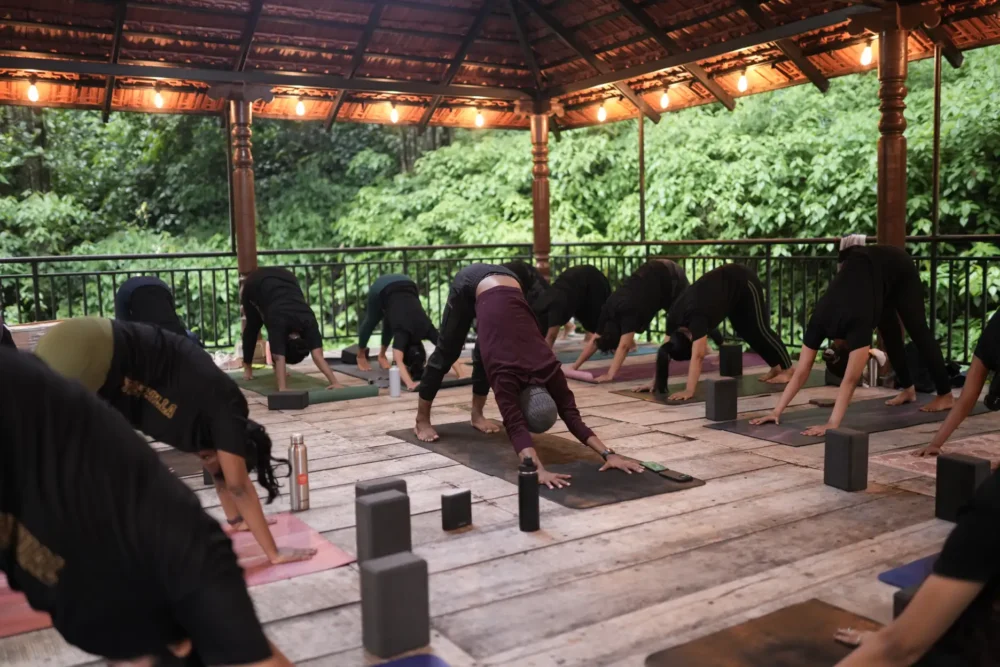
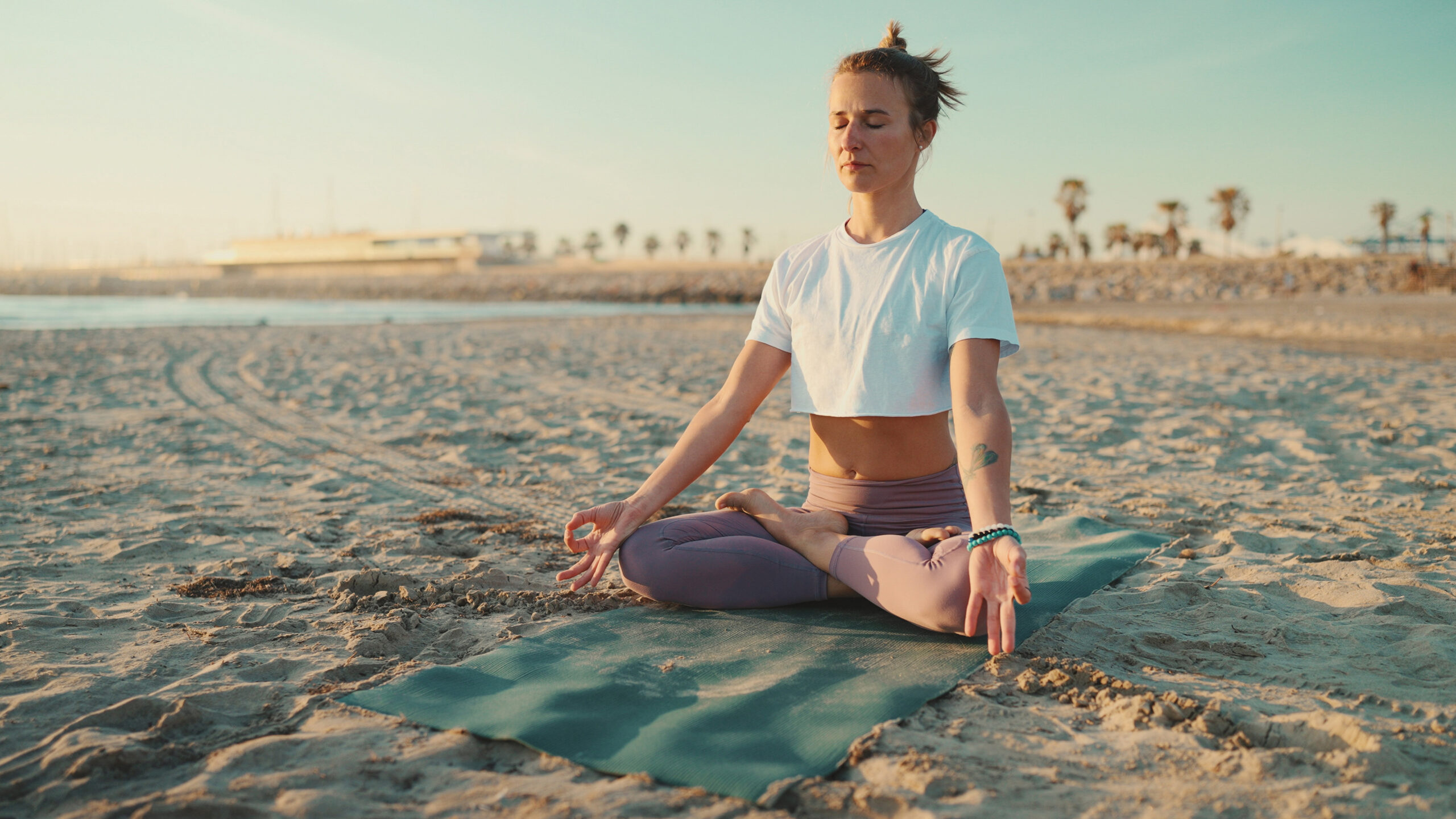
- Go Outdoors: For the best results, join an Outdoor Yoga Chennai session. The uneven terrain of the sand or grass adds an extra layer of difficulty that mimics the “instability training” found in advanced gyms.
Common Misunderstandings
“Yoga won’t help me lose weight.” False. While the calorie burn during a session is moderate, the long-term metabolic effect of building lean muscle and reducing stress-induced cortisol is a massive driver for sustainable weight loss.
“I need weights to keep my bones strong.” Partially true, but yoga is weight-bearing. Supporting your entire body weight on your hands or one leg provides more than enough stimulus to maintain and even improve bone density.
“It’s just for women.” Historically, yoga was developed by men for men. The strength required for advanced arm balances exceeds what most average gym-goers can achieve on a bench press.
Practical Tips for a “Yoga-Only” Lifestyle
- Vary Your Intensity: Practice 3 days of “Strong/Flow” and 2 days of “Gentle/Restorative.”
- Hold Poses Longer: To build gym-like strength, hold your standing poses for 10-15 deep breaths.
- Master the Inversions: Poses like headstands or crow pose are the “heavy squats” of the yoga world. They build immense upper body and core power.
- Practice in Nature: The fresh air of a beach yoga Chennai session provides more “life force” (Prana) than any air-conditioned gym ever could.
Real-World Scenarios
Scenario A: The Recovering Gym-Rat
Vikram, 42, from Adyar, had spent 15 years lifting heavy weights. By 40, his knees and lower back were constantly aching. He swapped his gym membership for Outdoor Yoga Chennai. Two years later, he is leaner, his back pain is gone, and he can perform a handstand—something he could never do despite his 100kg bench press.
Scenario B: The Stressed Professional
Priya, a developer in Sholinganallur, found the gym “exhausting” after a long workday. She switched to a 5-day-a-week online yoga Chennai routine. She found that while she didn’t “sweat” as much as she did on the treadmill, her clothes fit better, and her “brain fog” vanished.
FAQs
1. Can I build muscle with just yoga? Yes, but you will build “lean” muscle rather than “bulky” muscle. Yoga creates high muscle tone and definition.
2. Is yoga enough for weight loss? Yes, especially when combined with a mindful diet. Yoga reduces the stress that causes emotional eating and balances hormones that regulate metabolism.
3. Do I need any equipment for a yoga-only routine? A high-quality mat is essential. Blocks and straps can help you access deeper strength if you are a beginner.
4. How many times a week should I do yoga if I don’t go to the gym? For total fitness, aim for 4 to 5 sessions a week, varying the intensity of each class.
5. Is yoga enough for my heart? Vinyasa and Power yoga provide great “Zone 2” cardiovascular training. For maximum heart health, supplement with a brisk walk on the beach.
6. Can yoga replace lifting for bone density? For most people, yes. Weight-bearing poses provide sufficient load to stimulate bone growth.
7. Is it better to do yoga in a studio or at the gym? A dedicated yoga institute in Chennai or an outdoor session is better. Gym yoga often treats the practice as “just stretching,” missing the deeper strength and breathwork.
8. Can I start yoga if I am very stiff? Absolutely. Stiffness is the primary reason to start. You don’t need to be flexible to do yoga; you do yoga to become flexible.
Conclusion
Is yoga enough without the gym? In 2026, the answer is clear: For a life of mobility, strength, and mental peace, yoga isn’t just enough—it’s often superior. By moving your body through three dimensions and connecting your movement to your breath, you build a type of “intelligent strength” that a gym machine simply can’t provide.
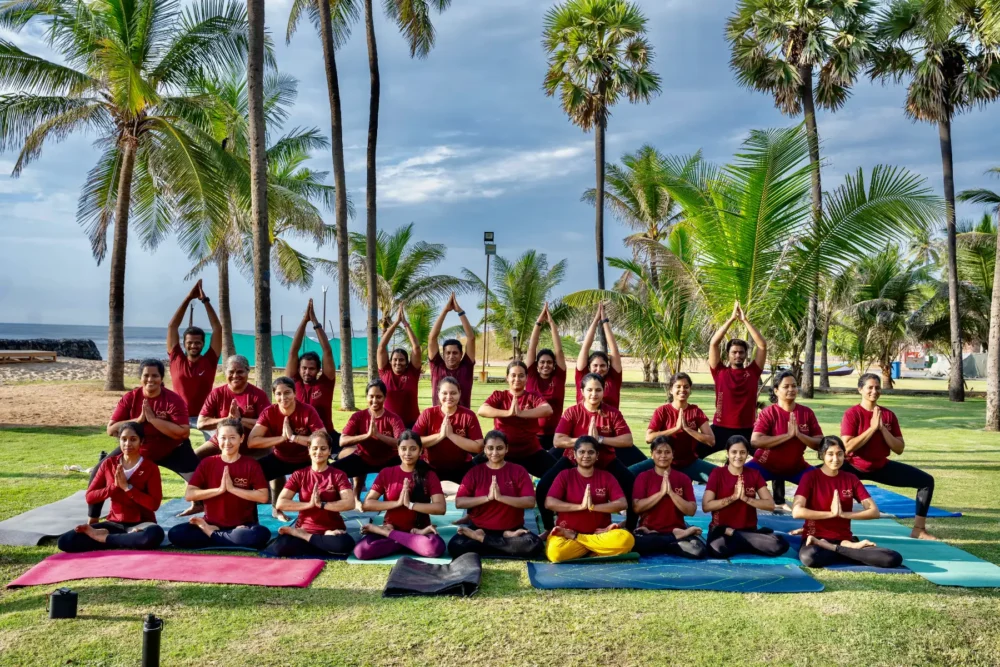
Whether you are unrolling your mat for an online yoga Chennai session or joining us for a sunrise flow at Besant Nagar, know that you are building a body that is as strong as it is calm.


Leave a Comment