
Table of Contents
🧘♀️ Top Hatha Yoga Benefits Chennai: The Complete Beginner-to-Advanced Guide for Mind, Body & Life Balance
Introduction: Why Hatha Yoga Is Still the Foundation of All Yoga Styles
In a world filled with fast workouts, high-intensity training, and instant results culture, Hatha Yoga stands quietly as the foundation of traditional yoga practice. It is not a trend. It is a system that has survived centuries because it works — physically, mentally, and emotionally.
Hatha Yoga is often misunderstood as “slow” or “basic,” but in reality, it is deep, structured, and transformative. Every popular yoga style today — Vinyasa, Ashtanga, Power Yoga, even modern therapeutic yoga — traces its roots back to Hatha Yoga.
This guide will explain what Hatha Yoga truly is, how it works, and the full benefits of Hatha Yoga for beginners, working professionals, women, older adults, and anyone seeking sustainable health.
What Is Hatha Yoga? (Simple, Real Explanation)
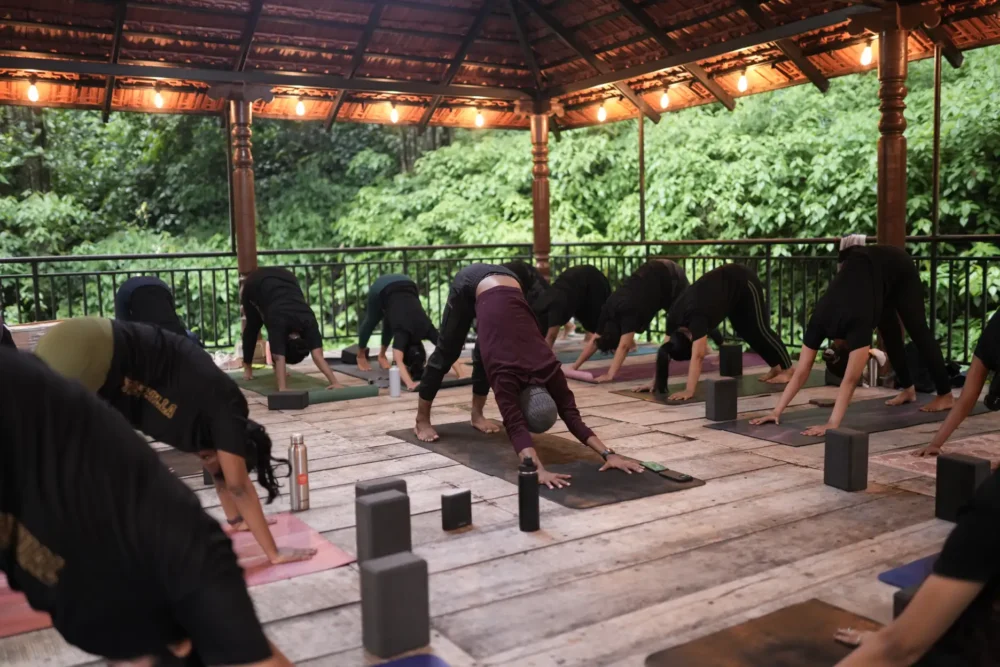
Hatha Yoga is a traditional system of yoga that focuses on balancing the body and mind through:
- Physical postures (Asanas)
- Breath control (Pranayama)
- Mind awareness
- Relaxation
The word Hatha is derived from:
- Ha – Sun (energy, activity)
- Tha – Moon (calm, rest)
Hatha Yoga aims to create balance between effort and ease, strength and flexibility, action and stillness.
Unlike fast-paced workouts, Hatha Yoga allows the body to learn, adapt, and heal naturally.
Why Hatha Yoga Is Ideal for Beginners
Hatha Yoga is widely recommended for beginners because:
- Movements are slow and controlled
- Poses are held longer, allowing understanding of alignment
- Breathing is taught consciously
- There is less risk of injury
- Progress happens steadily, not forcefully
Beginners often quit fitness routines because they feel overwhelmed. Hatha Yoga removes that pressure and builds confidence from the inside out.
Full Physical Benefits of Hatha Yoga
1. Improves Overall Flexibility
Hatha Yoga gently stretches muscles, ligaments, and joints. Over time, stiffness reduces, posture improves, and the body moves more freely.
Unlike sudden stretching, Hatha Yoga trains flexibility without strain.
2. Builds Functional Strength
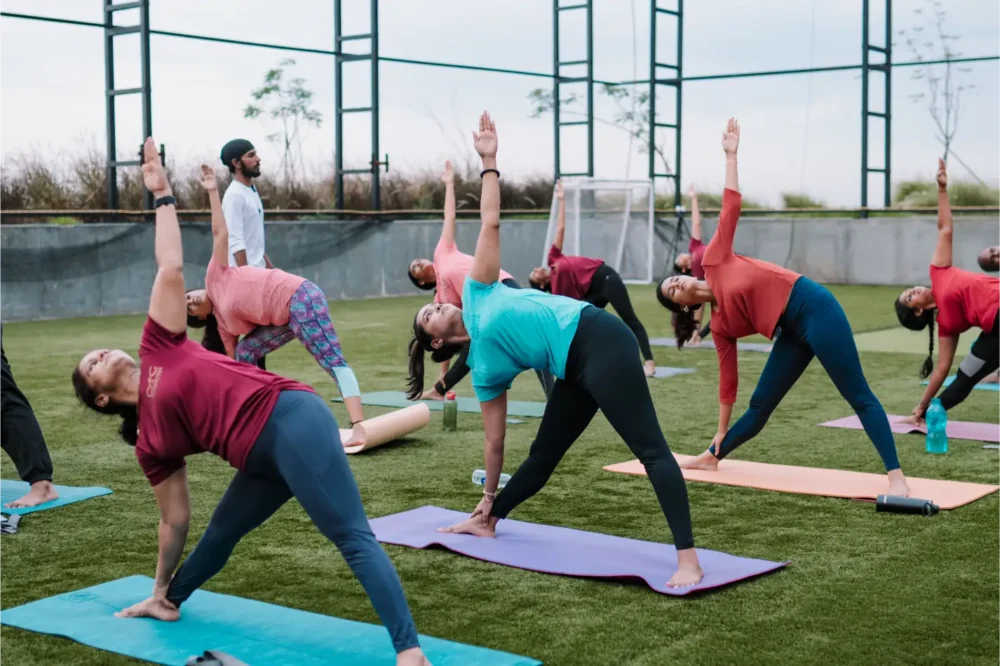
Holding yoga postures activates deep stabilizing muscles that are often ignored in gym workouts. This builds real-life strength, not just appearance-based muscle.
You gain:
- Strong legs
- Stable core
- Healthy spine
- Balanced shoulders
3. Enhances Posture and Spinal Health
Modern lifestyles involve long hours of sitting, screen use, and poor posture. Hatha Yoga realigns the spine, strengthens postural muscles, and relieves back and neck discomfort.
Many people notice posture improvement within weeks of consistent practice.
4. Improves Joint Mobility and Bone Health
Gentle weight-bearing poses in Hatha Yoga help:
- Improve joint lubrication
- Strengthen bones
- Reduce stiffness
This makes it suitable for aging bodies and those with joint sensitivity.
5. Supports Healthy Digestion
Twisting poses and mindful breathing stimulate digestive organs, improving metabolism and gut function.
People practicing Hatha Yoga often experience:
- Better digestion
- Reduced bloating
- Improved appetite regulation
Mental and Emotional Benefits of Hatha Yoga
6. Reduces Stress Naturally
Hatha Yoga activates the parasympathetic nervous system — the body’s relaxation response. This lowers stress hormones and calms the mind.
Unlike intense workouts that overstimulate the nervous system, Hatha Yoga restores balance.
7. Improves Focus and Mental Clarity
Holding poses with awareness trains the mind to stay present. Over time, this improves concentration, decision-making, and mental clarity.
Many practitioners report improved productivity and emotional control.
8. Helps Manage Anxiety and Emotional Overload
The combination of slow movement and conscious breathing helps regulate emotions. Hatha Yoga provides a safe space to release mental tension without suppression.
It teaches you how to respond, not react.
9. Supports Better Sleep Quality
Regular Hatha Yoga practice relaxes the nervous system and prepares the body for deeper, more restorative sleep.
People struggling with restless nights often find improvement within a few weeks.
Benefits of Hatha Yoga for Women
Hatha Yoga is especially beneficial for women because it works in harmony with hormonal cycles.
10. Supports Hormonal Balance
Gentle yoga postures and breathing techniques help regulate stress hormones, which directly influence female hormonal health.
This can support:
- Menstrual comfort
- Emotional balance
- Energy regulation
11. Strengthens Pelvic Floor Muscles
Many Hatha Yoga poses engage pelvic muscles naturally, improving core stability and internal strength — important for women of all ages.
12. Encourages Body Awareness and Self-Confidence
Hatha Yoga is non-competitive. Progress is internal, not comparative. This builds a healthier relationship with the body and improves self-confidence.
Benefits of Hatha Yoga for Older Adults
Hatha Yoga is one of the safest and most effective practices for aging bodies.
13. Improves Balance and Coordination
Slow movements and posture awareness help prevent falls and improve coordination.
14. Reduces Joint Pain and Stiffness
Gentle movement increases circulation and joint lubrication, easing discomfort without overloading the body.
15. Maintains Independence and Mobility
Consistent practice helps older adults stay active, flexible, and independent longer.
Hatha Yoga for Weight Management
Hatha Yoga may not be aggressive, but it supports weight balance in sustainable ways.
16. Improves Metabolism
Balanced movement and breathwork enhance metabolic efficiency rather than shocking the system.
17. Reduces Stress-Related Weight Gain
Chronic stress is a major cause of stubborn weight gain. Hatha Yoga directly addresses this root cause.
18. Encourages Mindful Eating
As awareness improves, food choices naturally become healthier without strict rules.
Hatha Yoga vs Other Yoga Styles
Hatha Yoga differs from faster styles in its depth rather than speed.
- Less rushing
- More awareness
- Stronger foundation
- Lower injury risk
Many advanced practitioners return to Hatha Yoga for refinement and balance.
How Often Should You Practice Hatha Yoga?
For beginners:
- 3–4 sessions per week is ideal
For deeper benefits:
- Daily short practice is more effective than occasional long sessions
Consistency matters more than intensity.
What to Expect in a Hatha Yoga Class
A typical session includes:
- Gentle warm-up
- Foundational postures
- Conscious breathing
- Relaxation
Each class builds understanding, not exhaustion.
Common Myths About Hatha Yoga
Myth: Hatha Yoga is too easy
Truth: It is subtle and powerful
Myth: You need flexibility
Truth: Flexibility comes from practice
Myth: It’s only for beginners
Truth: It’s the foundation of mastery
Who Should Practice Hatha Yoga?
Hatha Yoga is suitable for:
- Beginners
- Women
- Seniors
- Office workers
- Anyone seeking balance
It adapts to the practitioner, not the other way around.
Why Learning Hatha Yoga from the Right Guidance Matters
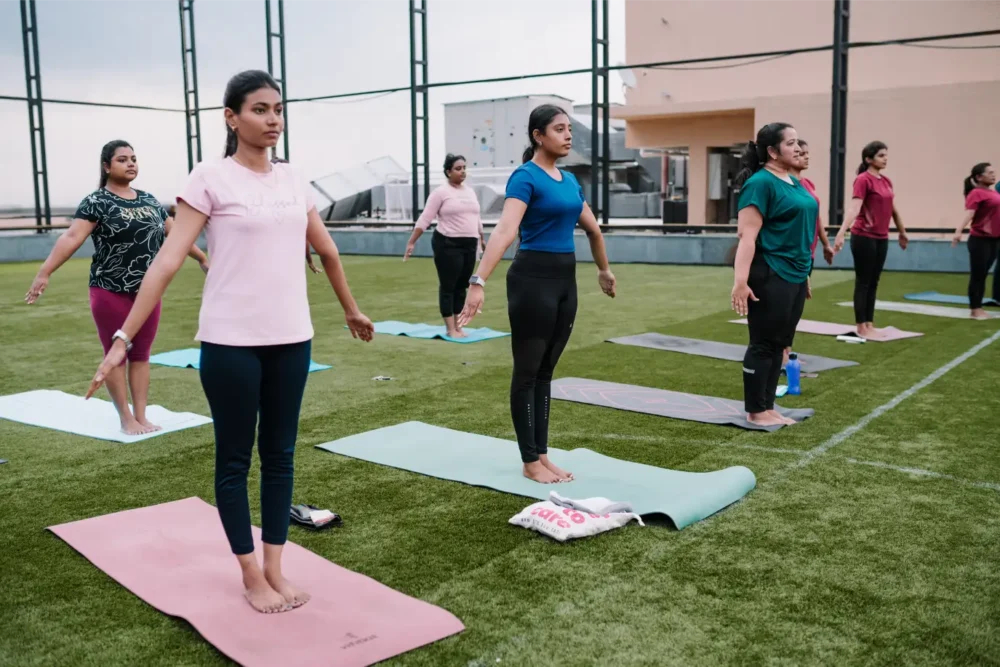
Proper instruction ensures:
- Correct alignment
- Safe progression
- Real benefits
- Personalized support
A guided environment helps avoid common mistakes and builds confidence.
🌸 Why Outdoor Yoga Chennai Is a Trusted Choice
Outdoor Yoga Chennai focuses on:
- Certified and experienced instructors
- Structured beginner-friendly programs
- Online and outdoor yoga options
- Small batch attention
- Safety-first teaching
Their philosophy emphasizes long-term wellness, not shortcuts.
Final Thoughts: Why Hatha Yoga Is a Lifelong Practice
Hatha Yoga is not about quick fixes. It is about building a healthy body, a calm mind, and a balanced life.
It meets you where you are and grows with you.
For those looking to experience Hatha Yoga with structured guidance, safe progression, and supportive instruction, professional programs that focus on fundamentals and real well-being make a lasting difference.



Leave a Comment